The gap between the monthly cost of charging a Tesla Cybertruck vs filling a Honda Ridgeline in the US will leave you stunned
Published on Oct 10, 2026 at 5:57 PM (UTC-4)
by Daisy Edwards
Last updated on Oct 10, 2026 at 5:57 PM (UTC-4)
Edited by
Mason Jones


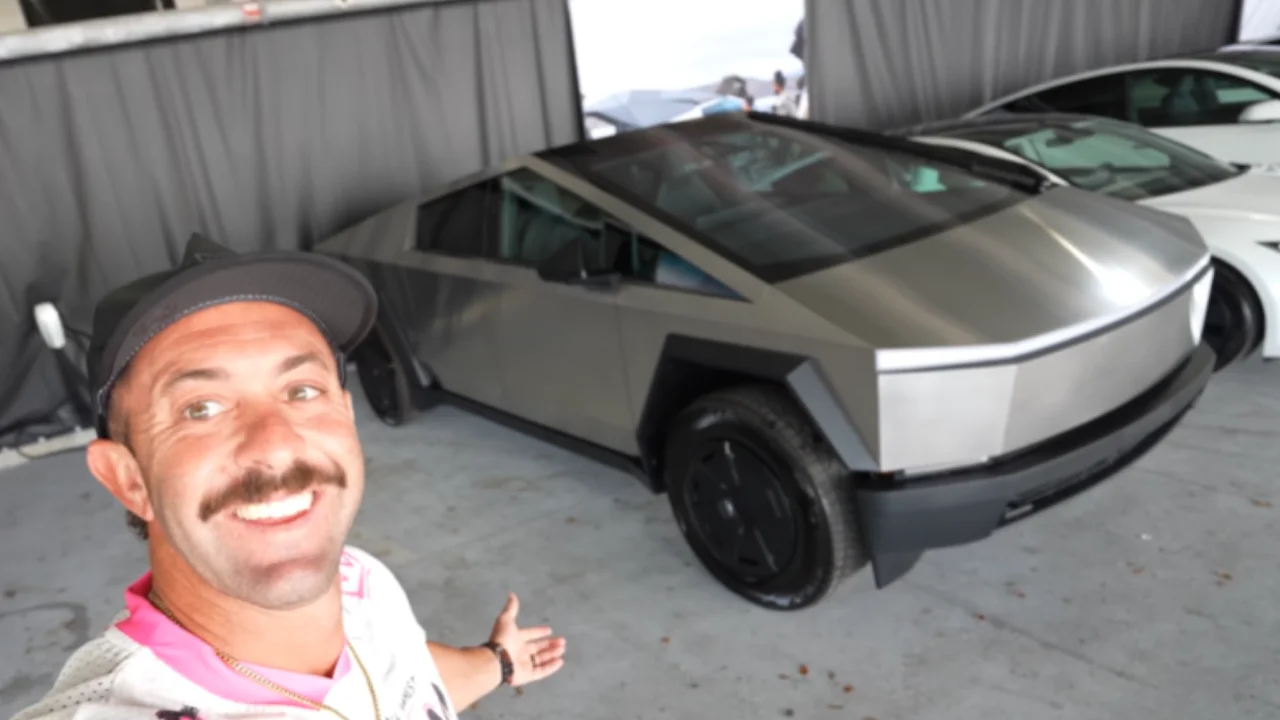
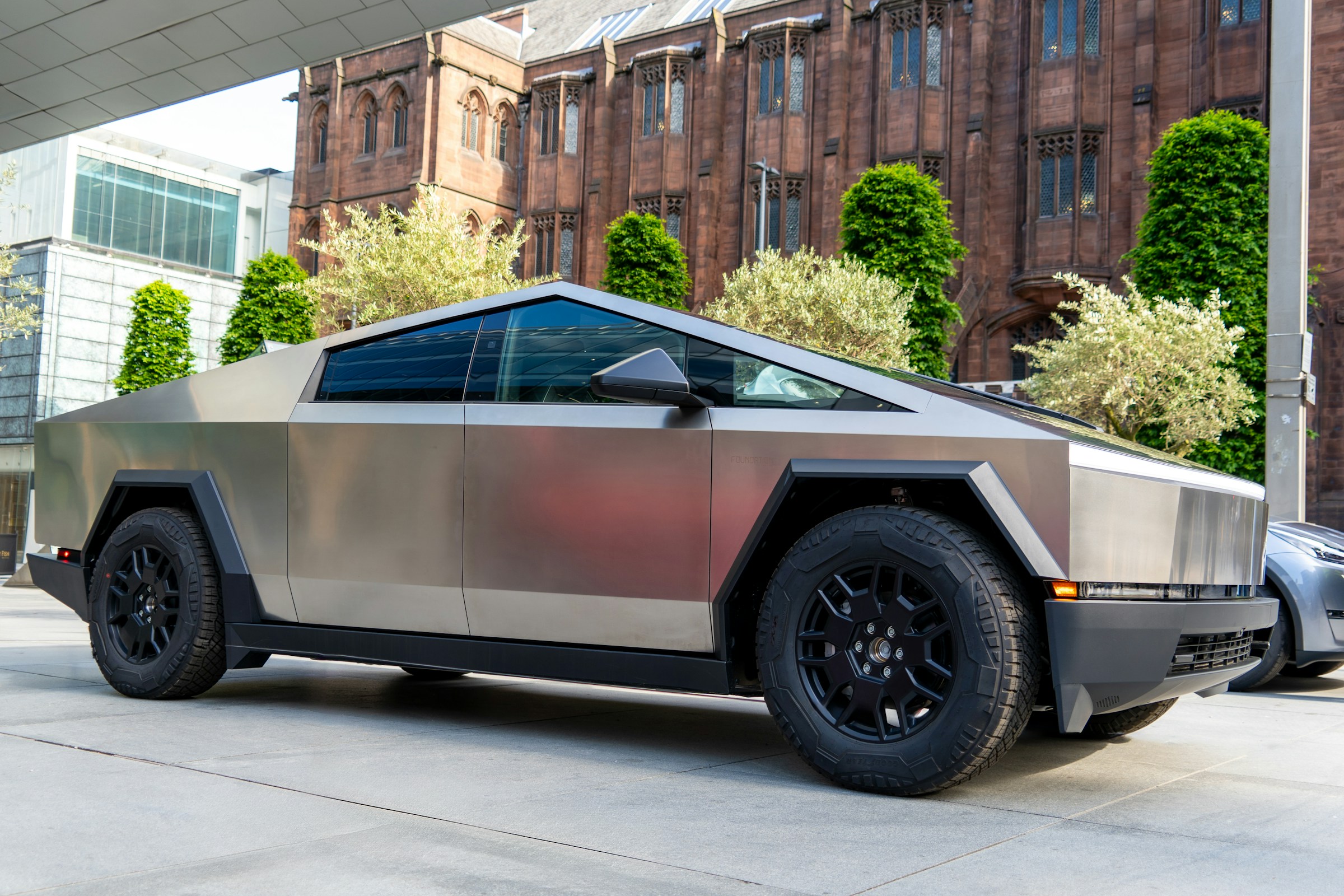
The Tesla Cybertruck and Honda Ridgeline are two very different takes on what an American truck should be, but there is one surprisingly simple way to compare them.
Both can haul, tow, and handle everyday driving, yet the amount their owners spend on energy each month is dramatically different.
Using the latest US EV and gasoline prices, the gap has grown since we last looked at the numbers.
And if you’re driving 15,000 miles a year, the difference adds up quickly.
How much the Cybertruck costs a month to charge
For this comparison, we’re using a 15,000-mile annual driving distance, which works out to 1,250 miles a month.
Tesla currently lists the Cybertruck’s energy consumption at 41 kWh per 100 miles.
With the average US residential electricity price sitting at 18.19 cents per kWh, driving 100 miles in the electric pickup works out at roughly $7.46 in electricity.
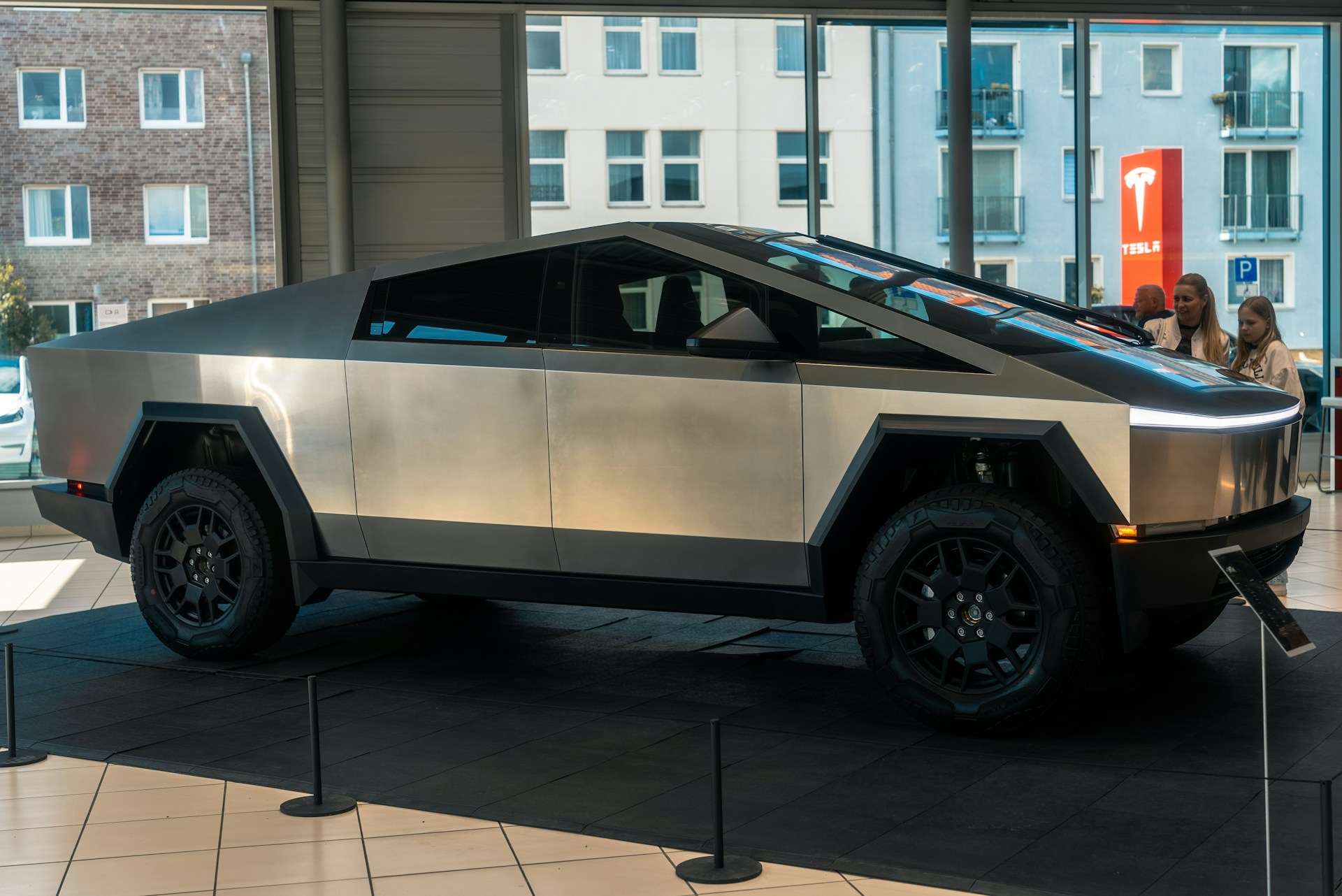
That puts the Cybertruck’s monthly charging cost at about $93.25, assuming all those miles are covered by home charging at the national average electricity rate.
Over a full year, that comes to around $1,119 in electricity.
Of course, real-world costs can vary depending on the state, electricity plan, weather, driving style and how much charging happens at Superchargers rather than at home.
But on a straight national-average comparison, the Cybertruck is still looking remarkably inexpensive to keep moving.
Related
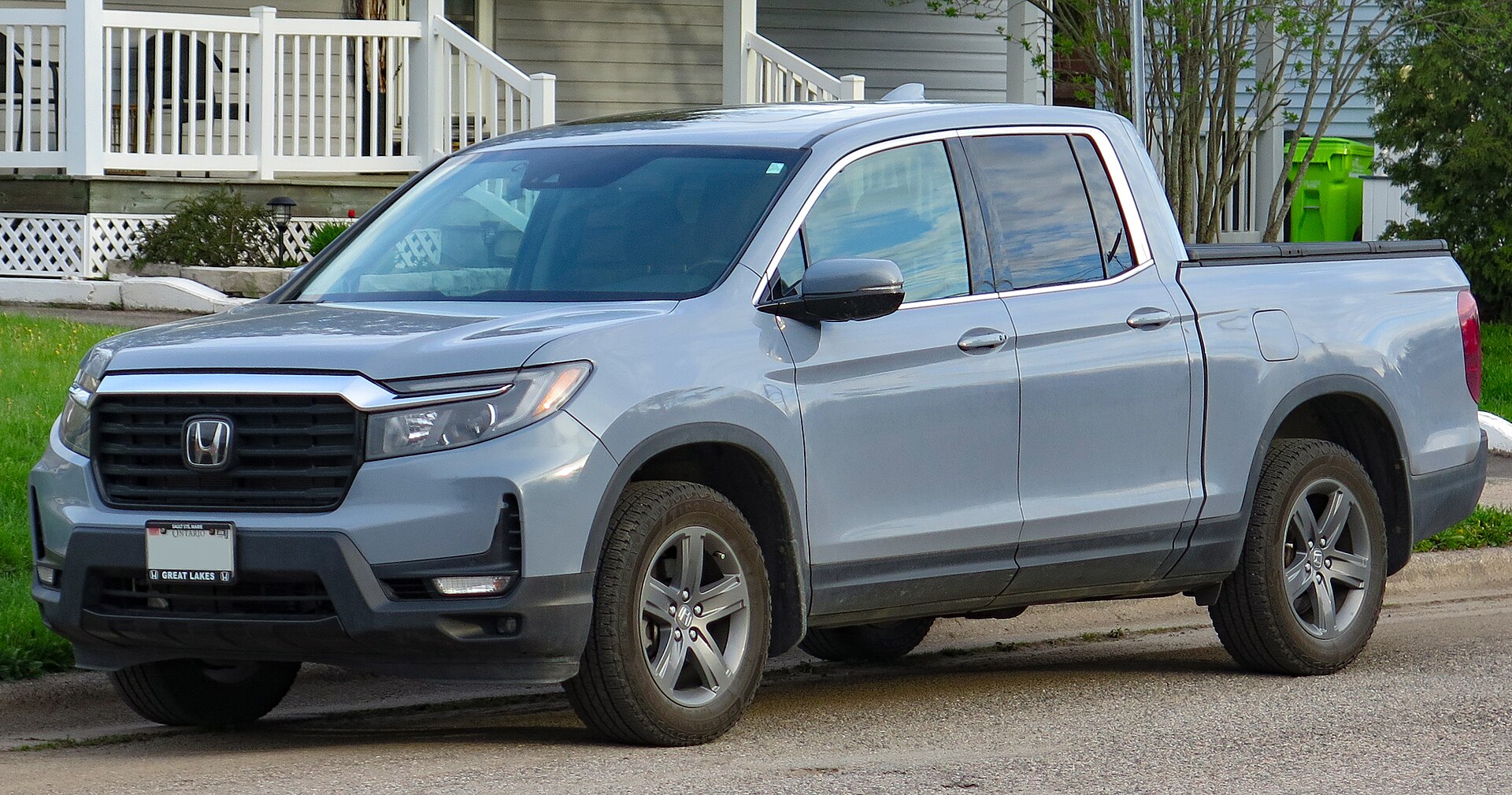
How much the Honda Ridgeline costs to fuel
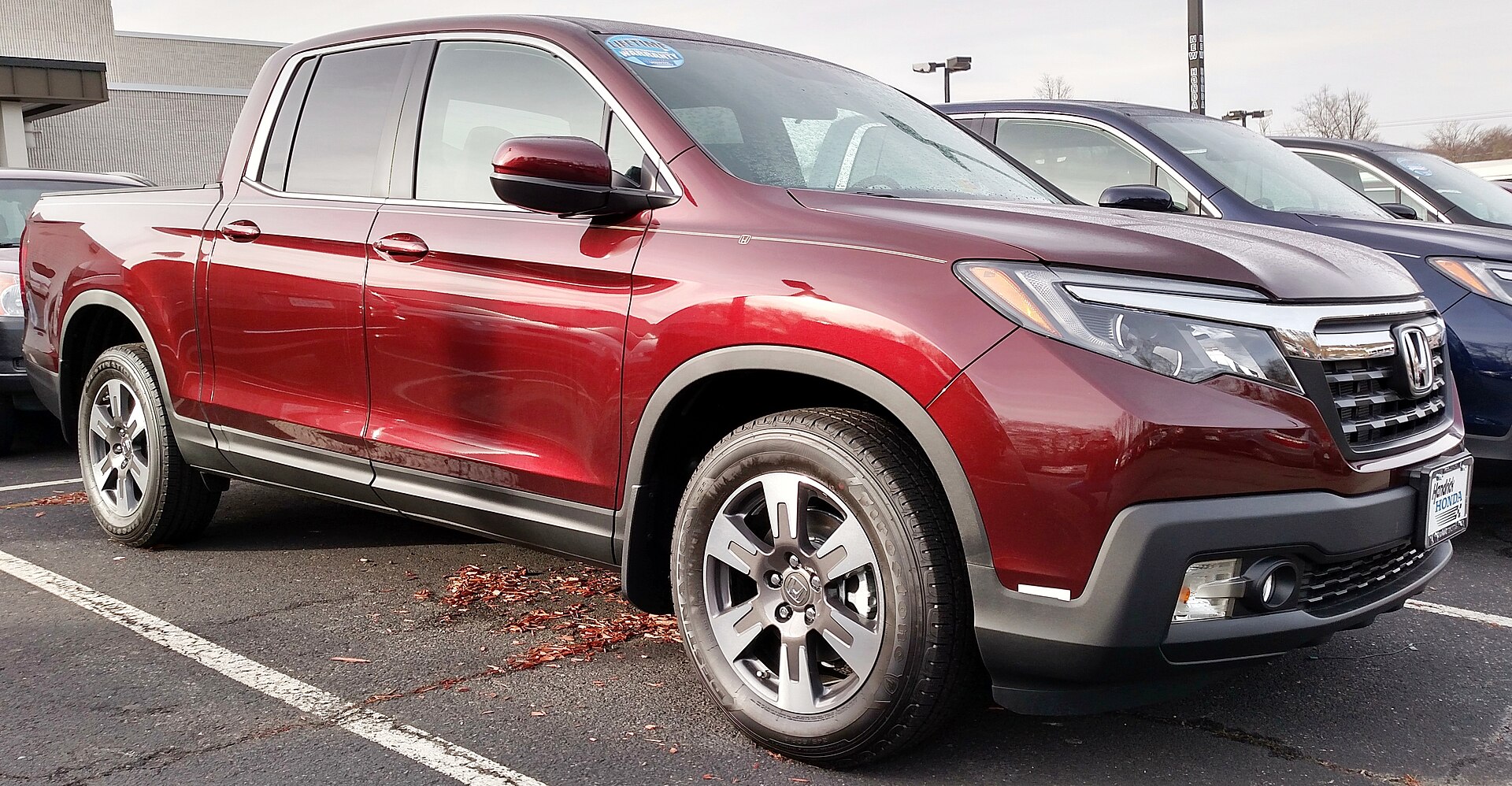
The 2026 Honda Ridgeline is rated at 21 mpg combined in most trims, with the TrailSport versions rated at 20 mpg.
Using the 21-mpg figure and the latest US average regular gasoline price of $4.465 per gallon, the Ridgeline costs about $21.26 to travel 100 miles.
At 1,250 miles a month, that’s approximately $265.75 in gasoline.

Over a year, the figure rises to roughly $3,189.
That means the Ridgeline is costing around $172.50 more every month to fuel than the Cybertruck costs to charge at home.
And that difference is especially striking because the two trucks aren’t exactly lightweight economy vehicles.
The full costs
Put the two figures side by side and the difference becomes hard to ignore.
At 15,000 miles a year, the Cybertruck would use roughly $1,119 worth of home electricity, while the Ridgeline would burn through around $3,189 worth of gasoline.
That’s a difference of about $2,070 every year.
Over three years of driving 15,000 miles annually, that would put the gap at more than $6,000 before taking account of changes in electricity or gasoline prices.
The comparison also doesn’t include insurance, maintenance, financing, depreciation or the purchase price of either truck, so it shouldn’t be treated as a complete ownership-cost calculation.
It does, however, show just how much the energy bill alone can differ between a modern electric pickup and a conventional gas-powered one.
And with US gasoline currently costing substantially more than it did a year ago, the running-cost equation could become even more interesting for truck buyers watching their monthly budgets.
Watch this space.
Daisy is a technology and automotive journalist covering artificial intelligence, consumer tech, Apple news, cryptocurrency, emerging technologies, and transportation innovation. Since joining the team in 2025, she has reported on everything from AI-powered startups and major iOS updates to viral car stories and the latest developments shaping transportation and the digital economy. Drawing on her background in automotive journalism and a degree in History and Journalism from Goldsmiths, University of London, Daisy specializes in breaking down complex topics into clear, engaging reporting for a global audience. Her work spans cutting-edge technology, innovative vehicles, and the people driving change across both industries. Daisy has gained first-hand access to some of the world's most talked-about technologies and innovators, including meeting Tesla's Optimus humanoid robot during its first European appearance in London. She has also discussed the future of space exploration with an astronaut, bringing unique insights and real-world perspectives to her coverage of emerging technology.