California woman behind Ferrari Testarossa restomod reveals the unusual luxury detail everyone told her not to add
Published on Oct 25, 2026 at 9:56 AM (UTC-4)
by Daisy Edwards
Last updated on Oct 25, 2026 at 9:56 AM (UTC-4)
Edited by
Mason Jones
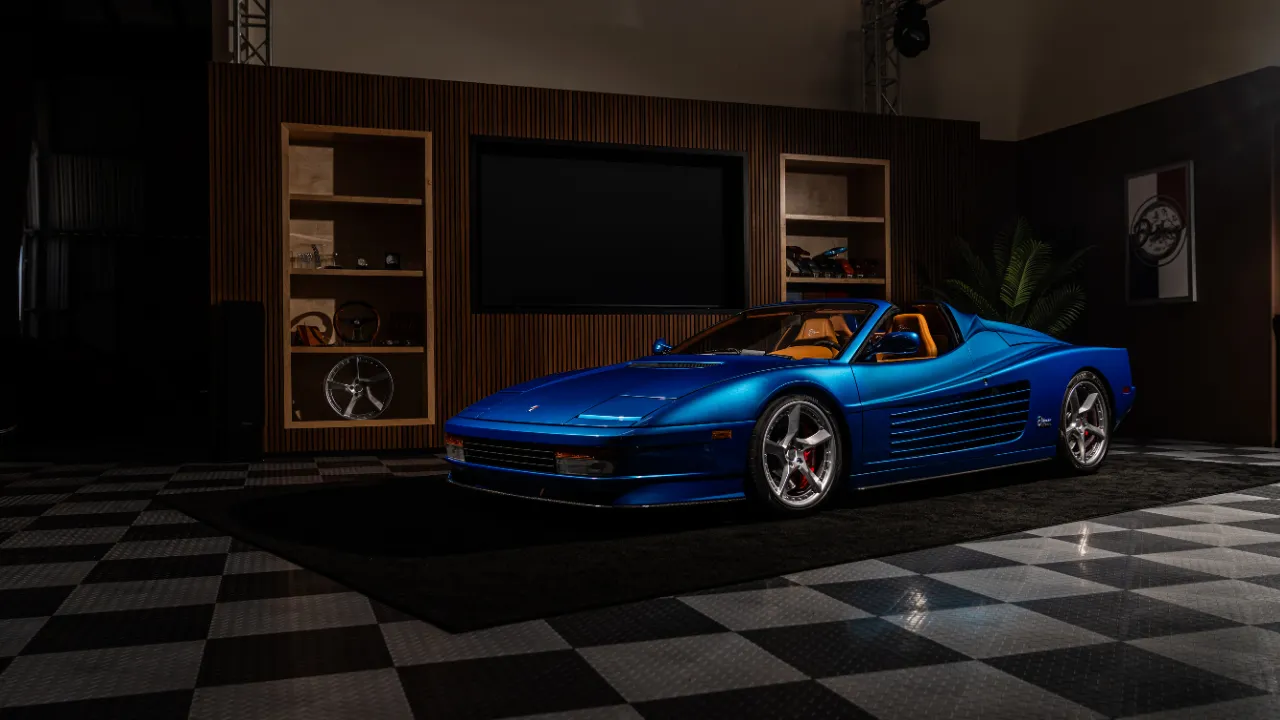

A California woman is giving one of Ferrari’s most legendary supercars a fresh identity, and her approach to luxury is proving just as distinctive as the Ferrari Testarossa itself.
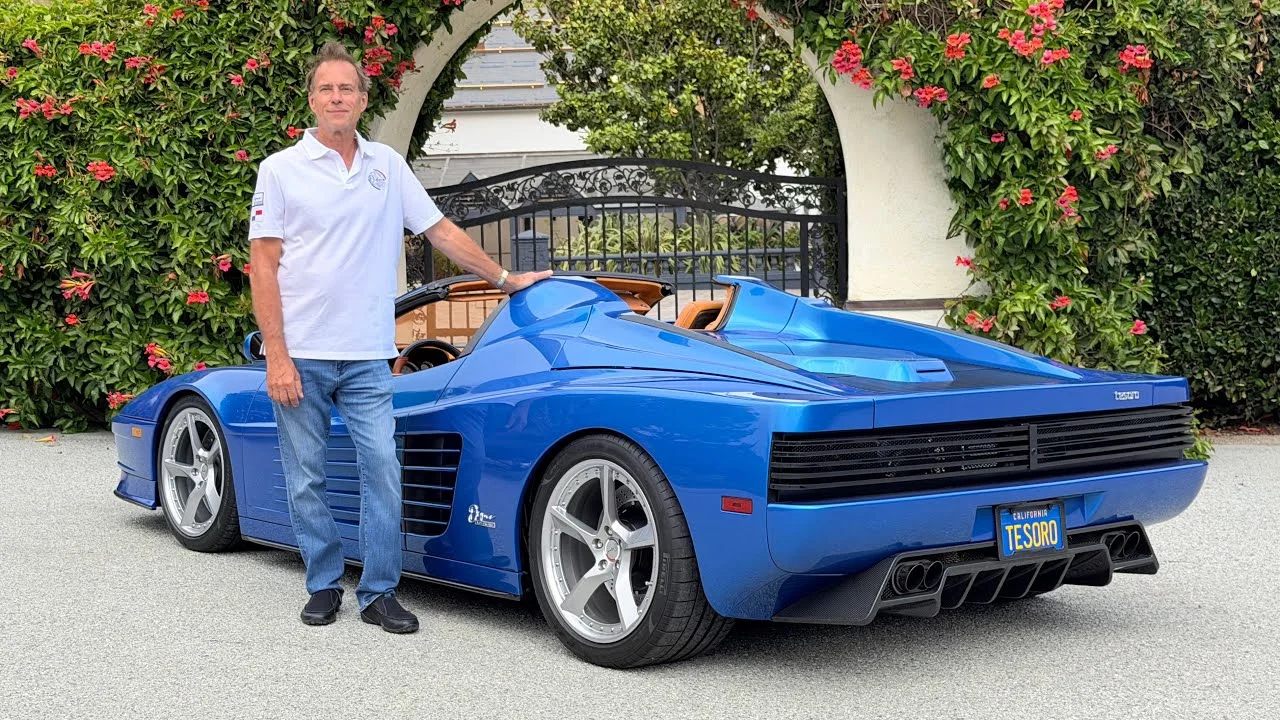
Debra Kazamek, co-founder of Dione Motorcars, AKA ‘Ms. Dione’, helped shape the TESORO, a reimagining of the iconic Ferrari Testarossa that combines its unmistakable silhouette with bespoke materials and a distinctly Californian feel.
But while the project has drawn attention for its striking blue paintwork and carefully crafted interior, one design decision has people trying to change her mind.
Kazamek told Supercar Blondie why she stood her ground and how the unexpected detail has since become one of the car’s biggest talking points.
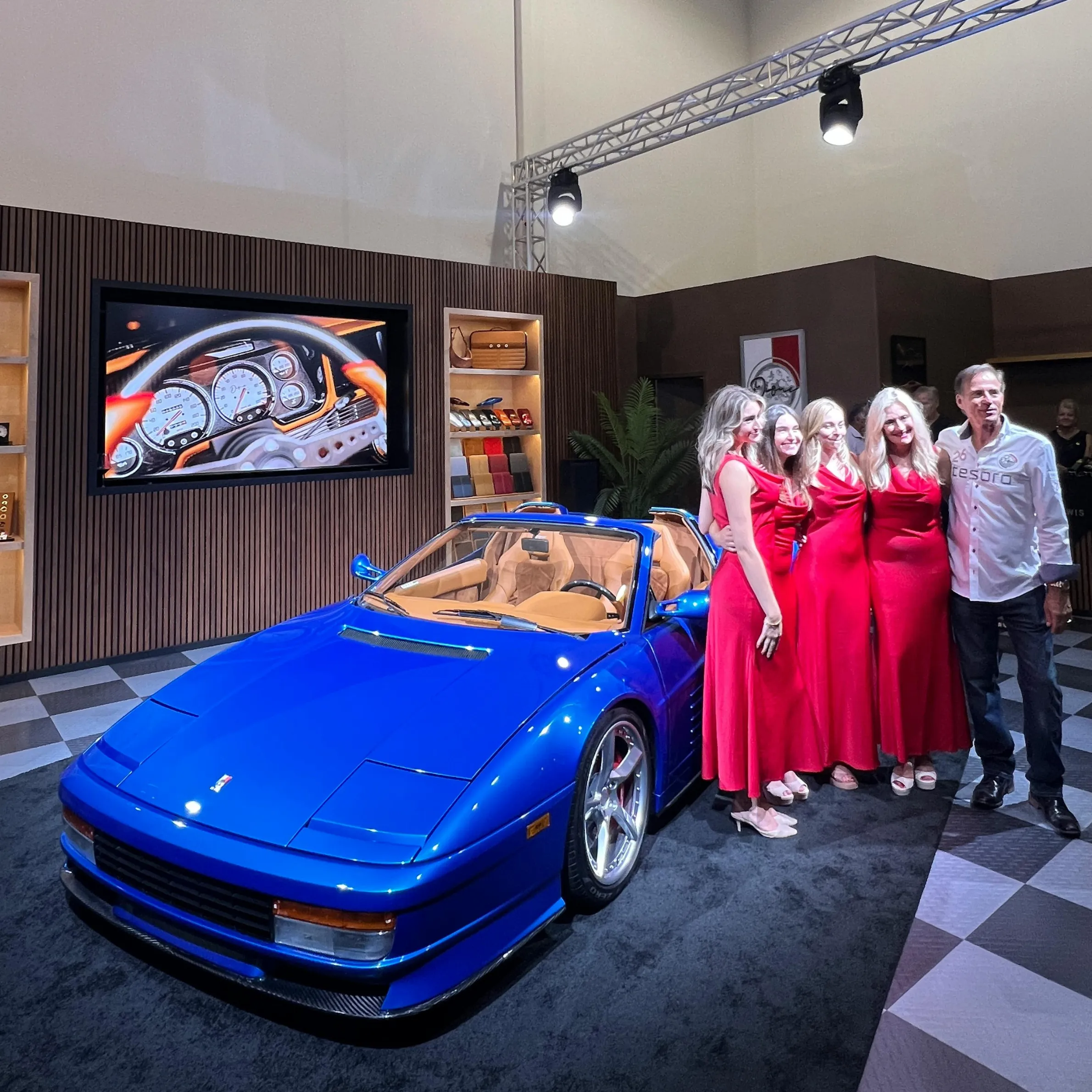
The luxury detail everyone told her not to add
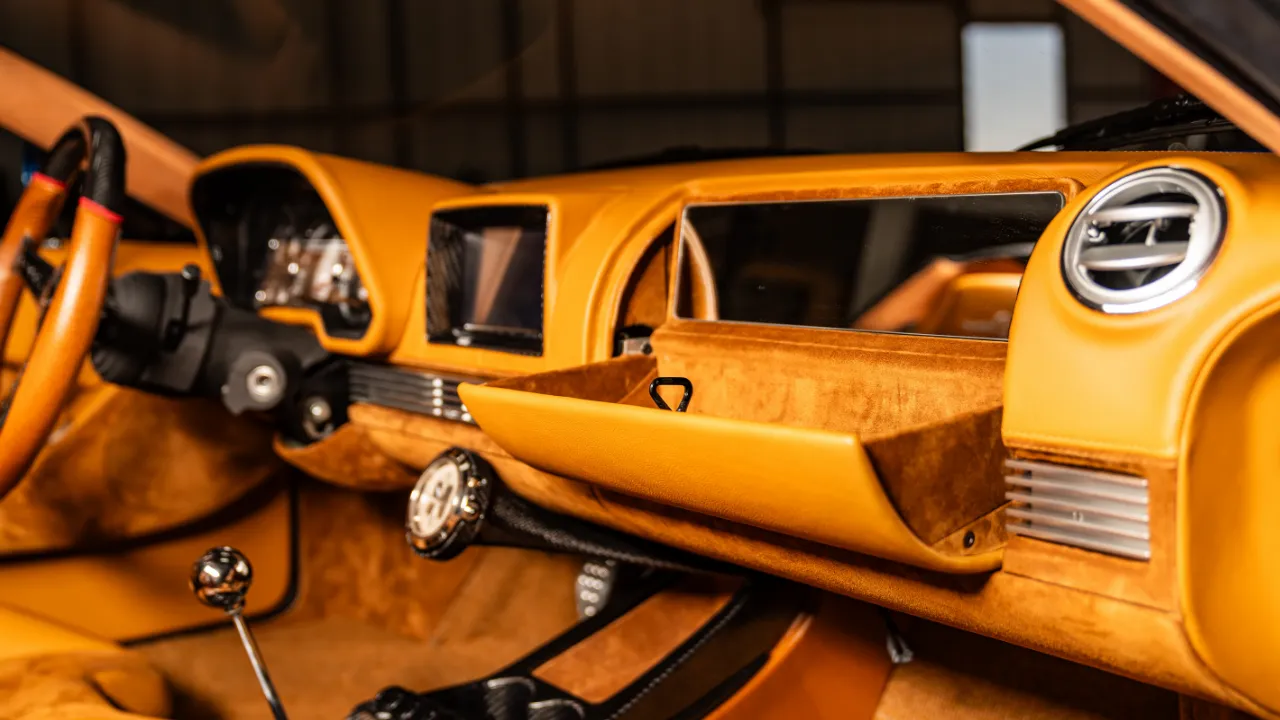
The fabulous Ferrari restomod supercar detail in question is a Cartier Pasha clock, which sits prominently in the center of the TESORO’s interior.
With a jade jewel on its side, it was chosen to look more like a piece of jewelry than a conventional automotive feature.
“It was something that I took a risk on when we were going through the design,” Kazamek explained during our conversation.
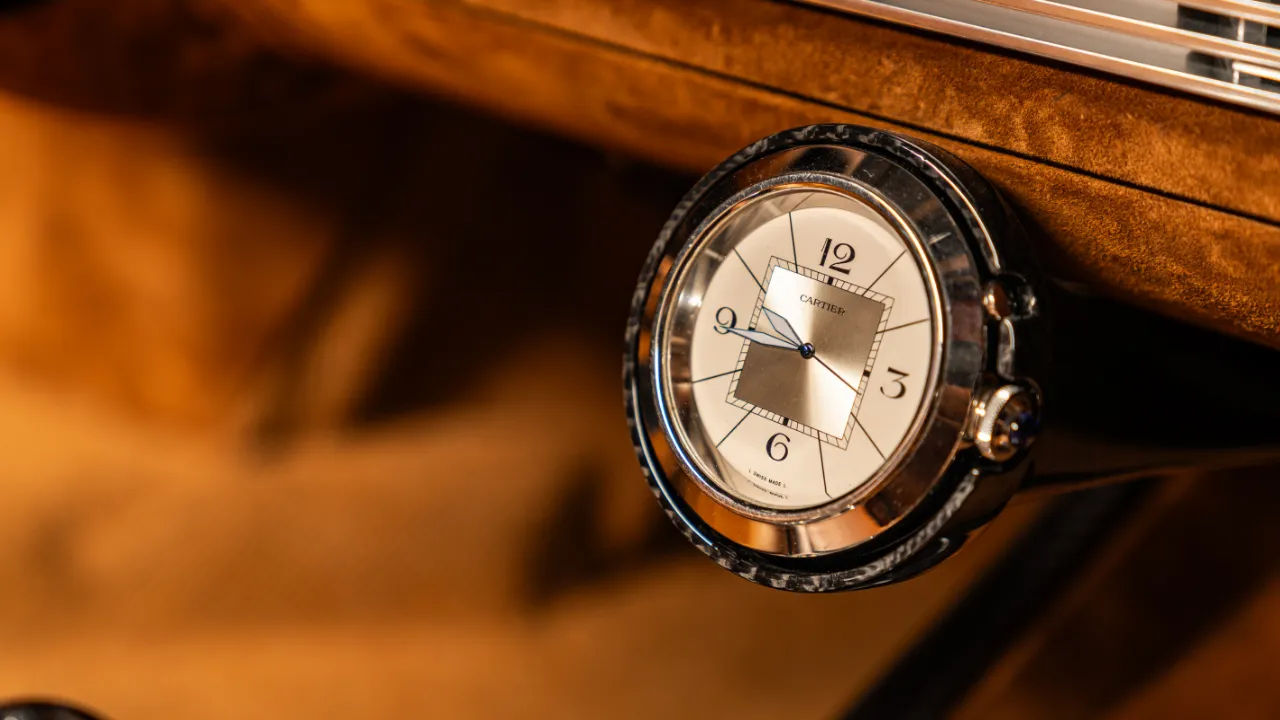
She wanted the clock to become a sculptural centerpiece, but the idea wasn’t immediately welcomed by everyone involved in the design process.
“Everybody was trying to talk me out of it … mainly because it wasn’t done in the car industry,” she said.
Kazamek stuck with her vision, explaining: “I want this to be a piece of jewelry. I want it to stand out. I want it to look shiny and elegant.”
The clock reflects the thinking behind the entire project.
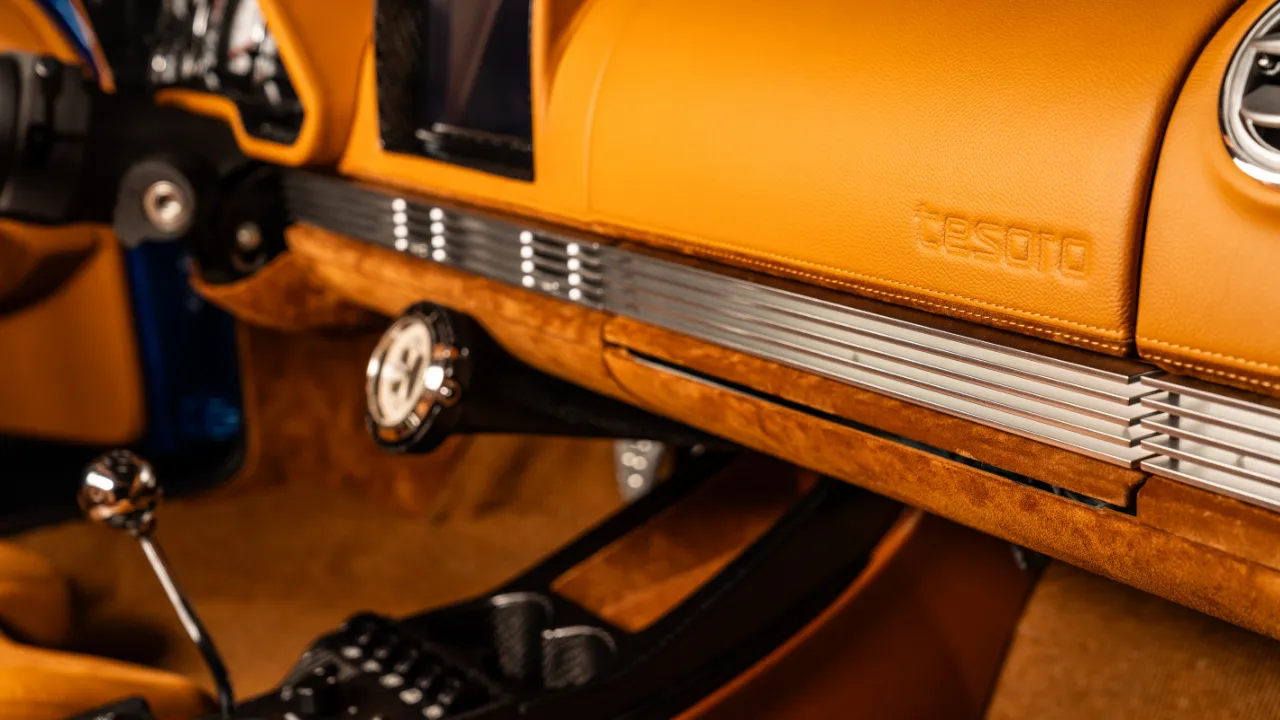
Kazamek said TESORO was conceived as a sculptural work of art from the beginning, bringing together her family’s passion for cars with influences from their daughters’ French background and Italian craftsmanship.
That approach extends throughout the cabin, because rather than relying on carbon fiber for every surface, the team used black caviar-textured leather around the gauges, alongside custom-developed leathers, thick suede over Alcantara and carefully finished stitching.
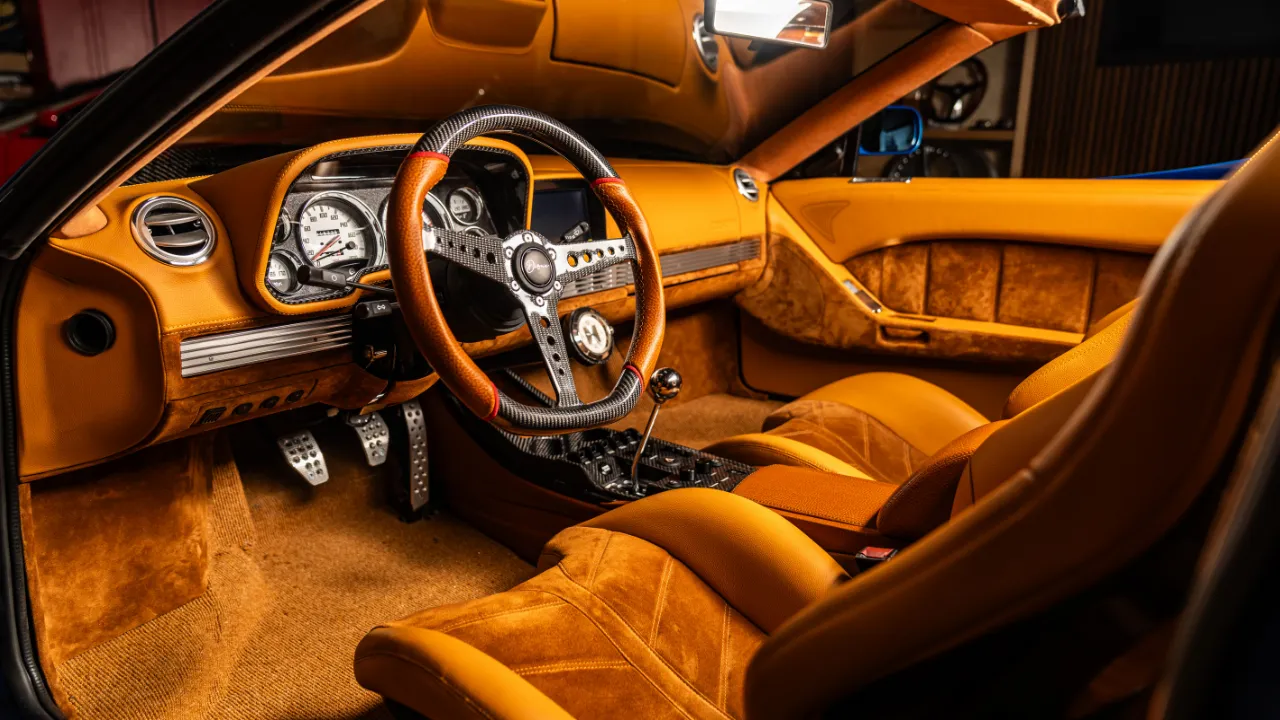
French seams and the cross-stitch craftsmanship on the steering wheel add further detail, while the interior’s jewelry-inspired touches bring a different kind of luxury to a car known for its unmistakable performance credentials.
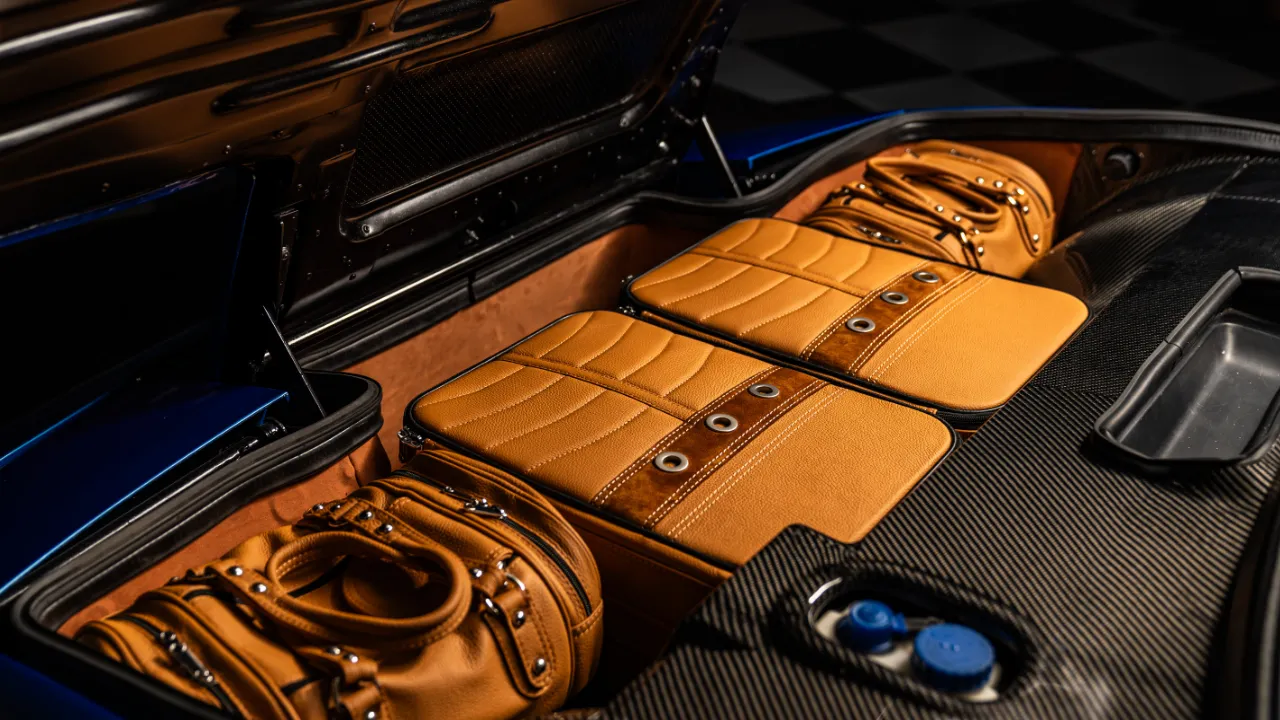
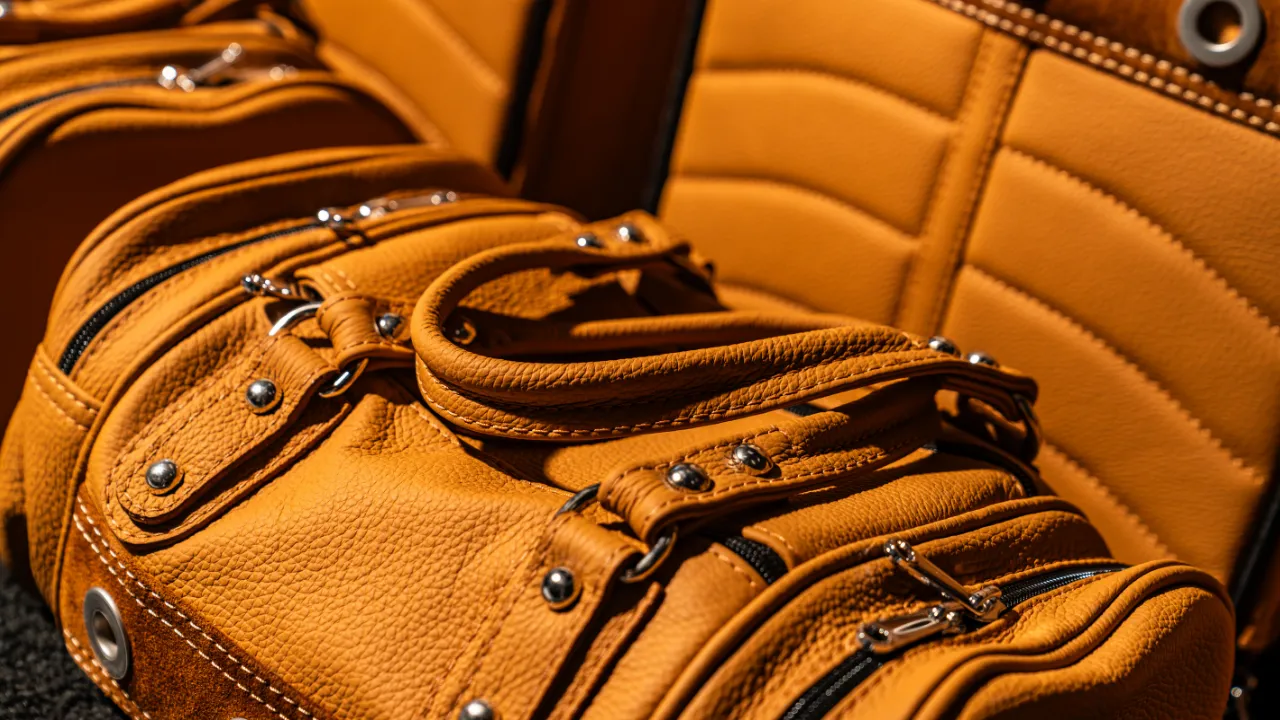
It also came with custom luxurious matching leather luggage, which was designed purposely to fit in the supercar, making it both incredibly beautiful and incredibly practical.
A Ferrari icon with a distinctly Californian makeover
The original Testarossa’s shape was central to the project, particularly its curves and distinctive side profile. Kazamek pointed to a silhouette line associated with the ‘hip of a woman’ as an example of the design’s natural elegance.
Turning the coupe into a convertible presented a challenge.
Kazamek explained that some conversions flatten the bodywork, losing the flowing shape that makes the original so recognizable.
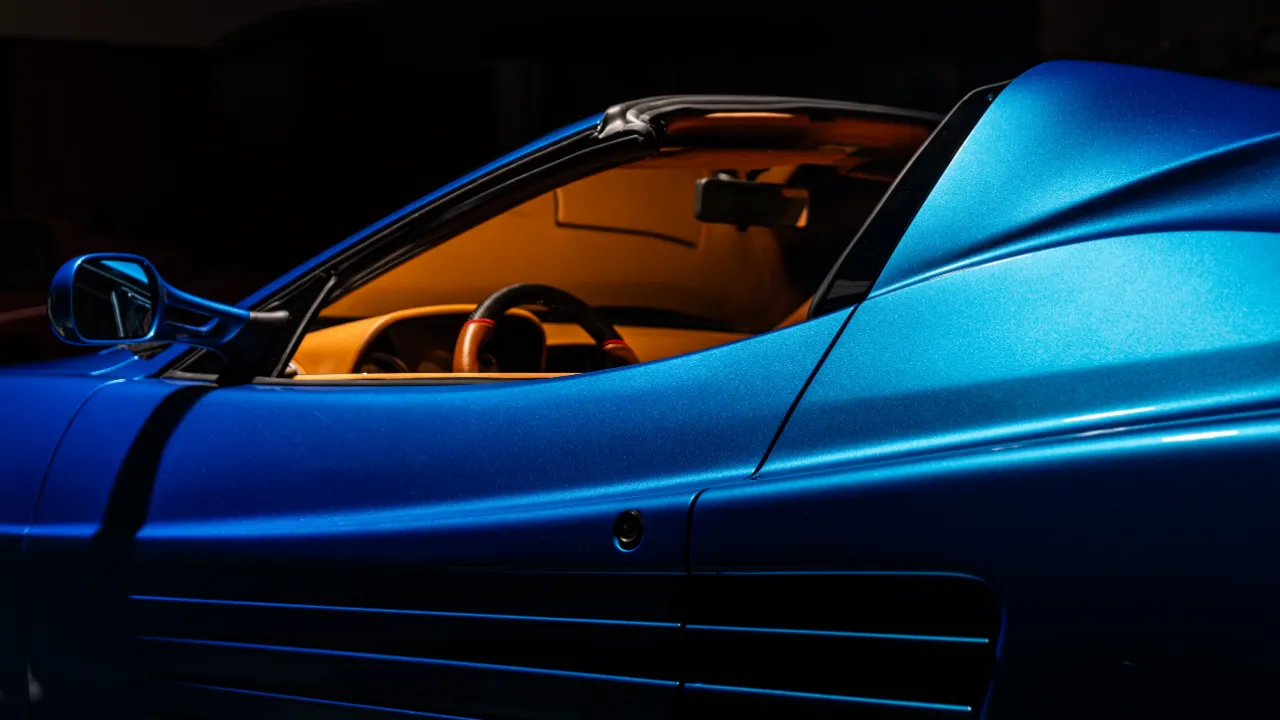
Her husband, Tom, used 3D design to develop a fairing that would help preserve that distinctive silhouette.
The exterior is finished in a striking blue shade called ‘Maliblu’, whose name was invented by their daughter, Chanel, and Kazamek described the color as metallic and pearlized, giving the car a look that suits its California roots.
Despite being born in Canada, Ms. Dione’s car is California in a car, and inside, the design also retains a playful connection to the original Italian icon.
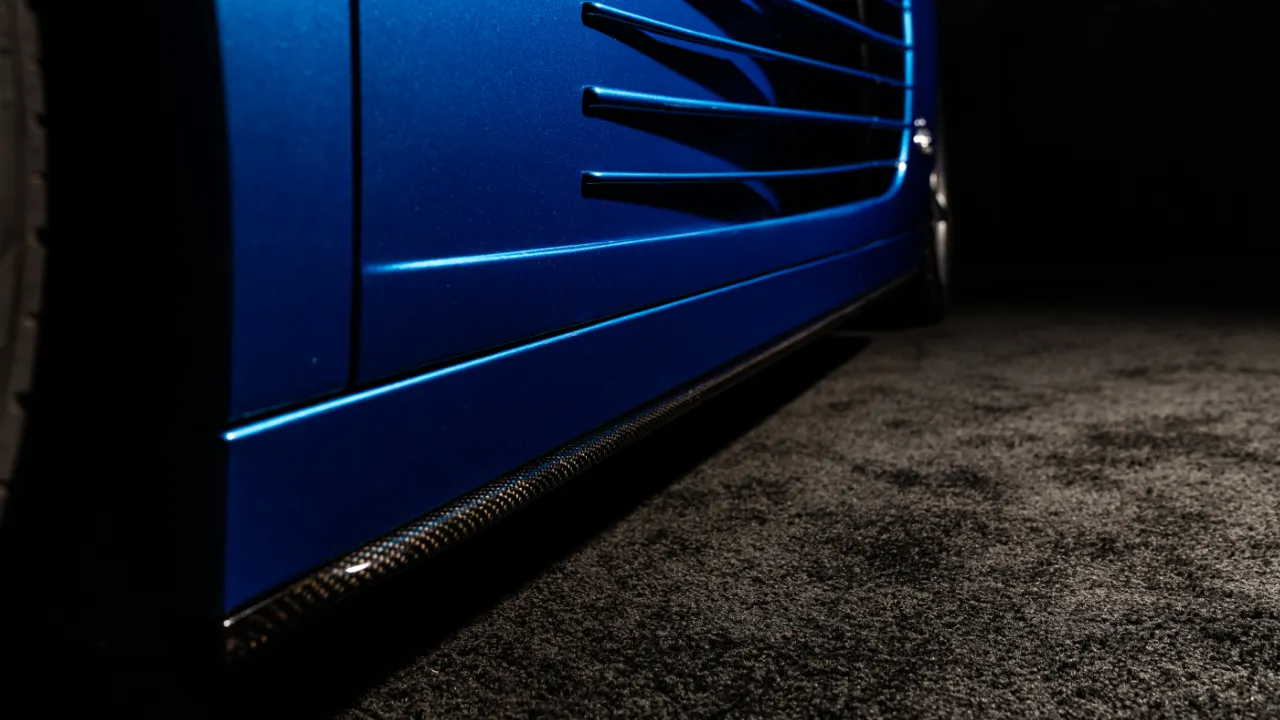
The Testarossa’s glovebox mirror, which slides out underneath, was kept as a nod to the car’s original design for women who might use it to touch up their makeup.
Modern touches, including Apple CarPlay, a backup camera and an upgraded stereo, make the car more practical to use today.
But Kazamek was keen to preserve the more hands-on driving experience, including a manual gearshift and clutch rather than paddle shifters.
The family behind Dione wants to elevate the supercar
TESORO is a family project in every sense, as Debra worked alongside her husband, Tom, who came out of retirement to help bring their shared vision to life.
Their daughters have also played a part, with Chanel inspiring the name of the car’s distinctive blue paint and the family helping shape the wider identity of Dione Motorcars.
Debra described how she and her husband make time to talk through the business together, starting their mornings with coffee and a four-mile walk where they can discuss their plans.
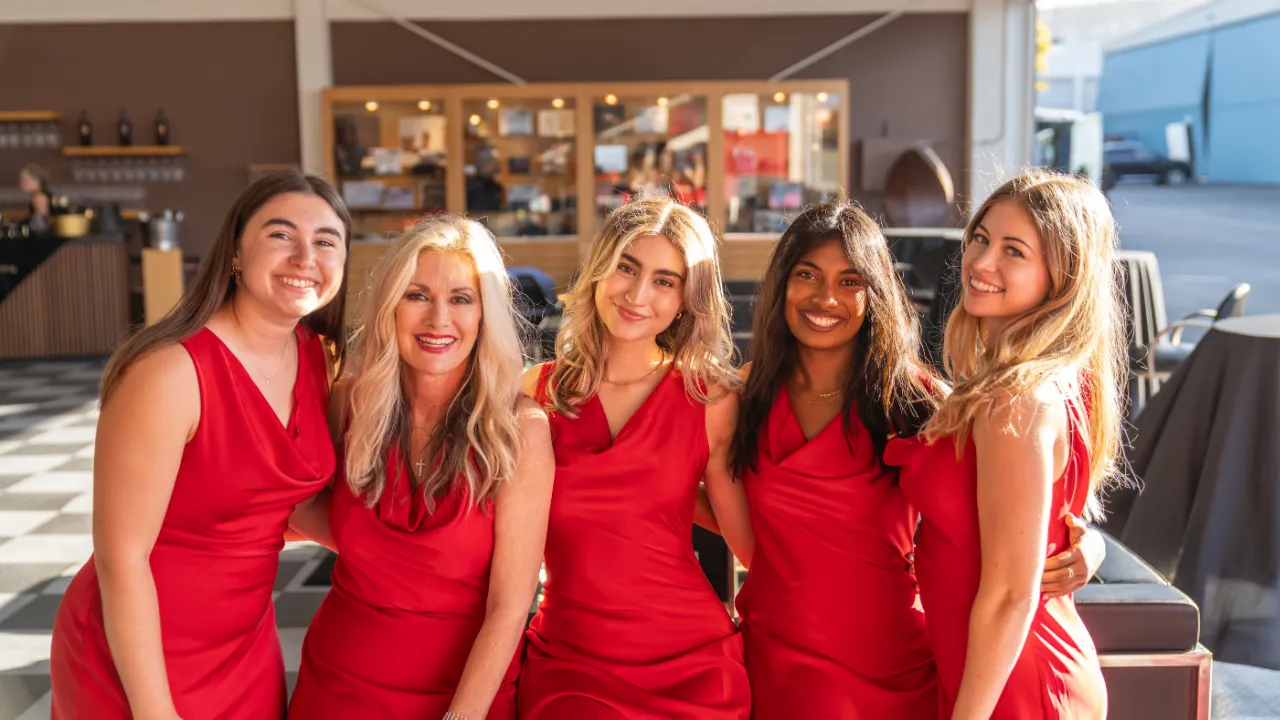
Their collaboration combines her design perspective with his technical input, including the 3D work that helped preserve the Testarossa’s silhouette during its conversion to a convertible.
For the family, the project is about bringing together their love of cars with a more personal approach to design.
The name Dione was chosen following research by one of their daughters and draws inspiration from a goddess associated with beauty, power and passion.
The TESORO has already attracted attention at Carmel’s automotive events, winning best supercar and best of show at Concorso Italiano.
Debra said she had initially been nervous about presenting it to Ferrari purists, but was encouraged by the response.
“Even these purists are so open to seeing what we did because they felt we took something and made it better. We didn’t take away what was beautiful,” she said.
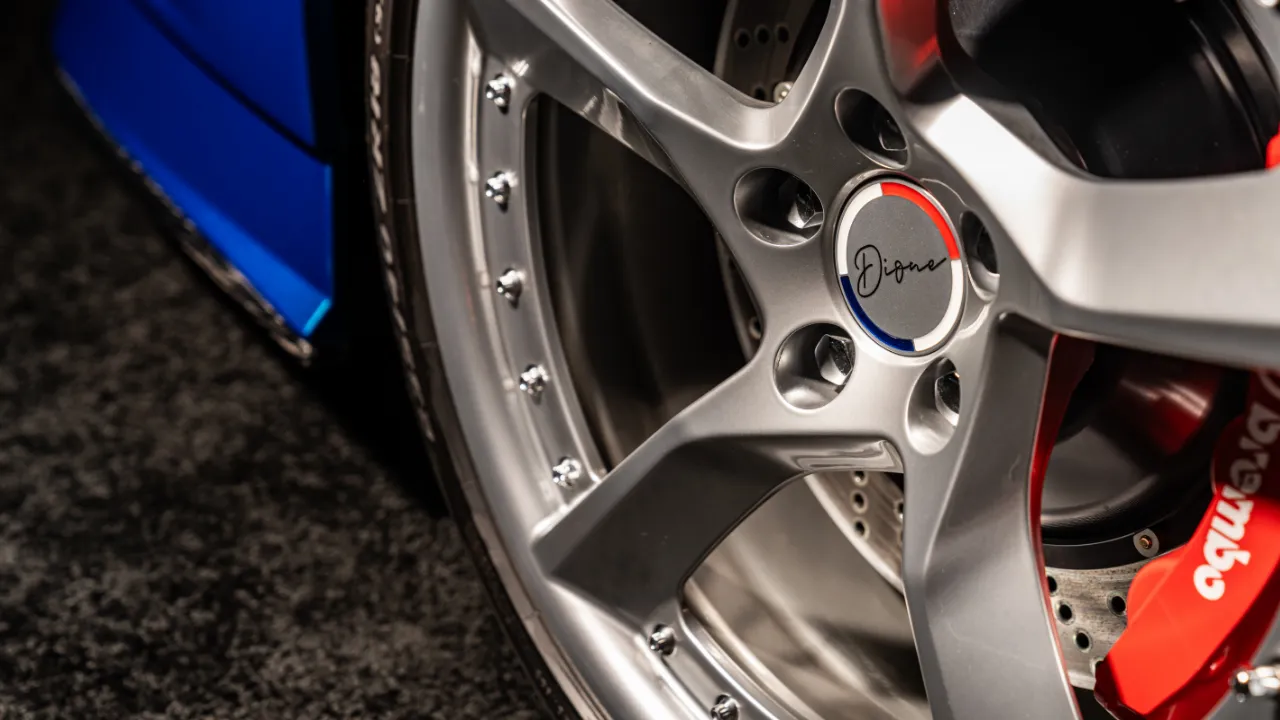
The TESORO is currently a proof of concept, with the family working toward production, but for Debra, its significance goes beyond the materials, paintwork or eye-catching clock.
She believes women should be represented in the automotive world, including as racers, drivers, enthusiasts and designers.
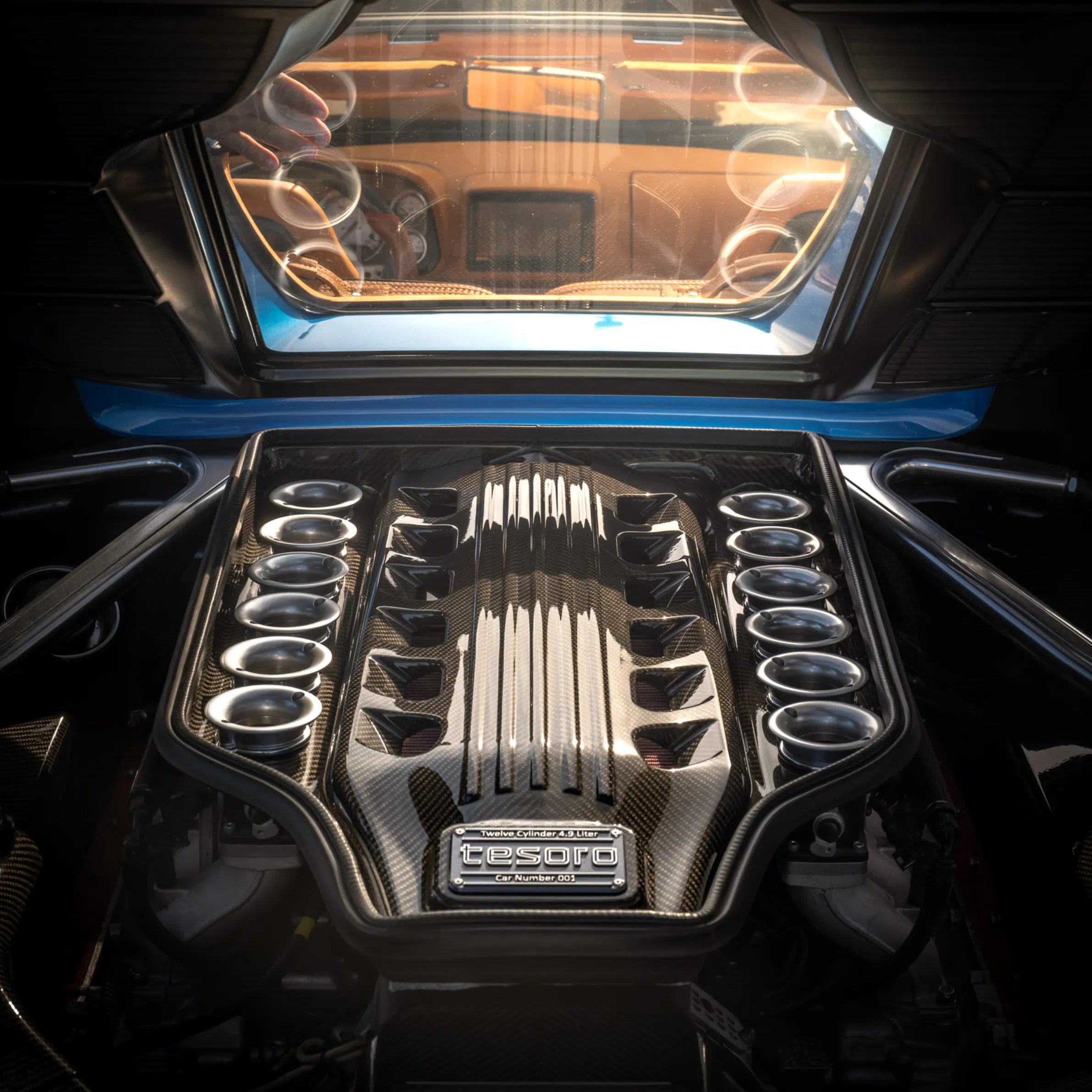
Her approach brings those perspectives into a car that still respects the performance and character of the original.
As she explained, the intention was never to dilute what made the Testarossa special. “We never intended to soften this iconic supercar; instead, we wanted to elevate it.”
And certainly no one can deny that’s exactly what they did.
Daisy is a technology and automotive journalist covering artificial intelligence, consumer tech, Apple news, cryptocurrency, emerging technologies, and transportation innovation. Since joining the team in 2025, she has reported on everything from AI-powered startups and major iOS updates to viral car stories and the latest developments shaping transportation and the digital economy. Drawing on her background in automotive journalism and a degree in History and Journalism from Goldsmiths, University of London, Daisy specializes in breaking down complex topics into clear, engaging reporting for a global audience. Her work spans cutting-edge technology, innovative vehicles, and the people driving change across both industries. Daisy has gained first-hand access to some of the world's most talked-about technologies and innovators, including meeting Tesla's Optimus humanoid robot during its first European appearance in London. She has also discussed the future of space exploration with an astronaut, bringing unique insights and real-world perspectives to her coverage of emerging technology.




