These are the differences between LED, LCD and OLED TVs and how long they each last
Published on Jan 20, 2026 at 7:34 PM (UTC+4)
by Keelin McNamara
Last updated on Jan 21, 2026 at 1:47 PM (UTC+4)
Edited by
Emma Matthews

Have you ever wondered what the differences are between LED, LCD, and OLED TVs?
Well, wonder no longer – because these are the main ones.
These three types of TVs are the most popular options you can find.
But this is the information to consider – as well as how long they last.
DISCOVER SBX CARS: The global premium car auction platform powered by Supercar Blondie
How good are LCD TVs?
Replacing your tech is something we all do fairly regularly.
Phones tend to get replaced with every new release cycle.
Laptops and computers can often follow that same pattern.
But TVs seem to be a very unique exception to that rule.
In the US, in fact, most people tend to keep TVs for well over five years.
Sometimes that time period can even go past the decade mark.
For those who are unaware, the most common TVs today are LCDs, or Liquid Crystal Display, sets.
The most common form of these is equipped with LED backlights.
But how long do these TVs last?
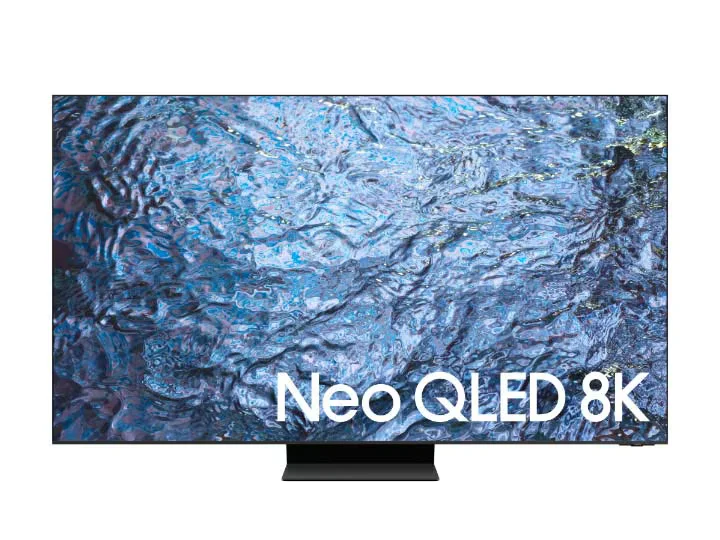
And is there any advantage when compared to OLED TVs?
As you might imagine, there’s no definite number on how long any TVs last.
On average, it is suggested that LCD screens should last around 40-60,000 hours.
This translates to roughly 4-6 years of constant usage.
Of course, this figure can range widely depending on a variety of factors.
Samsung, for example, claims that its LCD TVs should last for 70-100,000 hours.
That would translate to around 8-11 years of ownership.
How do they hold up compared to OLED?
Now let’s take a look at the comparison to OLED TVs.
Despite sounding similar, OLEDs operate very differently to LCDs.
There aren’t any LED backlights – instead, every pixel is self-illuminating,
This is what enables the incredible clarity and precise color and contrast.
The biggest issue that can arise from OLEDs is a phenomenon known as ‘burn-in.
This occurs when some pixels burn much quicker than others.
OLEDs try to counteract this with pixel shifting and brightness control.
But the threat can still be very real.

Plus, there is the fact that an OLED TV’s display will fade noticeably over time.
But which option is the right one for you?
Well, strictly speaking, an LCD is likely the much safer and more stable choice.
Unlike OLED TVs, LCD units are nowhere near as prone to ‘burn-in’.
They generally last much longer than their siblings.
It’s worth researching to work out which option is the best for you.