EV and hybrid cars need their tires replacing more often and this is why
Published on Jan 12, 2026 at 5:38 AM (UTC+4)
by Alessandro Renesis
Last updated on Jan 08, 2026 at 10:20 PM (UTC+4)
Edited by
Mason Jones

Electric vehicles come with well-known pros and cons, some of which are temporary, but others aren’t.
Range and charging times are temporary issues.
The absence of a V8 – to some people that’s a con – isn’t.
But there’s something else we don’t talk about enough: brakes and tires.
DISCOVER SBX CARS: The global premium car auction platform powered by Supercar Blondie
A well-known issue, but no one knows how to solve it
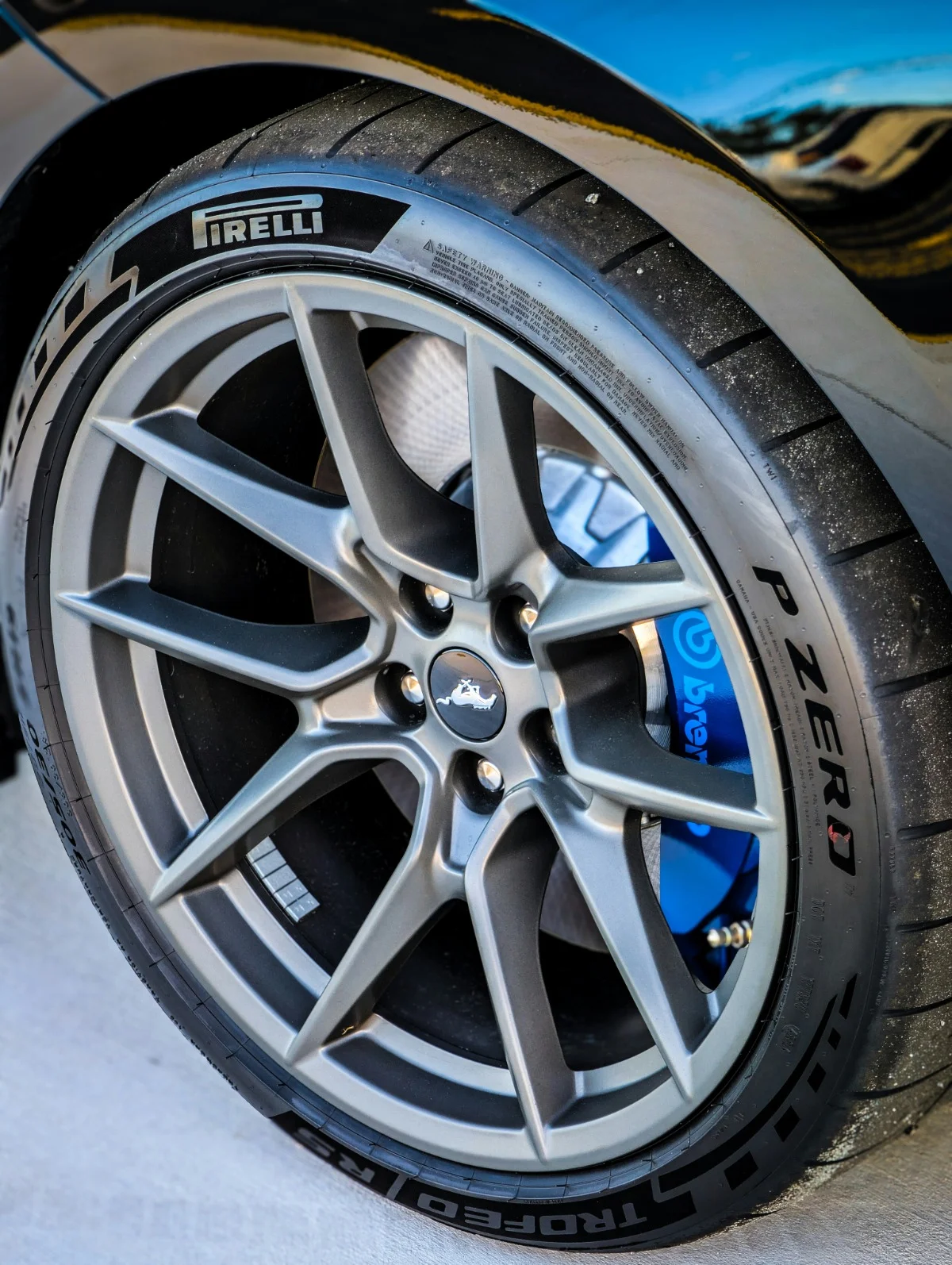
Electric and hybrid vehicles burn through tires at a faster rate, and brakes deteriorate faster as well.
These are two well-known issues – especially the tire problem – but there isn’t much that can be done.
The tire problem is particularly significant.
When it comes to brakes, using regenerative braking is a common workaround solution.
In theory, it is entirely possible to go from A to B with an EV without ever touching the brake pedal.
Literally not even once.
Most EVs allow you to regulate the intensity of regenerative braking and when you set it to the max, the car will automatically brake – hard – when you lift your foot from the throttle.
If you’re strategic about it, you can easily do what people call ‘one-pedal driving’.
These are two reasons why electric vehicles burn tires faster
There are two main reasons why EVs and hybrids devour tires.
First and foremost, weight.
EVs and hybrids are generally heavier than equivalent gas cars – sometimes by a huge margin.
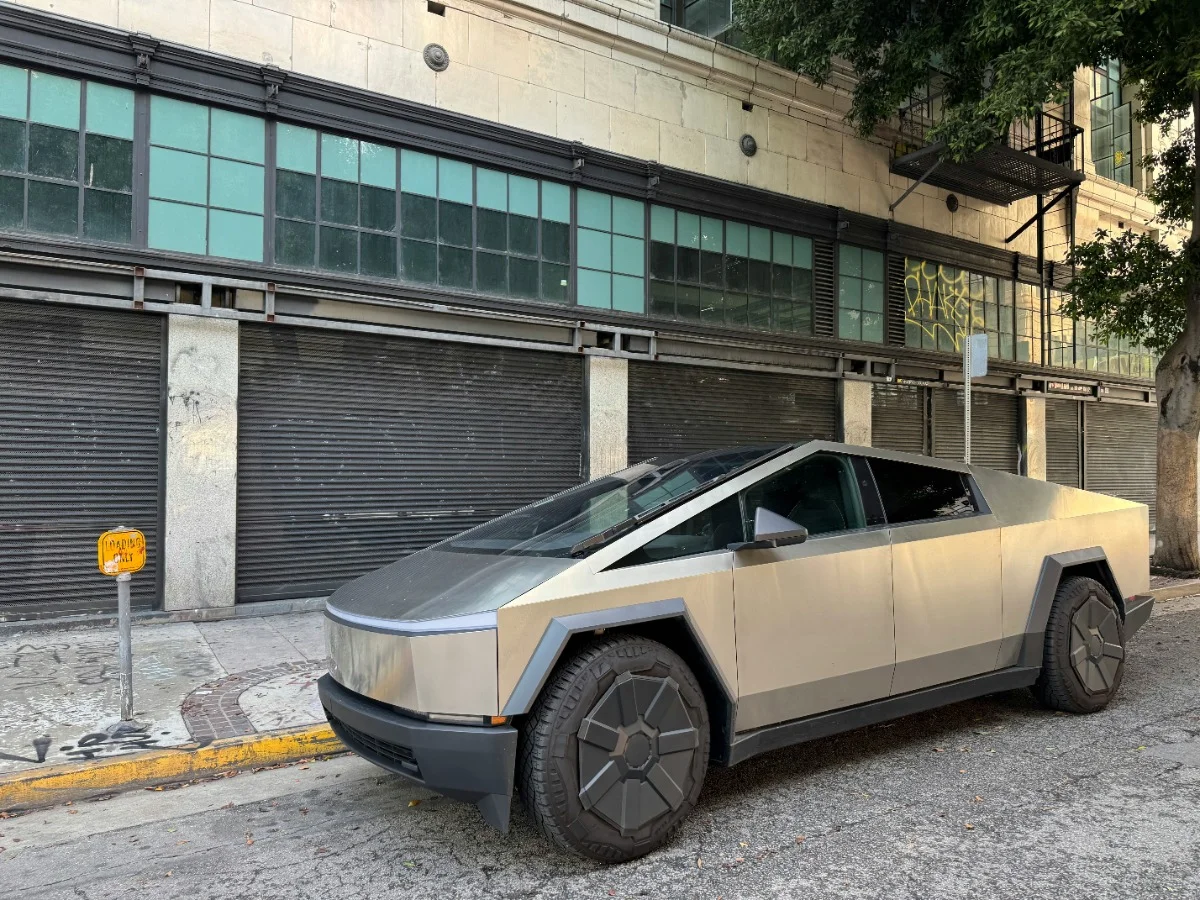
The Cybertruck, for example, weighs three tons.
Even smaller EVs are heavy.
The electric VW ID.3 is around 35 percent heavier than the Volkswagen Golf.
They’re roughly the same size, but the Golf weighs 1,260KG while the ID.3 weighs over 1,900KG.
The second problem has to do with the way electric cars and some hybrids deliver power and torque.
In a gas car, torque delivery is more gradual.
It’s a lot more sudden in an EV because of instant torque, and that kills the tires.
Solutions?
Manufacturers are developing lighter batteries and EV-specific tires, and that’s probably going to help.
But for now, the best thing we can do is simple: we can drive slower.
After beginning his automotive writing career at DriveTribe, Alessandro has been with Supercar Blondie since the launch of the website in 2022. In fact, he penned the very first article published on supercarblondie.com. He’s covered subjects from cars to aircraft, watches, and luxury yachts - and even crypto. He can largely be found heading up the site’s new-supercar and SBX coverage and being the first to bring our readers the news that they’re hungry for.