Elon Musk claims owning a Tesla Cybercab can make you $30,000 a year so Georgia woman investigates if this is really true
Published on Sep 15, 2026 at 5:13 AM (UTC-4)
by Alessandro Renesis
Last updated on Sep 16, 2026 at 5:41 AM (UTC-4)
Edited by
Mason Jones
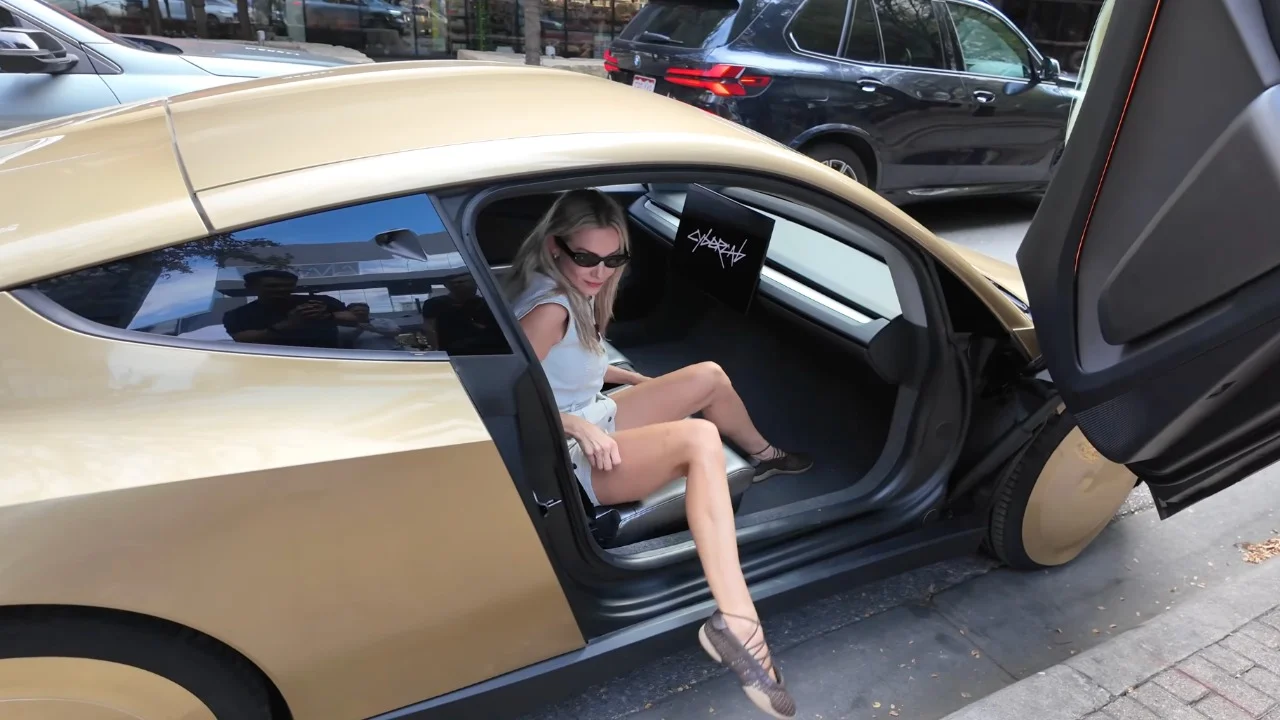

When the Tesla Cybercab was first unveiled, Elon Musk said this vehicle could generate around $30,000 per year for its owner.
This Georgia-based content creator was one of the few people who were able to test the Cybercab at a recent event in Texas.
And she wanted to find out more about the real-world implications of that statement.
Cybercab is finally here
Almost exactly two years ago, in October 2024, the Cybercab was unveiled for the first time at the We, Robot event at the Warner Bros studios in California.
Both tech and automotive content creators were invited, and reactions were mixed.
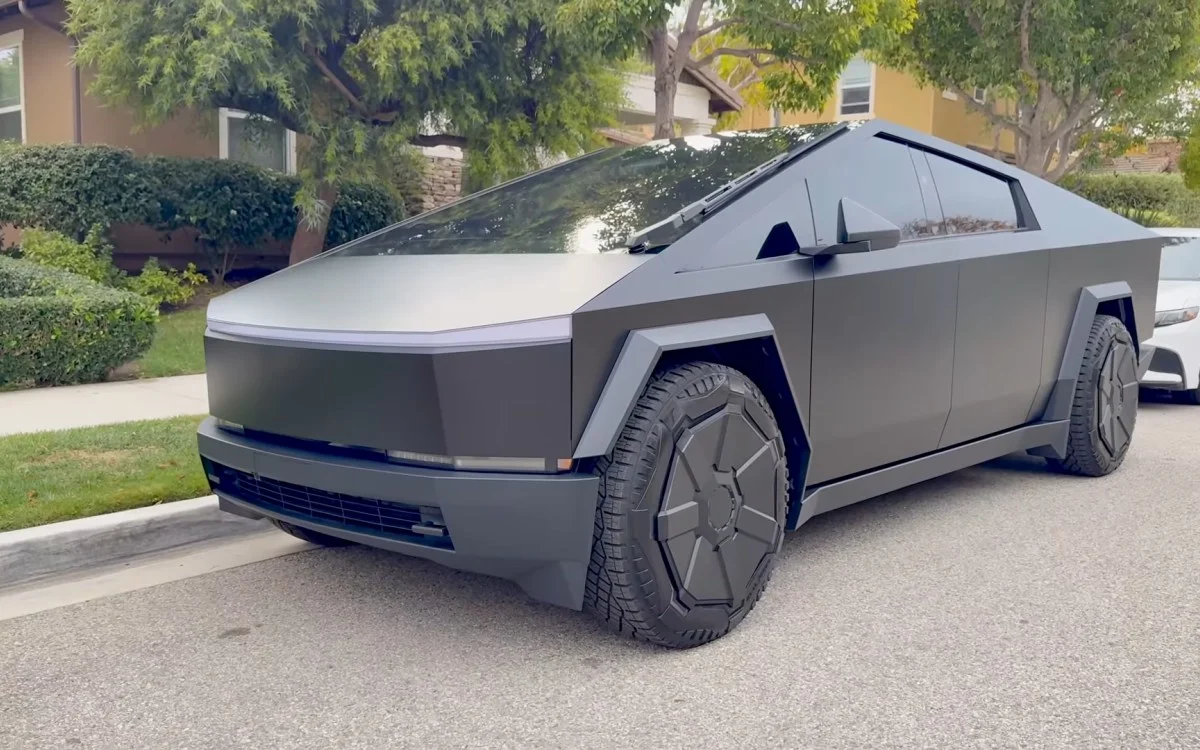
The consensus was something along the lines of: “This is great, but what’s the ETA?”
YouTuber Marques Brownlee even made a bet that he would shave his head if the Cybercab became available within the specified timeframe.
Which it didn’t.
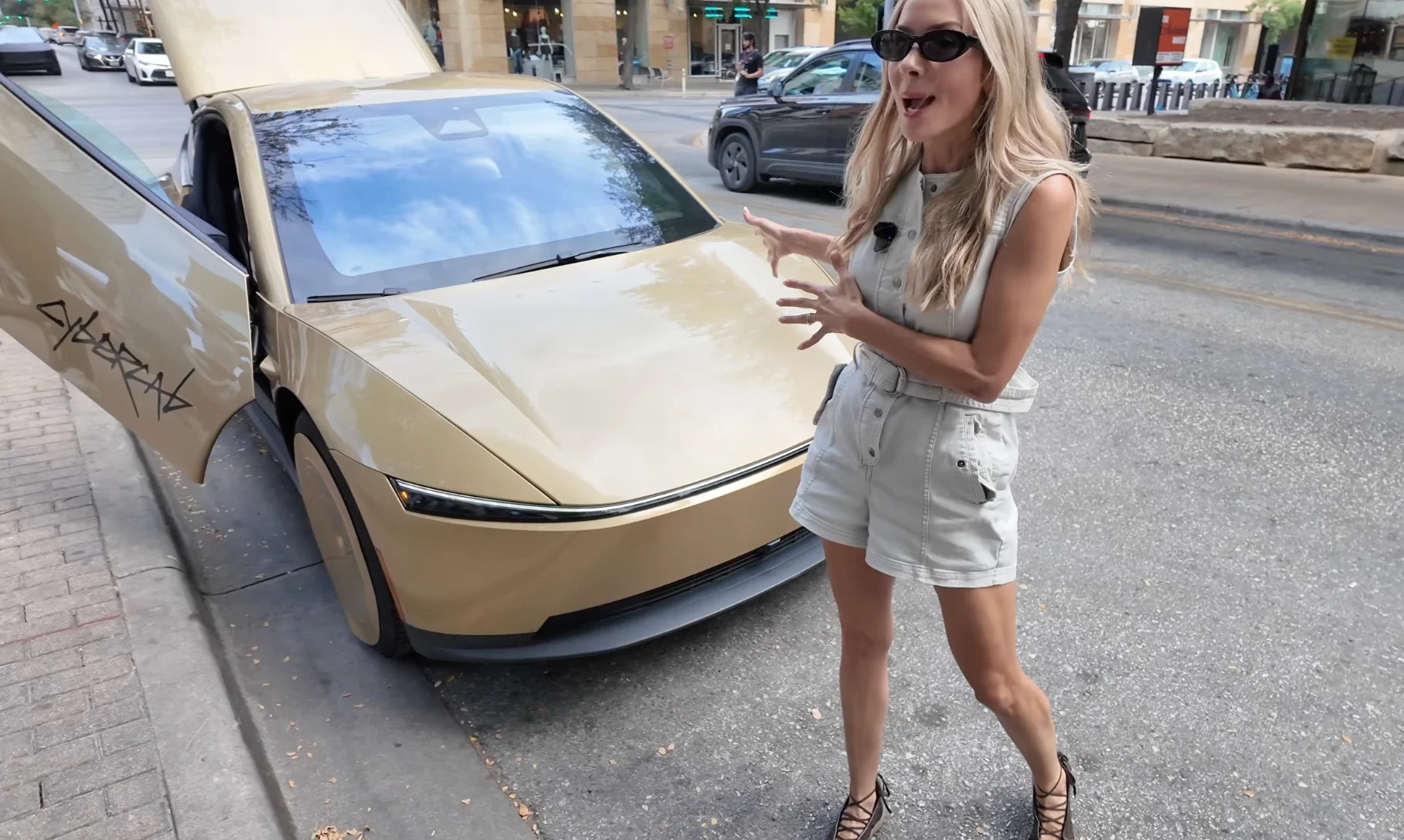
However, fast-forward to 2026, and the Tesla Cybercab is indeed finally here.
But with two caveats.
One, it is not a production car yet; and two, it’s now part of Tesla’s Robotaxi fleet, but only in Austin, Texas.
YouTuber Kim Java was one of the people invited to test it out, and she had something very important to say.
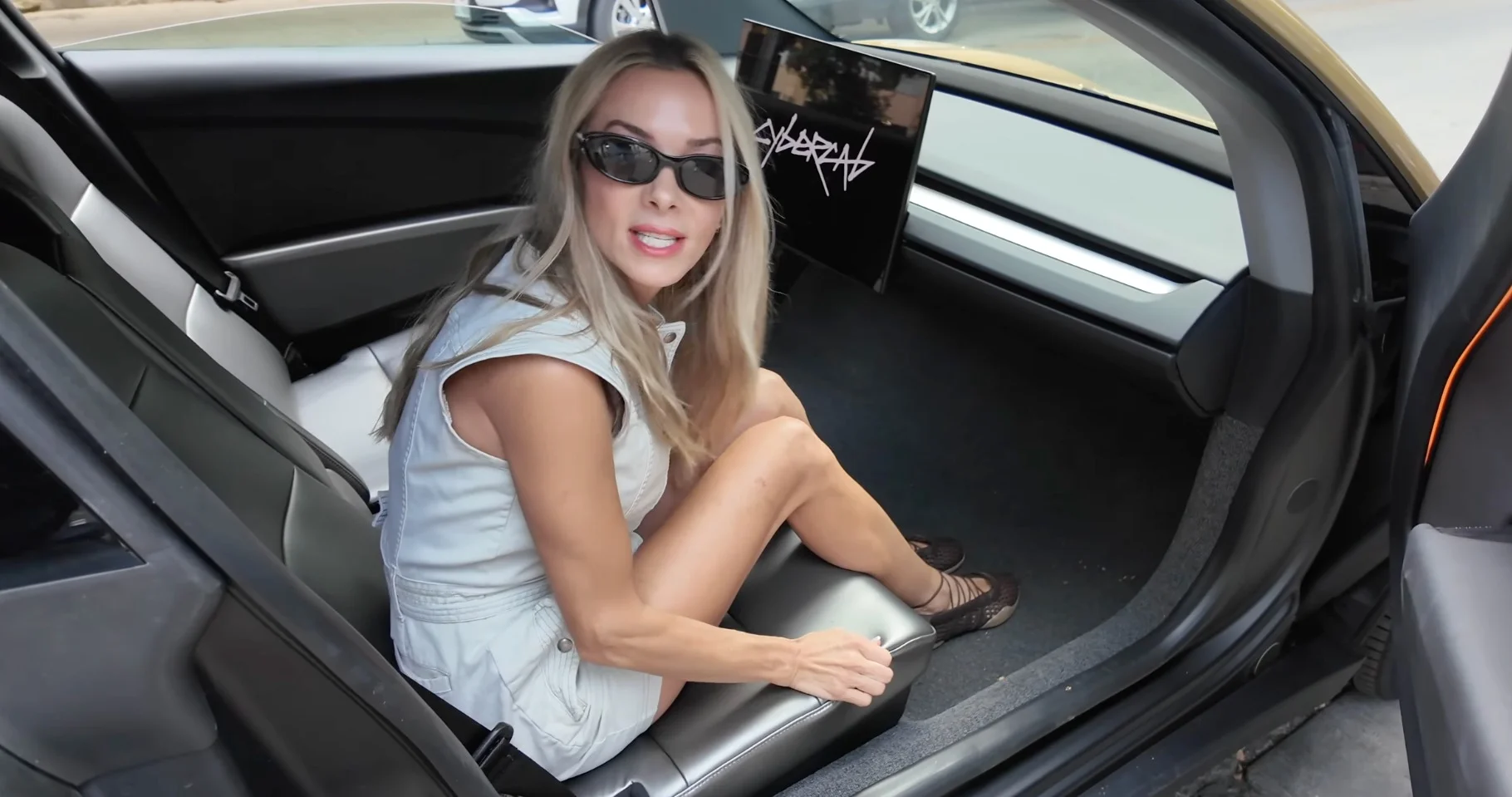
This Robotaxi could generate income, but…
The Cybercab is built specifically for autonomy, with no steering wheel and no pedals.
In theory, one day you’ll be able to buy one and use it as an Uber-like ride-hailing moneymaker.
And because you won’t have to be in it, the income will be fully passive.
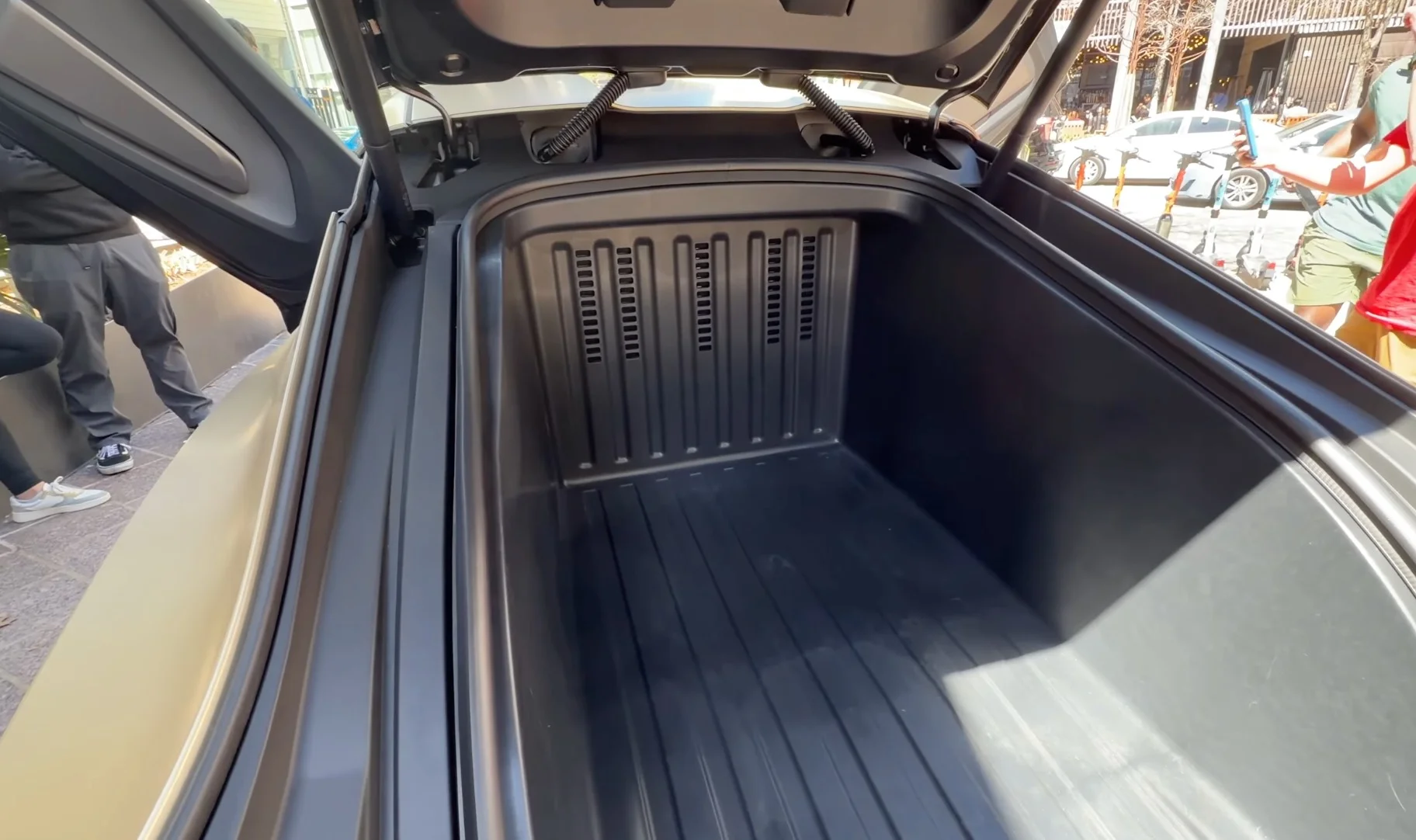
The $30,000 figure is based on a statement made by Elon Musk several years ago regarding the potential gross profit of a single Tesla Cybercab.
However, Kim noted that Tesla will likely take a percentage of the revenue, similar to an app store model.
Also, the vehicle still needs to be maintained, cleaned, charged, and so on.
Also also, the car won’t be generating revenue 100 percent of the time, as it must account for wait times between rides and time spent traveling to charging stations.
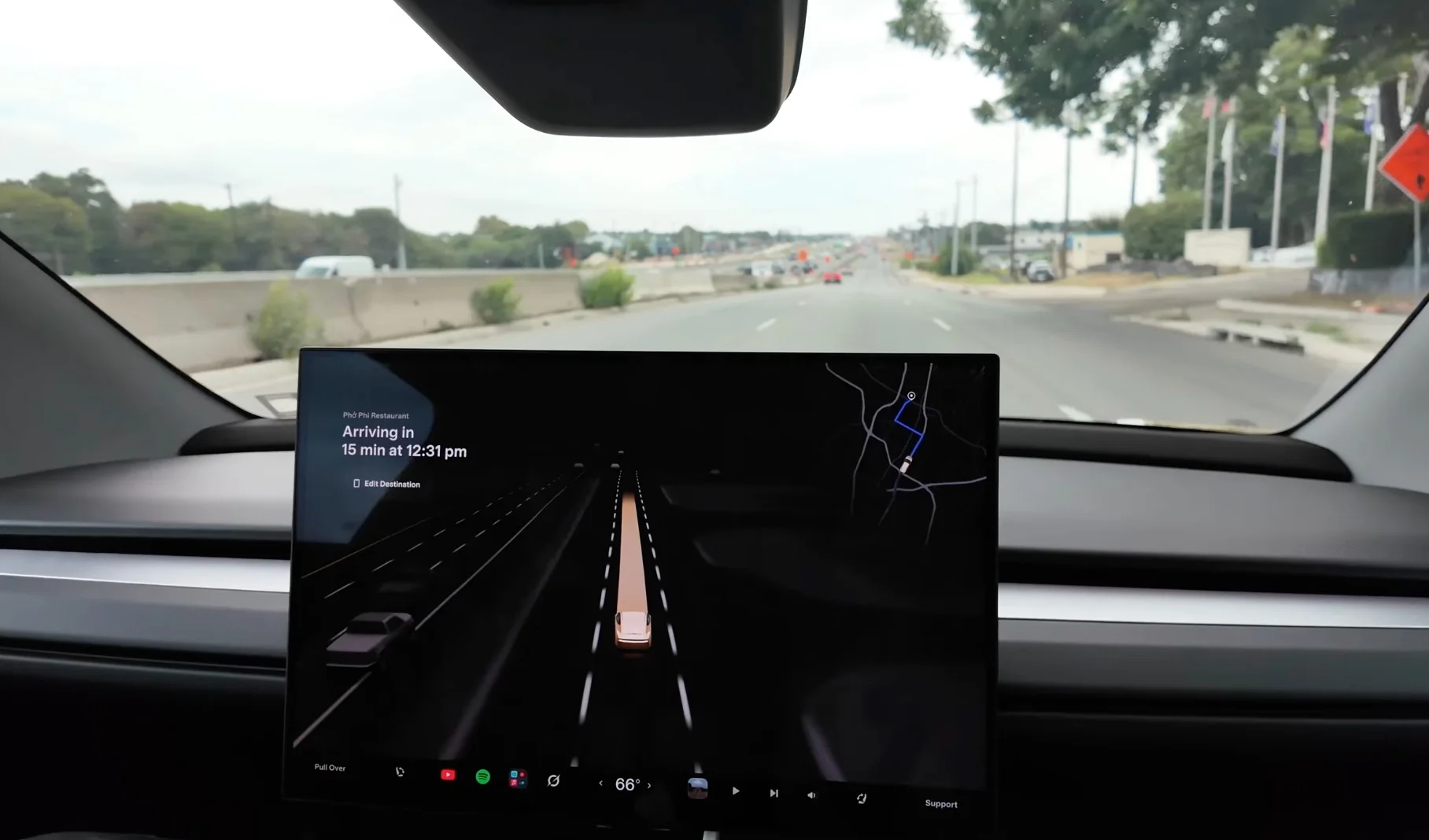
Kim pointed out that this is one of the biggest potential deal-breakers.
“I really need to see what the numbers look like on the back end. Like I want to know how long do the tires last? Like what’s involved with maintenance?” Kim said.

So is the $30,000 figure cited by Elon Musk possible? Yes.
Is it likely? There’s no way to find out until a full-fledged production-ready model is launched nationwide.
Alessandro is an automotive journalist with 10 years of experience covering supercars, automotive history, emerging vehicle technology, and luxury transportation. He wrote the first article published on SupercarBlondie.com when the website launched in 2022 and has since built a reputation for insightful reporting across the automotive and transportation industries. His expertise is grounded in hands-on experience. Alessandro has driven every Tesla model ever produced, from the original Roadster to the Cybertruck, and regularly covers the latest developments in electric vehicles and automotive innovation. His passion for transportation extends beyond cars, he has even flown a Boeing 787 Dreamliner simulator in Addis Ababa, Ethiopia. His reporting spans everything from classic American muscle cars and rare automotive discoveries to luxury yachts, private aircraft, high-end watches, and cutting-edge vehicle technology. Known for his deep knowledge of automotive history and ability to uncover the stories behind iconic vehicles, Alessandro brings readers a blend of historical context, technical expertise, and first-hand experience.