California woman compares a $500 jet ski to a $25,000 luxury one and delivers a very surprising verdict
Published on Jun 29, 2026 at 4:09 AM (UTC-4)
by Daisy Edwards
Last updated on Jun 29, 2026 at 4:09 AM (UTC-4)
Edited by
Mason Jones
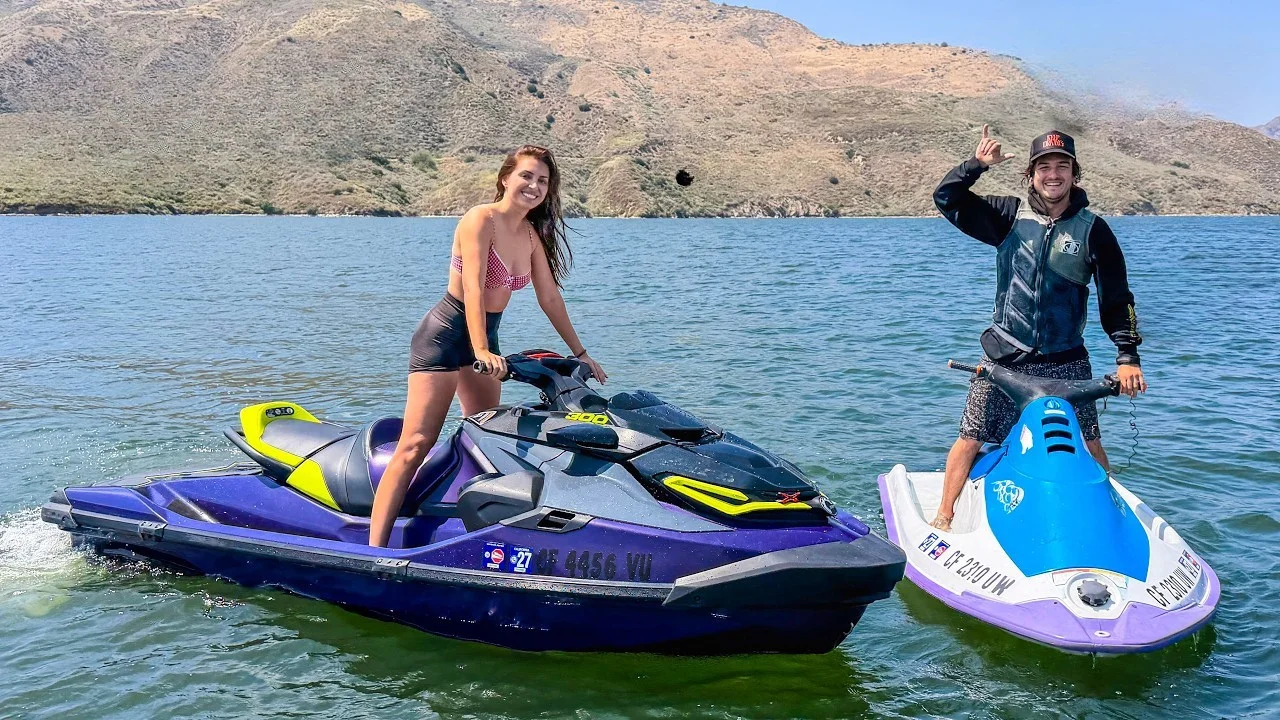

In a new video from Emelia Hartford, where a bargain marketplace find went head-to-head with a modern high-performance watercraft, she decided to compare a $500 jet ski to a $25,000 luxury one.
The challenge saw a worn 1997 Polaris SL 700 two-stroke jet ski, bought for just $500, tested against a heavily modified Sea-Doo worth around $25,000.
On paper, the difference in price and performance suggested an obvious outcome, but things did not go as expected once both machines hit the water.
What started as a simple budget-vs-luxury experiment quickly turned into a conclusion that money can’t buy you fun.
A $500 jet ski vs a $25,000 luxury machine on the water
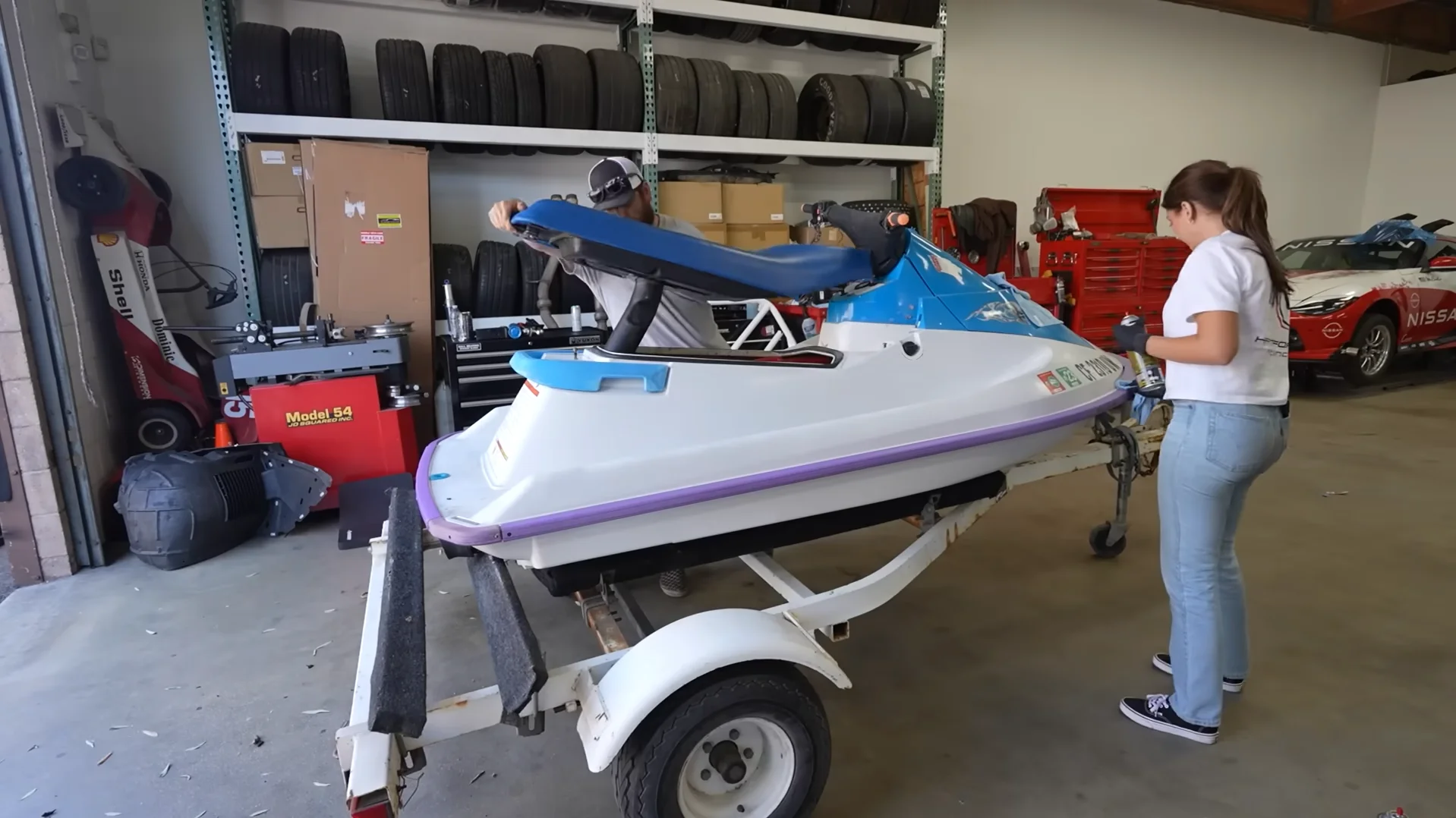
YouTuber Emelia Hartford took a break from reviewing cars and picked up a budget jet ski from Facebook Marketplace, where it was listed as rough but running, not anything like the luxury of a modern one.
The 1997 Polaris SL 700 was powered by a 700cc two-stroke engine and when it arrived, you could tell it’s a 90s kid.
The machine showed its age immediately, with worn components, a sticky throttle cable, and makeshift fixes that hinted at decades of use.
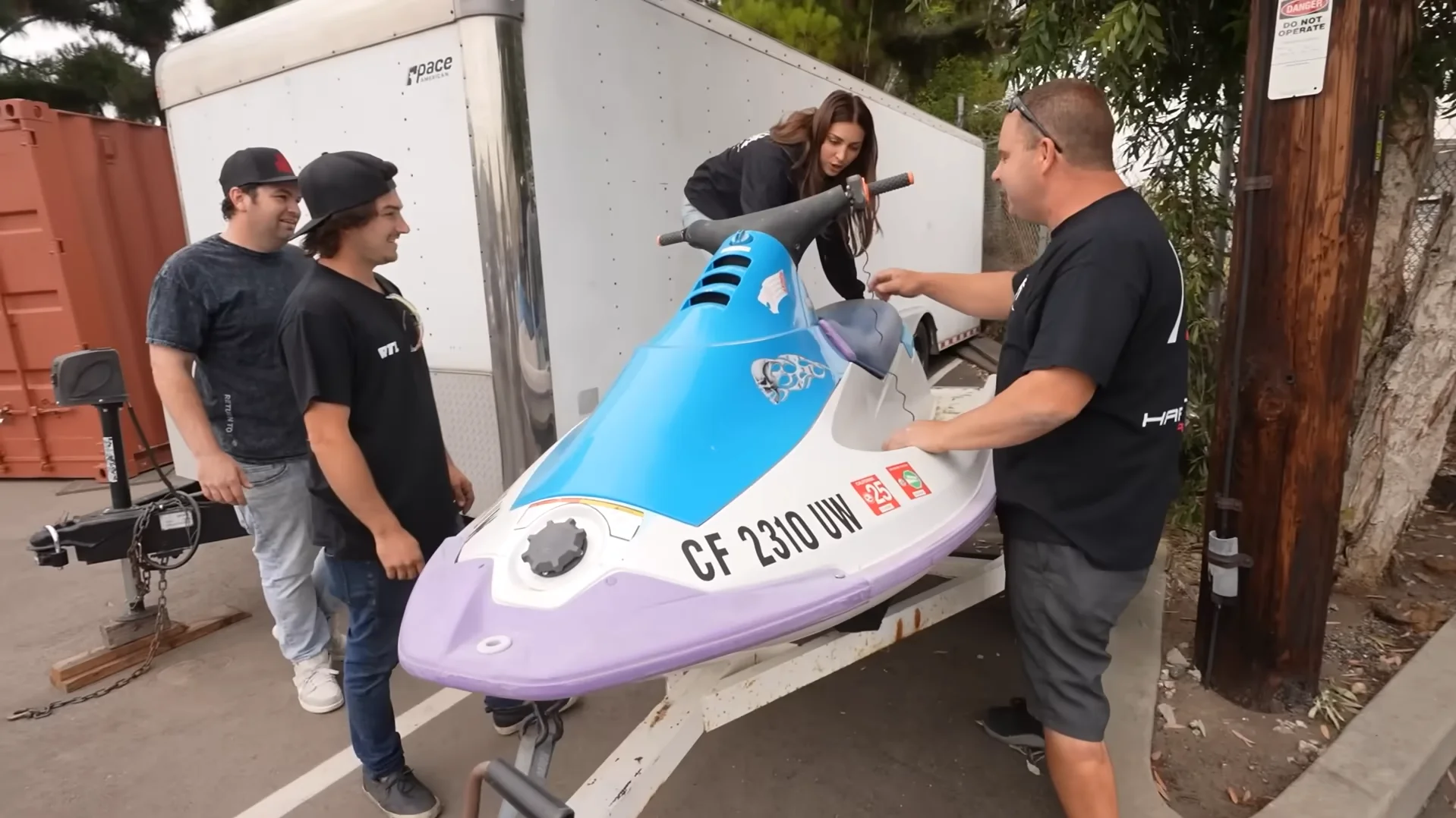
Still, after some basic cleaning, fuel mixing, and mechanical checks, the old jet ski fired up and surprisingly held its own.
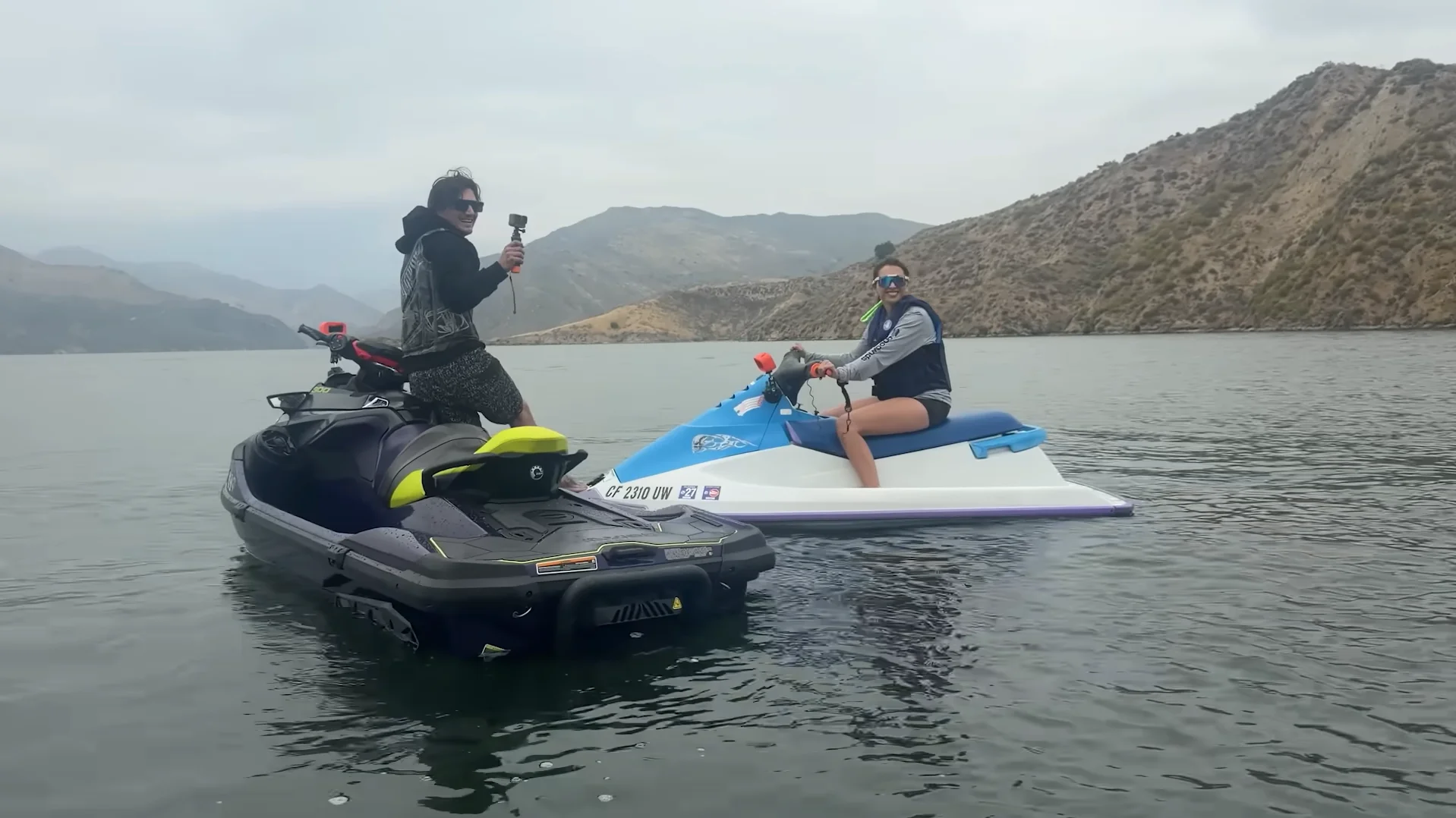
The team then headed to the lake alongside a modern Sea-Doo Rotax-powered machine.
The Sea-Doo brought supercharged power, advanced engineering, and a top speed that far exceeded anything the Polaris was designed to handle.
The surprising verdict
Once both jet skis were in the water, the performance gap became clear in raw speed and acceleration, with the luxury Sea-Doo pulling ahead effortlessly.
However, the $500 Polaris shocked everyone by reaching around 46mph during testing and even winning a friendly speed bet along the way.
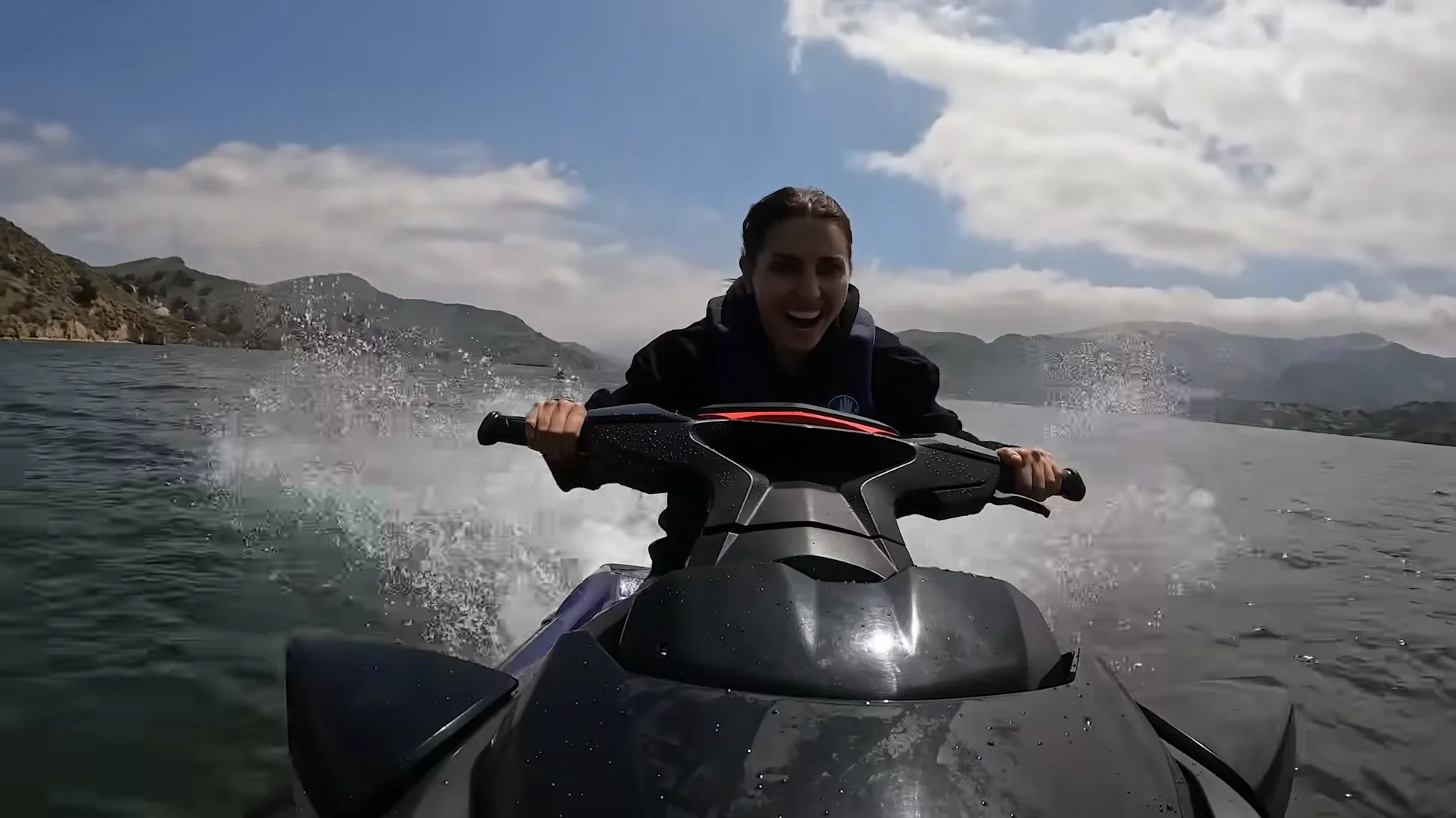
Despite its age and mechanical quirks, it proved far more capable than expected, especially after clearing out and running more smoothly at higher speeds.
The Sea-Doo dominated in outright performance, but the real surprise came from how each machine felt to ride.
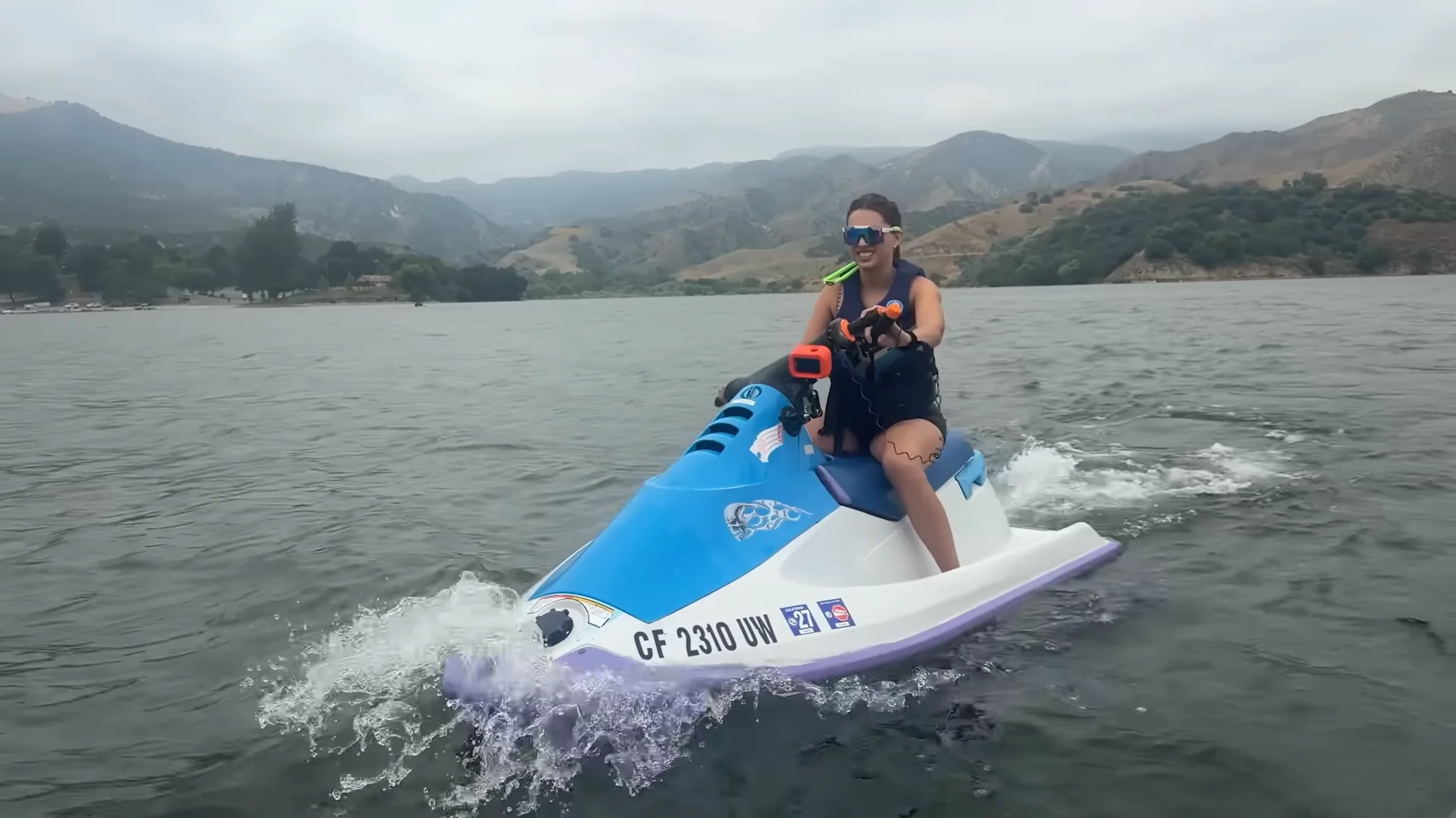
While the expensive jet ski delivered extreme speed and precision, the cheap two-stroke proved more playful, forgiving, and engaging for tricks and casual riding.

In the end, Emelia Hartford’s crew leaned toward an unexpected conclusion: the luxury model was faster, but the budget jet ski was arguably more fun where it mattered most.
Daisy is a technology and automotive journalist covering artificial intelligence, consumer tech, Apple news, cryptocurrency, emerging technologies, and transportation innovation. Since joining the team in 2025, she has reported on everything from AI-powered startups and major iOS updates to viral car stories and the latest developments shaping transportation and the digital economy. Drawing on her background in automotive journalism and a degree in History and Journalism from Goldsmiths, University of London, Daisy specializes in breaking down complex topics into clear, engaging reporting for a global audience. Her work spans cutting-edge technology, innovative vehicles, and the people driving change across both industries. Daisy has gained first-hand access to some of the world's most talked-about technologies and innovators, including meeting Tesla's Optimus humanoid robot during its first European appearance in London. She has also discussed the future of space exploration with an astronaut, bringing unique insights and real-world perspectives to her coverage of emerging technology.