British jet designed so impeccably it could even exceed the speed of sound in a vertical climb
Published on Feb 11, 2026 at 2:49 AM (UTC+4)
by Claire Reid
Last updated on Feb 11, 2026 at 1:46 PM (UTC+4)
Edited by
Kate Bain
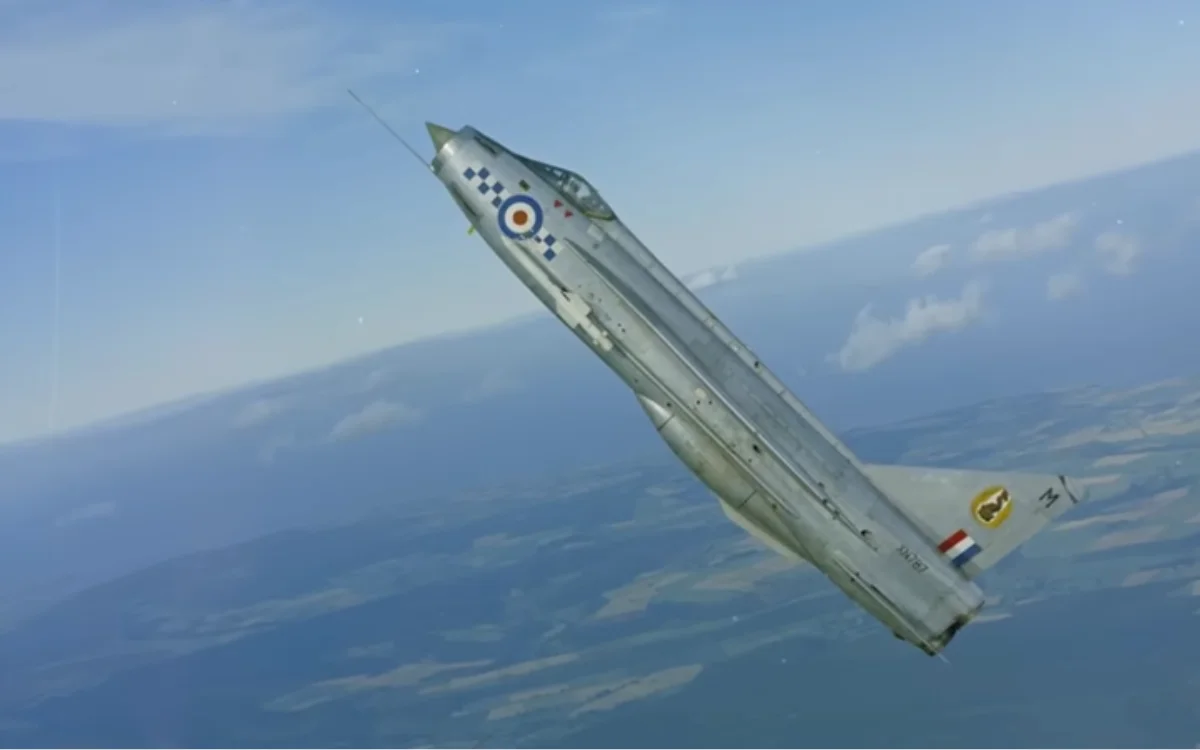

In the 1950s, British engineers developed the English Electric Lightning jet, which could travel at more than Mach 2 and was able to exceed the speed of sound during a vertical climb.
The fighter jet was built by English Electric and was used in the Royal Air Force from the 1960s to the 1980s.
It was designed to be the RAF’s entry into the new supersonic age of flight.
The jet had an extreme power-to-weight ratio, which meant it could stand on its tail and hit mind-boggling speeds on a vertical climb.
DISCOVER SBX CARS – The global premium auction platform powered by Supercar Blondie
Pilots who have flown the jet said it was like ‘being saddled to a skyrocket’ during a vertical climb
The English Electric Lightning was built using world-leading, cutting-edge technology.
The Lightning was powered by two Rolls-Royce Avon 301R afterburning turbojets.
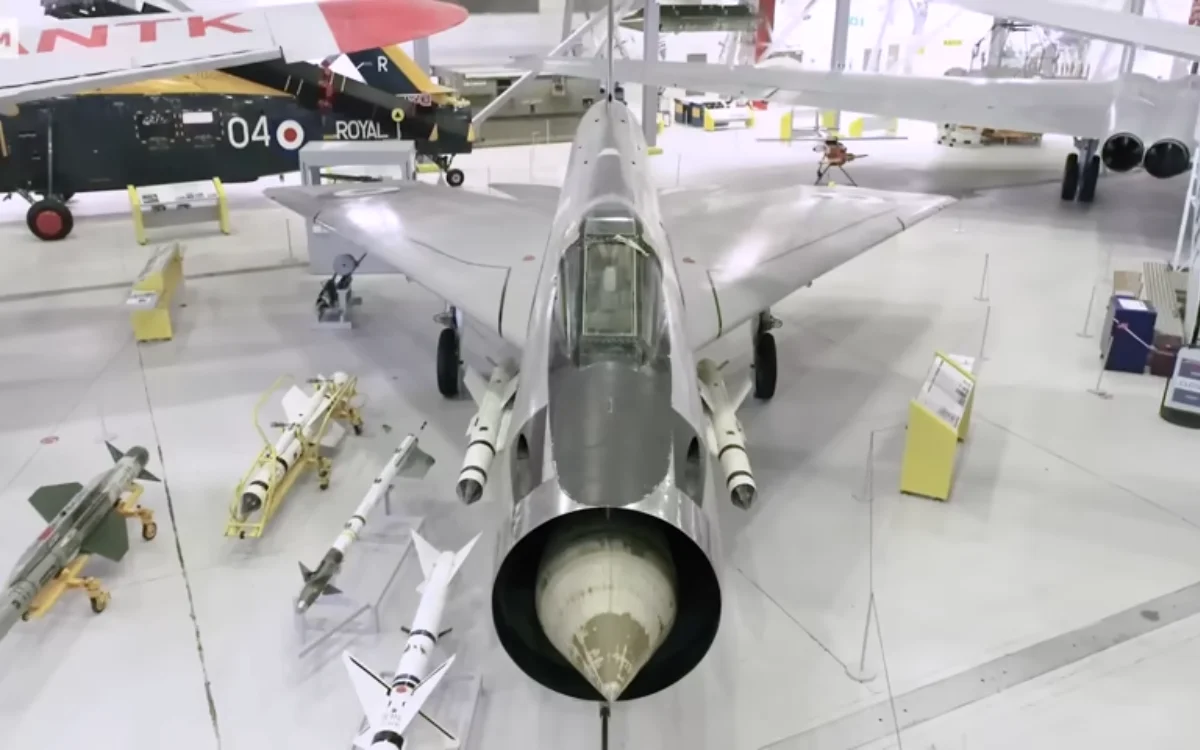
Each engine could produce up to 16,360 pounds with the afterburner engaged.
The powerful engine meant that even during its prototype phase, the Lightning broke the sound barrier.
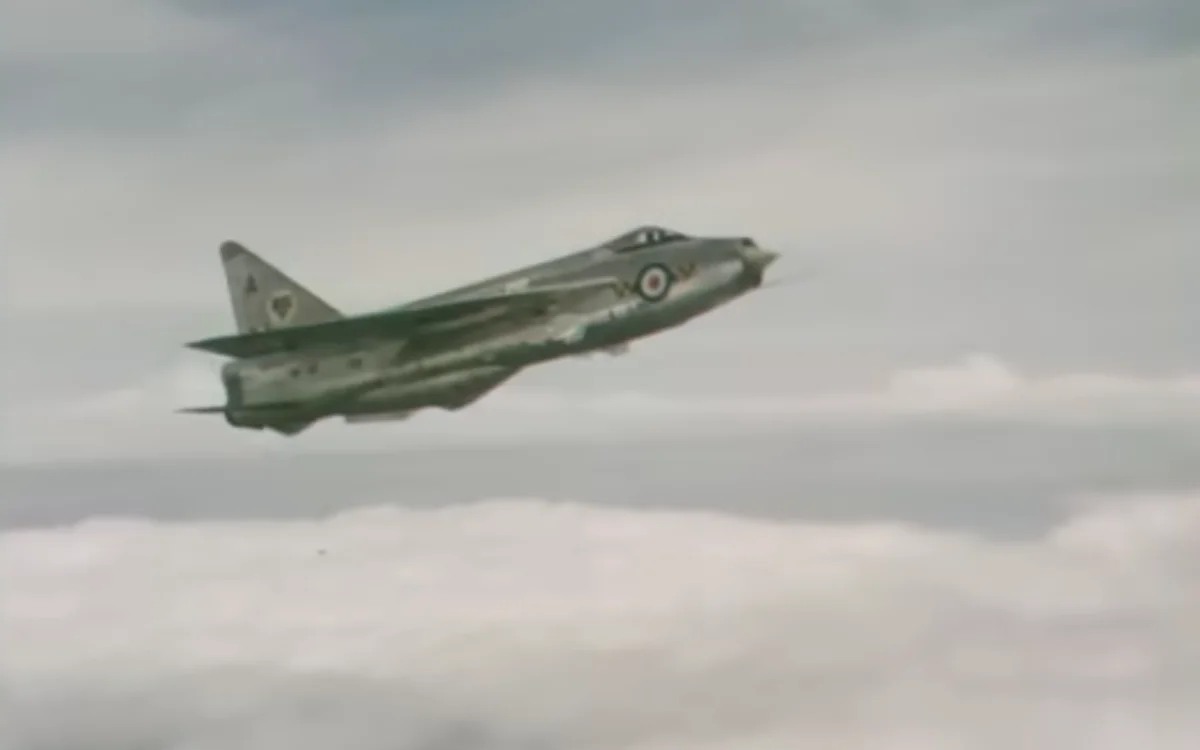
And by the time the jet was finished, it had a top speed above Mach 2, making it faster than Concorde.
But its top speed wasn’t its only impressive feature.
The jet was engineered with an incredible power-to-weight ratio that meant it could exceed the speed of sound even during a vertical climb.
The aircraft had a climb rate of around 20,000 feet per minute, with an operational ceiling of up to 60,000 feet.
In fact, its speed was so great that pilots who got into the cockpit of the single-seater jet said it was like ‘being saddled to a skyrocket’ while another jokingly called it the ‘aluminum death tube’. Gulp.
Click the star icon next to supercarblondie.com in Google Search to stay ahead of the curve on the latest and greatest supercars, hypercars, and ground-breaking technology
One engineer accidentally took off in an English Electric Lighting without a helmet or radio
Back in 1966, a RAF engineer with no supersonic flight experience ended up feeling the power of the English Electric Lightning for himself, completely by accident and without a helmet, radio, or ejector seat.
Walter Holden, known as Taffy, was asked to take a look at the English Electric Lightning XM135 and was told to carry out some ground tests, which involved putting the plane into take-off mode, performing a short run, and then cutting off the engine.
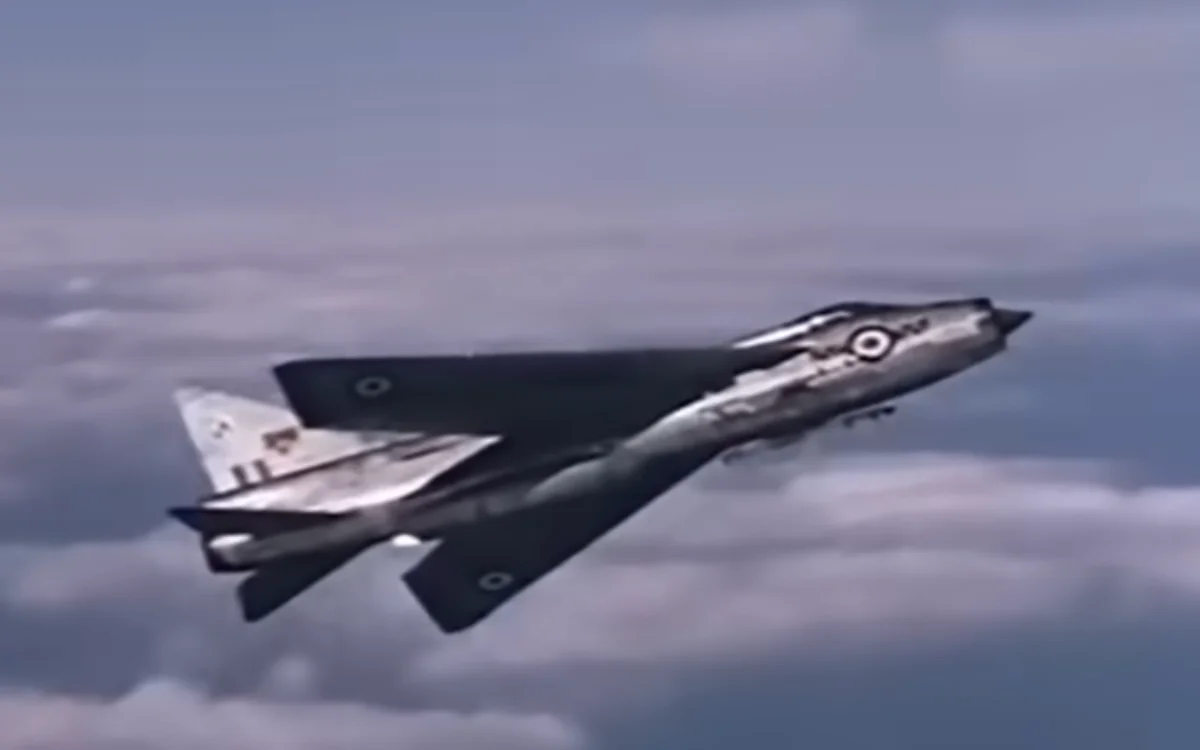
However, after a couple of successful tests, he accidentally engaged the afterburner of the jet, which sent it hurtling off at speed towards a nearby village.
So, Taffy was forced to make the split second descion to take off.
Making an already stressful situation a whole lot worse, as the plane wasn’t ever supposed to take off, poor Taffy didn’t have a helmet, canopy, or radio, and the ejector seat had been disabled.
Somewhat incredibly, after three attempts, the engineer was safely able to land the plane.
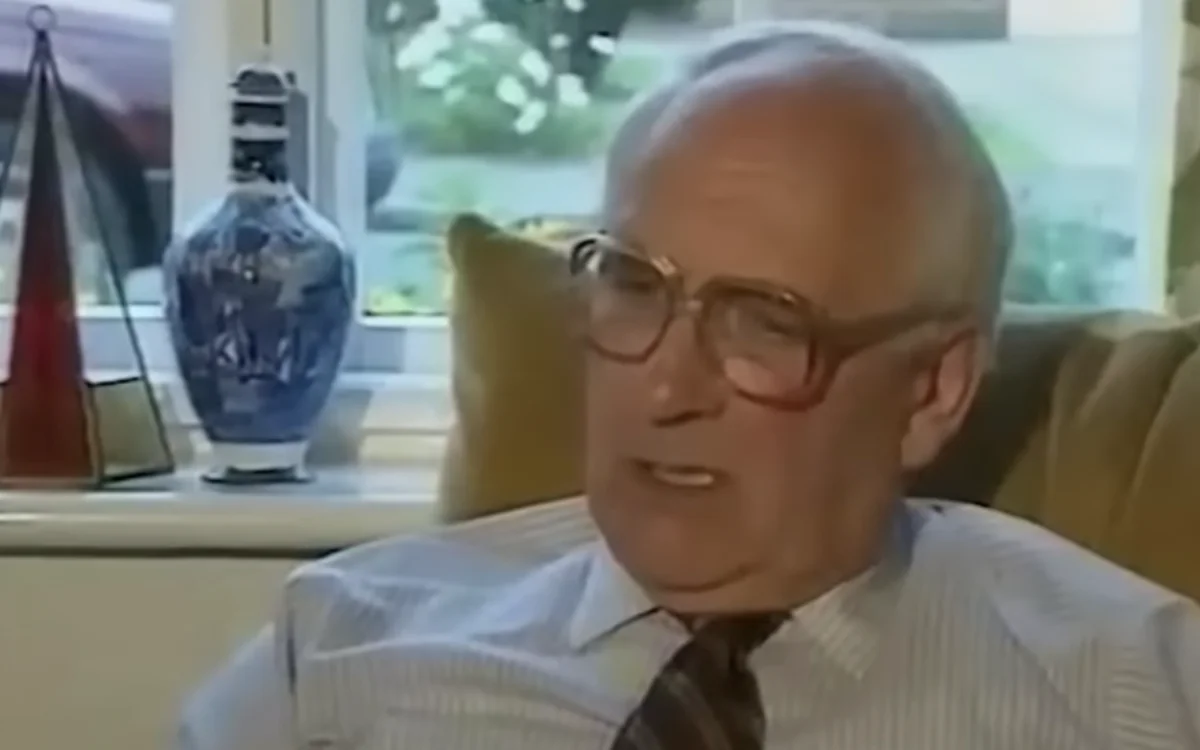
Following the incident, Taffy, who sadly passed away in 2016, became quite the celebrity.
And as for the plane? It was placed on display in the Imperial War Museum Duxford, where it remains to this day.
DISCOVER SBX CARS: The global premium car auction platform powered by Supercar Blondie
With a background in both local and national press in the UK, Claire has covered a range of topics, including technology, gaming, and cryptocurrency, since joining the editorial team at Supercar Blondie in May 2024. Her ability to be first to a story has been integral to making SB’s coverage of scientific discovery, AI, and global tech news a slick 24/7 operation.