Man does the math on how much time you spend filling up a car with gas compared to charging an EV and comes to a shocking conclusion
Published on Sep 01, 2026 at 9:57 PM (UTC-4)
by Ben Thompson
Last updated on Sep 01, 2026 at 9:57 PM (UTC-4)
Edited by
Mason Jones
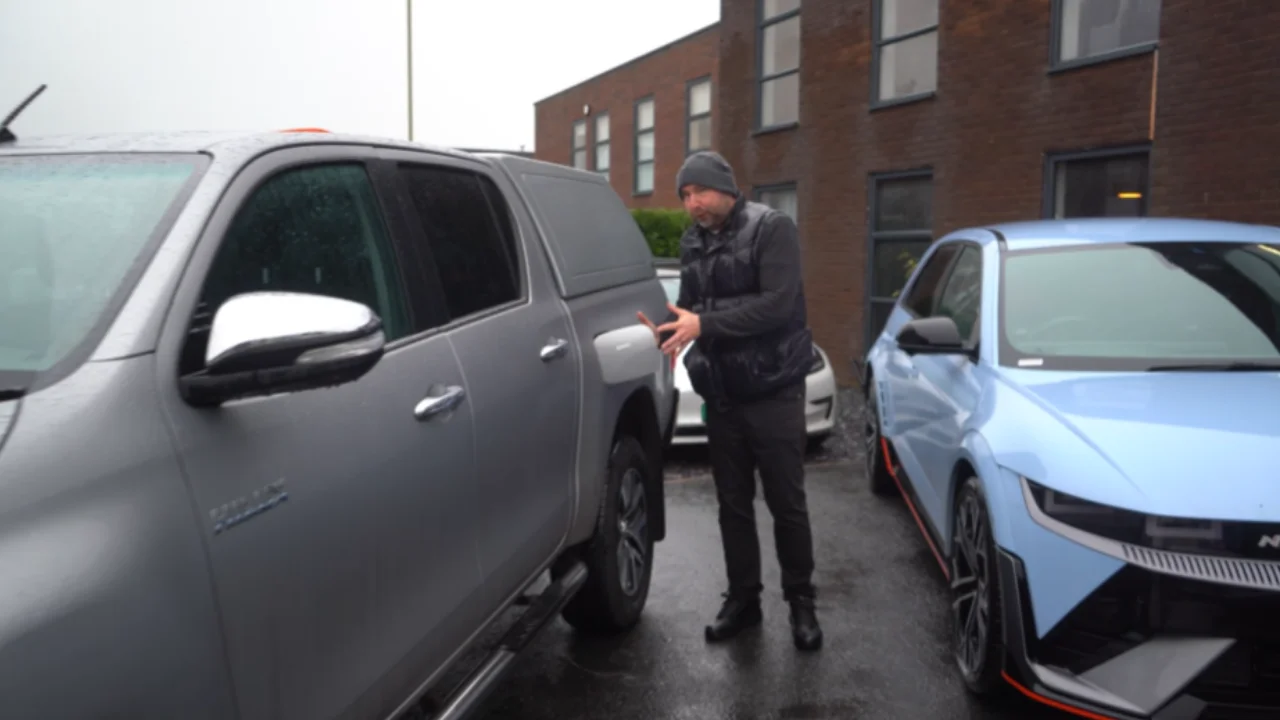

Have your calculator at the ready; this man has run the numbers and discovered how much time you spend filling up a car with gas compared to charging an EV.
It’s something that all drivers making the switch from ICE vehicles to EVs will have to weigh up.
After all, very few people would make such a big transition if it meant spending significantly more time waiting in their day-to-day lives.
So when you do the math, how do EVs and their gas counterparts compare?
There’s seemingly no end to the EV versus gas cars comparison
As EVs grow in popularity, there’s a whole array of people on hand to compare them to the gas cars that came before.
One study found that electric car owners were replacing their cars at a much faster rate of every three years, compared to every 12 for ICE drivers.
Another revealed that EVs were still cheaper than gas cars, even when drivers opted for public chargers over home charging.
So it’s safe to say that virtually every facet of these cars has been subject to scrutiny.
And it’s only fair – after all, people are investing a lot of money into their cars, and they’d like to know that it’s money well spent.
So when electric car specialist R Symons, who runs the RSymons RSEV YouTube channel, ran some tests on EVs, they came to an interesting conclusion.
Related
Which takes longer – charging an EV or filling up with gas?
Having owned both a gas car and an electric car, this YouTuber had experience fueling up both.
But he wanted to run a test to see which took longer, so he would time real gas station refuels, do something similar with EV plug-in/unplug times, and then scale the numbers to 10,000 miles to see which was more efficient.

Now, it doesn’t take a genius to figure out that filling up on gas is quicker at face value.
A gas car fill-up takes around four minutes, compared to 20 to 30 for charging an EV.
But that wasn’t what this car expert wanted to assess – he was looking to see how much time was ‘wasted’ during refueling.
He figured out that the fuel pumping rate was around 0.5 liters per second.
So for a 30 miles per gallon car over 10,000 miles, that’d come out at around 50 minutes at the pump.
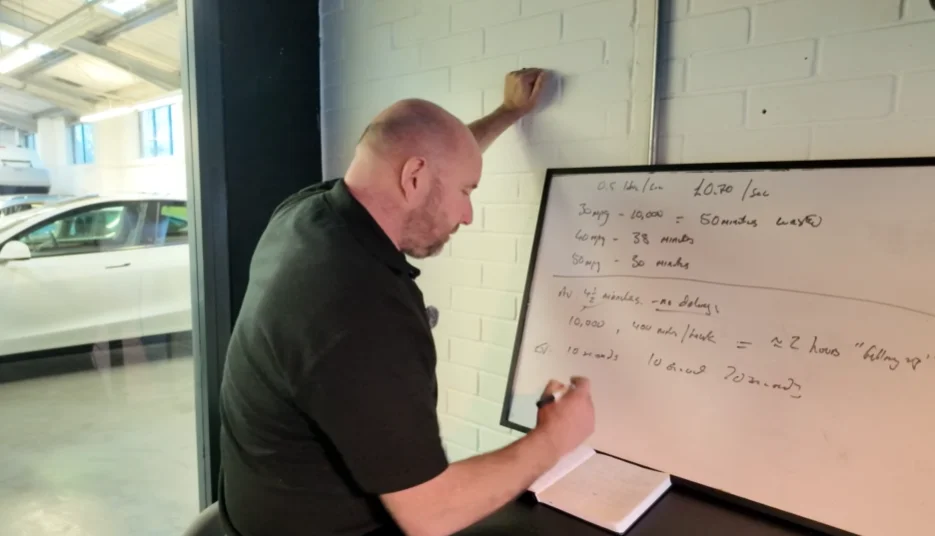
He also estimated that the average time spent paying for fuel came in at around 4 minutes 26 seconds.
How did EVs compare?
Given that charging an EV can take place at home, most of the time spent charging isn’t ‘active time’, as people often sleep through it.
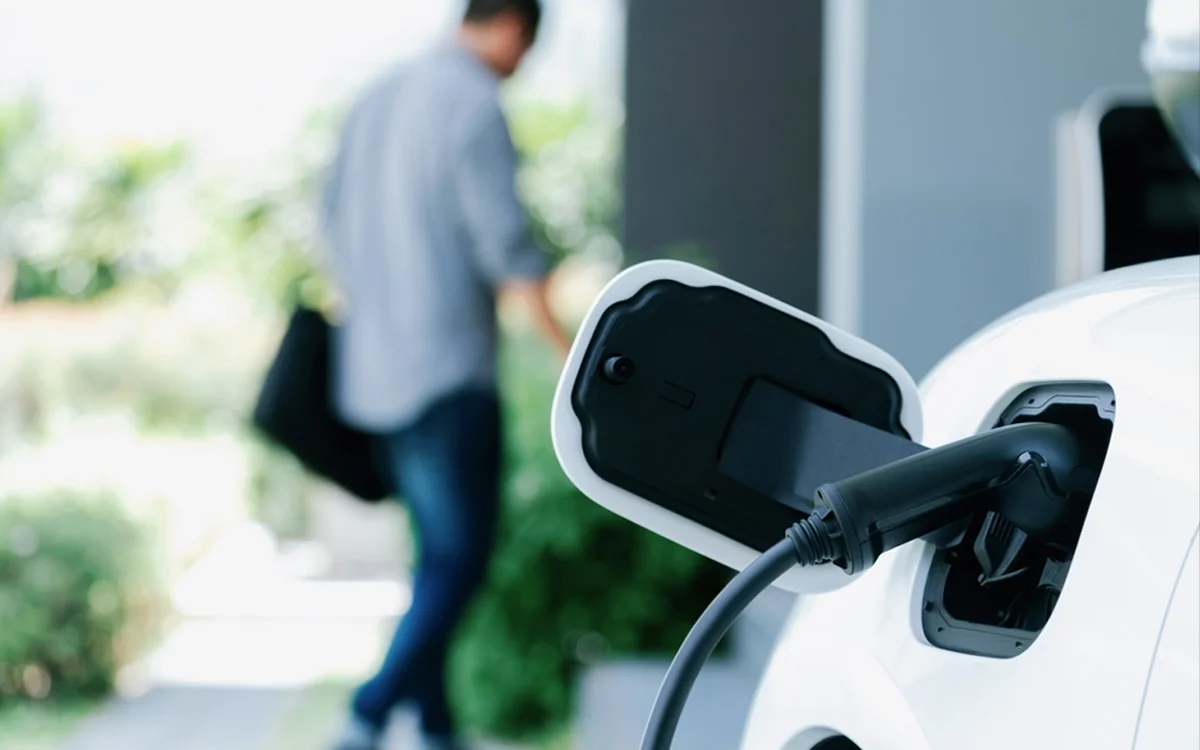
He went on to say that it takes about 10 seconds to plug in or unplug an electric vehicle with about 200 miles per charge session, so drivers will spend around 16.5 minutes of active minutes for every 10,000 miles.

“The EV wins, doesn’t it? Absolutely, it does,” he said.
“Because you’re going to save one and three-quarters of your life every 10,000 miles.”
So it’s not as straightforward as one might initially assume.
While on paper gas cars don’t take as long to fuel up, EVs allow for more time for the drivers to go off and do something else – whether that be grabbing a coffee or heading to the bathroom.
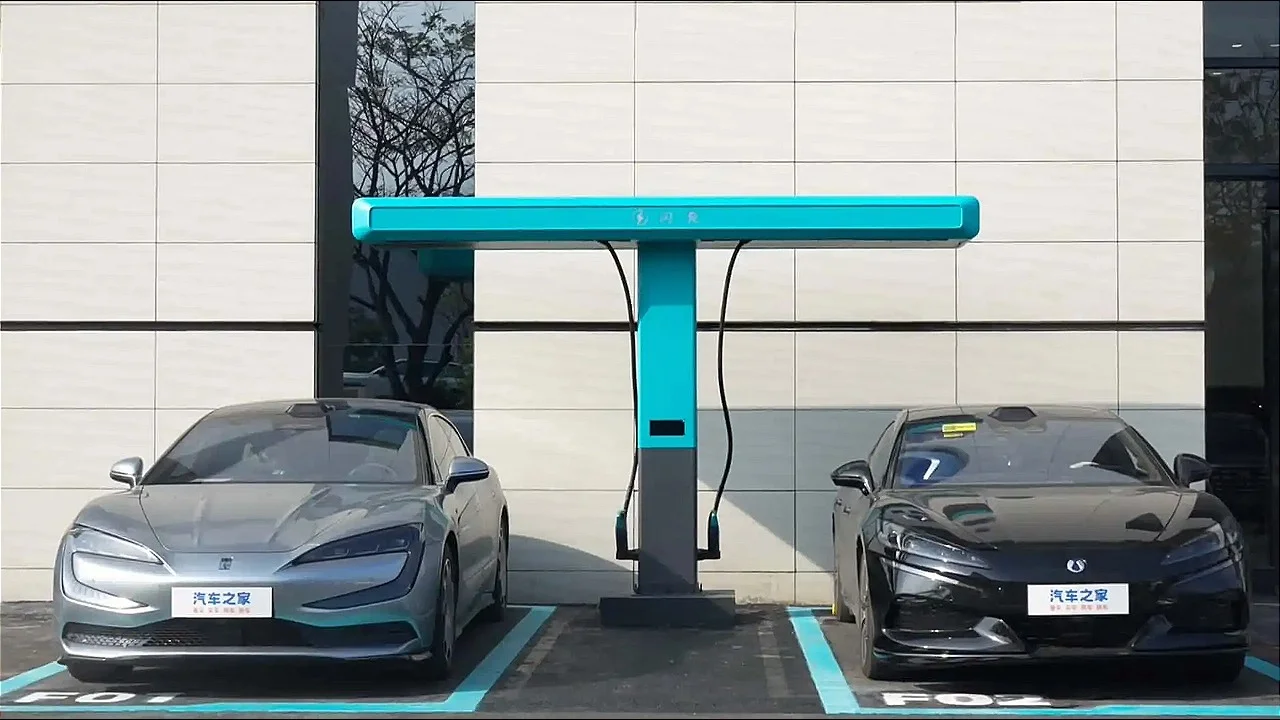
And that’s before we even throw BYD Flash Chargers into the mix.
Touted as the five-minute electric charging stations, they’ve been making quite the splash in the automotive world.
The active charging comparison basically falls apart with their inclusion, as they don’t require much more active refueling time than gas cars.
Consider this another feather in the cap of the EV industry.
Ben joined Supercar Blondie in February 2025 after being published by international organizations including LADbible, The Sun, the New York Post, and the Daily Mail. He covers supercars, rare and collectible vehicles, aviation, luxury assets, and the fascinating people behind them. His reporting has explored everything from seven-figure supercars and historic Ferrari collections to unusual aircraft adventures and extraordinary automotive discoveries from around the world. Ben has also gained first-hand insight into vehicle craftsmanship and customization, including visiting specialist workshops to see bespoke vehicles up close.