Ex-Tesla president reveals the Model X crisis that forced Elon Musk to sleep on the factory floor
Published on Dec 05, 2025 at 10:09 AM (UTC+4)
by Jason Fan
Last updated on Dec 05, 2025 at 10:09 AM (UTC+4)
Edited by
Jason Fan
Elon Musk may be the richest man in the world, but according to ex-Tesla president Jon McNeill, both men had to sleep on the floor during a Model X crisis.
Speaking on a recent podcast, McNeill described the turbulent months when Tesla struggled to get the SUV’s complex Falcon Wing doors to work reliably.
What looked like a stunning engineering flex from the outside had become a logistical nightmare on the inside.
And the pressure was so intense, McNeill says, that he, Musk, and a cross-functional team literally camped out in the factory for weeks at a time.
SBX CARS – View live supercar auctions powered by Supercar Blondie
Elon Musk stayed in the factory with the team on countless nights
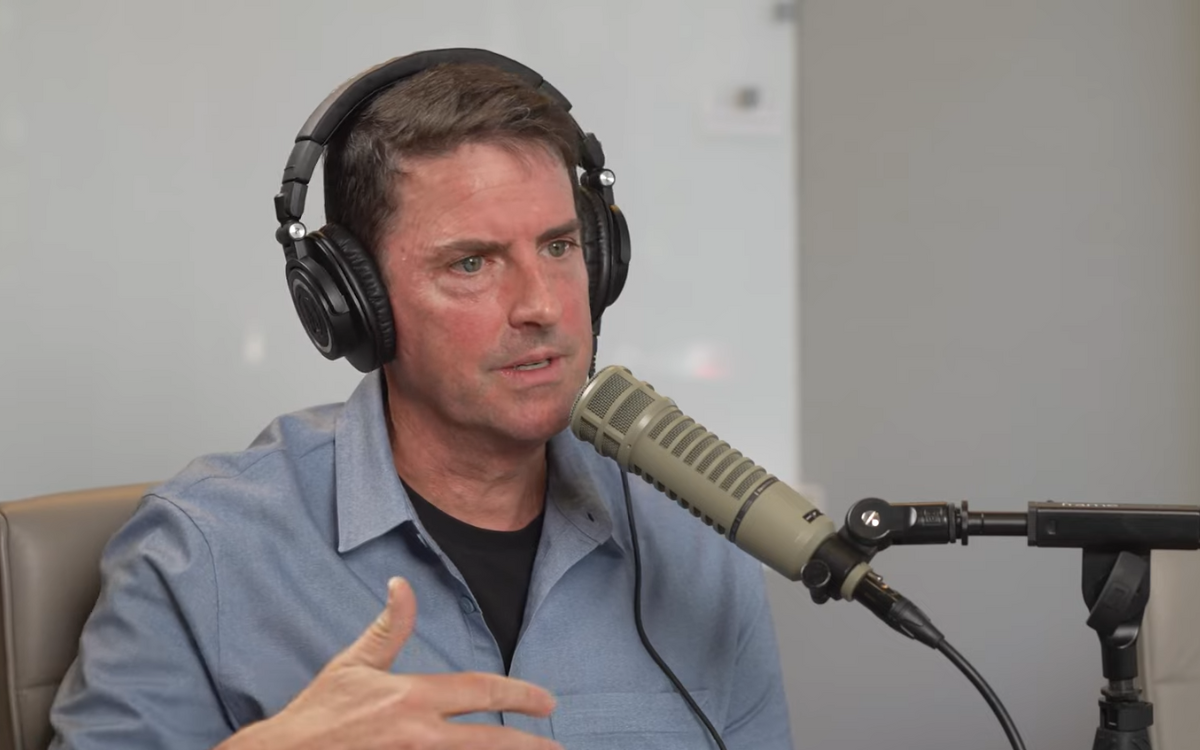
Jon McNeill revealed the details during a podcast with Kleiner Perkins.
According to him, the Model X’s issues were never about demand.
Early reservation lists stretched long, with customers happily placing deposits for the futuristic SUV.
This mirrored the situation with the Roadster, although the Model X did eventually launch, unlike the much-delayed sports car.
The real problem was supply, or more specifically, engineering.
The Falcon Wing doors was perhaps the most visually striking feature of the Model X.
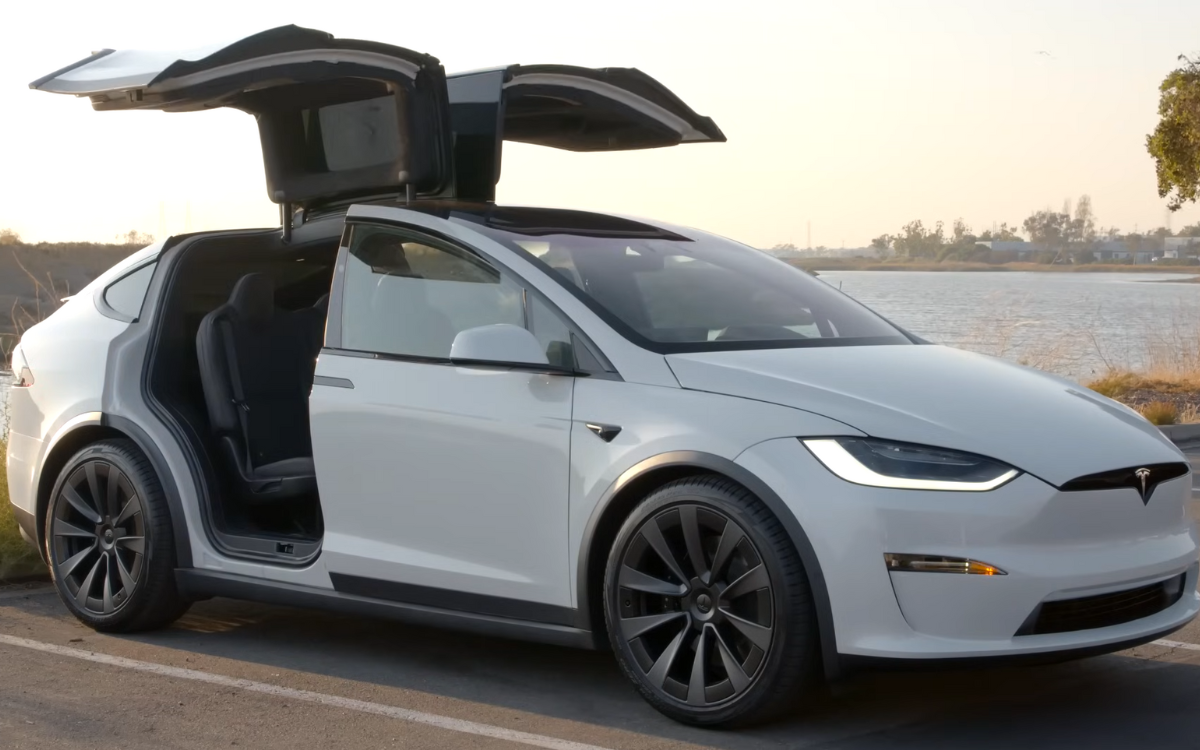
However, it proved extraordinarily difficult to align with the chassis, leading to hundreds of finished EVs piling up both inside and outside the factory.
“It’s super hard engineering,” McNeill said.
To keep the company afloat, Tesla began flying in service technicians from around the world to manually fix vehicles already built.
Of course, this was a stopgap measure that couldn’t continue indefinitely.
This prompted the core team, which included McNeill, Elon Musk, engineering leads, manufacturing heads, and countless technicians to move into the factory to attack the issue from the inside.
Some nights, the team worked straight through multiple shifts, testing fixes to see whether improvements would hold as fresh crews came in.
Tesla faced an existential threat
However, early attempts didn’t.
The problem kept ‘moving around,’ McNeill recalled, defying traditional lean-manufacturing diagnostic methods.
What made the situation even more dire was Tesla’s financial runway.
While the company is now worth more than Ferrari and Toyota combined, this wasn’t always the case.
Back then, it had roughly one quarter’s worth of cash left, meaning the Model X deliveries had to start flowing quickly.
Because revenue wasn’t recognized until each vehicle was fully delivered and paid for, the backlog of stuck Model X units represented an existential threat.
“We had to make this work,” McNeill said. “We didn’t have months and months.”
Only after eight or nine grueling months did the team finally break through.
According to Jon McNeill, the Model X crisis forged deep bonds among Tesla’s leadership.
“We were joined at the hip,” he said. “It was pure problem-solving. No functions. No hierarchy. Just survival.”
DISCOVER SBX CARS: The global premium car auction platform powered by Supercar Blondie
Jason Fan is an experienced content creator who graduated from Nanyang Technological University in Singapore with a degree in communications. He then relocated to Australia during a millennial mid-life crisis. A fan of luxury travel and high-performance machines, he politely thanks chatbots just in case the AI apocalypse ever arrives. Jason covers a wide variety of topics, with a special focus on technology, planes and luxury.