The true cost of an F1 car is wild and likely even more than you expect it to be when you break it all down
Published on Jun 02, 2026 at 5:18 AM (UTC-4)
by Daisy Edwards
Last updated on Jun 03, 2026 at 7:00 AM (UTC-4)
Edited by
Mason Jones
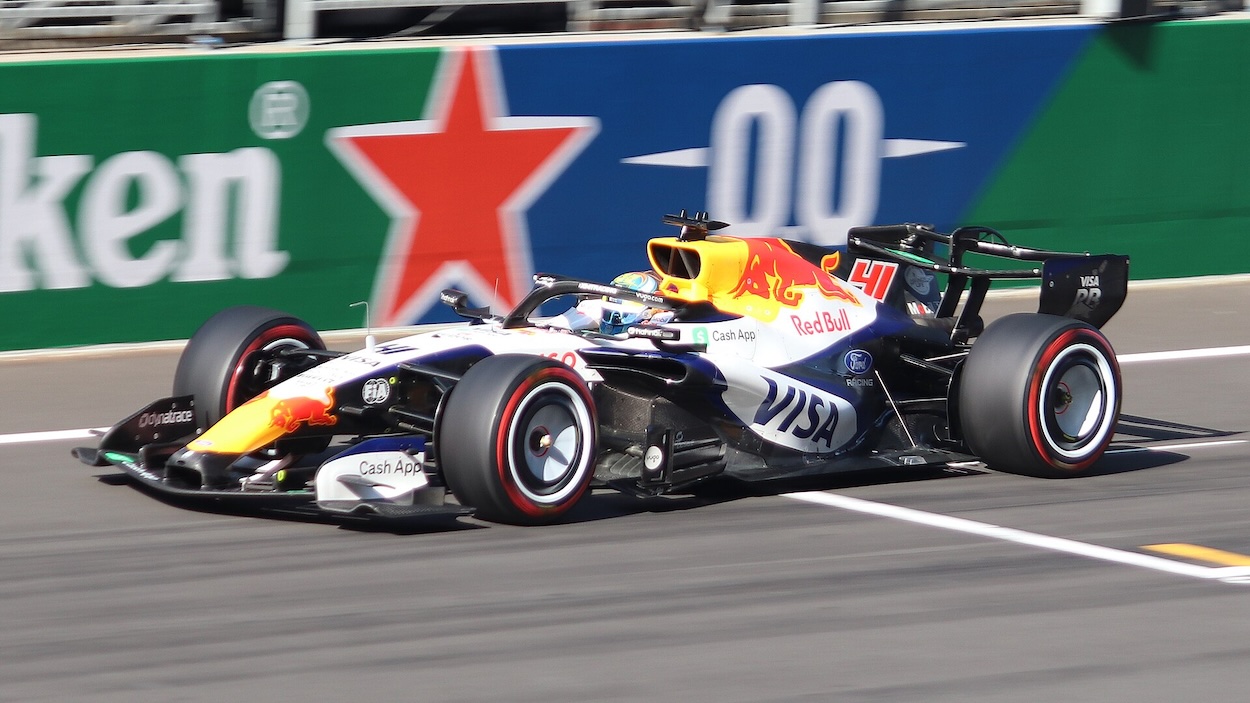

If someone handed you millions and told you to buy the most outrageous thing you could think of, you might go shopping for a superyacht, a private island, or maybe your very own F1 car, but it turns out the true cost is way more than you might think.
The machines are often described as the pinnacle of motorsport, but the eye-watering price tag attached to them is enough to make even the world’s wealthiest car collectors do a double take.
Not only do the cars themselves come with insane price tags, but each component costs a crazy amount, even down to the individual four tires.
And once you start looking at those individual costs, the final figure becomes even more unbelievable.
The F1 car costs start adding up long before the engine arrives
At first glance, an F1 car doesn’t look like something that should cost tens of millions of dollars.
But every visible part of the Formula One car is built from cutting-edge materials and designed to withstand enormous forces while remaining as light as possible.
According to estimates from Motor Sport Magazine, the carbon-fiber monocoque, which forms the survival cell around the driver, costs around $707,000 on its own.
The front wing can cost as much as $150,000, while the rear wing adds another $85,000, the halo safety device, which has saved several drivers from serious injury over the years, costs around $17,000.
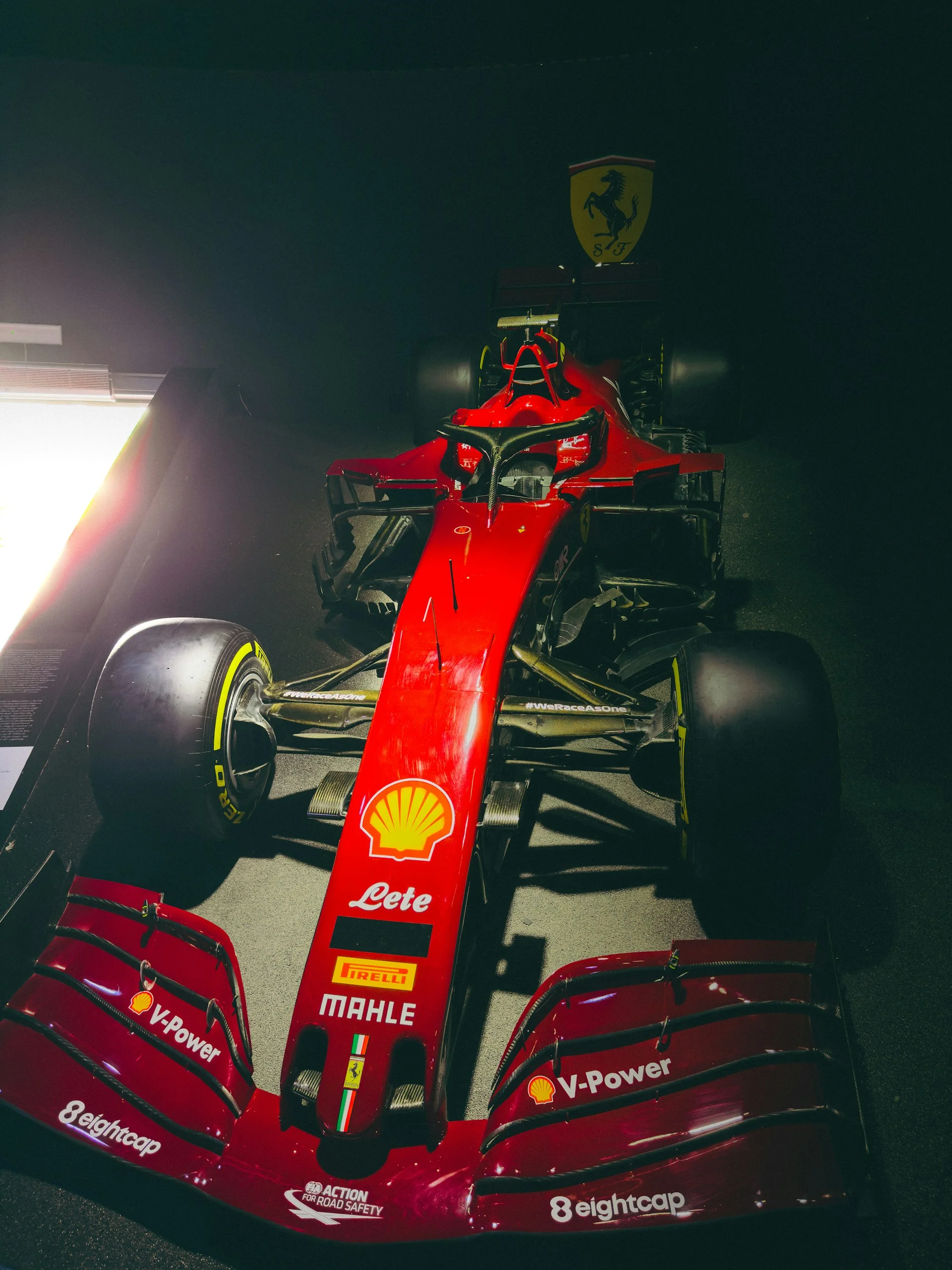
Then there are the countless systems hidden beneath the bodywork.
A gearbox can cost around $354,000, the hydraulics system roughly $170,000, and the specialist F1 steering wheel approximately $50,000.
Even the fuel tank is a specialist piece of equipment costing tens of thousands of dollars.
And while a set of Pirelli tires may seem relatively affordable by F1 standards at around $3,000 per set, the bills keep mounting with every additional component.
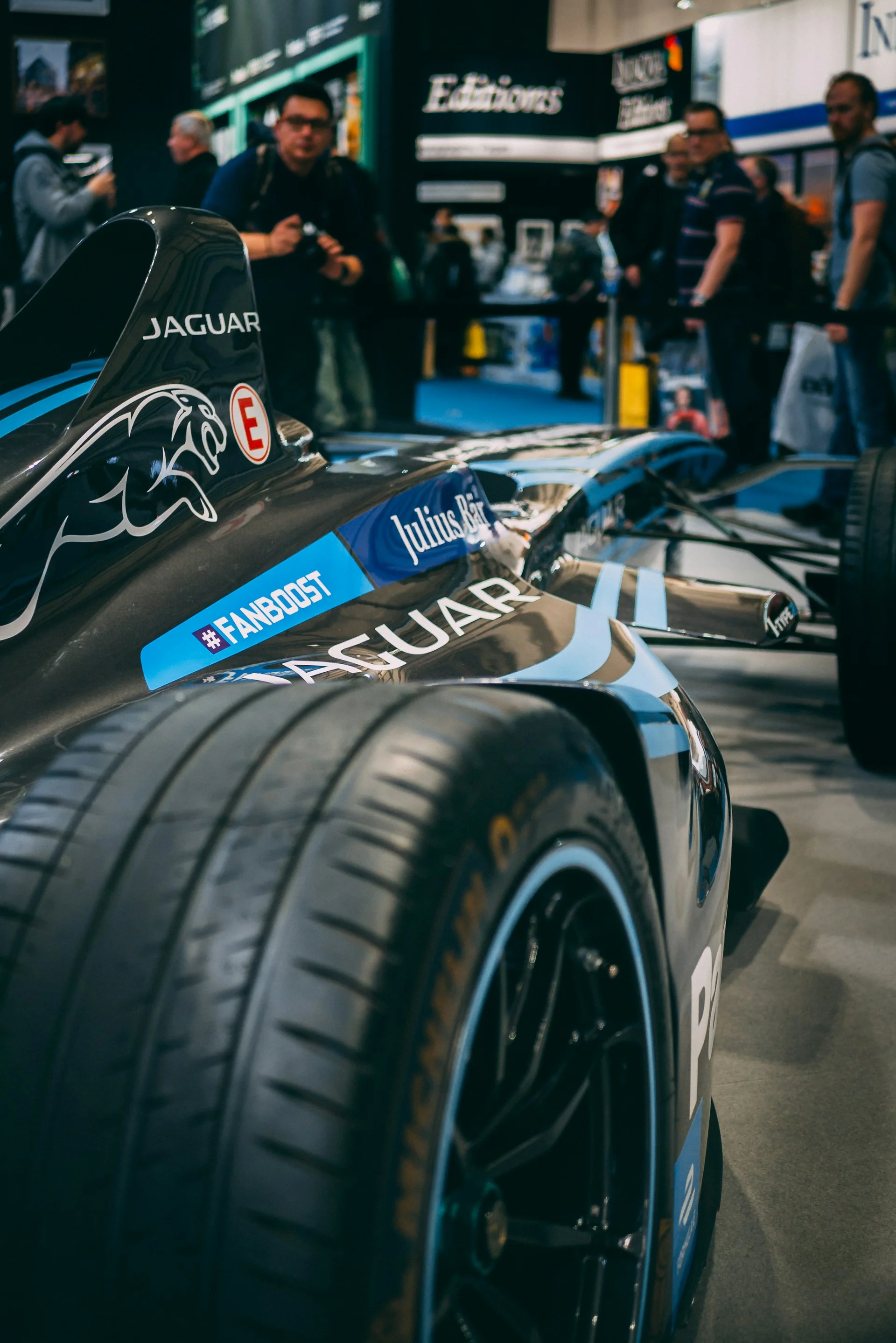
The biggest shock comes when you reach the power unit.
One video from an F1-focused analysis estimated the engine alone at around $10.5 million, accounting for the vast majority of the car’s value.
Related

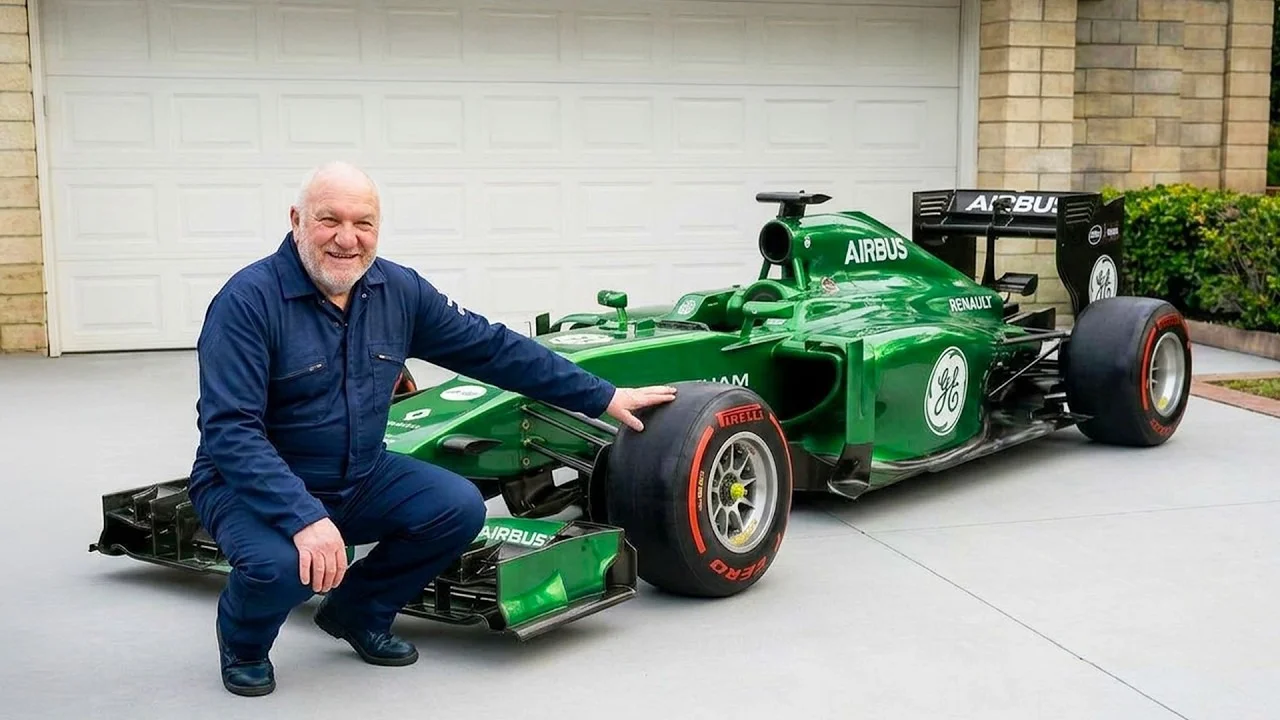
The total cost of an F1 car
Motor Sport Magazine’s own research places the total manufacturing cost of a modern Formula 1 car at just over $20.6 million, with the hybrid power unit and battery systems making up the largest portion of that figure.
There are a few reasons why these power units are so expensive.

Modern F1 engines are among the most advanced machines ever built, using exotic materials, highly complex hybrid technology, and years of development work to squeeze every possible fraction of performance from the regulations.
Reliability is equally important because teams cannot simply build a fast engine; it also has to survive race weekends, qualifying sessions, and thousands of miles of testing while operating under extreme stress tests.
And even those huge figures don’t tell the whole story.
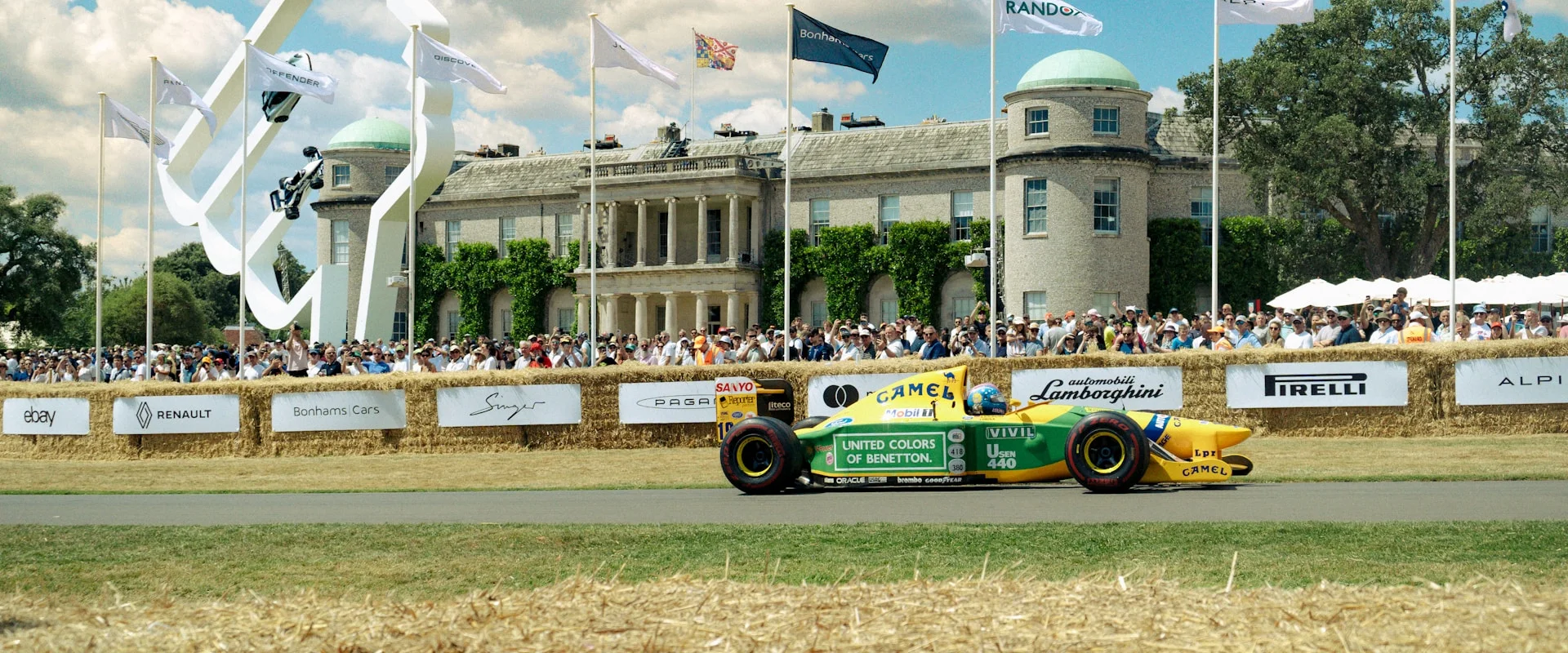
Assigning a single value to an F1 car is difficult because teams are constantly introducing upgrades, replacing components, and investing heavily in research and development throughout the season, the car that starts the year can be very different from the one that finishes it.
Which means that while a modern Formula 1 car may officially be worth around $20 million, the true cost spent developing and improving it over an entire season is likely far higher and suddenly that superyacht doesn’t seem quite so expensive after all.
Daisy is a technology and automotive journalist covering artificial intelligence, consumer tech, Apple news, cryptocurrency, emerging technologies, and transportation innovation. Since joining the team in 2025, she has reported on everything from AI-powered startups and major iOS updates to viral car stories and the latest developments shaping transportation and the digital economy. Drawing on her background in automotive journalism and a degree in History and Journalism from Goldsmiths, University of London, Daisy specializes in breaking down complex topics into clear, engaging reporting for a global audience. Her work spans cutting-edge technology, innovative vehicles, and the people driving change across both industries. Daisy has gained first-hand access to some of the world's most talked-about technologies and innovators, including meeting Tesla's Optimus humanoid robot during its first European appearance in London. She has also discussed the future of space exploration with an astronaut, bringing unique insights and real-world perspectives to her coverage of emerging technology.