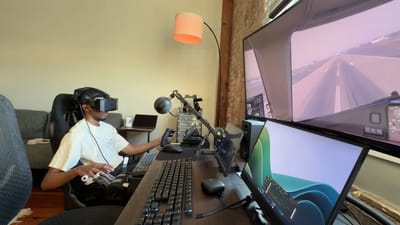
Man shows what it's like to be traveling in an F1 car as a non-F1 driver to show how wildly different it is when you're not a professional
Published on Aug 31, 2026 at 5:47 AM (UTC-4)
by Daisy Edwards
Last updated on Aug 31, 2026 at 5:47 AM (UTC-4)
Edited by
Kate Bain
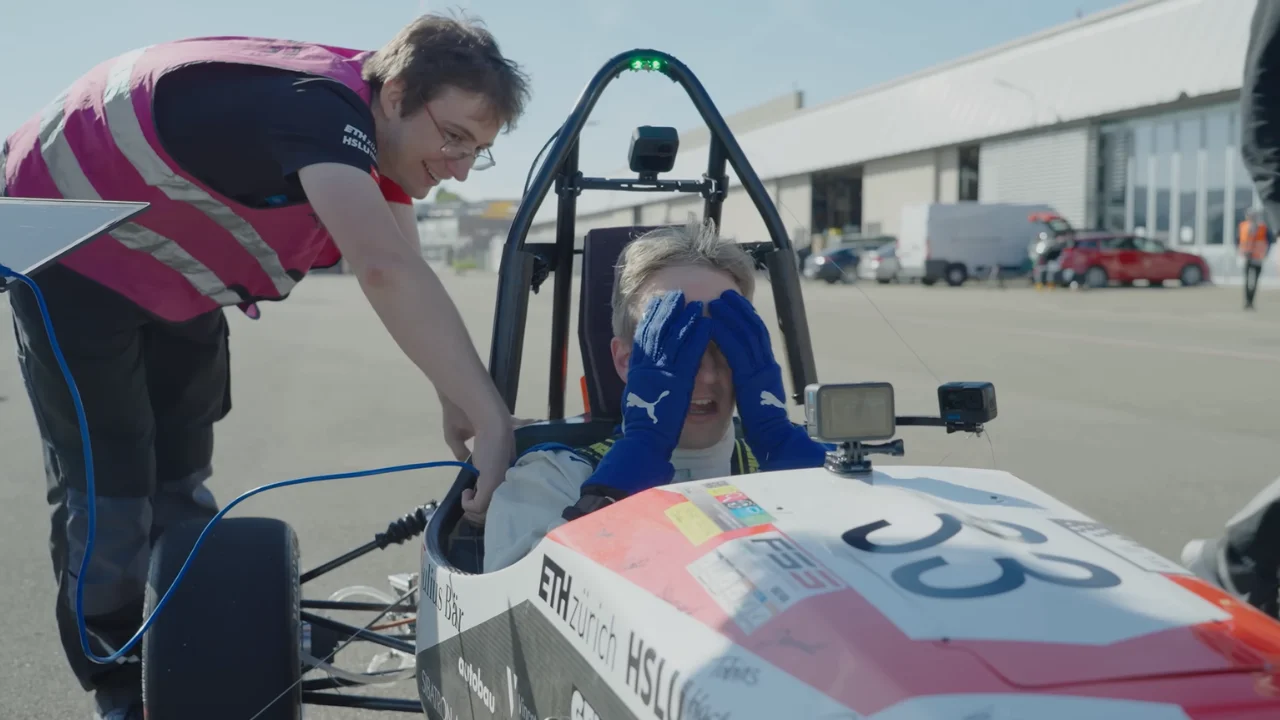

Tom Scott found out exactly what it was like to be an F1 driver when he climbed into a car that could launch itself to 100 km/h in just 1.4 seconds.
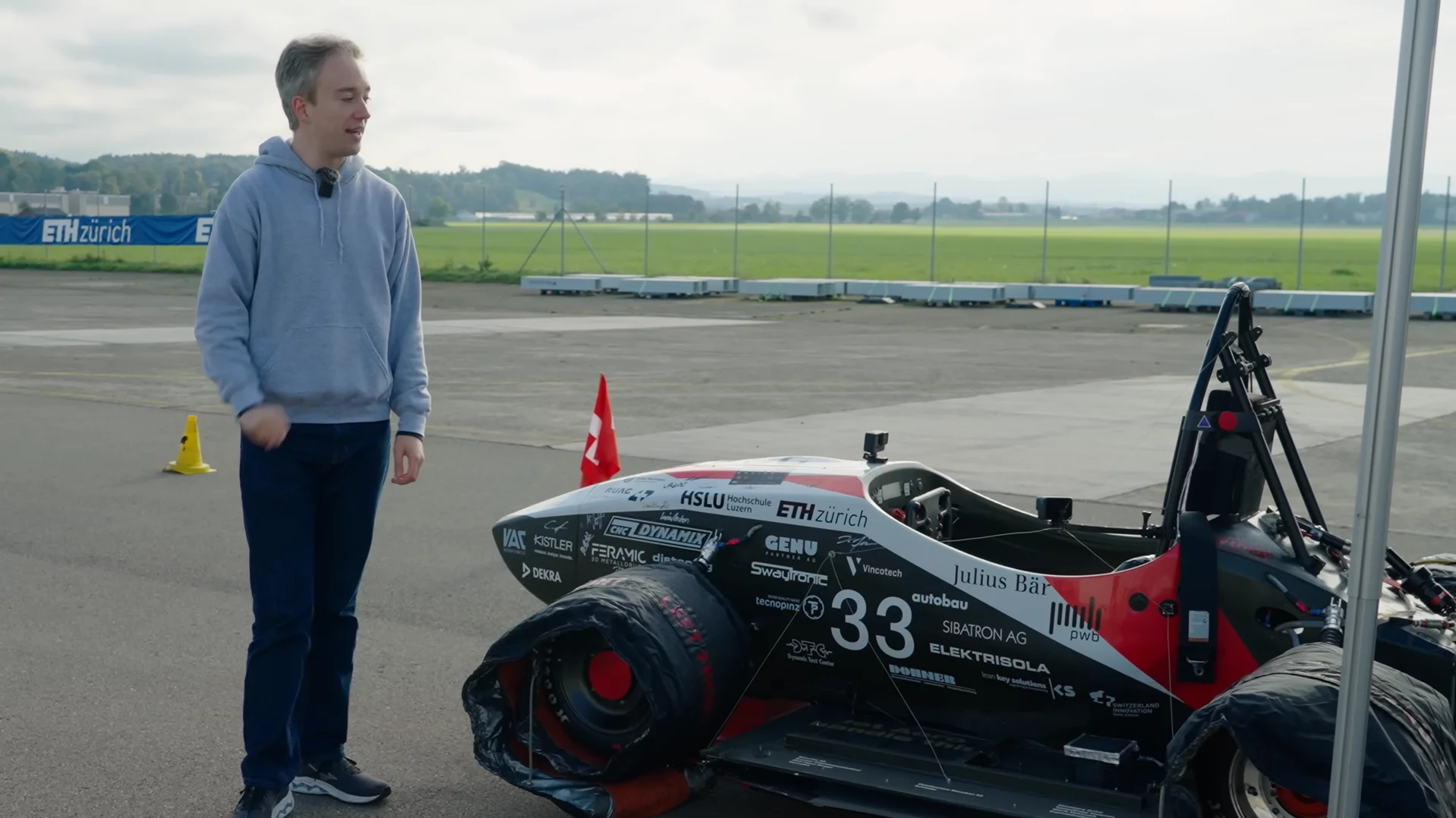
The British YouTuber got behind the wheel of Mythen, an electric race car developed by students and alumni from ETH Zurich.
While Mythen wasn’t an F1 car, its acceleration was violent enough to give Tom a taste of the sort of forces that professional racing drivers have to deal with.
And his reaction made it pretty clear that knowing a car is going to be insanely fast doesn’t quite prepare you for actually being inside it.
How different a Formula One-style launch feels
Few people know what it feels like to go at full speed and launch a supercar designed to replicate F1 conditions.
A normal road car with a bit of power might take six or seven seconds to reach 100 km/h, but an F1 car can do it in around two seconds.
For context, the Rimac Nevera can reach 100 km/h in about 1.85 seconds.
But this supercar called Mythen is even more extreme than the Nevera, with the team behind it claiming it could reach 100 km/h in under a second.
The secret was reportedly a system called ‘power ground effect’.
Related


How ‘power ground effect’ works
Two fans underneath the car suck air out from below, creating low pressure and effectively pulling Mythen towards the ground.
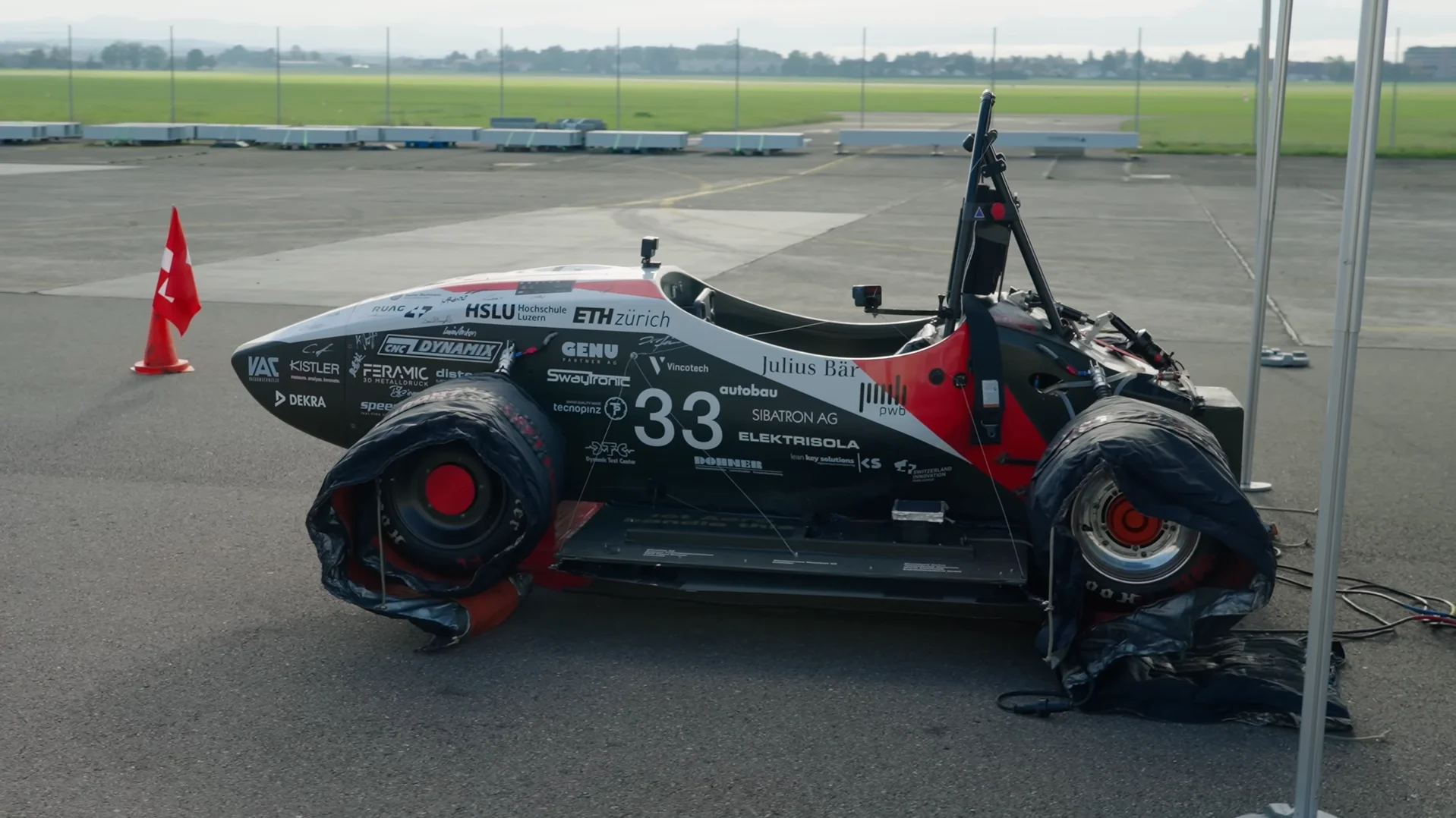
That gives it the extra grip needed to put huge amounts of power down without simply spinning its wheels.
The car also uses custom-built electric motors, with each one producing roughly the same power as a small hatchback, and at record pace, a lightweight driver could experience around 3.8 Gs of peak acceleration.
Given the chance to experience all the G’s in the Mythen, British YouTuber Tom Scott compared that to the acceleration experienced when a fighter jet was launched from an aircraft carrier.
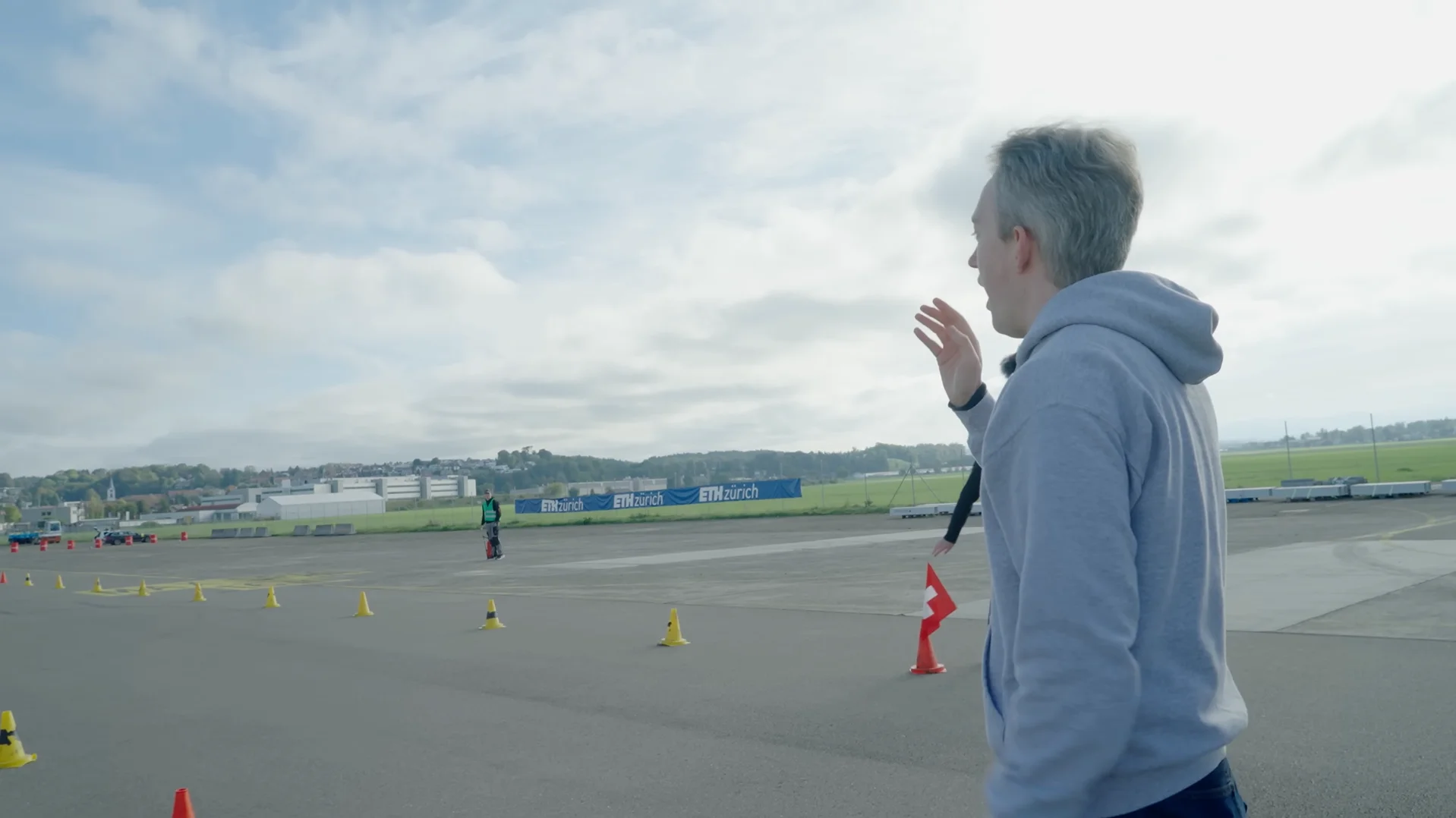
He also had to complete a safety briefing before getting anywhere near the full power.
The car used high-voltage electrical systems, and Tom had to learn how to shut it down in an emergency and escape within five seconds before he was allowed to start his runs.
His first attempt took 6.6 seconds to reach 100 km/h and the second took 4.6 seconds, but that is the F1 car on a bad day.

His reaction proved F1 drivers make it look easier than it is
When Tom rolled up to the start line and activated the power ground effect, there was a short pause before Mythen absolutely launched itself forward.
Scott reacted by shouting “Holy… What!”
And then, almost as quickly as it had started, the run was over.
Mythen automatically shut down once it reached 100 km/h, leaving Tom to brake and try to work out what had just happened.
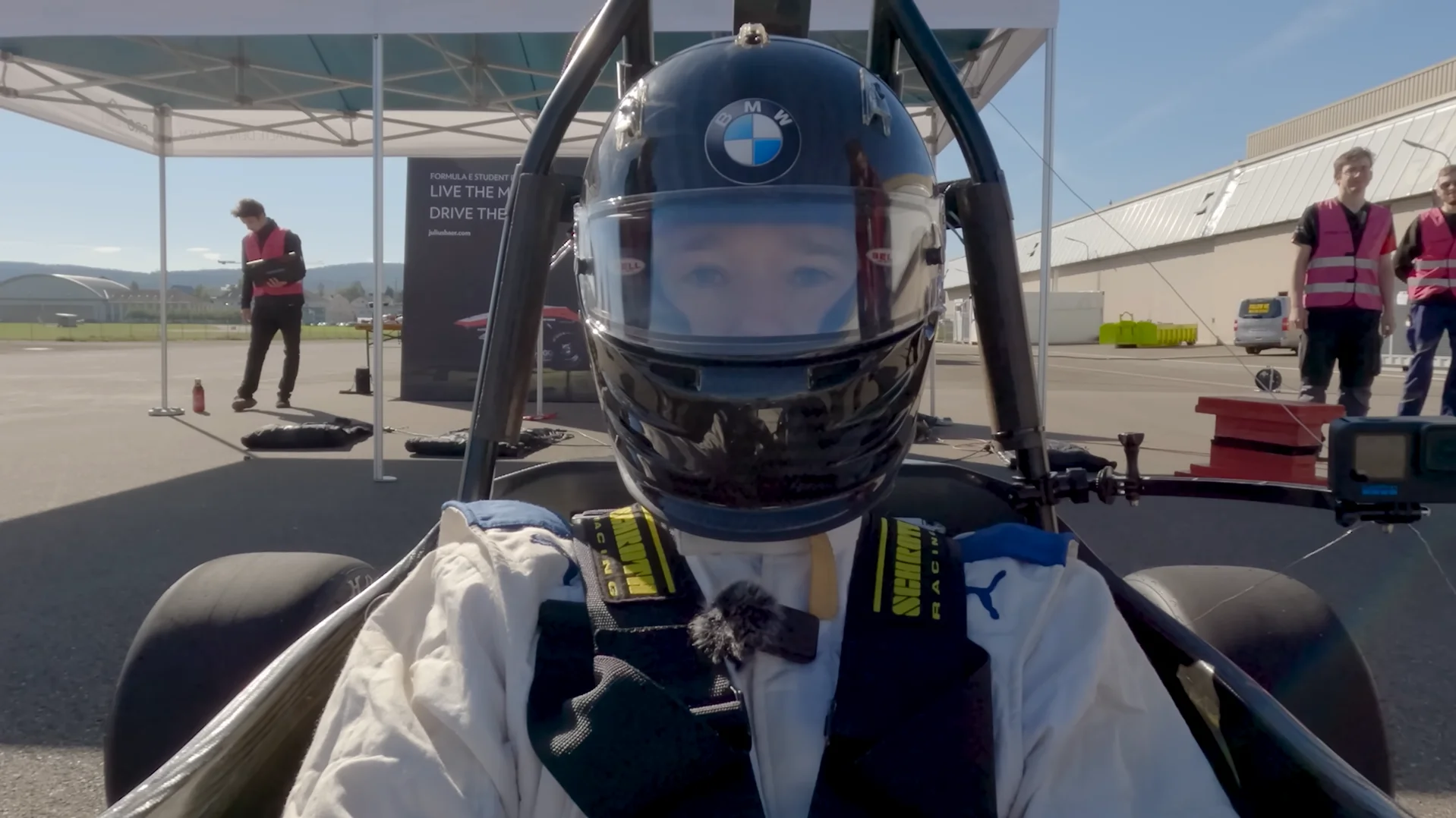
“What? That was the longest second of my life,” he said.
Tom thought the acceleration had lasted around five seconds, but it had actually taken roughly 1.4 seconds.
That reaction might be the best demonstration of the difference between a regular driver and a professional racing driver, because an F1 driver doesn’t just have to survive the acceleration.
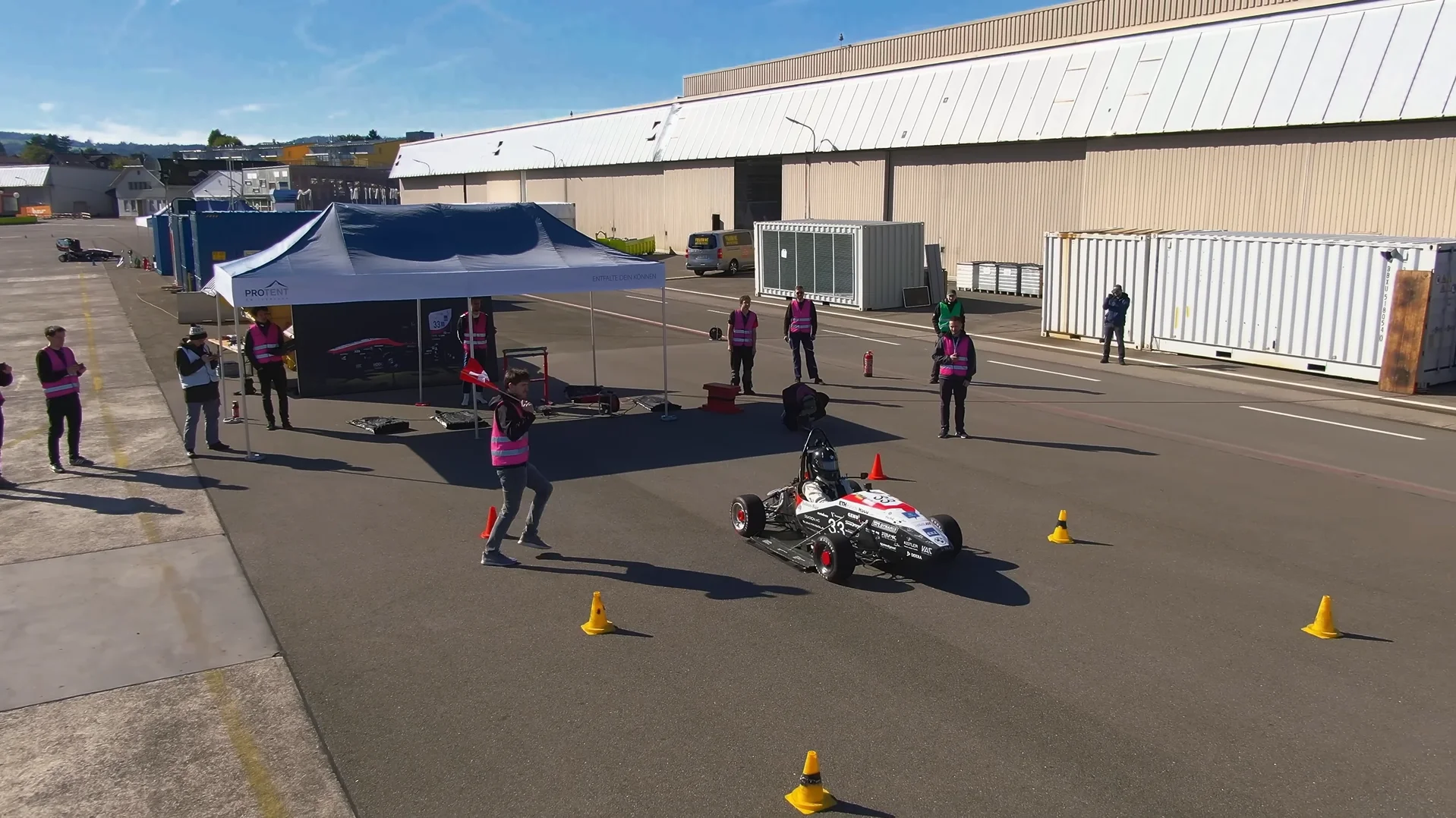
They have to deal with huge forces while steering, braking, overtaking, watching their mirrors, reacting to other cars and making split-second decisions.
The YouTuber experienced just a fraction of that acceleration in a straight line and described the resulting second as the longest of his life.

The car he drove wasn’t an F1 car, but it gave him a pretty good idea of why the experience inside one is so wildly different when you’re not a professional.
Makes you respect F1 drivers even more.
Daisy is a technology and automotive journalist covering artificial intelligence, consumer tech, Apple news, cryptocurrency, emerging technologies, and transportation innovation. Since joining the team in 2025, she has reported on everything from AI-powered startups and major iOS updates to viral car stories and the latest developments shaping transportation and the digital economy. Drawing on her background in automotive journalism and a degree in History and Journalism from Goldsmiths, University of London, Daisy specializes in breaking down complex topics into clear, engaging reporting for a global audience. Her work spans cutting-edge technology, innovative vehicles, and the people driving change across both industries. Daisy has gained first-hand access to some of the world's most talked-about technologies and innovators, including meeting Tesla's Optimus humanoid robot during its first European appearance in London. She has also discussed the future of space exploration with an astronaut, bringing unique insights and real-world perspectives to her coverage of emerging technology.