Ford F-Series is the most popular gas car in the US and Tesla Model Y is the most popular EV but the difference in monthly costs is staggering
Published on Jun 17, 2026 at 6:23 AM (UTC-4)
by Ben Thompson
Last updated on Jun 18, 2026 at 5:28 AM (UTC-4)
Edited by
Mason Jones
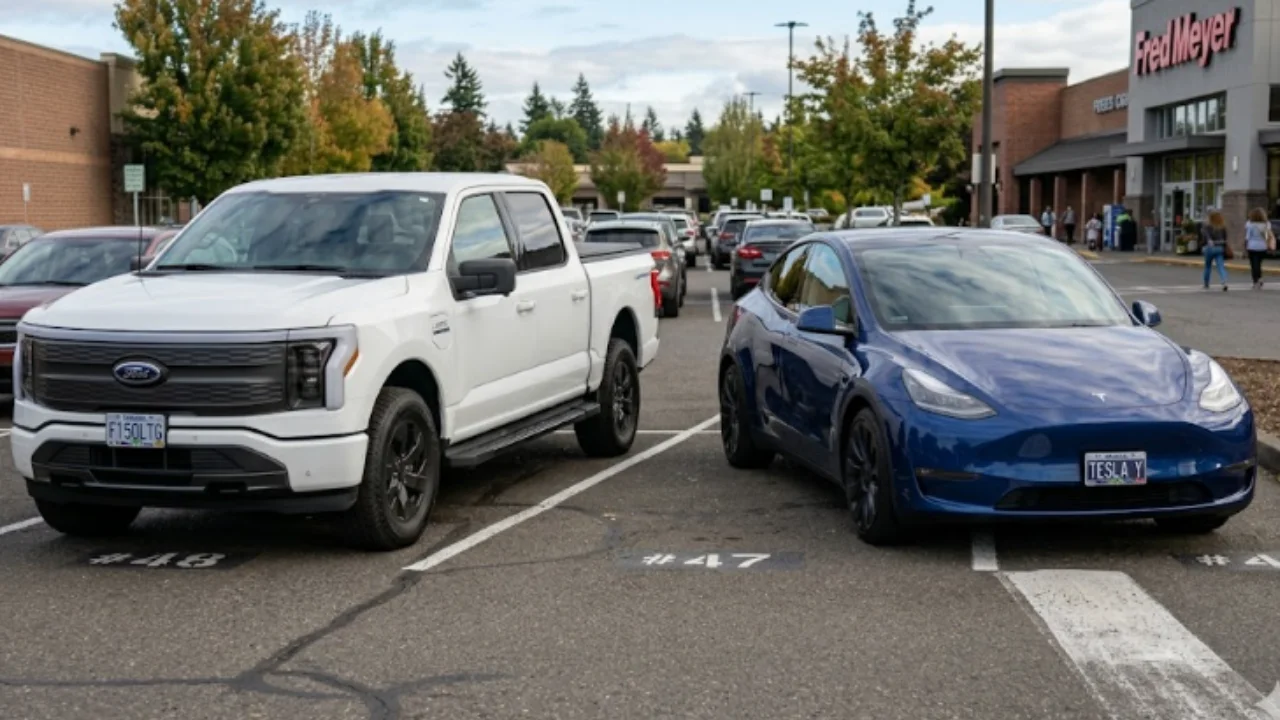

In the US, the Ford F-Series is the most popular gas car, and the Tesla Model Y is the most popular EV – but how do they compare on monthly costs?
One is a pickup, and one is a sedan – their differences run deep.
But it’s comparing the two vehicles on their monthly running costs that really brings things into sharp focus.
Could this have you reconsidering your next car purchase?
The eternal debate continues – are EVs cheaper to run than gas cars?
You’ve no doubt seen a breakdown on the costs associated with EVs and gas cars before.
Let’s face it, when it comes to car purchases, people want to know that their decision isn’t going to make them spend more in the long-run.
We’ve drawn comparisons between a Tesla Cybertruck and a Ram 1500 for example.
And even among EV owners, there’s some competition as demonstrated by this GMC Hummer EV owner.
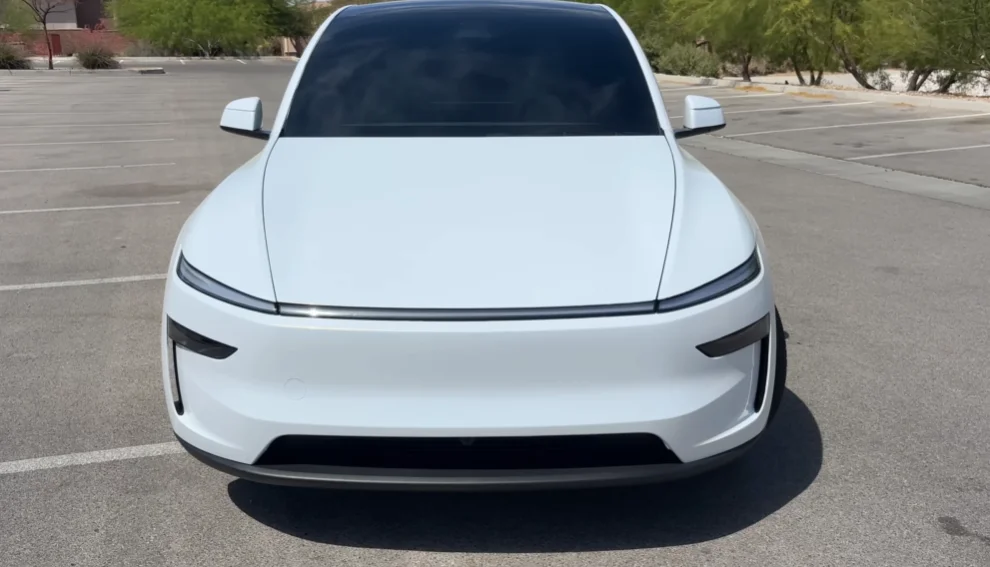
But what makes this comparison particularly notable is that the Ford F-Series and the Tesla Model Y are the most popular cars in their respective fields.
In 2025, Ford sold just short of 829,000 F-Series trucks in the US, comfortably putting it in the lead, Forbes reported.
By comparison, 357,000 Model Ys were sold over that same period.
But sales figures are one thing – the real meat and bones of this comparison is the monthly costs.
Related



Taking a look at the costs attached to the Tesla Model Y
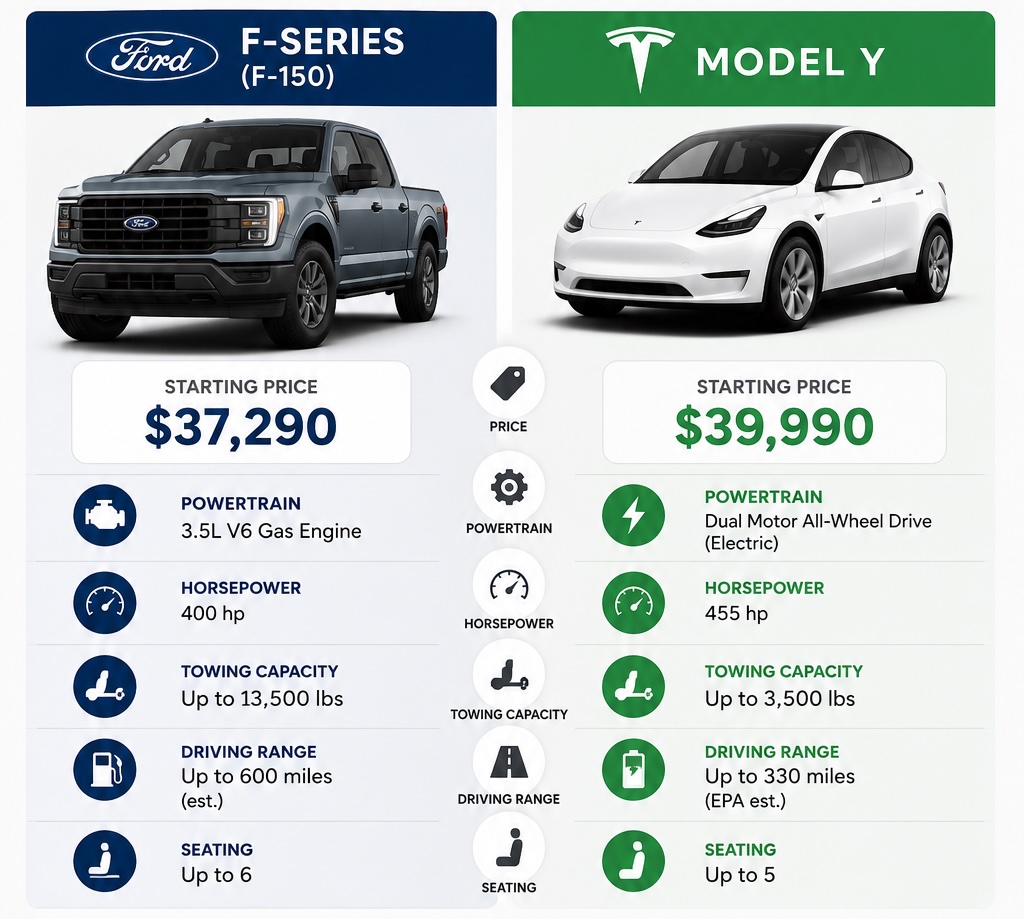
The standard range costs around $39,990, while a Performance trim would set you back around $61,990.
A financed Model Y was bringing in monthly payments of around $800 or lower.
Operating costs are where the savings come into play – especially if a owner is fortunate enough to be able to charge at home.
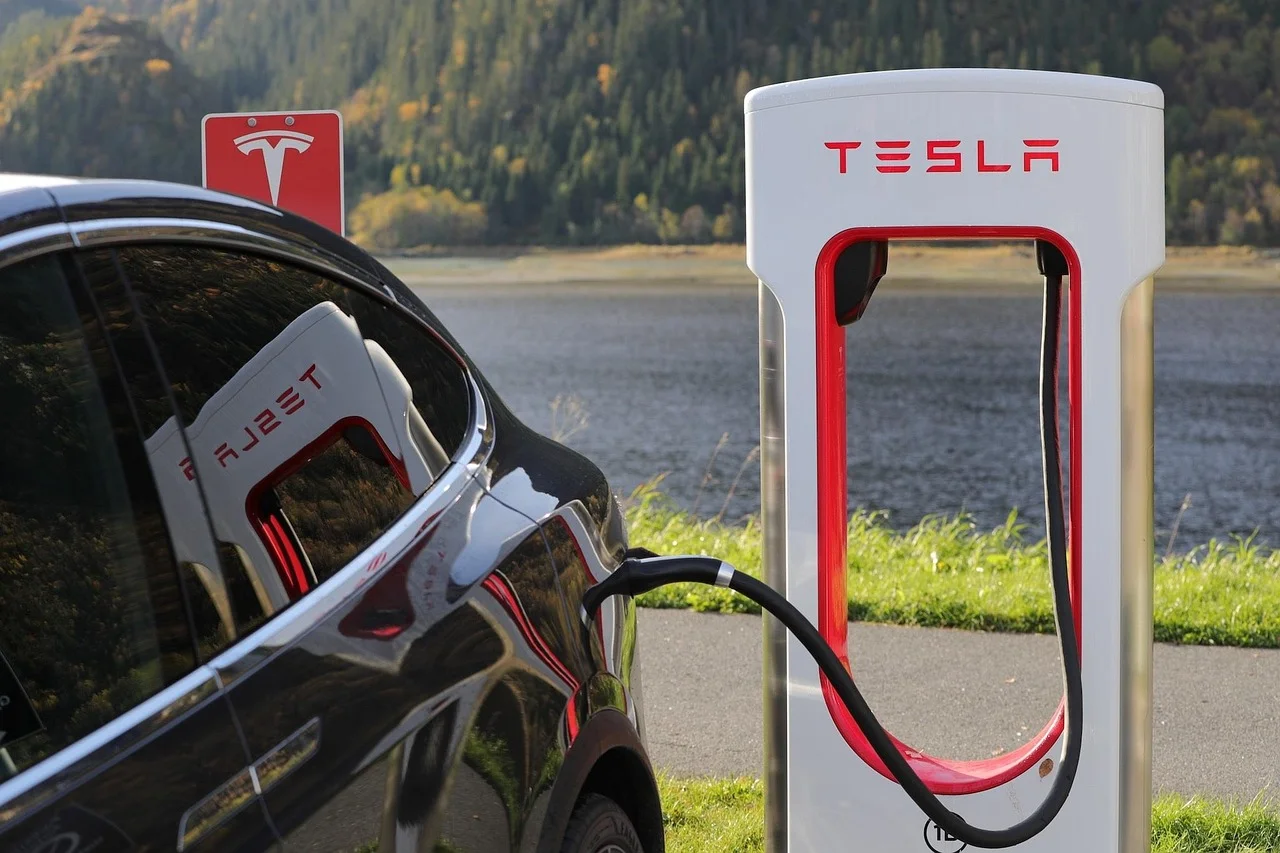
And if that home charging is done at off-peak hours, even better.
Users have reported charging costs averaging between $50 and $150 – significantly lower than what gas car drivers are paying out.
Insurance costs are estimated to be between $230 and $290 a month; this would be around $2,800 to $3,500 a year.
A lot goes into an insurance quote to get an exact figure, such as age of the driver, location, and the insurance provider chosen.
As for maintenance costs, that’s been put at between $257 to $499 a year ($21.41 to $41.58 a month).
How does the Ford F-Series compare?
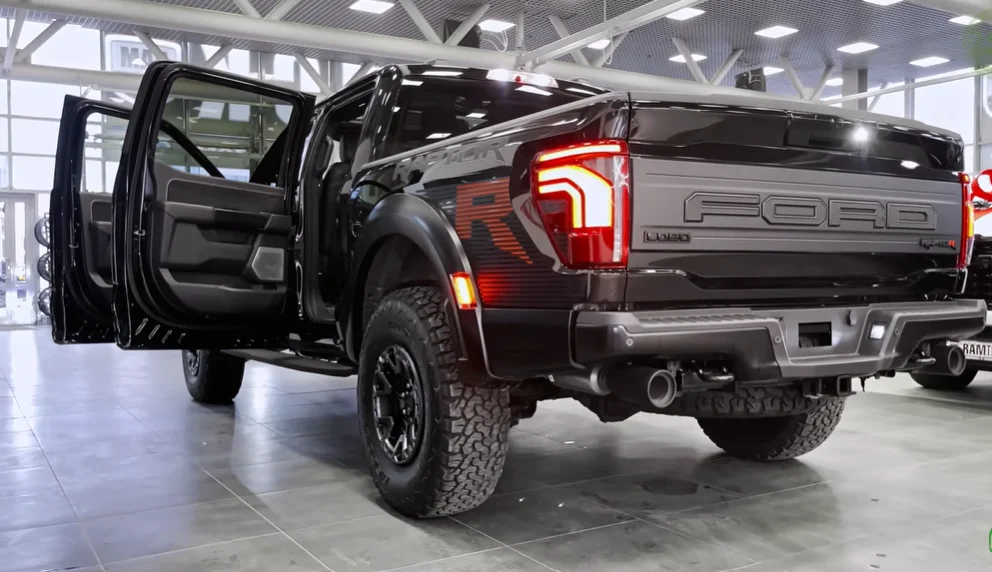
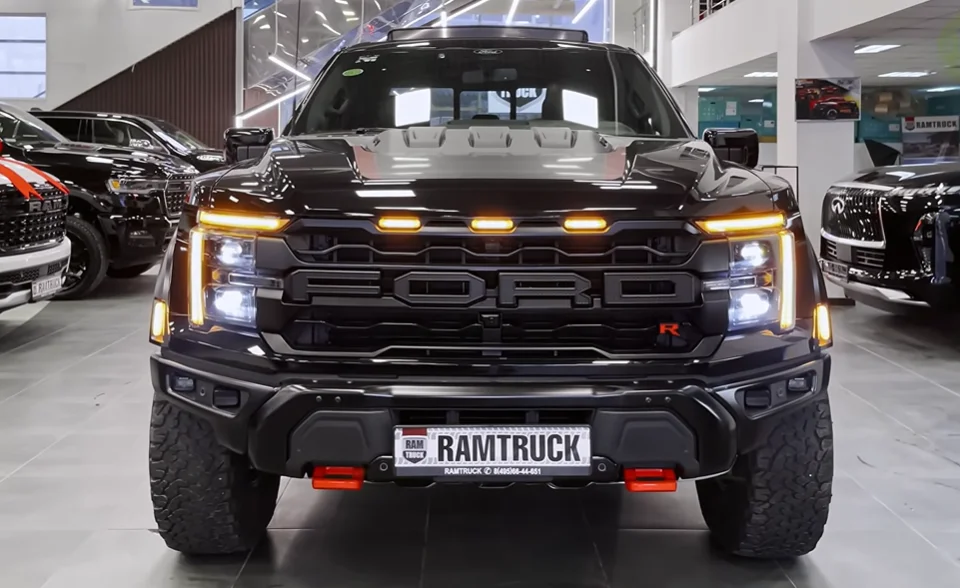
Starting at an MSRP of $37,290 for base models, the F-Series gets more pricier with higher trims – which can get up to $110,000.
Those who take the trucks out on loan generally pay around $900 a month.
In terms of fuel, that obviously depends on a lot of variables, including truck model and mileage.
One 2024 Ford F-150 had an average fueling cost of $253 a month, while a figure of $189 a month was given for a 2025 F-150.
How about maintenance and insurance?
One of the more favorable insurance quotes for a F-Series put insurance at around $2,414 a year ($201 a month), while others quoted figures ranging from $190 to $210 over on Reddit.
As for maintenance, one 2024 F-150 was estimated to cost around $52.66 a month.
Again, there’s no hard and fast figures that can be applicable across all vehicles and all drivers.
But these numbers do paint a story about the cost comparisons between the Tesla Model Y and the Ford F-Series.
Which one comes out cheaper overall between the Tesla Model Y and the Ford F-Series?
While a standard Model Y costs more than a standard F-Series, the EV soon begins raking in savings on just about everything else.
Although insurance has generally shown to be pricier for the Tesla car, it saves its owners a ton when it comes to charging costs and maintenance.
Ultimately, drivers will have to do their own research to ensure they’re making an informed decision based on their own circumstances.
And again, we are comparing a pickup to an electric sedan – these are two very different cars.
Ben joined Supercar Blondie in February 2025 after being published by international organizations including LADbible, The Sun, the New York Post, and the Daily Mail. He covers supercars, rare and collectible vehicles, aviation, luxury assets, and the fascinating people behind them. His reporting has explored everything from seven-figure supercars and historic Ferrari collections to unusual aircraft adventures and extraordinary automotive discoveries from around the world. Ben has also gained first-hand insight into vehicle craftsmanship and customization, including visiting specialist workshops to see bespoke vehicles up close.