The gap between the monthly cost of charging a Tesla Cybertruck vs filling a Ford Super Duty in the US will blow you away
Published on Oct 03, 2026 at 6:10 PM (UTC-4)
by Alessandro Renesis
Last updated on Oct 03, 2026 at 6:10 PM (UTC-4)
Edited by
Mason Jones
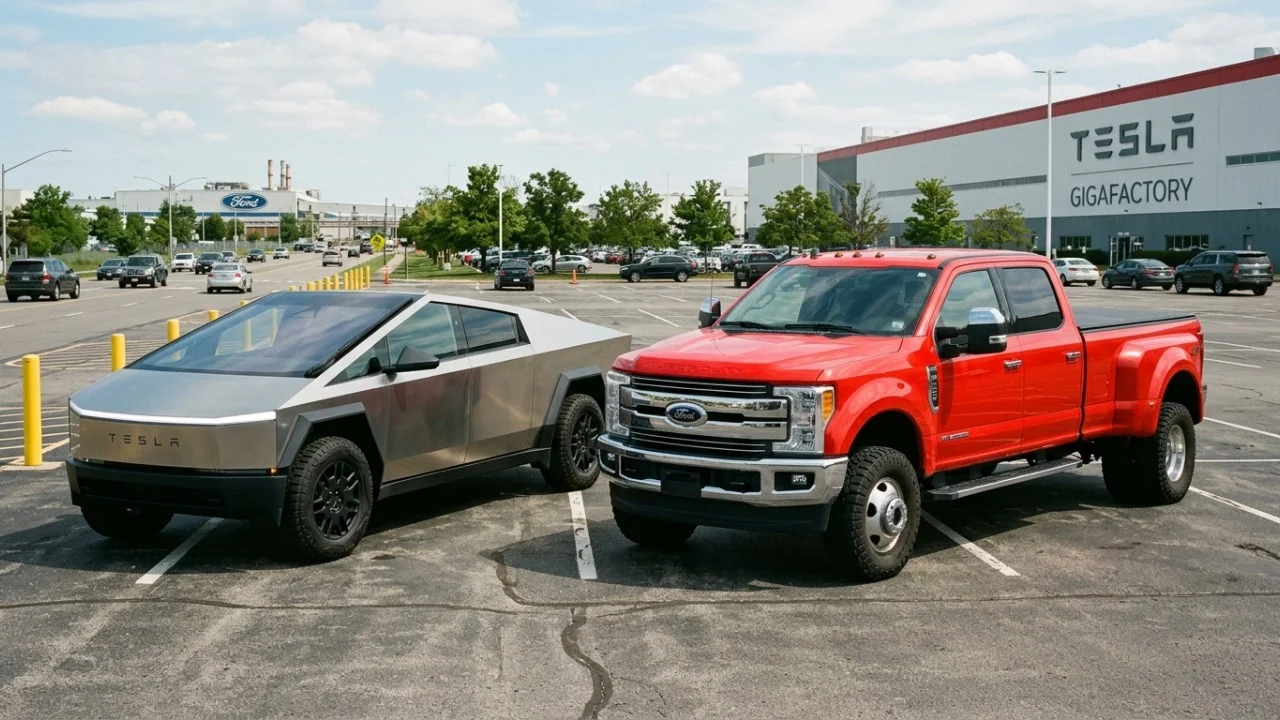

You can buy a Tesla Cybertruck and it certainly won’t be cheap, or you can buy a Ford Super Duty, which is going to cost a lot less.
However, when it comes to maintenance costs, the shoe is on the other foot as the Cybertruck ‘wins’ by a very comfortable margin.
We tried comparing the costs of these two trucks over 15,000 miles, and the result was staggering.
But there are a few more things to consider.
There’s no comparison when it comes to the MSRP
In general, charging an EV is cheaper than filling up a car with gas, but this is only relevant if the MSRPs of the two vehicles you are comparing are more or less in the same ballpark.
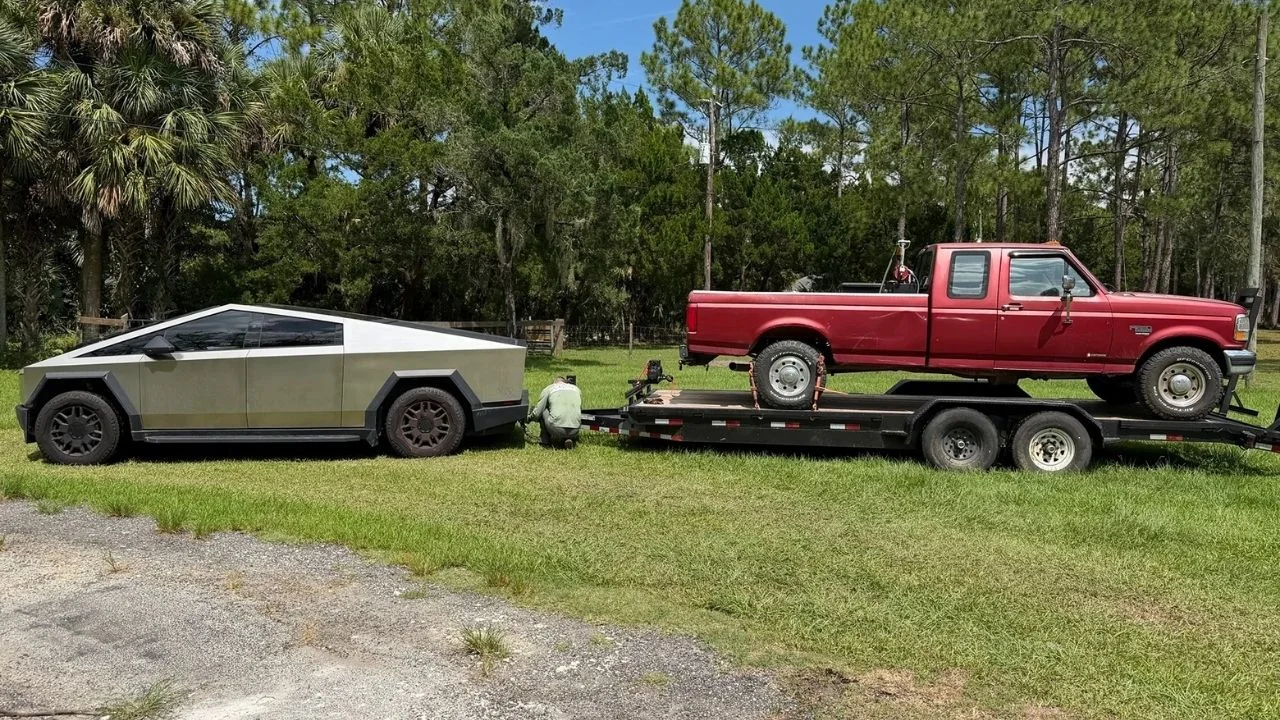
That’s not the case here.
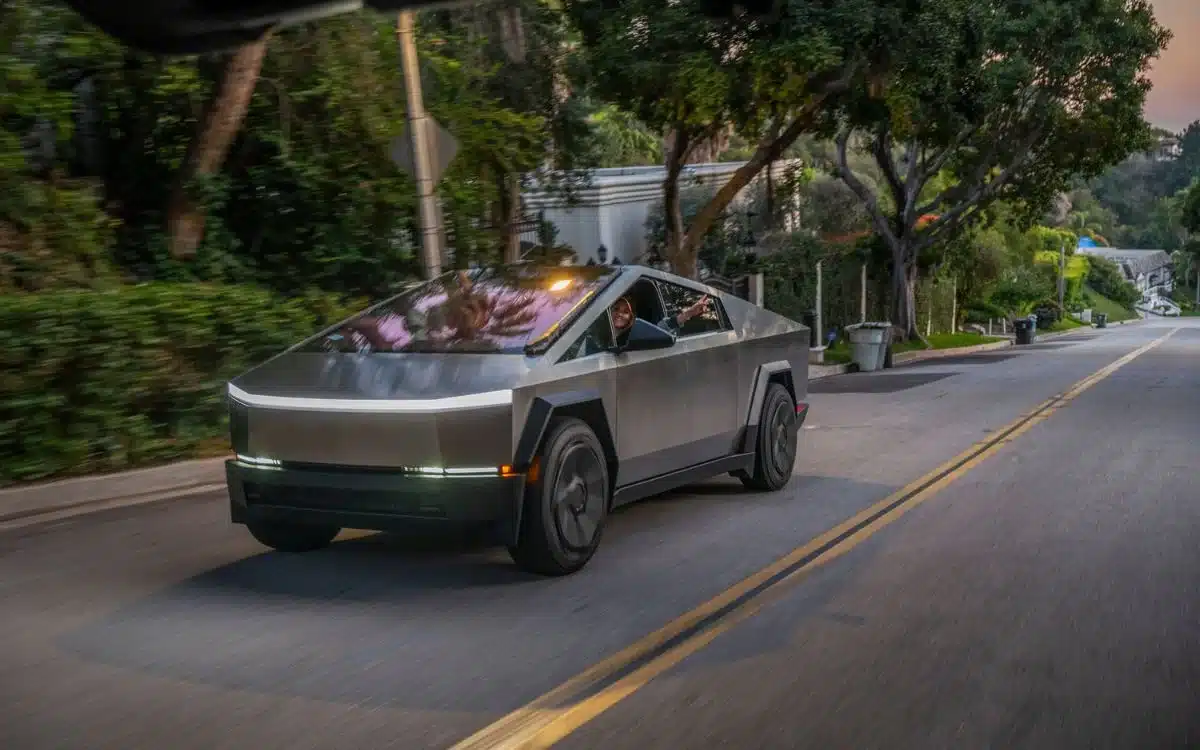
The entry-level Tesla Cybertruck starts at $74,500.
The MSRP used to be just under $70,000 but then Tesla upped the price in August 2026.
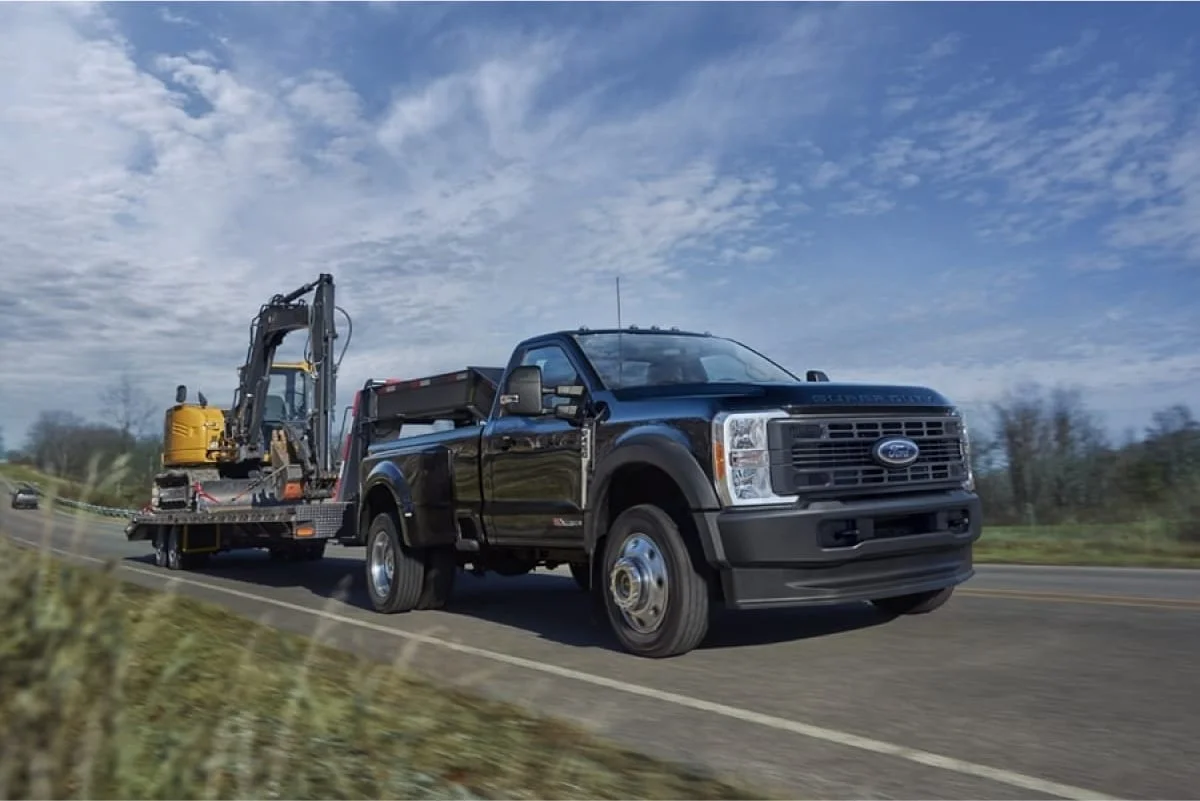
Meanwhile, the entry-level 2026 Ford Super Duty starts at around $45,000.
So when you factor that in, it’s going to take a lot of miles to make the Cybertruck financially more convenient.
The Super Duty is twice as expensive to run compared to the Tesla Cybertruck
Assuming a yearly mileage of 15,000 miles – the statistical average in the US – charging a Tesla Cybertruck at home will cost you around $20-25 per charge, for a grand total of $1,200-$1,300 per year.
That breaks down to a monthly electric bill of $120-140.
That number goes up using Superchargers, especially during peak hours, but you’re still better off than you’d be with a Super Duty.
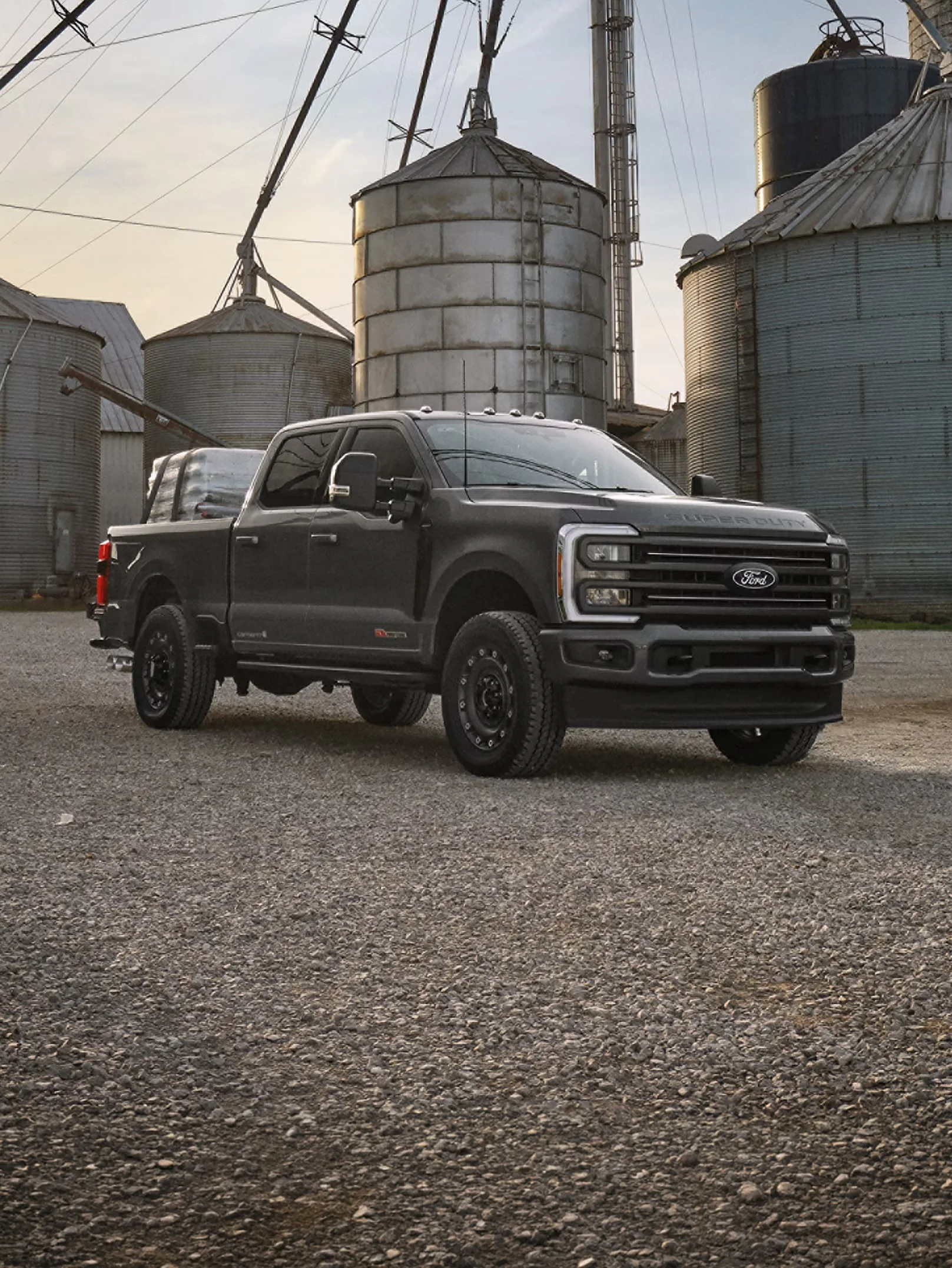
That’s because a standard a gas-powered Ford Super Duty averages around 13-15 MPG, costing upwards of $330–$350 per month in fuel alone.
That’s $3,900 per year, and therefore nearly four times as expensive as the Cybertruck.
And the Super Duty comes with a drive belt, heavy-duty torque converter automatic transmissions, spark plugs, oil filters, gaskets, fluids, and just in general a long list of things that can go wrong.
The Cybertruck is electric, and like all EVs, 90 percent of the trouble comes from the battery pack and powertrain, which are generally are unlikely to cause problems in the first few years.
So assuming none of that goes wrong, you just have to mind your tires and brake pads, and that’s about it.
There’s a major catch
These comparisons give us a benchmark, but that’s like comparing the cost of the air fare to the price of a ferry ride.
Or maybe like telling a person who prefers meat that the bream costs $18.
Interesting, but not automatically relevant because it all depends on what your prospective customer wants.
The fact that Ford pulled the plug on the F-150 Lightning says it all.
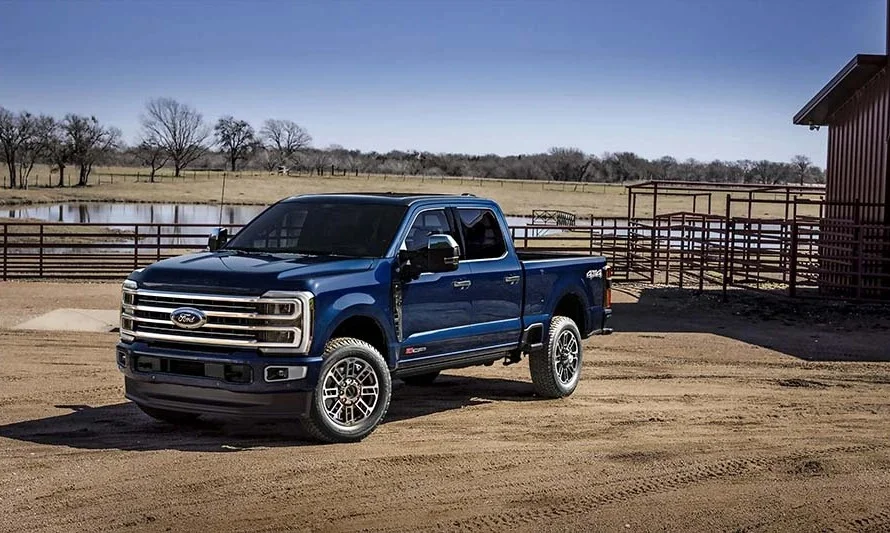
Clearly, the average Ford truck buyer wants a V6 or a V8, and they want a relatively affordable MSRP – the Lightning had neither of those things.
By contrast, the average Cybertruck buyer wants a statement vehicle packed with tech – from the steer-by-wire system to FSD – and they don’t mind paying a premium.
These two groups of people aren’t necessarily shopping at the same mall.
And, more importantly, they aren’t trying to.
Alessandro is an automotive journalist with 10 years of experience covering supercars, automotive history, emerging vehicle technology, and luxury transportation. He wrote the first article published on SupercarBlondie.com when the website launched in 2022 and has since built a reputation for insightful reporting across the automotive and transportation industries. His expertise is grounded in hands-on experience. Alessandro has driven every Tesla model ever produced, from the original Roadster to the Cybertruck, and regularly covers the latest developments in electric vehicles and automotive innovation. His passion for transportation extends beyond cars, he has even flown a Boeing 787 Dreamliner simulator in Addis Ababa, Ethiopia. His reporting spans everything from classic American muscle cars and rare automotive discoveries to luxury yachts, private aircraft, high-end watches, and cutting-edge vehicle technology. Known for his deep knowledge of automotive history and ability to uncover the stories behind iconic vehicles, Alessandro brings readers a blend of historical context, technical expertise, and first-hand experience.