Former VW boss Ferdinand Piëch used this secretive W10-powered BMW M5 prototype as his daily driver
Published on Oct 12, 2026 at 12:01 AM (UTC-4)
by Alessandro Renesis
Last updated on Oct 12, 2026 at 12:01 AM (UTC-4)
Edited by
Mason Jones
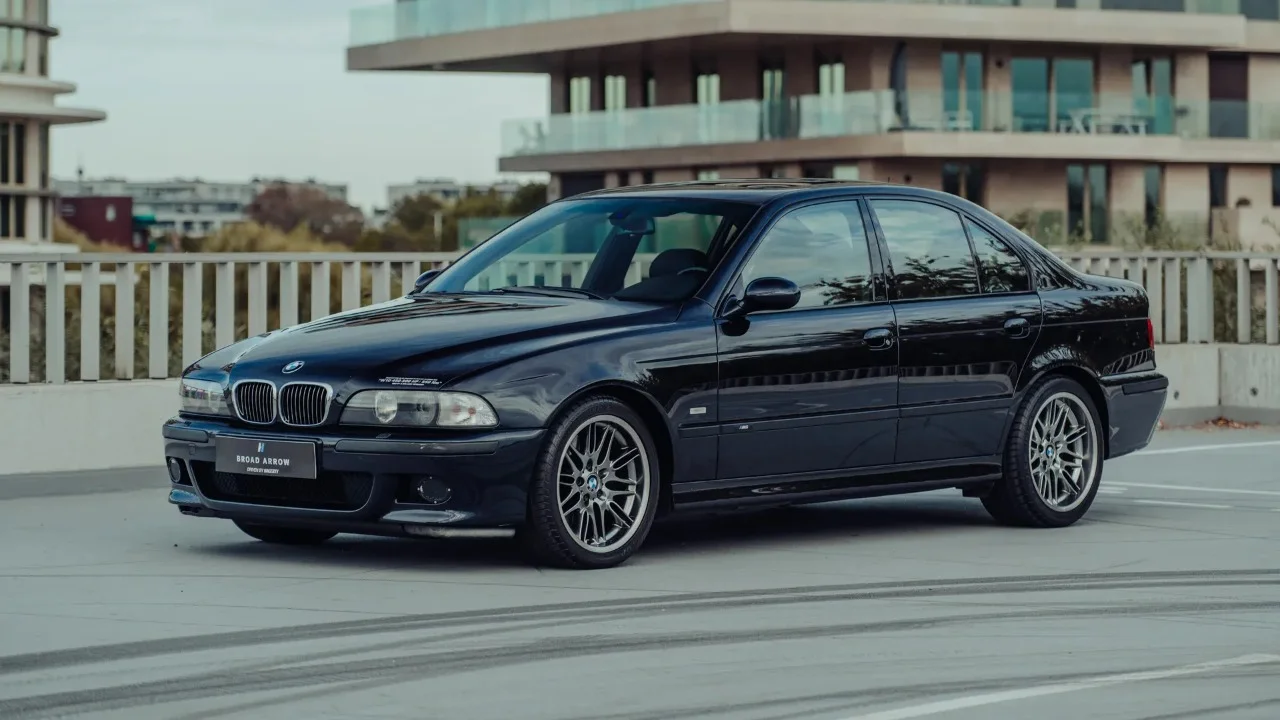

Former VW CEO and Chairman Ferdinand Piëch used a BMW M5 as a daily driver.
There were rumors about it for years, but it’s a well-known fact now.
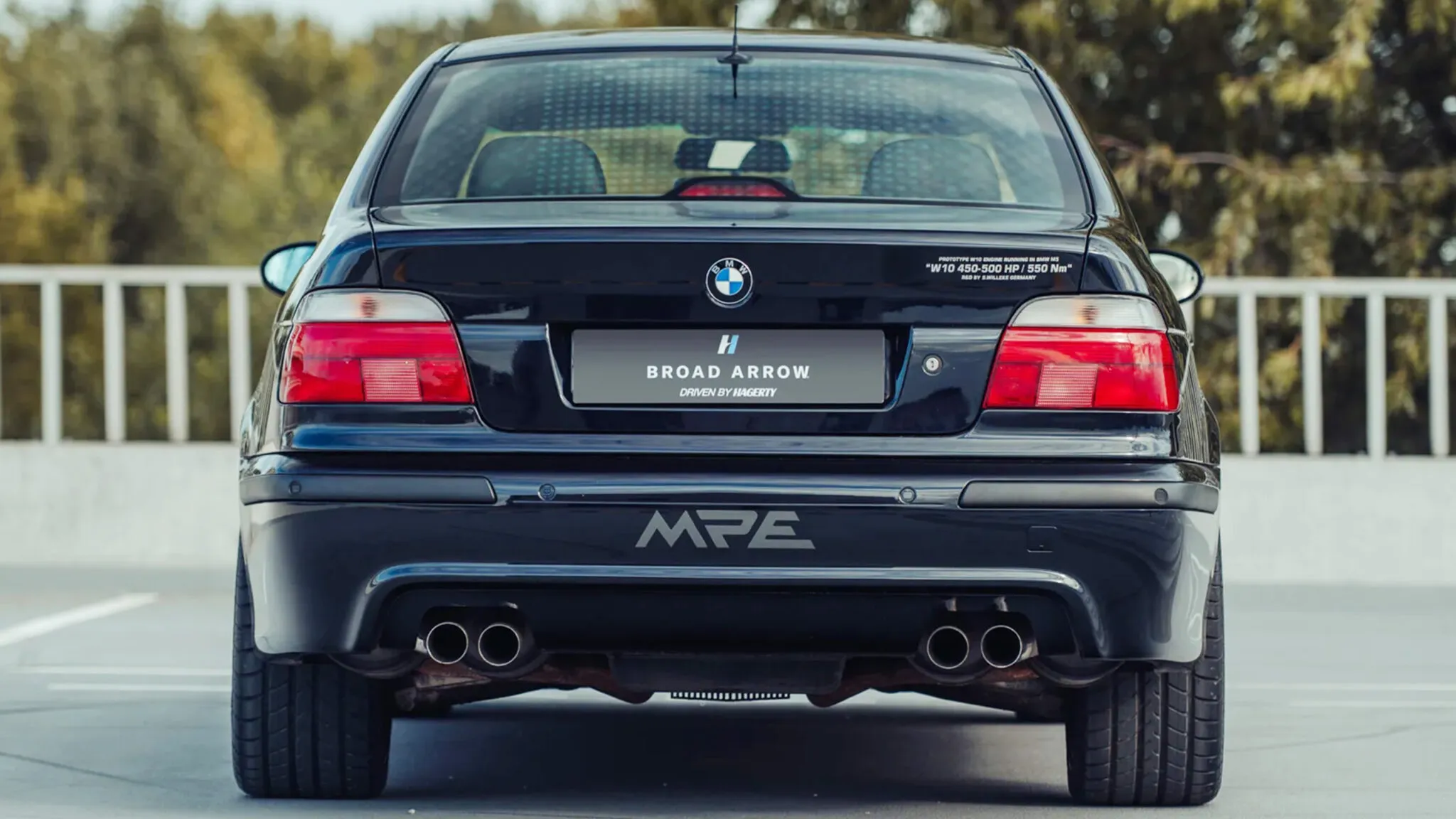
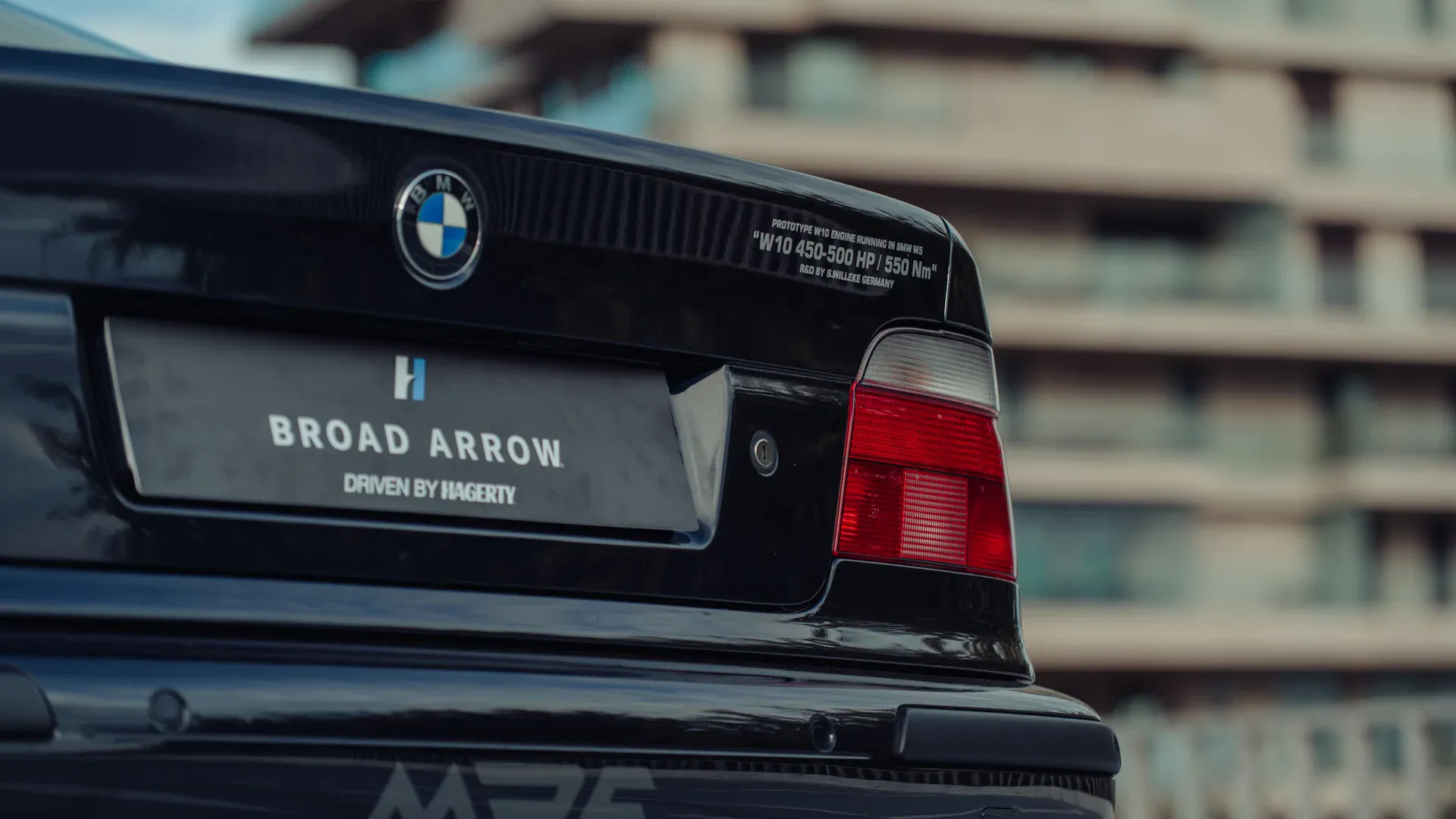
It was no ordinary BMW, though; it was a secret prototype with a W10.
And there are two specific reasons why VW chose a BMW.
The benefits of being a CEO
We can safely pull our heads out of the sand and admit that being the CEO of a car maker is always a well-paid job, but the fun part depends on which company you lead.
We don’t want to name names, but you see where this is going.
Let’s just say that driving a Ferrari or a Lambo as a company car is not the same as driving… something else.
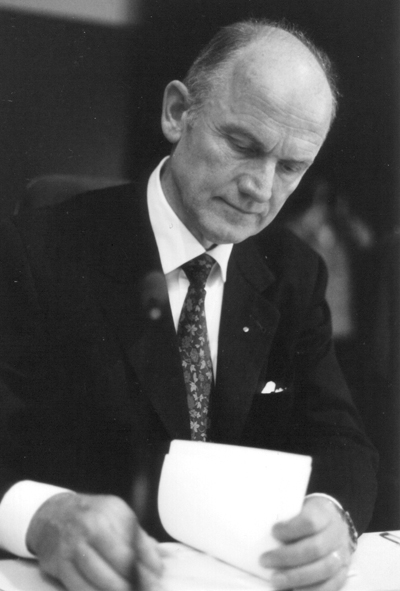
On that front, Ferdinand Piëch must’ve certainly enjoyed his time running (first as CEO and then Chairman) VW Group.
Under his tenure, VW was absolutely on fire.
Cars were selling like hot-cakes, and his era probably coincided with peak German engineering.
The iconic Golf Mk4 R32, the ultra-luxurious and understated VW Phaeton, the Audi TT – the list goes on.
These cars were all built and introduced during his time.
And yet, interestingly, Piëch used something else entirely as a daily driver.
Related
Ferdinand Piëch’s daily driver was a BMW with a hidden secret
At some point, VW began experimenting with W-engines.
They launched a W12, which powered a variety of high-performance sedans and coupes, and of course the Veyron’s W16.
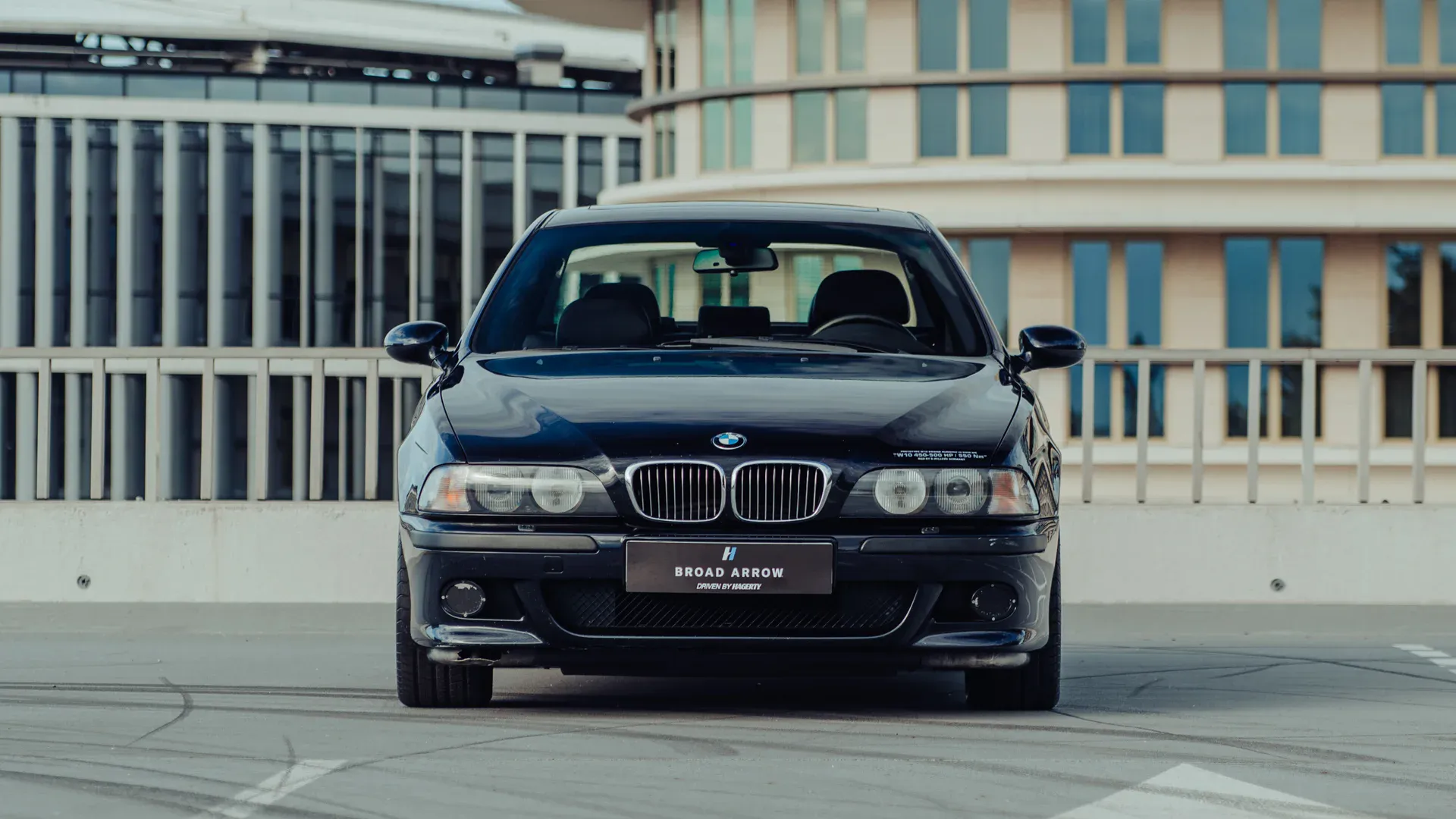
However – and most people may not know this – they also developed a W10.
They weren’t too sure whether it would work so they decided to test it in secret.
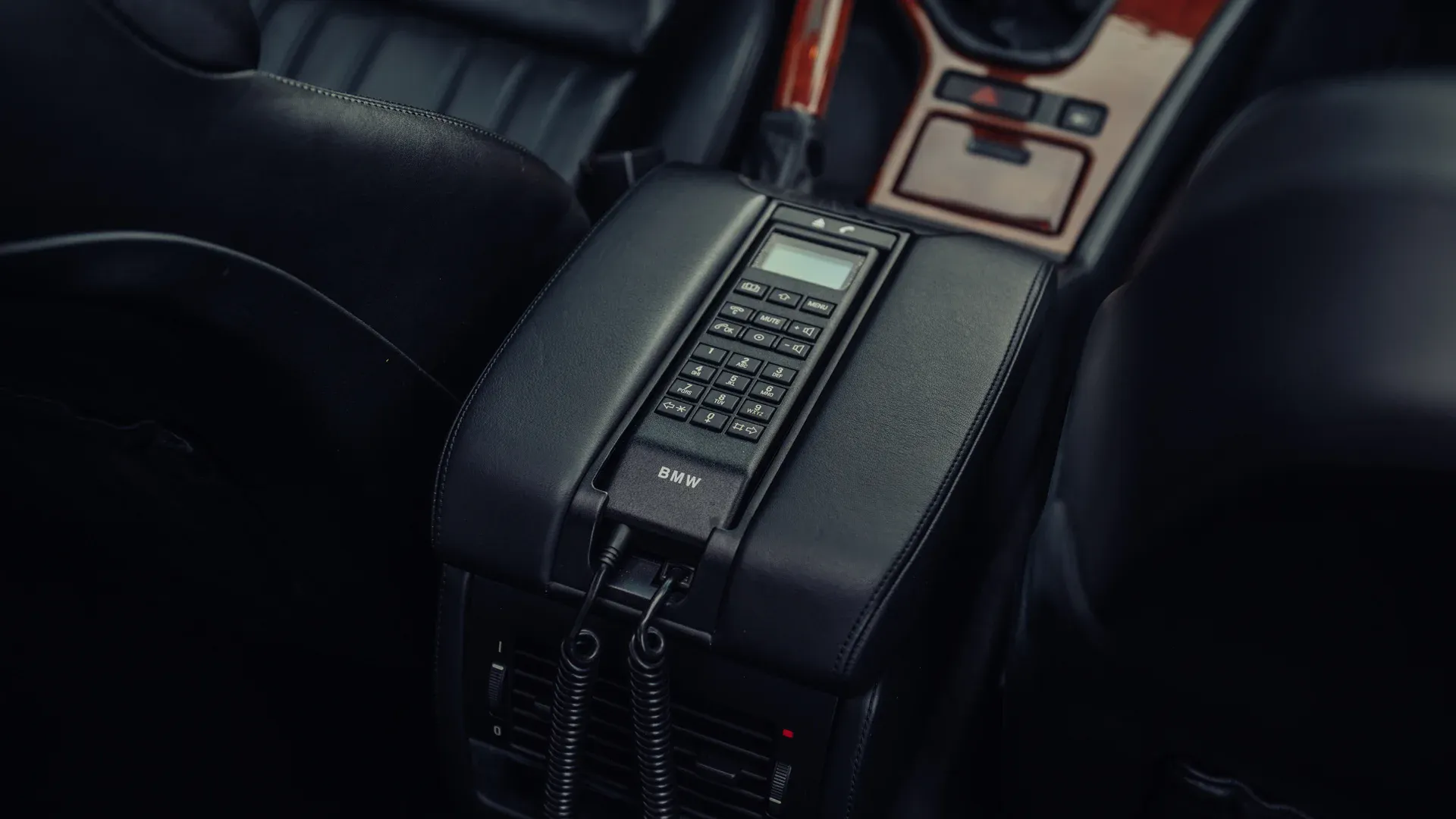
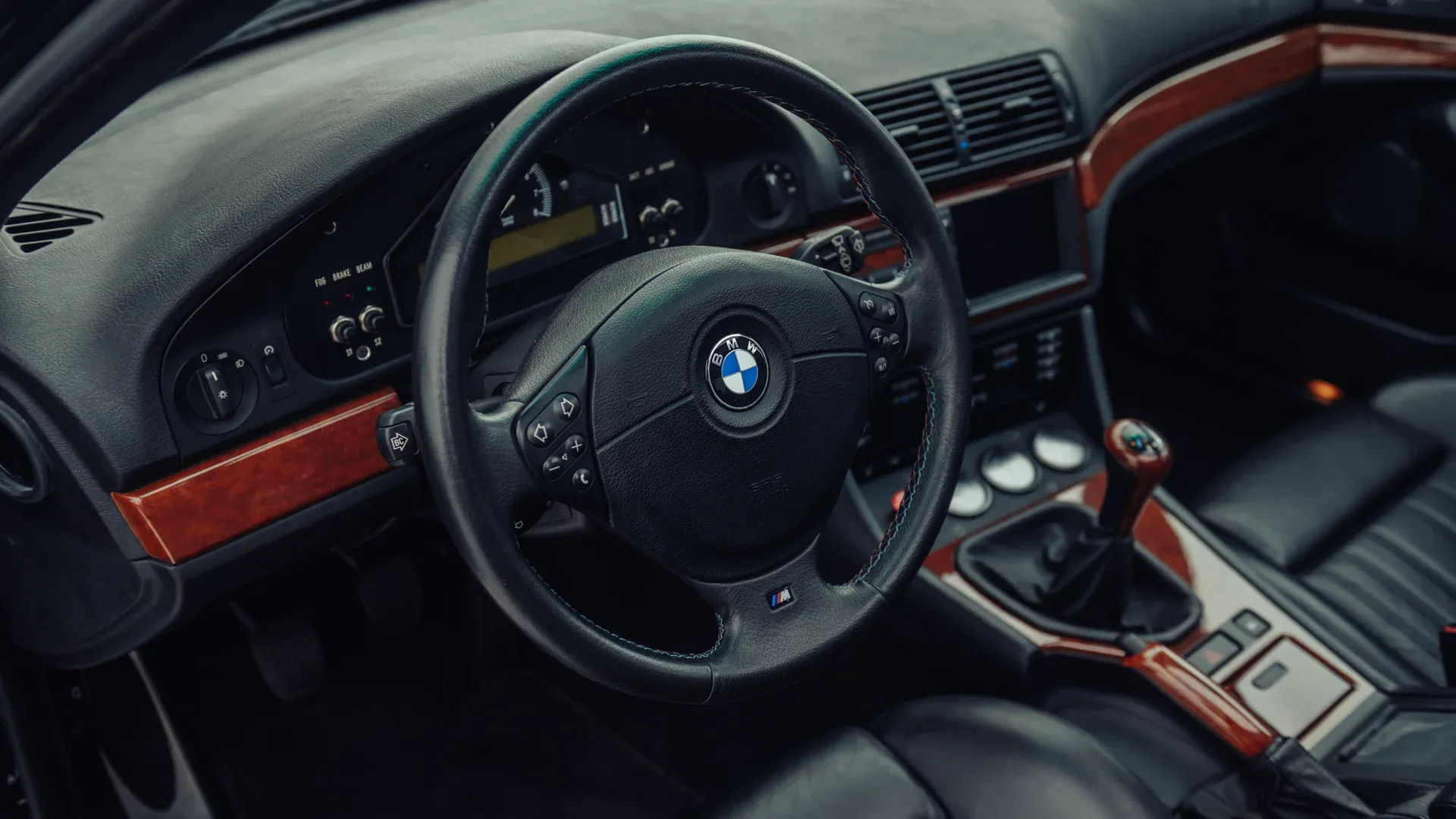
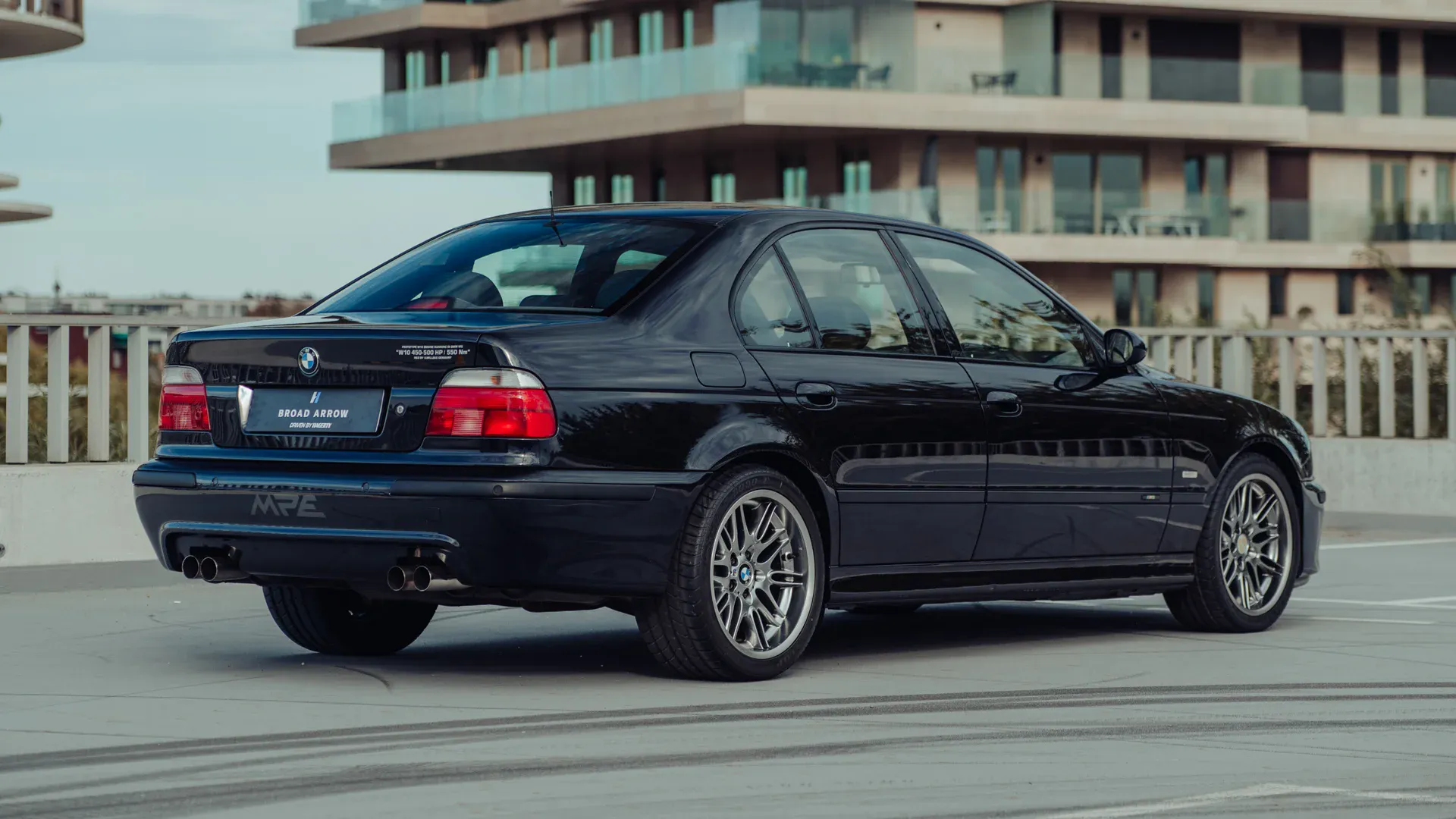
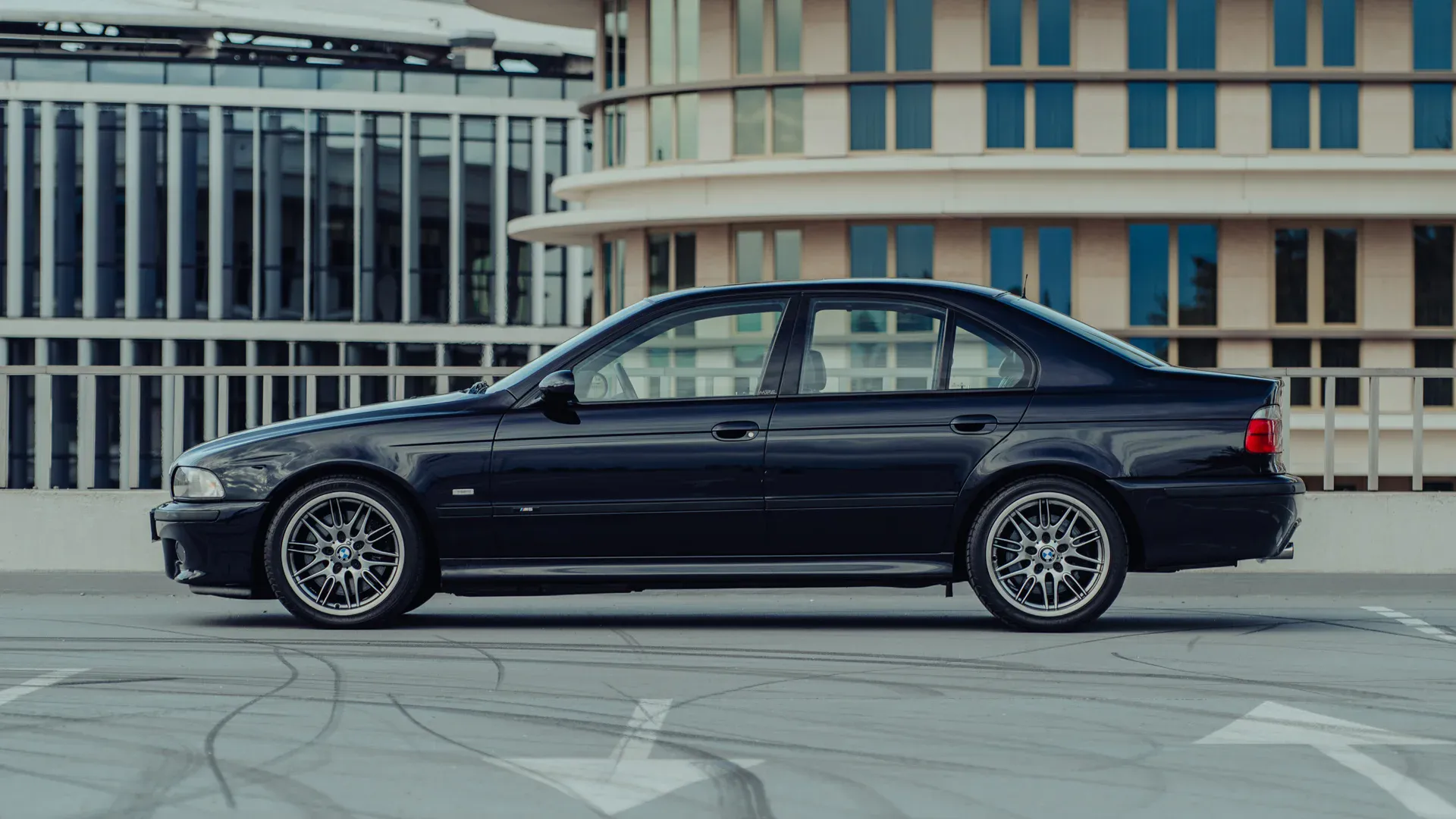
Volkswagen secretly installed it inside an E39-generation BMW M5.
The exterior looked like a standard M5, making it the ideal secret test mule to evaluate the high-performance engine under real-world conditions.
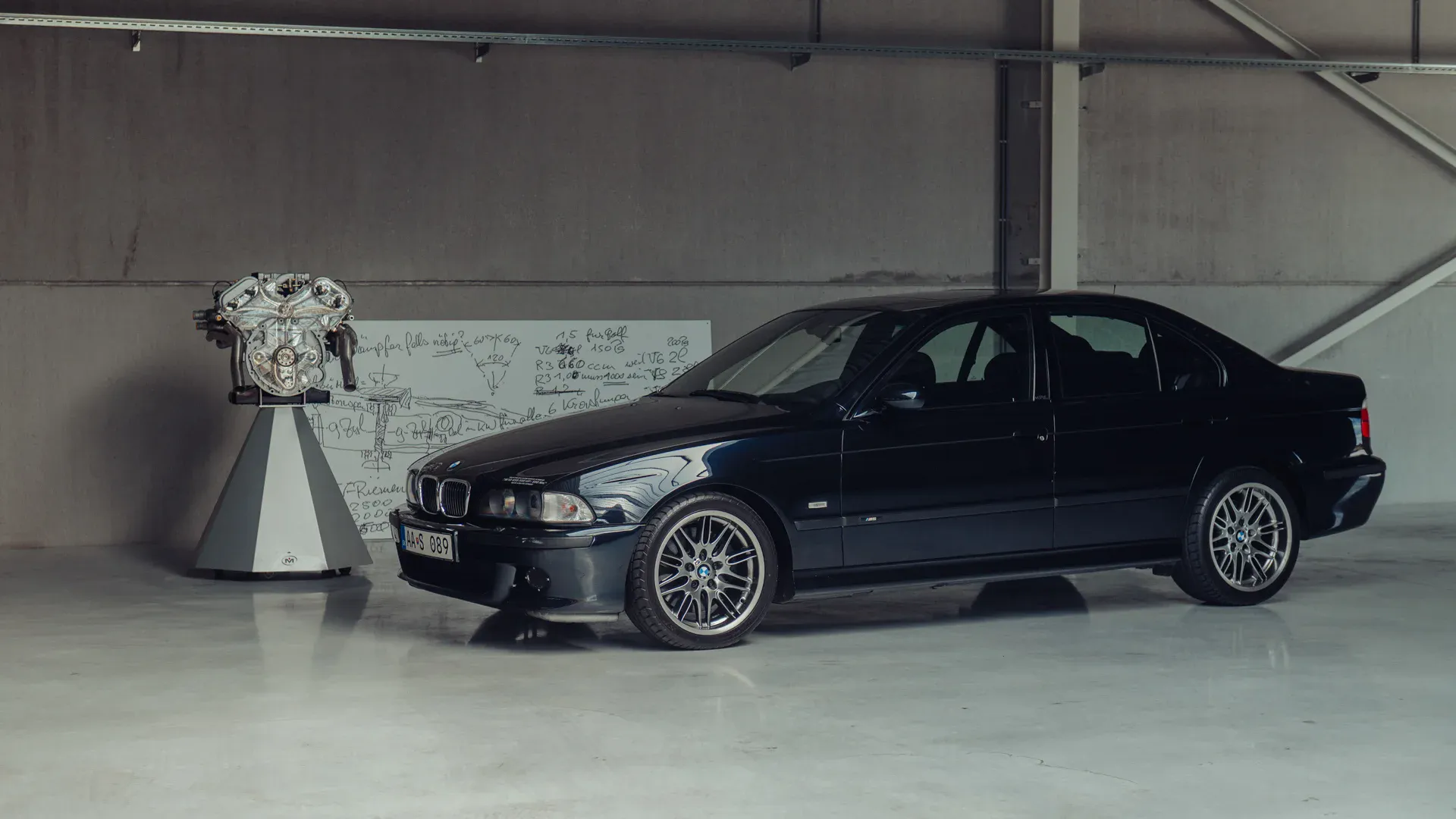
The W10 layout combined two narrow-angle V5 engine blocks on a shared crankshaft, designed as a compact way to package 10 cylinders into engine bays originally built for smaller engines.
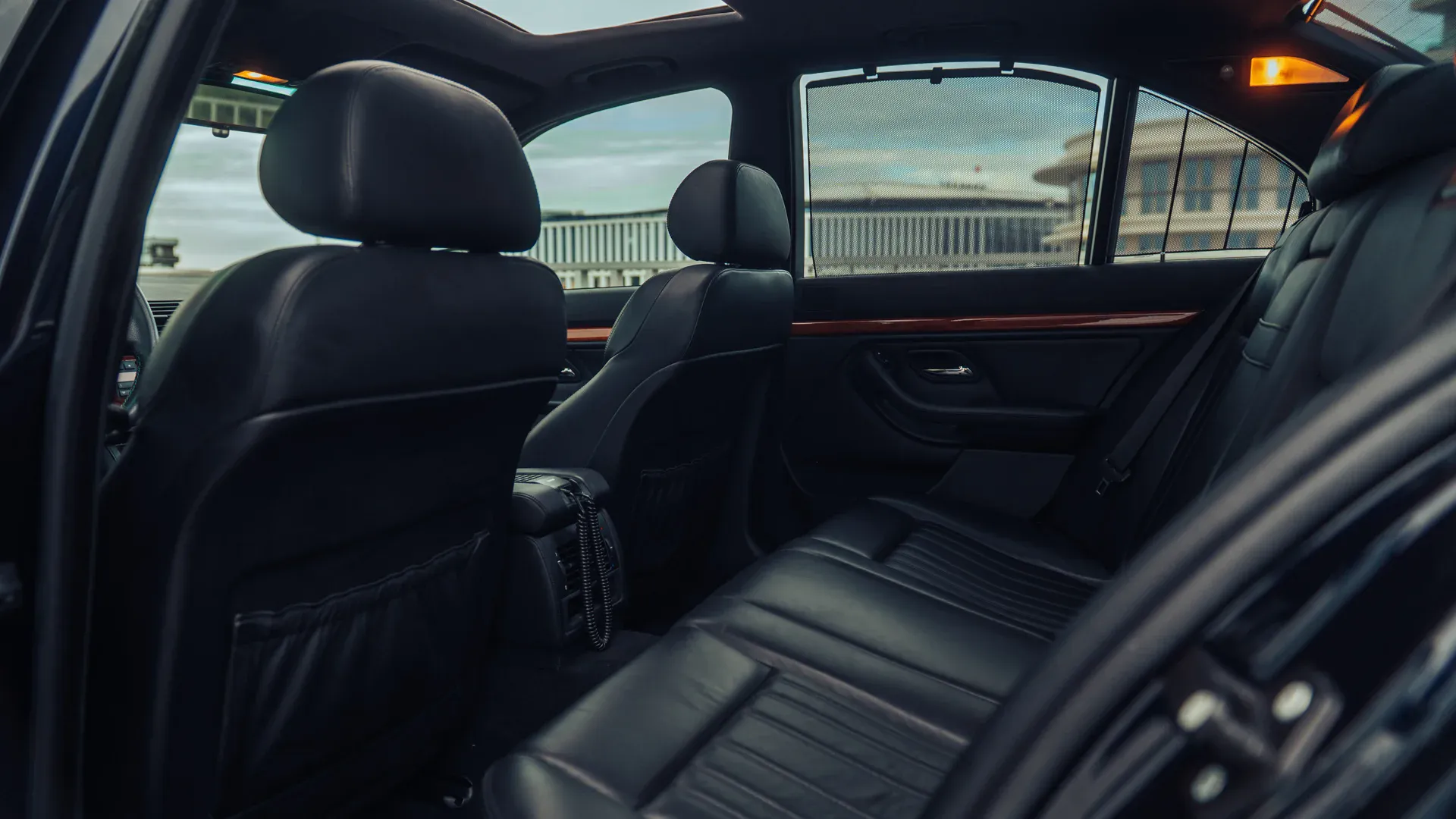
Very few people knew about this until the prototype, which was apparently used almost daily by Piëch, surfaced for sale.
The reason why they chose a BMW
All CEOs drive cars made by other manufacturers.
They have to, because you can’t beat the competition without knowing your competitors.
But, with exceptions, they definitely don’t want to get ‘caught’ doing this.
No one knew this BMW was a secret VW project, which must’ve created a PR risk.
Having said that, Piëch’s leadership style was fierce but he didn’t act like a celebrity, and he was active back when social media wasn’t really a thing.
Certainly not as big as it is today.
So no one ever found out until recently.
But, more importantly, VW made a strategic choice and decided that the pros outweighed the cons.
Using a BMW instead of a VW Group car allowed them to keep this thing a secret.
If somebody asked about rumors of a W10, they could just say: “well, that’s not us. That’s a BMW M5, you see?”
Also, while secrecy was a major bonus, the engineering fit was the core reason.
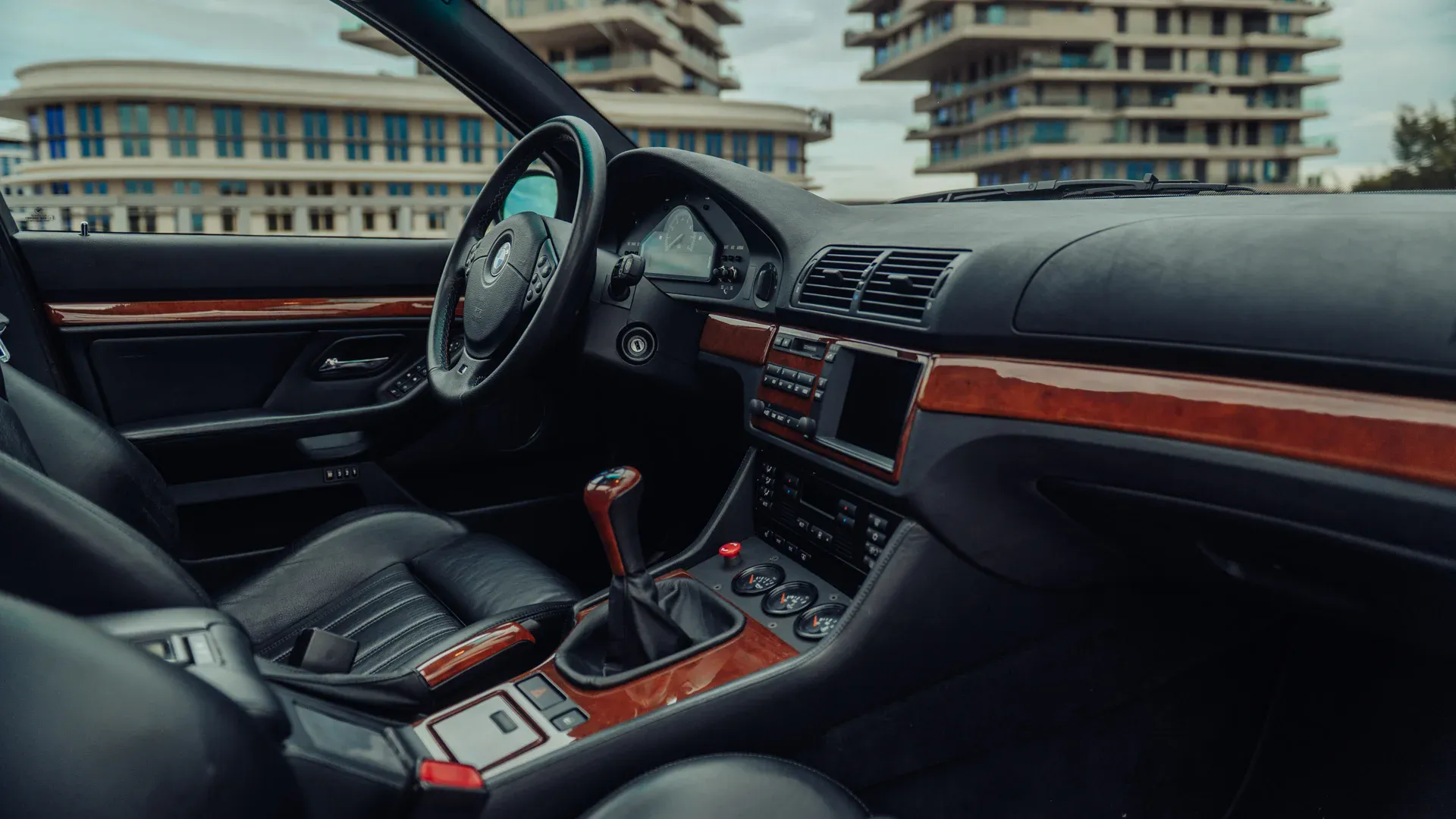
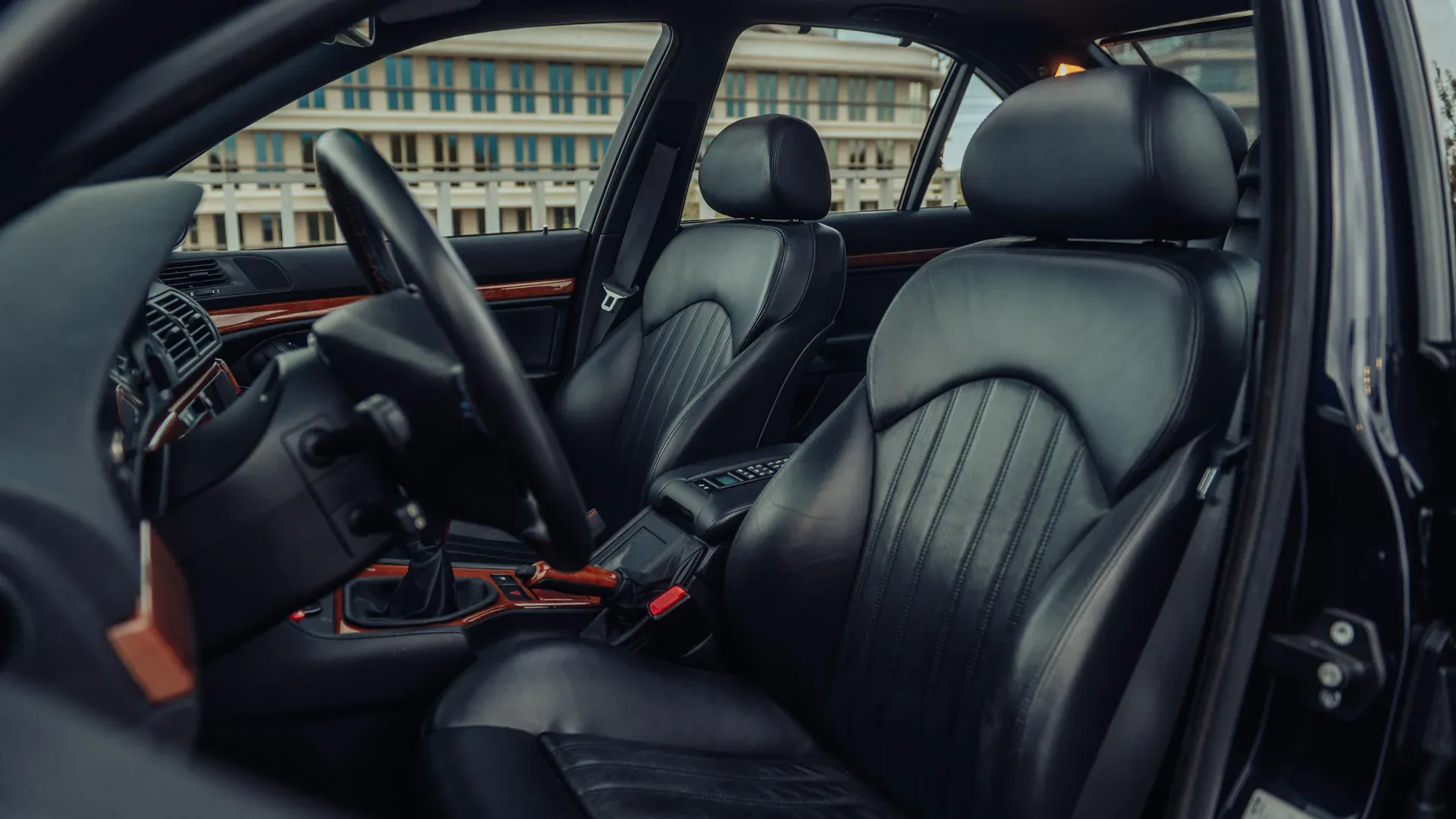
In the late 1990s, Volkswagen Group did not produce a rear-wheel-drive sedan with a high-performance manual transmission and engine bay capable of handling 500+ horsepower.
But we’re willing to bet no one ever admitted this part out loud.
Alessandro is an automotive journalist with 10 years of experience covering supercars, automotive history, emerging vehicle technology, and luxury transportation. He wrote the first article published on SupercarBlondie.com when the website launched in 2022 and has since built a reputation for insightful reporting across the automotive and transportation industries. His expertise is grounded in hands-on experience. Alessandro has driven every Tesla model ever produced, from the original Roadster to the Cybertruck, and regularly covers the latest developments in electric vehicles and automotive innovation. His passion for transportation extends beyond cars, he has even flown a Boeing 787 Dreamliner simulator in Addis Ababa, Ethiopia. His reporting spans everything from classic American muscle cars and rare automotive discoveries to luxury yachts, private aircraft, high-end watches, and cutting-edge vehicle technology. Known for his deep knowledge of automotive history and ability to uncover the stories behind iconic vehicles, Alessandro brings readers a blend of historical context, technical expertise, and first-hand experience.