This airport runway is the toughest to land on in Europe but it used to be even worse before an engineering masterstroke changed everything
Published on Feb 16, 2026 at 6:35 AM (UTC+4)
by Henry Kelsall
Last updated on Feb 12, 2026 at 6:09 PM (UTC+4)
Edited by
Emma Matthews
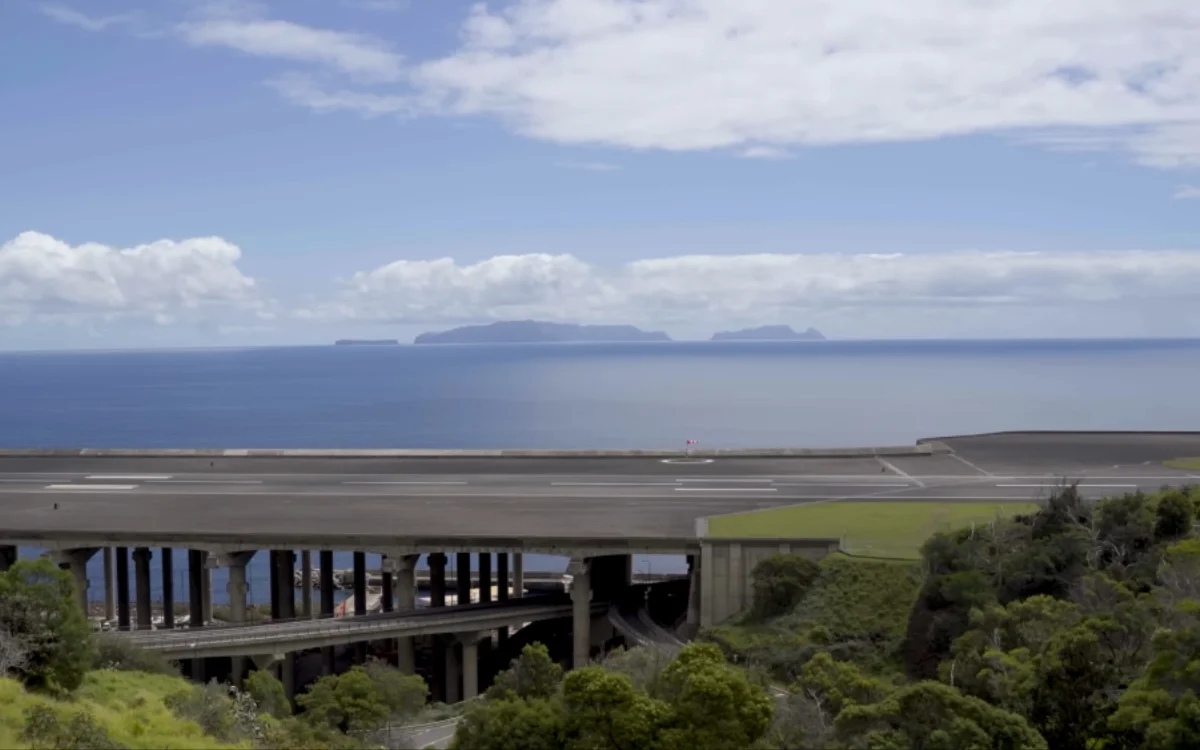

Famous YouTuber Tom Scott looked at an airport runway that’s considered Europe’s toughest to land on, but incredibly, it was once even harder before an engineering masterstroke changed everything.
The airport in question is Funchal Airport, on the island of Madeira, and its runway was once too short for modern commercial airliners.
But there was nowhere the runway could be extended to, so the operators of the airport were at a loss as to what they could do.
Incredibly, a masterstroke of engineering was found to make the runway longer, even if it remained tough to land on.
DISCOVER OUR SUPERCAR AUCTION SITE – View live auctions on SBX Cars
Why this airport runway is the toughest to land on in Europe
The runway was built in the 1960s, which was tough enough due to Madeira’s mountainous terrain.
It was short as runways generally go, but long enough for the airplanes of the time.
However, as aircraft kept getting bigger and holiday package deals became popular, the runway soon outlived its purpose.
With it already too short and sticking out into the ocean, it wasn’t easy to land on.
A solution was badly needed to ease the situation.
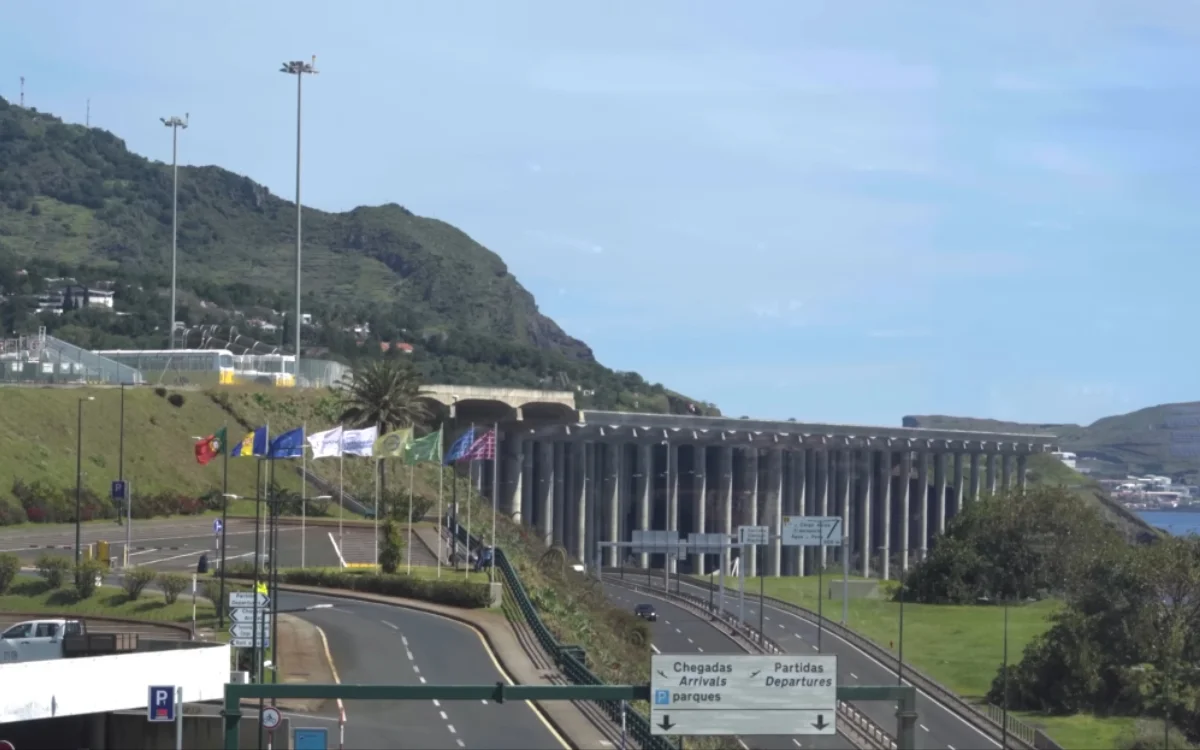
So what they did was create a runway extension and built it on stilts.
The runway sat on a reinforced concrete structure, adding 1,000ft to its length.
It was easily one of the most remarkable engineering projects of its time.
Click the star icon next to supercarblondie.com in Google Search to stay ahead of the curve on the latest and greatest supercars, hypercars, and ground-breaking technology
Making the runway easier to land on
Adding this extra length certainly helped pilots land on Madeira.
The longer runway meant larger planes could land at Funchal Airport.
Pilots also had more distance to play with if they had to suddenly abort a takeoff.
The space underneath the extension is so vast that it accommodates a boatyard and go-kart track.
Supporting the weight of the runway extension was harder to deal with than the simple weight of an airplane.
Huge concrete pillars hold it up, which are buried deep into the ground.

To keep airplanes safe, the runway has a wheel guard, ensuring wheels don’t pass the barrier.
An inclined barrier holds the aircraft up if there is an accident.
It is, however, still the toughest to land on in Europe, due to gusting winds and its tight approach pattern.
But the airport runway is far safer than it would have been had the impressive extension never been built.
Funcahl Airport History
1964 – Funchal Airport officially opens with a 1,600-meter (approx 5,249 feet) runway, boosting Madeira’s accessibility.
1977 – A tragic TAP Air Portugal crash highlights the runway’s safety limitations.
1982–1986 – First major runway extension increases length to 1,800 meters (approx 5905 feet).
1990s Expansion – Plans approved for a dramatic offshore runway extension supported by concrete pillars.
2000 – New 2,781-meter (approx 9,124 feet) runway opens, built partly over the ocean on 180 columns.
2016 – Airport renamed Cristiano Ronaldo International Airport in honour of Madeira’s football icon.
Today – Recognized as one of Europe’s most challenging and visually spectacular airport landings.
DISCOVER SBX CARS: The global premium car auction platform powered by Supercar Blondie
Henry joined the Supercar Blondie team in February 2025, and since then has covered a wide array of topics ranging from EVs, American barn finds, and the odd Cold War jet. He’s combined his passion for cars with his keen interest in motorsport and his side hustle as a volunteer steam locomotive fireman at a heritage steam railway.