Men drive cheap Chinese EV 417 miles in one day to see if it's as terrible an idea as it sounds
Published on Sep 19, 2026 at 5:52 AM (UTC-4)
by Daisy Edwards
Last updated on Sep 19, 2026 at 5:52 AM (UTC-4)
Edited by
Mason Jones
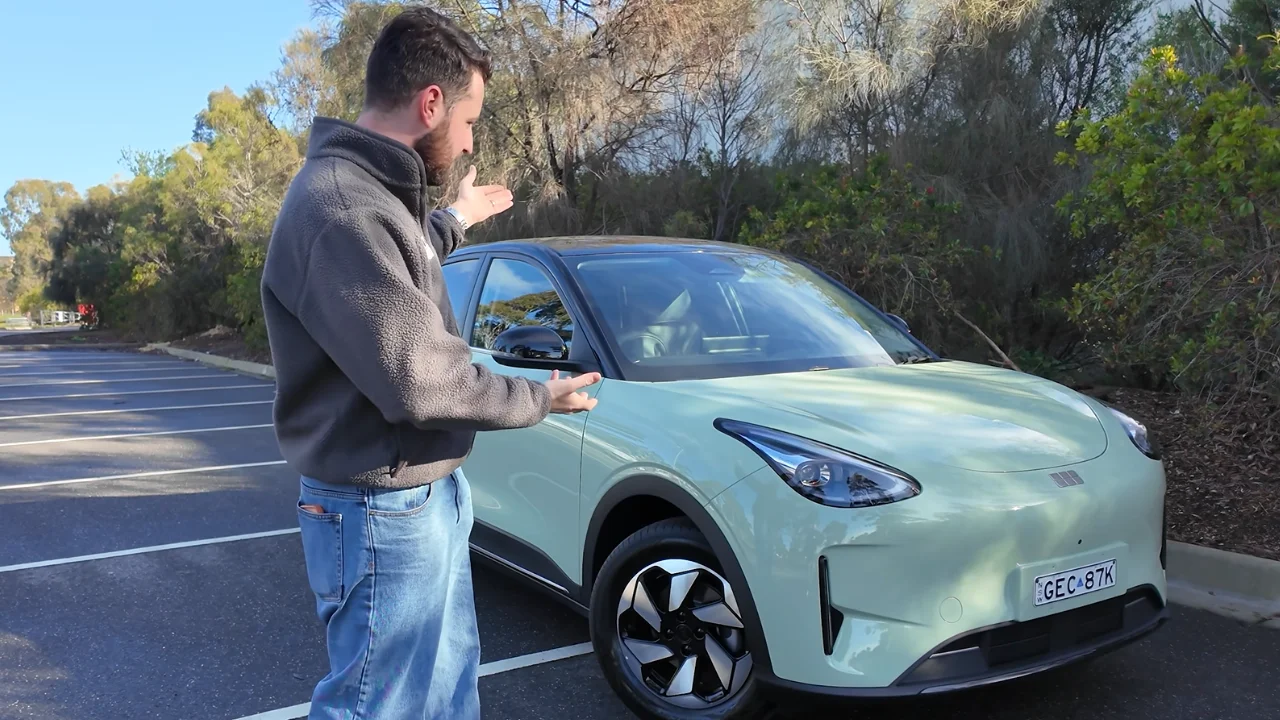

Two men decided to put one of the cheapest new EV models they could buy through one seriously ambitious road trip.
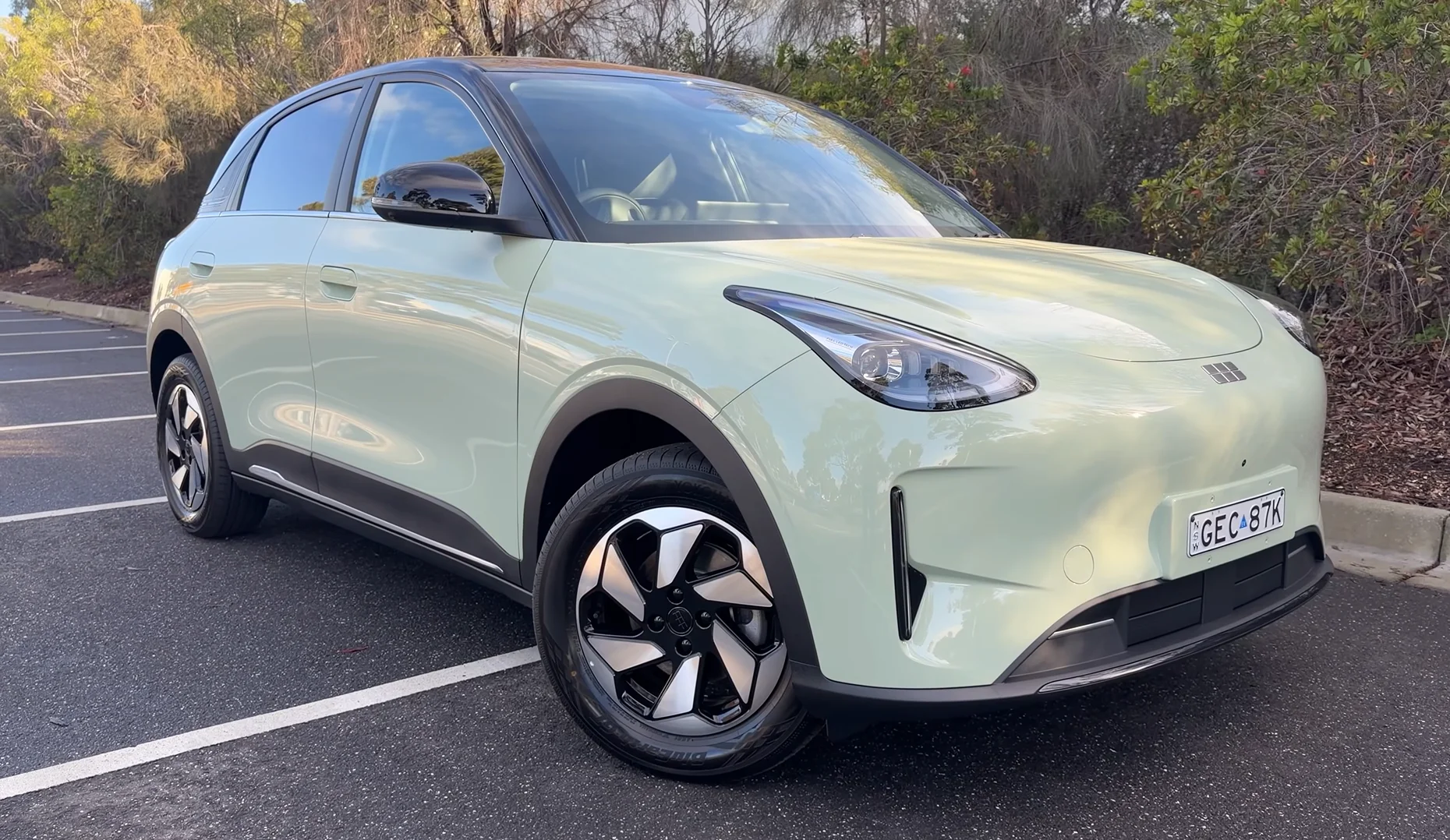
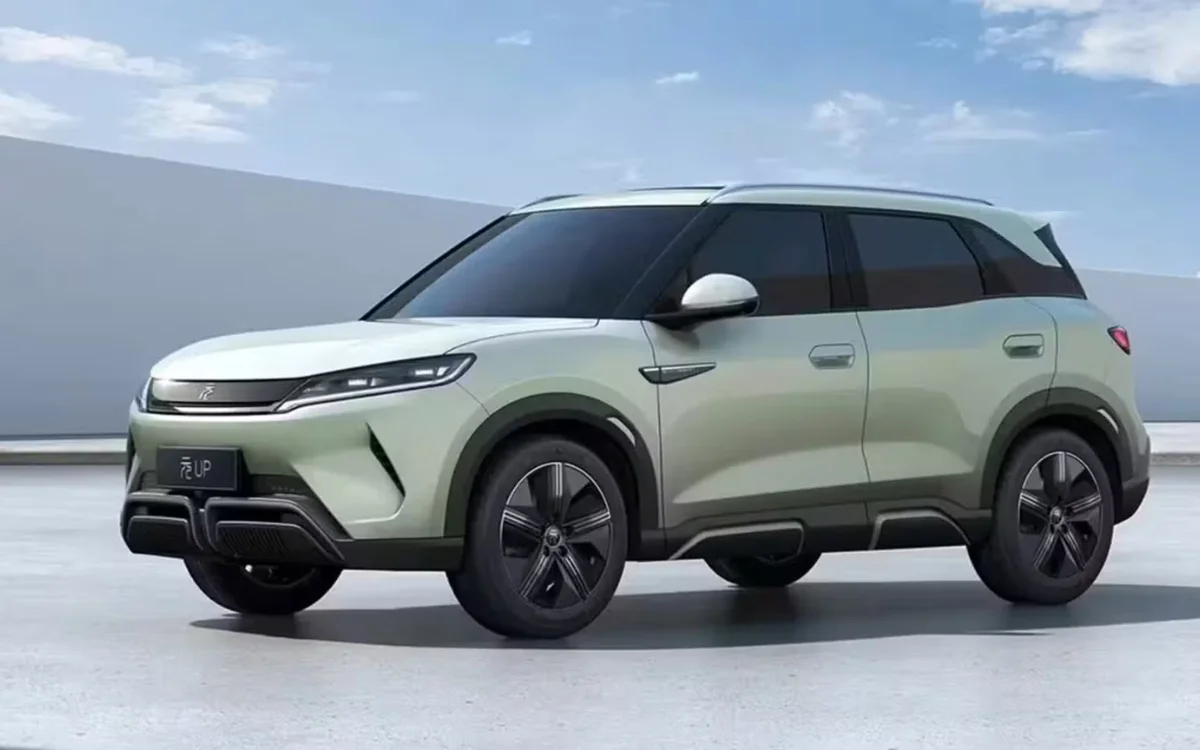
The Geely EX3 was designed primarily as a city car, but that didn’t stop them from driving it hundreds of miles across Australia and back in a single day.
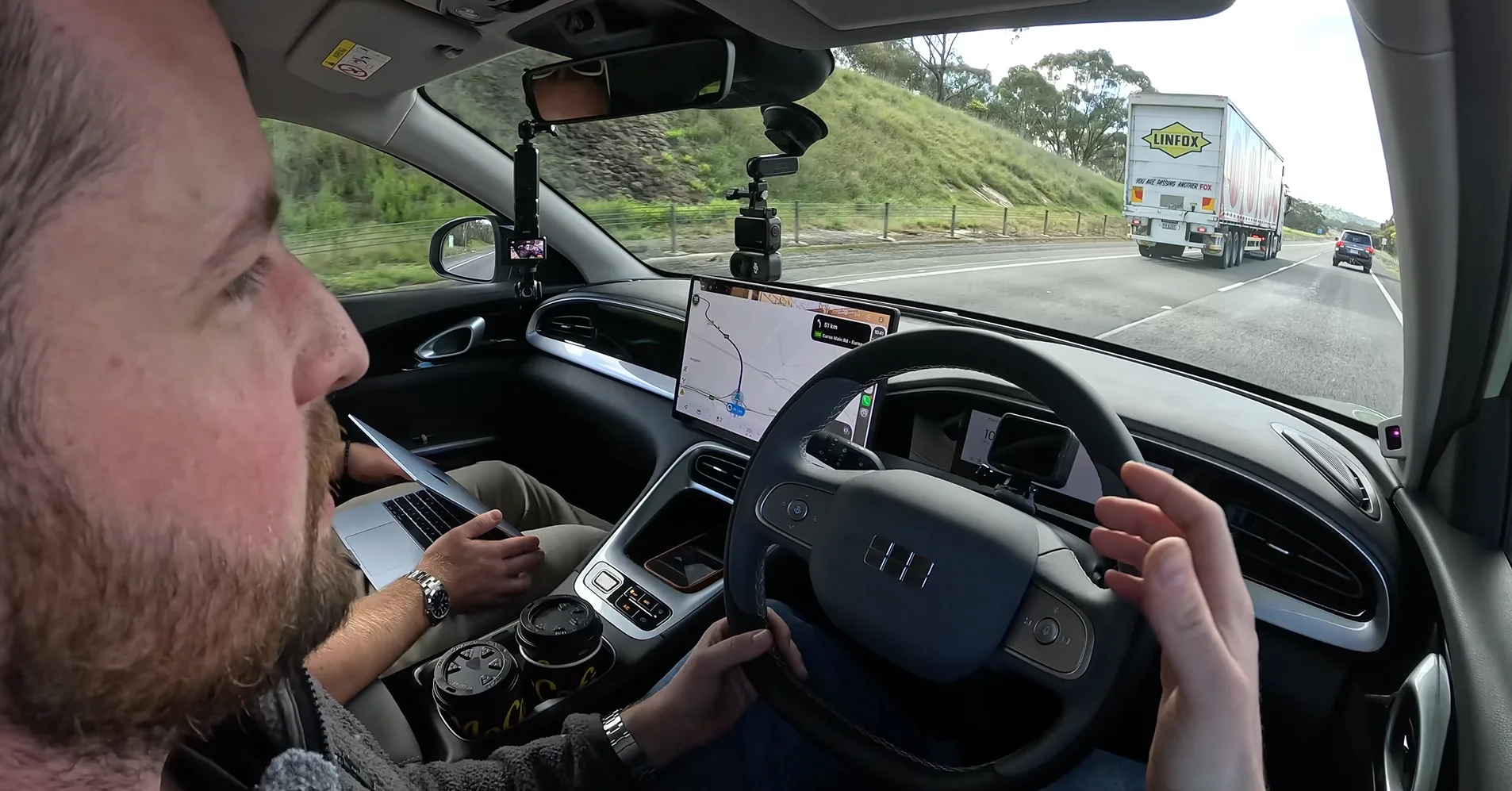
With highway speeds, cold weather, two passengers and plenty of camera equipment, it was about as tough a test as the little EV could face.
And surprisingly, it didn’t turn out to be the disaster they were expecting.
The cheap EV was pushed to its limits
The EV challenge started in Melbourne, with the pair planning to cross into New South Wales before turning around and heading home.
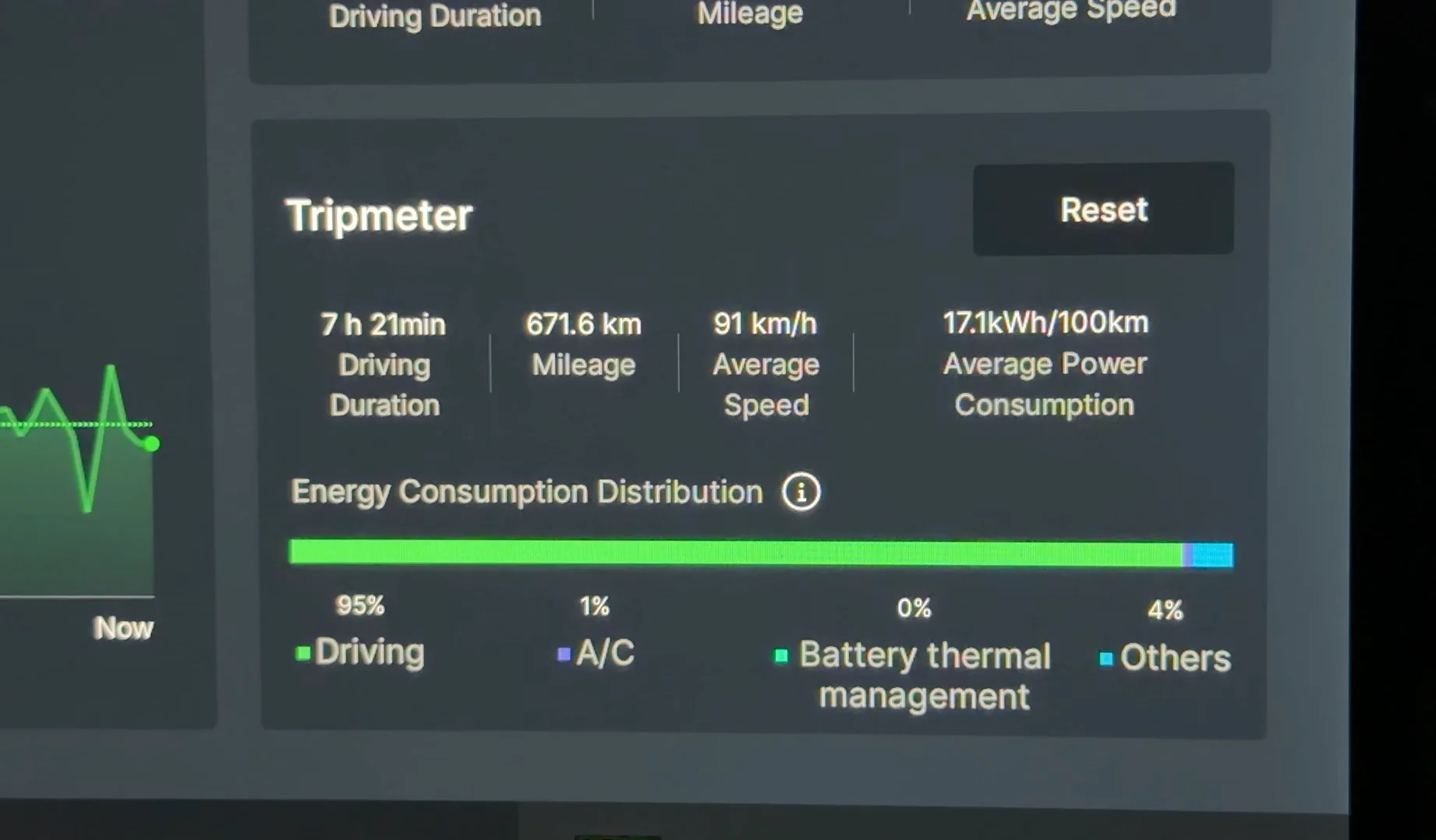
The journey ended up covering 671 km – or around 417 miles – rather than the planned 700 km, with the men spending seven hours and 20 minutes actually driving.
Including charging, food and various delays, the entire adventure took around 11 and a half hours.
The Geely has a 47.1 kWh LFP battery and a claimed WLTP range of 345 km, although the YouTubers from CarSauce expected considerably less on the highway, which didn’t initially prove to be the case.

Driving at around 110 km/h, the EV was returning around 15.6 kWh per 100 km, with the last 50 km of the first leg dropping to just 14.3 kWh per 100 km.
“Yeah, I’m honestly impressed so far. But, we’ve got a long way to go. Things could go south,” one of the YouTubers said.
The car also proved comfortable at highway speeds, with adaptive cruise control and lane centering working well.
Related
The biggest problem wasn’t the car
The biggest headache of the trip turned out to be something the Geely couldn’t control – Australia’s public charging network.
At the first charging stop, one charger was limited to around 40 kW despite the EX3 being capable of accepting up to 80 kW.
The station then suffered network problems, with the car repeatedly starting and stopping its charge.
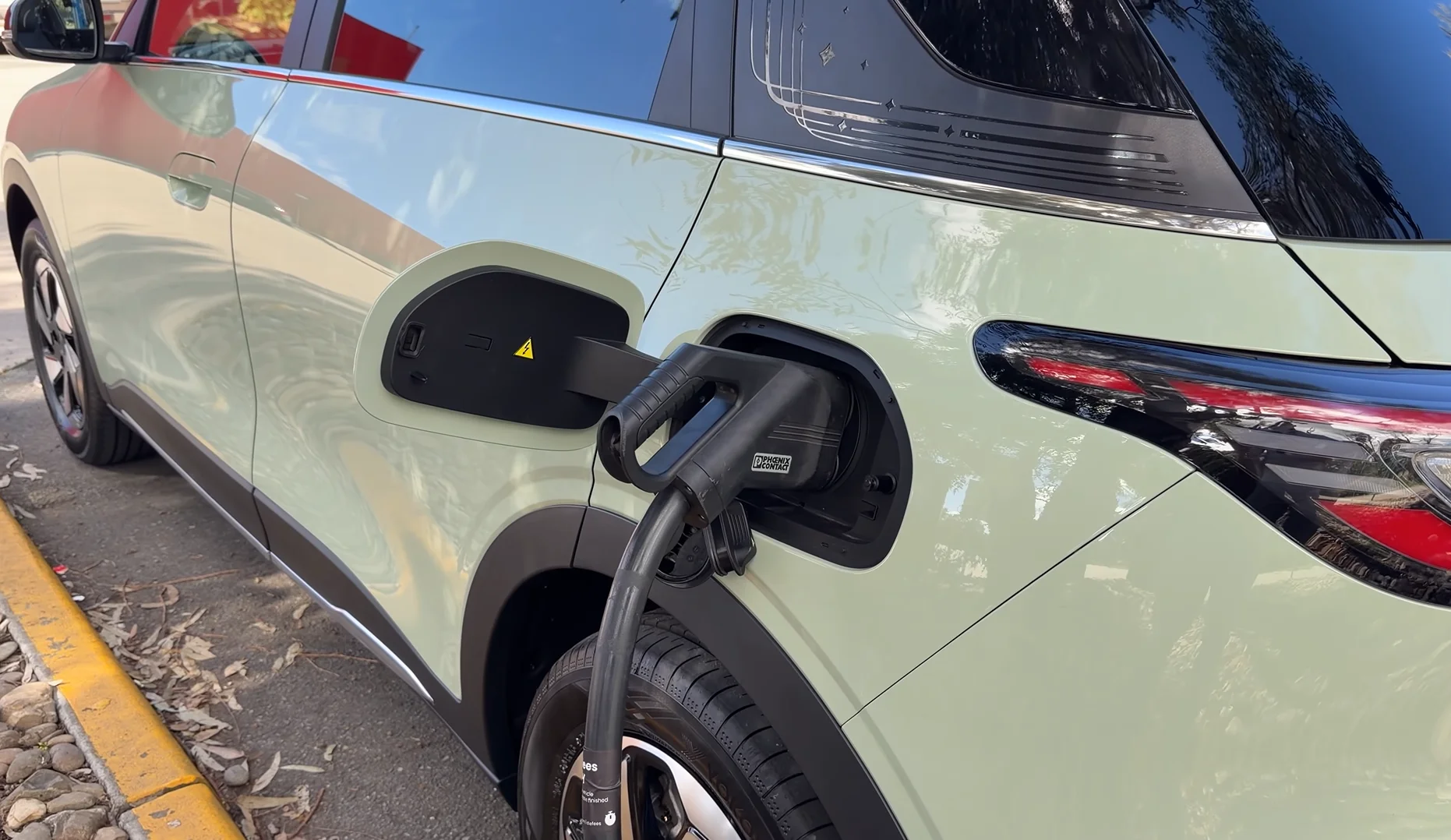
Things were much better at the next stop, where the EX3 pulled around 79-80 kW consistently and managed to go from just under 30 percent to full in around 40 minutes.
The return journey brought another round of charging drama, with occupied chargers, confusing power ratings and another failed charging attempt leaving the pair wondering whether they would actually make it home.
They eventually charged back up to 82 percent and set off for the final leg.
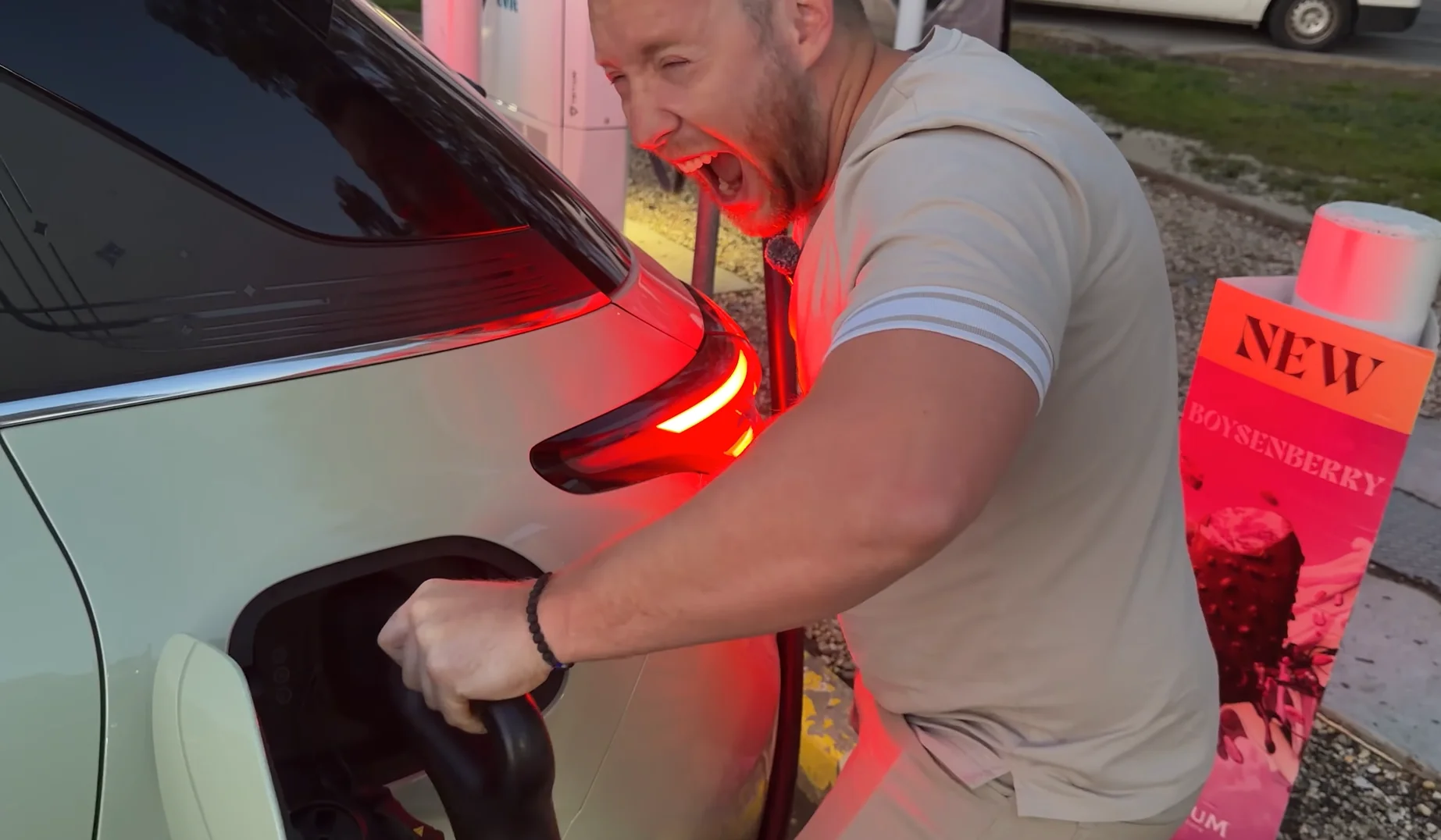
By the time they arrived home, the EX3 had used 127.77 kWh according to their calculations and had consumed around 19 kWh per 100 km in real-world conditions.
That figure doesn’t sound particularly spectacular, but the circumstances were far from ideal.
They were driving at highway speeds in winter, temperatures had dropped to around 8-9 degrees Celsius, the car was carrying two people and camera equipment, and the return journey appeared to involve a headwind.
Around town, the EX3 was considerably more impressive, managing just 11.6 kWh per 100 km.
The entire trip cost A$67.57 in public charging, compared with an estimated A$105 for a gasoline-powered Geely covering the same distance.
So, despite setting out to see whether taking a cheap Chinese city EV on a huge road trip was a terrible idea, the car itself actually came away looking pretty good.

The YouTubers’ biggest criticism was reserved for the public chargers, which repeatedly caused delays and confusion.
In the end, the tiny EV managed more than 400 miles in a single day – and proved that its biggest limitation might not be the car at all.
Daisy is a technology and automotive journalist covering artificial intelligence, consumer tech, Apple news, cryptocurrency, emerging technologies, and transportation innovation. Since joining the team in 2025, she has reported on everything from AI-powered startups and major iOS updates to viral car stories and the latest developments shaping transportation and the digital economy. Drawing on her background in automotive journalism and a degree in History and Journalism from Goldsmiths, University of London, Daisy specializes in breaking down complex topics into clear, engaging reporting for a global audience. Her work spans cutting-edge technology, innovative vehicles, and the people driving change across both industries. Daisy has gained first-hand access to some of the world's most talked-about technologies and innovators, including meeting Tesla's Optimus humanoid robot during its first European appearance in London. She has also discussed the future of space exploration with an astronaut, bringing unique insights and real-world perspectives to her coverage of emerging technology.