Goodyear once made illuminated tires that lit up 1960s roads, but they were pulled for one reason that now seems obvious
Published on Aug 22, 2025 at 11:29 PM (UTC-4)
by Alessandro Renesis
Last updated on Aug 22, 2025 at 11:29 PM (UTC-4)
Edited by
Kate Bain
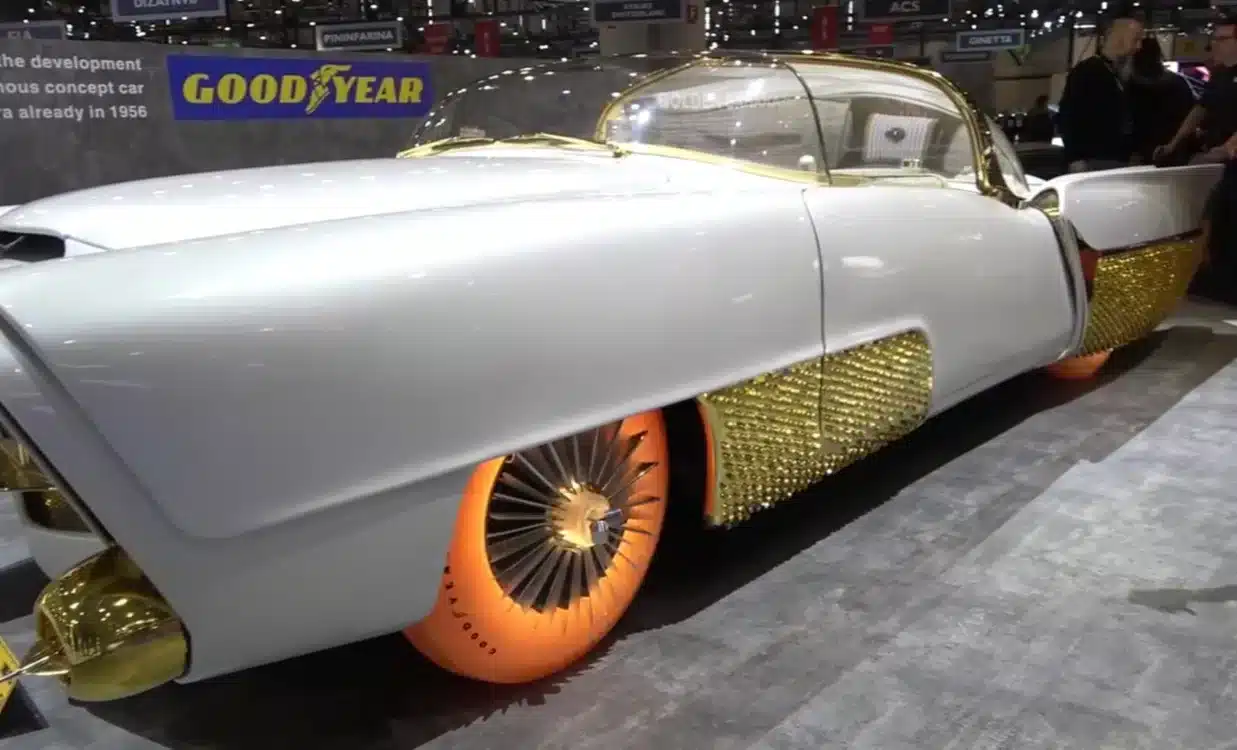

In the 1960s, Goodyear created glowing tires that anyone could buy.
It was a radical idea, and an interesting one too.
But it didn’t last long.
For reasons that seem quite obvious in hindsight, these experimental tires never hit mainstream production.
DISCOVER SBX CARS: The global premium car auction platform powered by Supercar Blondie
Why the Goodyear glowing tires were dangerous
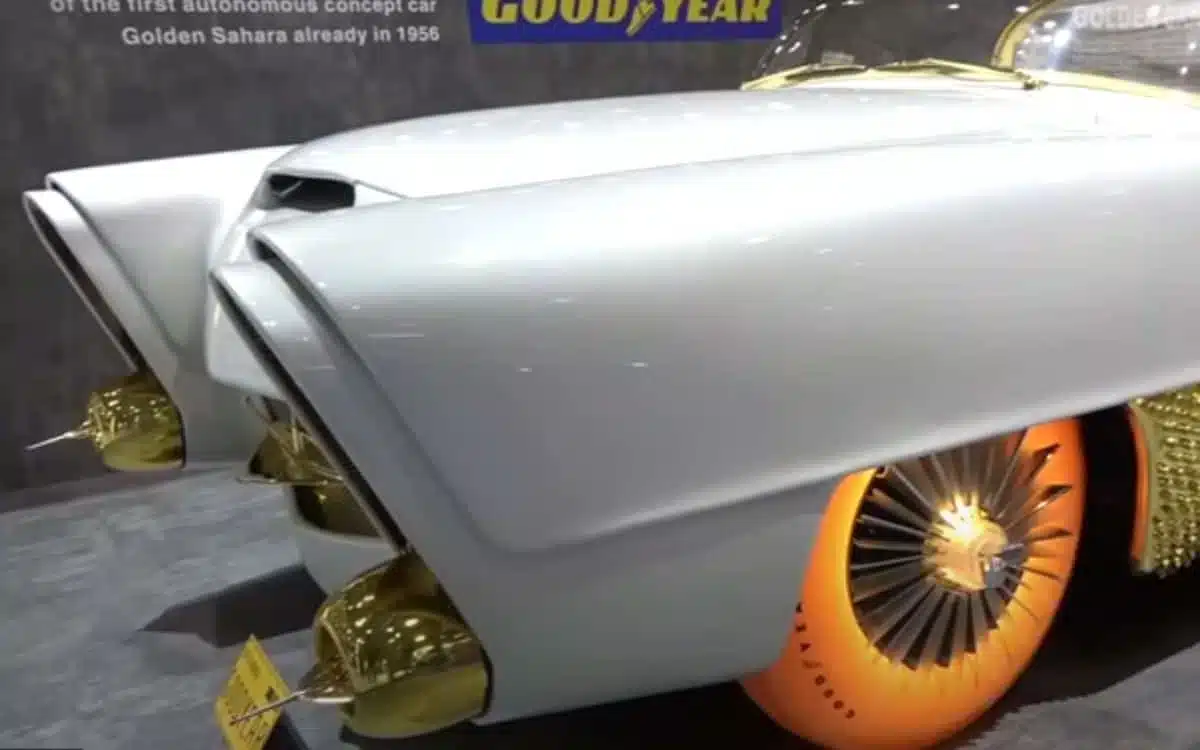
In the 1960s, Goodyear created a new type of tire that glowed in the dark.
The tires were made of Neothane, a type of synthetic rubber that allowed Goodyear to create tubeless and cordless tires.
As a bonus, the tires were translucent.
Goodyear marketed the tires as glowing and customizable, in that you could simply dye them a different color and they would glow yellow one day, and maybe red or green the next.
The problem, which in hindsight was quite obvious, was that these tires were distracting other drivers, making them dangerous.
People would abruptly brake and slow down to look at them, distracting them to where it was dangerous.
As a result, these experimental tires never hit the mainstream market.
But not all was lost, because Goodyear used them for something else: the Golden Sahara concept.
The iconic Golden Sahara concept
Goodyear is always ready to try out new things, which is why, for example, the company also makes tires for Moon rovers.
So when they developed glowing tires, they decided they also wanted a concept car to show them off.
That’s the idea behind the Golden Sahara II.
Loosely based on a 1953 Lincoln Capri, the Golden Sahara II was fitted with voice commands, a TV, a fridge, sensor-based emergency braking and a remote control.
This was technically a ‘driverless’ car, because it could be driven using a Boeing 747-style yoke device, which controlled the steering as well as acceleration and the brakes.
This concept is also worth a lot of money.
In 2018, the Golden Sahara II sold at auction for $385,000.
You can check it out in more detail in the Supercar Blondie video at the top of this page.
Alessandro is an automotive journalist with 10 years of experience covering supercars, automotive history, emerging vehicle technology, and luxury transportation. He wrote the first article published on SupercarBlondie.com when the website launched in 2022 and has since built a reputation for insightful reporting across the automotive and transportation industries. His expertise is grounded in hands-on experience. Alessandro has driven every Tesla model ever produced, from the original Roadster to the Cybertruck, and regularly covers the latest developments in electric vehicles and automotive innovation. His passion for transportation extends beyond cars, he has even flown a Boeing 787 Dreamliner simulator in Addis Ababa, Ethiopia. His reporting spans everything from classic American muscle cars and rare automotive discoveries to luxury yachts, private aircraft, high-end watches, and cutting-edge vehicle technology. Known for his deep knowledge of automotive history and ability to uncover the stories behind iconic vehicles, Alessandro brings readers a blend of historical context, technical expertise, and first-hand experience.