Google billionaire Sergey Brin is building a massive 607ft electric airship in Ohio that can stay airborne for two weeks
Published on Nov 06, 2026 at 5:02 PM (UTC-5)
by Alessandro Renesis
Last updated on Nov 06, 2026 at 5:02 PM (UTC-5)
Edited by
Mason Jones
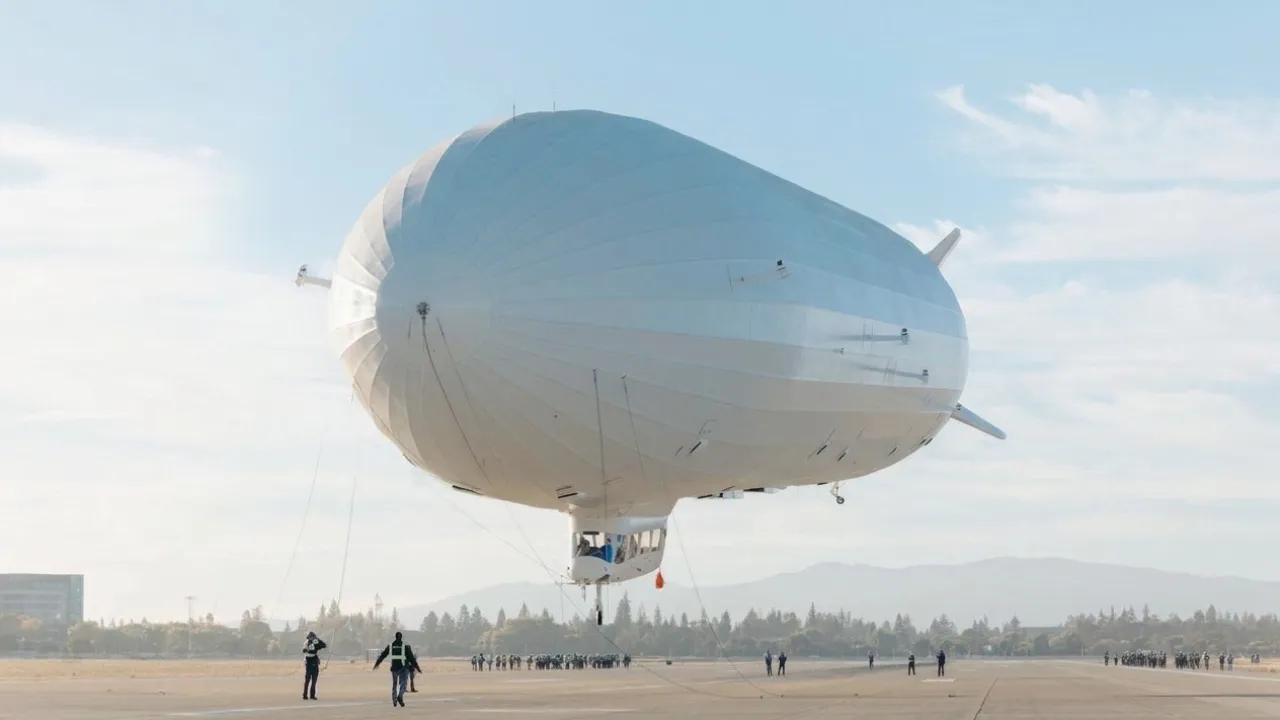

Google co-founder Sergey Brin is building an electric airship in Ohio that’s probably more impressive than most billionaire toys we’ve seen.
Apparently, the airship is designed to fly for at least two weeks without refueling.
It’s going to be a bit slow, but apparently that’s not particularly relevant to Brin.
And that’s because he’s going to be using this for a very specific reason.
Why Sergey Brin is building an airship
Brin is backing the development of an eco-friendly electric airship through his aerospace company, LTA Research and Exploration, to provide a suitable alternative to cargo aircraft and passenger planes.

Codenamed ‘Pathfinder 1’, the airship under development is going to be 607 feet long – stretching longer than two football fields – and is being built at the historic Akron Airdock in Ohio.
This, by the way, is the legendary hangar once used for Goodyear’s US Navy rigid airships.
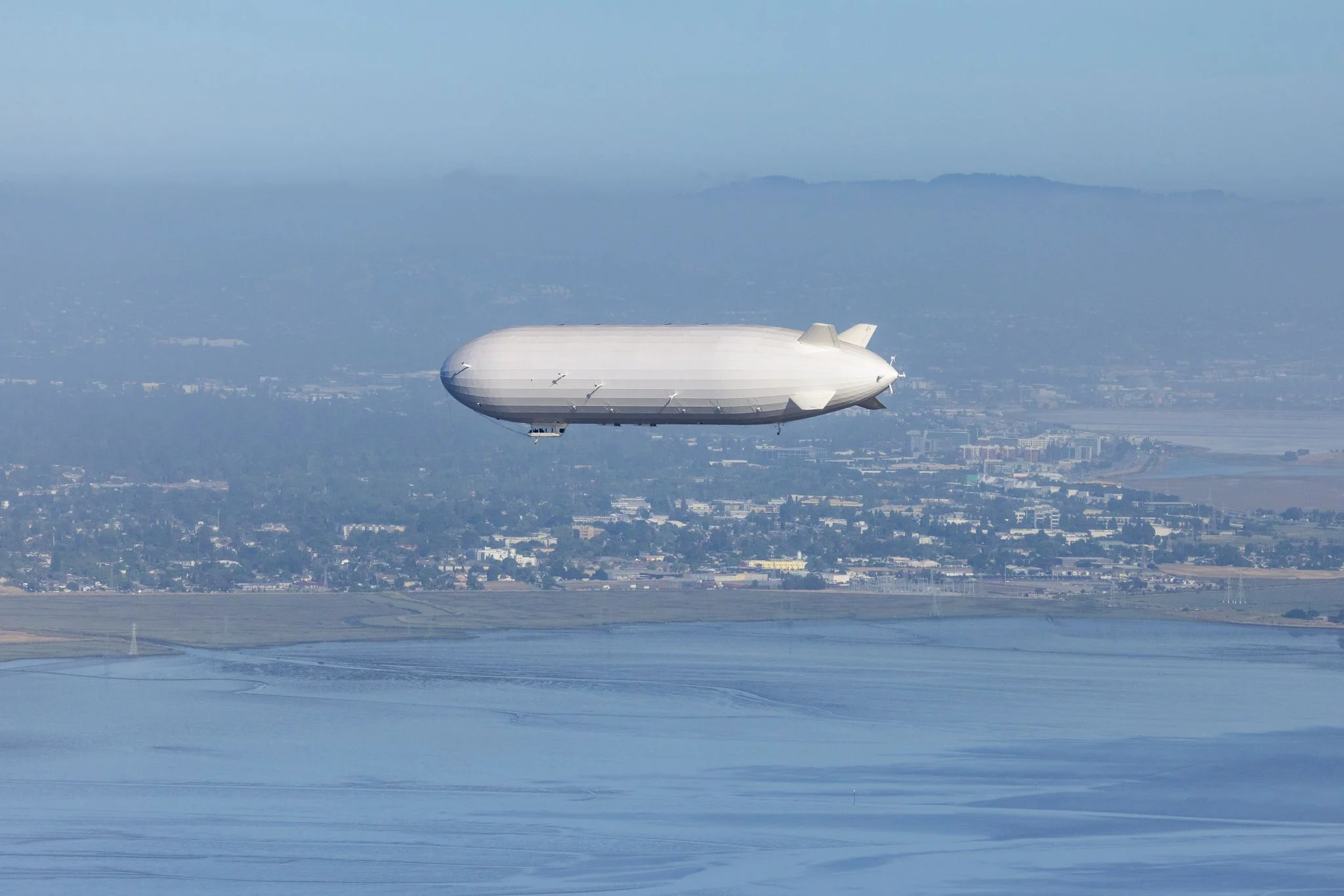
Powered by non-flammable helium, the airship will theoretically be capable of traveling 10,000 miles without needing a runway.
And because it is relatively slow, it can stay airborne for up to two weeks.
How Brin wants to revolutionize transport
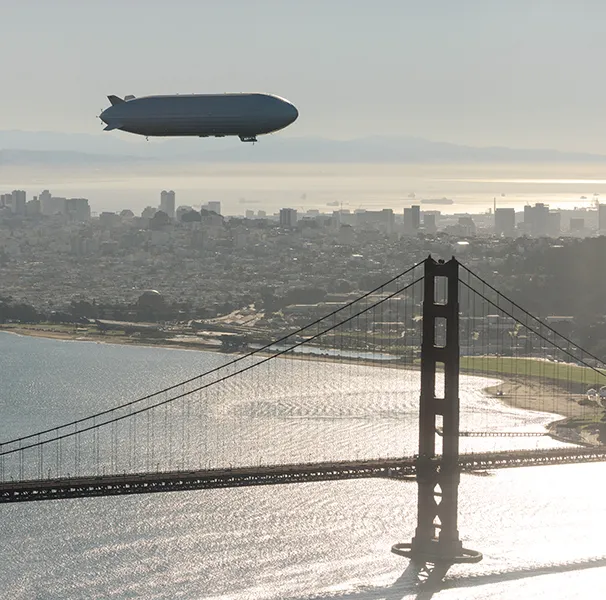
A while back, Brin founded a company called LTA Research – which stands for Lighter Than Air.
LTA Research is an aerospace research and development company that basically wants to change the way we travel.
The idea is to build electric, rigid-body airships that are cheaper and more efficient than regular airliners.
For now, this is a luxury vehicle.
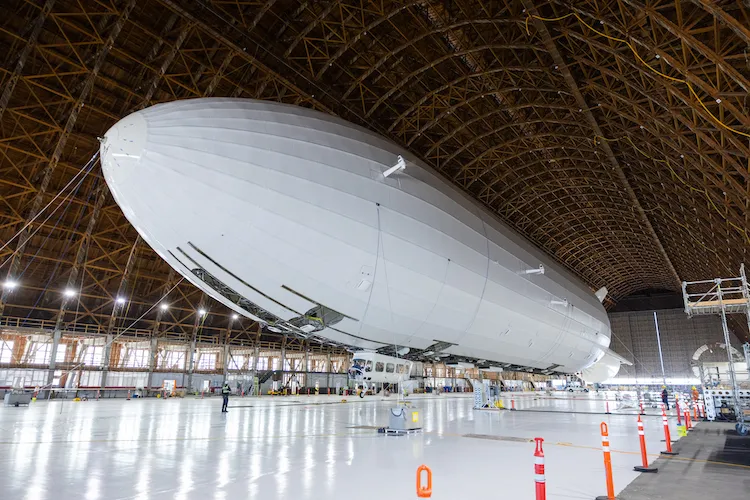
But, should it prove successful, it could become more scalable and provide a suitable alternative to airliners.
As LTA CEO Brett Crozier noted, airships offer a unique middle ground.
“We’re slower than a 777, but we’re faster than most other things, and we don’t need a runway,” he said.
Why airships are no longer a thing
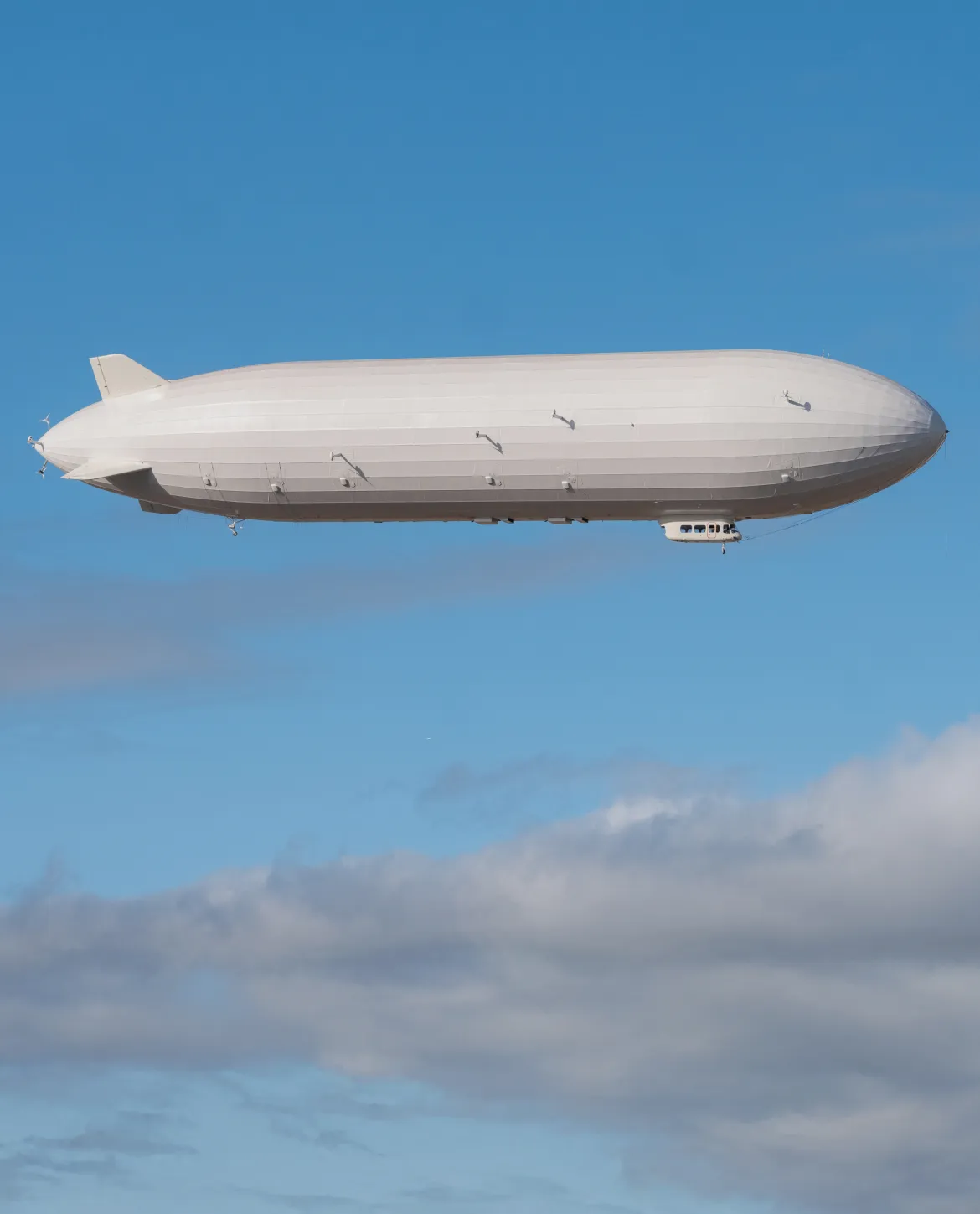
Airships vanished from mainstream aviation due to a combination of high-profile disasters, severe physical limitations, and rapid advances in fixed-wing aircraft technology.
The most tragic turning point was the 1937 Hindenburg disaster, which proved that hydrogen-filled airships were not ideal.
Non-flammable helium offers an alternative, but it isn’t a globally viable one.
There’s more.
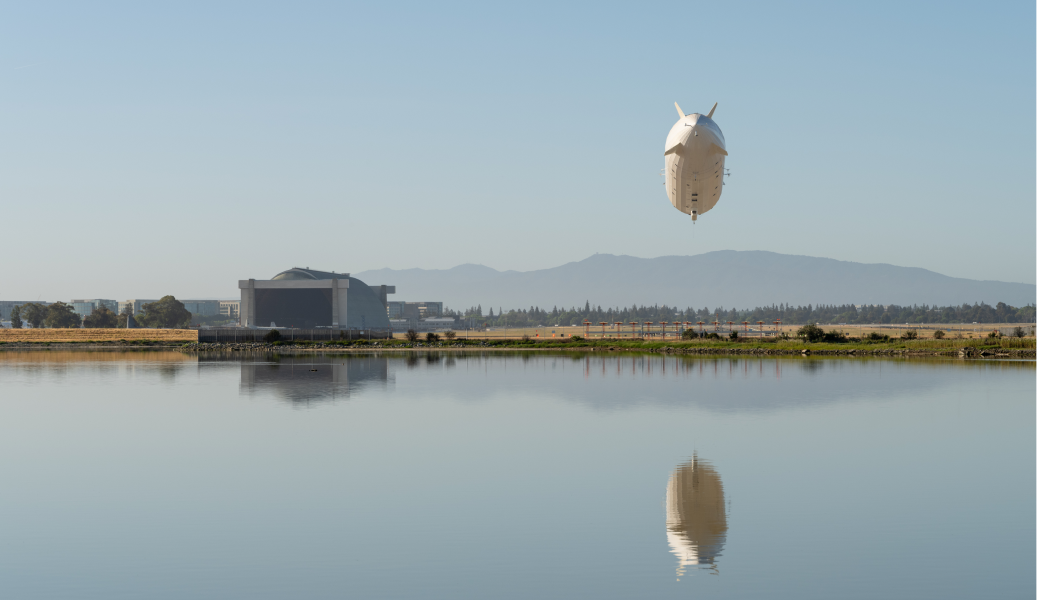
Their enormous surface areas makes them incredibly vulnerable to strong winds and turbulent weather, and docking requires massive ground crews and specialized infrastructure.
Airplanes simply evolved faster.
A transatlantic voyage took days, while a jetliner can do it in hours.
Commercial airlines slashed travel times and costs, and – lest we forget – they also made air travel much, much safer.
Today, air transport is safer than any mode of transport by such a huge proportion and margin that it’s in a category of its own.
Brin’s idea certainly looks interesting, but as battery technology improves and research on sustainable fuel bears fruit, it feels like competition for the Google mogul will heat up rather than cool down.
The best of Supercar Blondie, every Sunday
The week's best car stories, straight to your inbox. Free.
Alessandro is an automotive journalist with 10 years of experience covering supercars, automotive history, emerging vehicle technology, and luxury transportation. He wrote the first article published on SupercarBlondie.com when the website launched in 2022 and has since built a reputation for insightful reporting across the automotive and transportation industries. His expertise is grounded in hands-on experience. Alessandro has driven every Tesla model ever produced, from the original Roadster to the Cybertruck, and regularly covers the latest developments in electric vehicles and automotive innovation. His passion for transportation extends beyond cars, he has even flown a Boeing 787 Dreamliner simulator in Addis Ababa, Ethiopia. His reporting spans everything from classic American muscle cars and rare automotive discoveries to luxury yachts, private aircraft, high-end watches, and cutting-edge vehicle technology. Known for his deep knowledge of automotive history and ability to uncover the stories behind iconic vehicles, Alessandro brings readers a blend of historical context, technical expertise, and first-hand experience.