The Rolls-Royce Phantom was created for a specific purpose and went on to become an icon of the car world
Published on May 31, 2026 at 1:51 PM (UTC-4)
by Alessandro Renesis
Last updated on May 31, 2026 at 1:51 PM (UTC-4)
Edited by
Emma Matthews
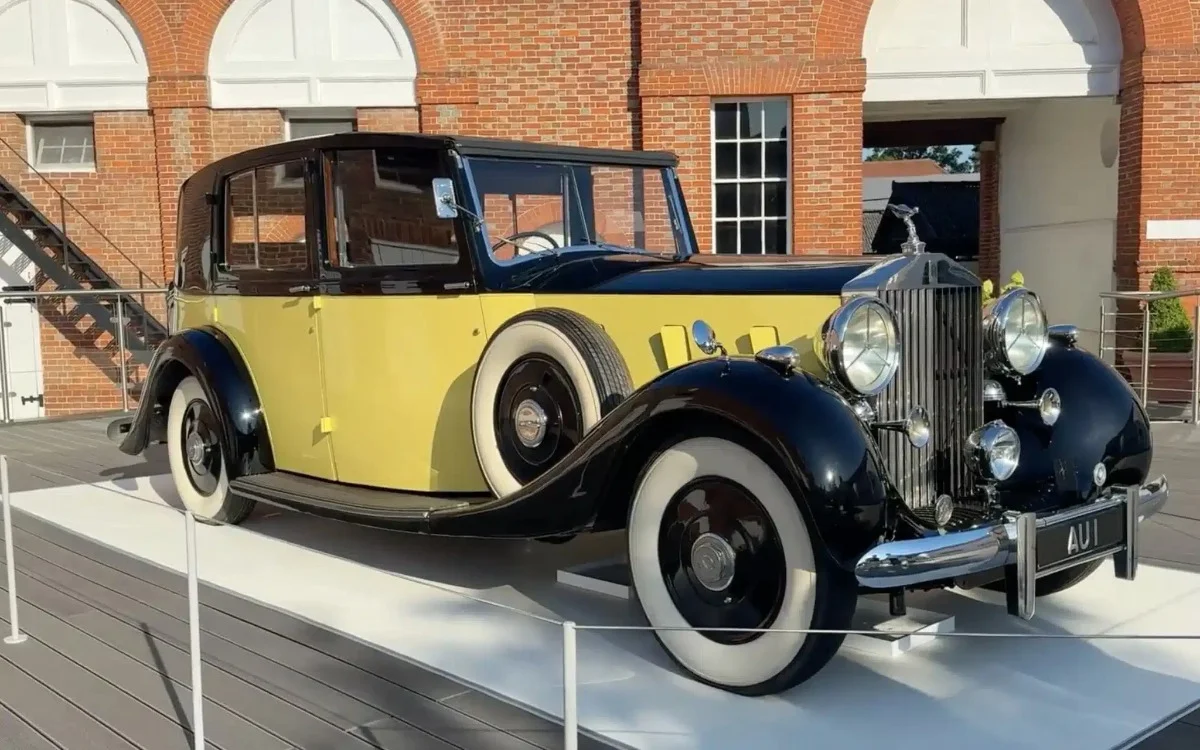

The first car to bear the Rolls-Royce Phantom nameplate was actually created almost by accident.
Rolls-Royce wanted to replace the Silver Ghost using a new model with the same chassis but a different engine, and back then, cars were often named for the powertrain.
But that name was already taken – and so they came up with the name ‘Phantom’.
Eight generations and a century later, it’s fair to say the name just ‘stuck’.
The beginning of a new era – the ‘new’ Phantom
The Rolls-Royce Phantom is an excellent example of a name that just ‘stuck’.
In the 1920s, Rolls-Royce wanted to create a new model to replace the Silver Ghost, and they opted for a 40/50hp model.
No need to get too technical, but the ’40/50hp’ designation was actually an old rating for cars.
The formula, which used a complicated calculation involving piston surface area, was essentially an easy way – at the time – to progressively tax higher-value cars.
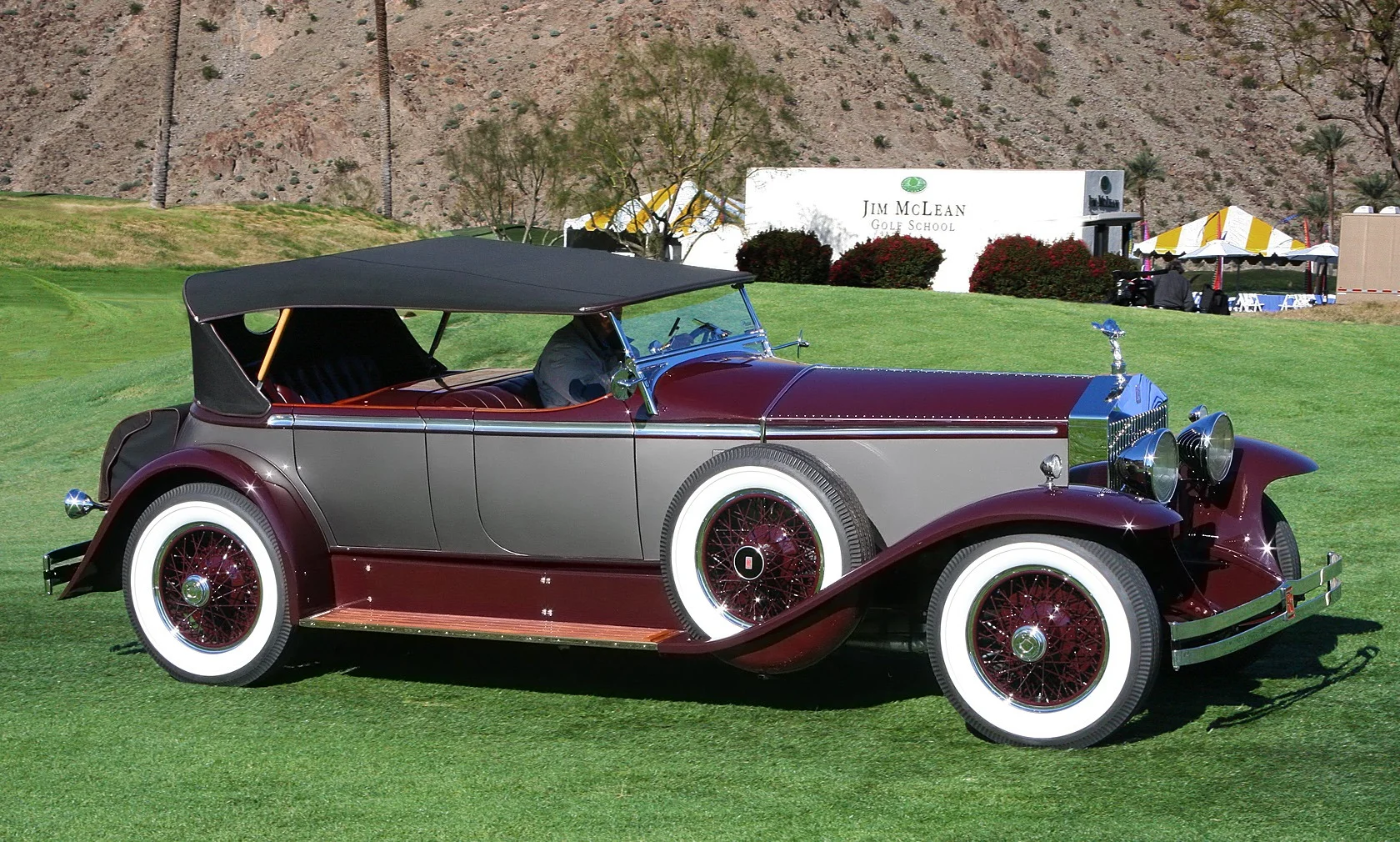
Rolls-Royce would’ve been happy to simply call it the ’40/50′, but they already had a model like that in the lineup, and so they called it the ‘New Phantom’.
The name was a nod to the car’s quietness, and, evidently, they didn’t want to reuse the name Ghost.
But the name stuck, and between 1925 and 1931, Rolls-Royce produced 3,500, over 1,200 of which were actually built in the US. And you can see a first-generation model pictured above
Related
Rolls-Royce Phantom II and III – the coachbuilder and James Bond era
The Phantom II, pictured below, and III era was defined by two things.
First, the rise of high-profile coachbuilders in England.
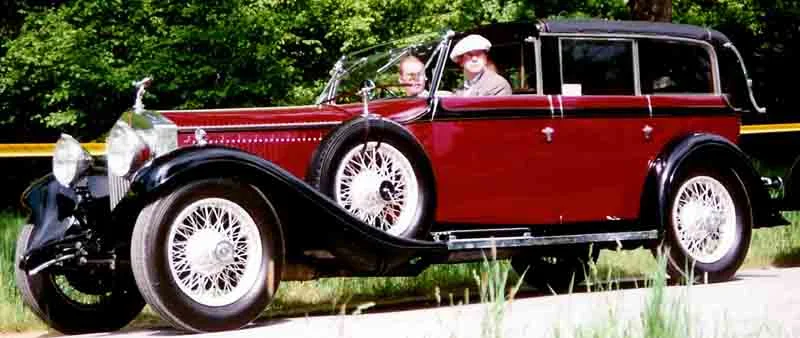
Back then, car bodies were constructed and fitted by coachbuilders selected by owners or dealers.
This gave rise to a long list of elite coachbuilders, some of whom are still in business – like Mulliner by Bentley, for example.
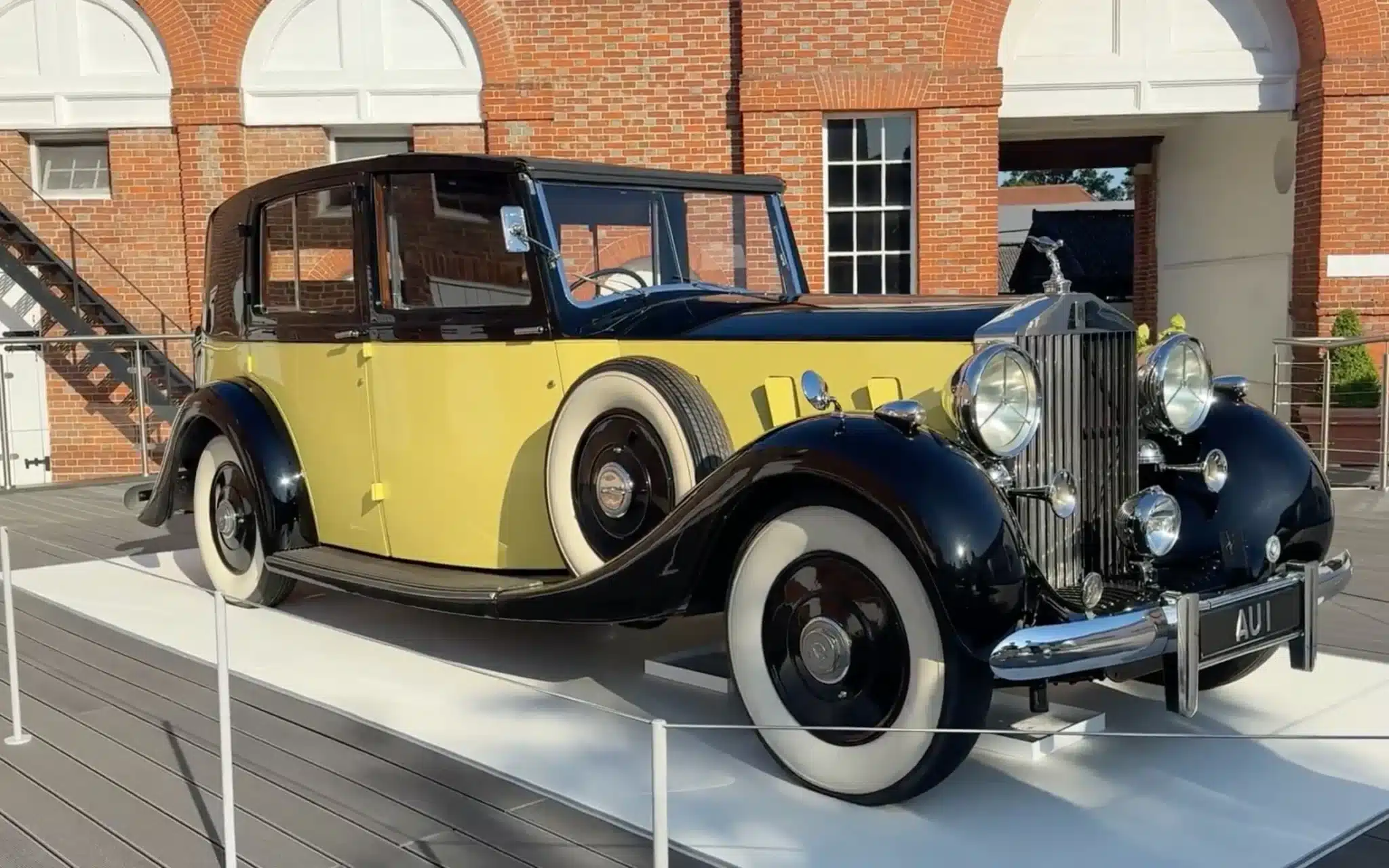
But more importantly, the Phantom III was the star of the 007 movie Goldfinger.
In 1964, over 25 years after the end of production, a gold-plated third-generation model was immortalized in the film, driven by the James Bond villain, Auric Goldfinger, pictured below.
This was such a milestone moment for Rolls-Royce that the company recently decided to honor that unique vehicle with a one-off modern equivalent based on the current model, the Phantom VIII
Phantom IV and V – the rarest models ever
The fourth-generation model was by far the rarest iteration ever produced.
Rolls-Royce only made 18, with sales strictly limited to royals and heads of state.
Today, only 16 still exist – including one that’s part of the Tiriac collection in Romania.
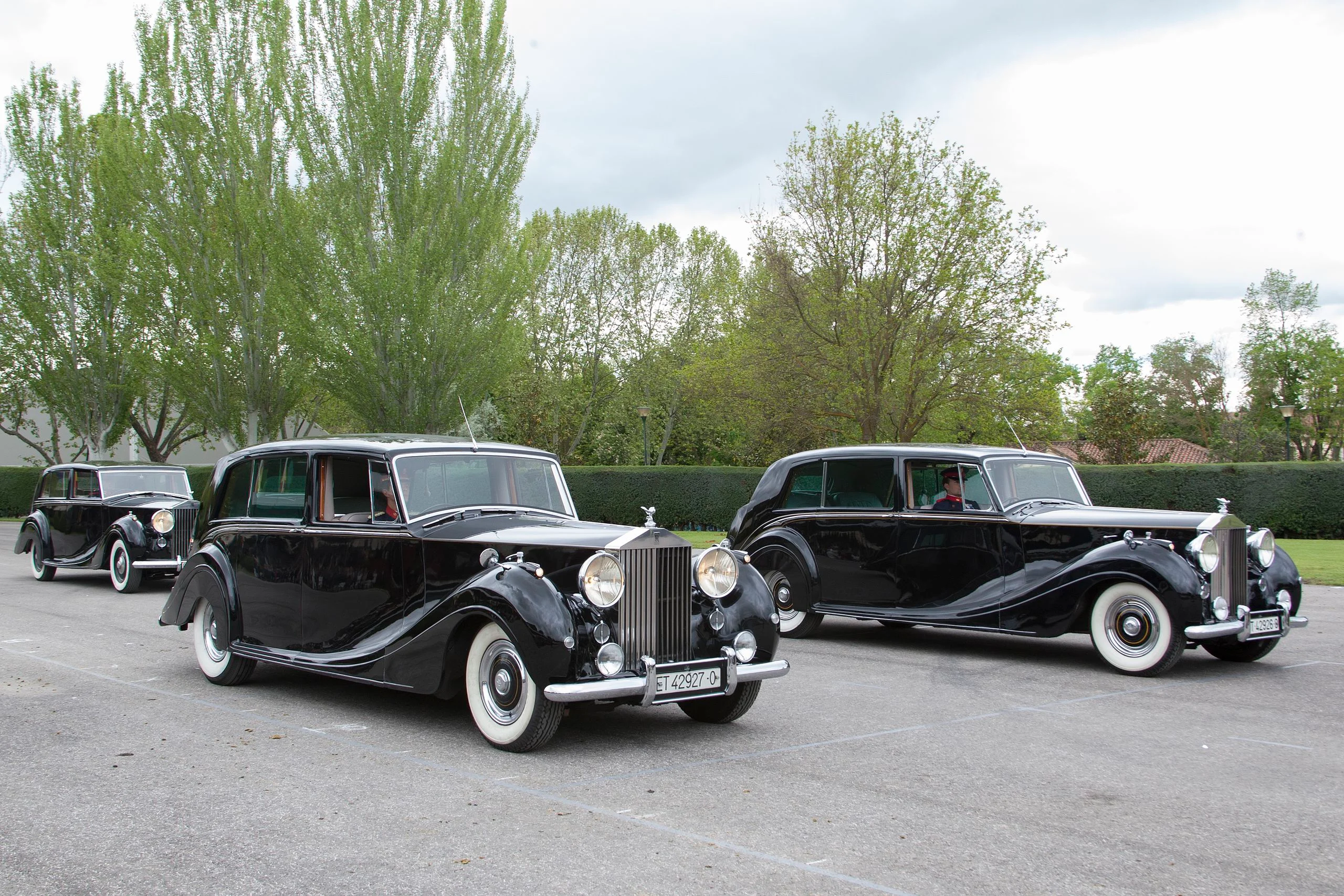
The model that followed it – the fifth generation – was also rare.
Only 518 were built, and again, most ended up in the hands of royalty, prominent politicians, or, in some cases, celebrities.
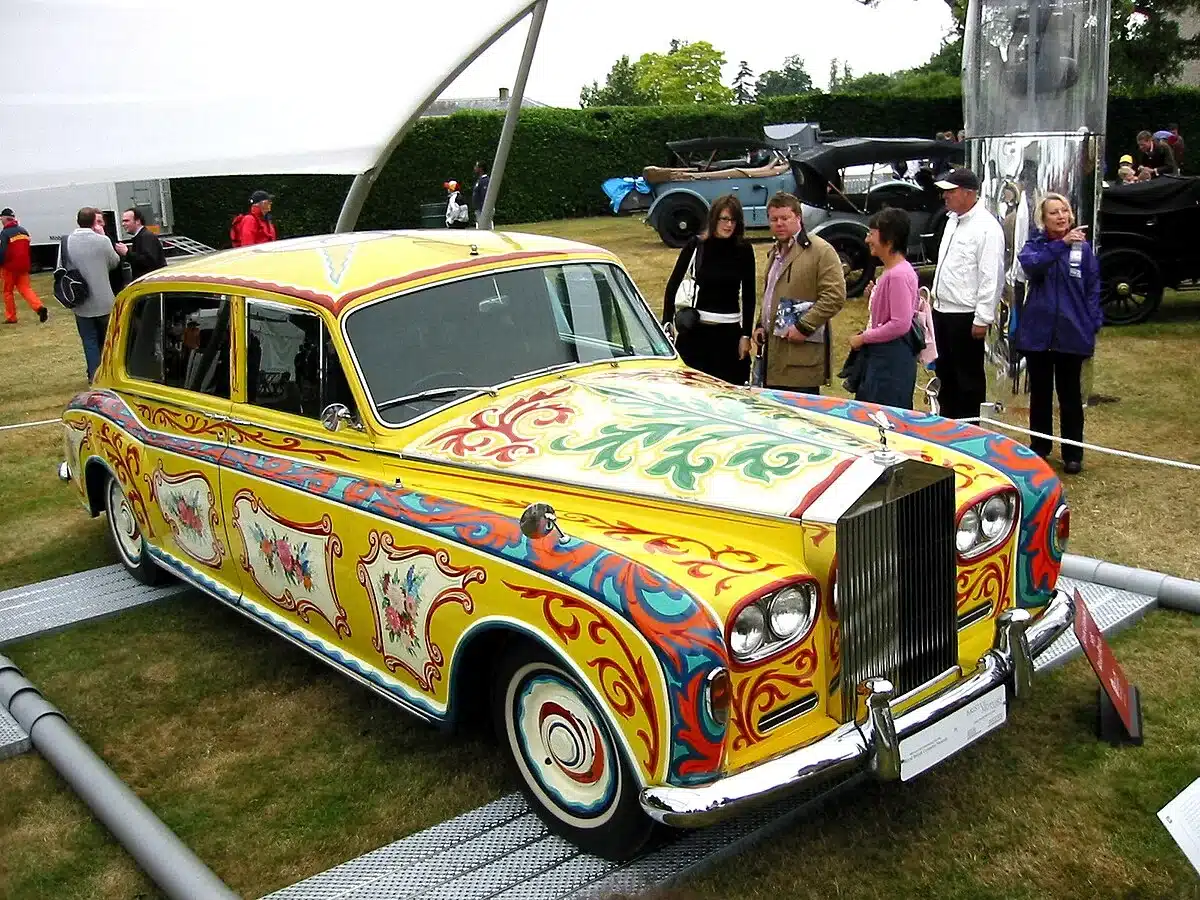
John Lennon, his ‘Flower Power’ model is pictured below, and Elvis Presley had one. As did the late Queen Elizabeth II and the current King Charles III.
The sixth-generation model was the ‘longest-reigning’ Rolls-Royce Phantom – but with an incredibly low production output
The Rolls-Royce Phantom VI, pictured below, was the ‘longest-reigning’ Phantom model.
It entered production in 1968, and it was only discontinued in 1990.
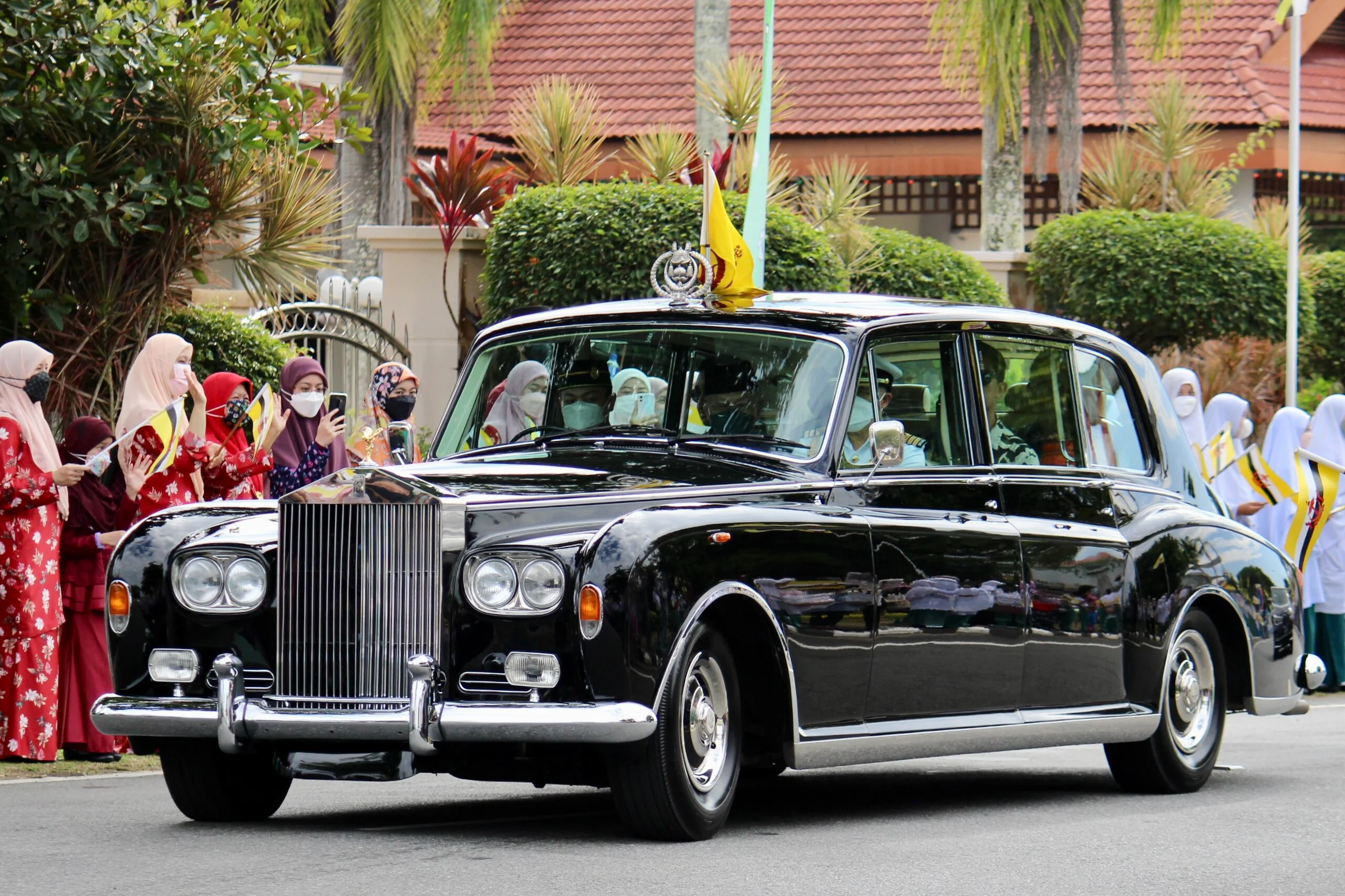
Interestingly, only 374 units were made, which is not a lot when you remember this car had a 22-year production run.
Some people argue this was actually ‘peak’ Phantom.
The completion of the coachwork by Mulliner Park Ward took around 18 months, and the engine was the iconic ‘Six and Three-Quarter’ V8 that made history.
The rapper-mobile and the return after a long hiatus – Phantom VII
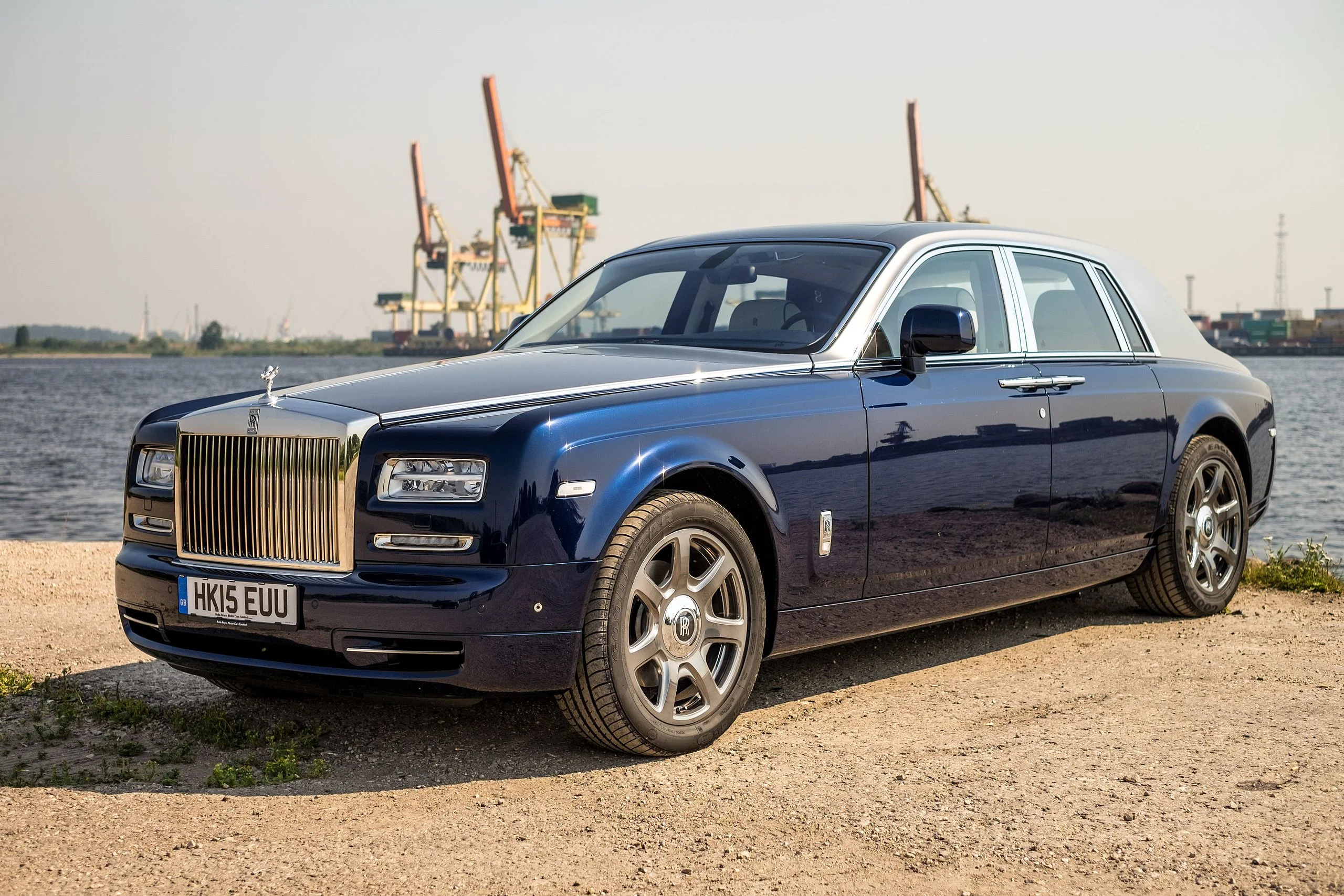
The sixth-generation model was technically replaced by a few different vehicles that followed it.
But in reality, Rolls-Royce only brought back the nameplate in the early 2000s, with the seventh generation.
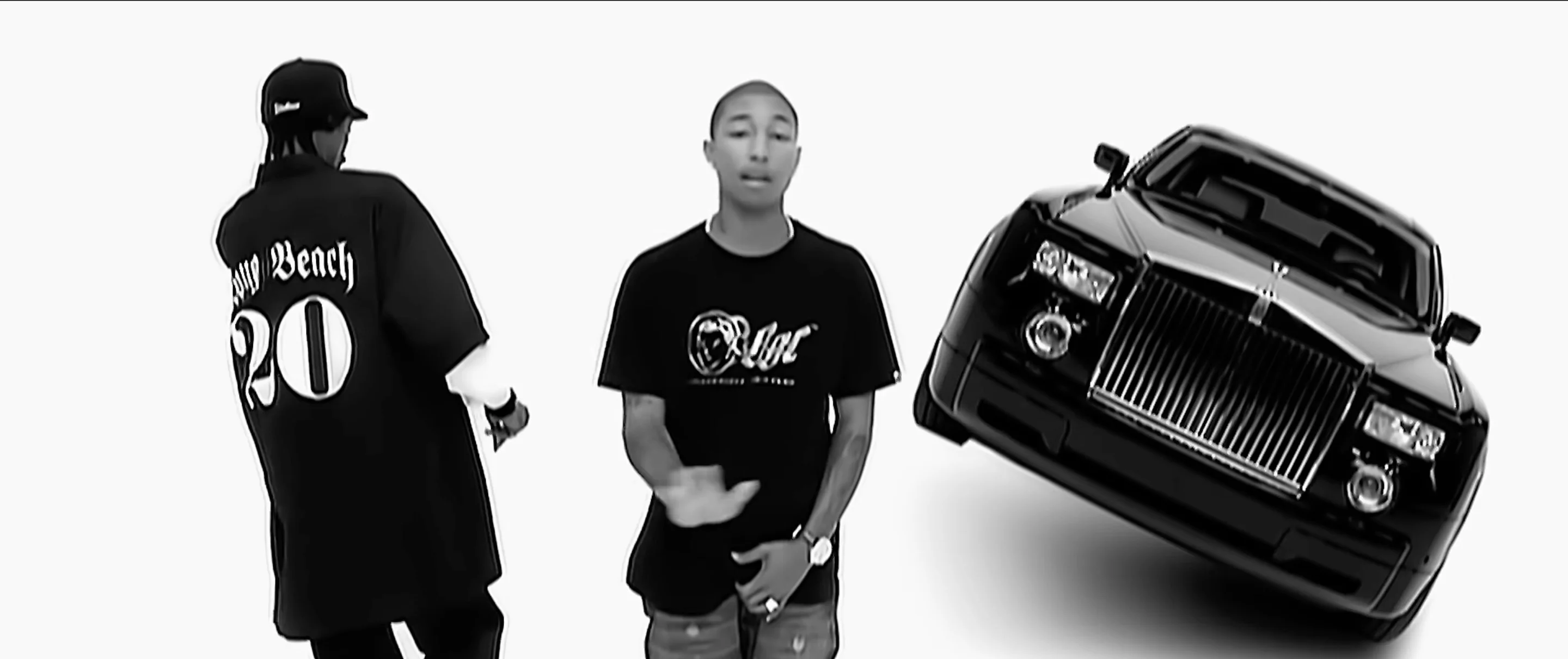
This is the rapper-mobile of Phantoms.
If you watched a rap music video in the early and mid-2000s on MTV or BET, chances are it starred a Phantom VII.
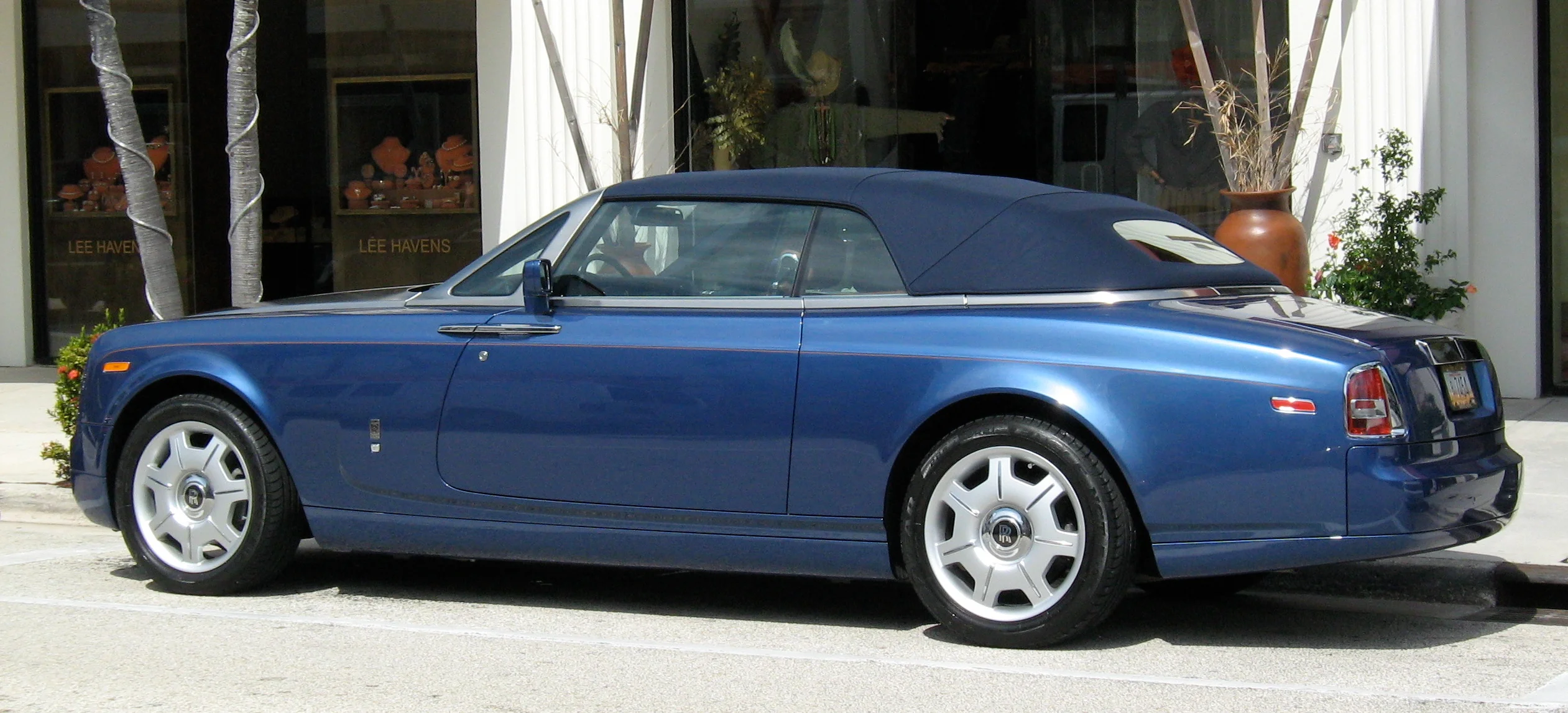
This was also the first model to introduce the Drophead Coupe, pictured below, and Coupe variants.
It was also the first modern one, but fortunately, it still retained the good ol’ Six and Three-Quarter.
Phantom VIII – a festival of one-offs
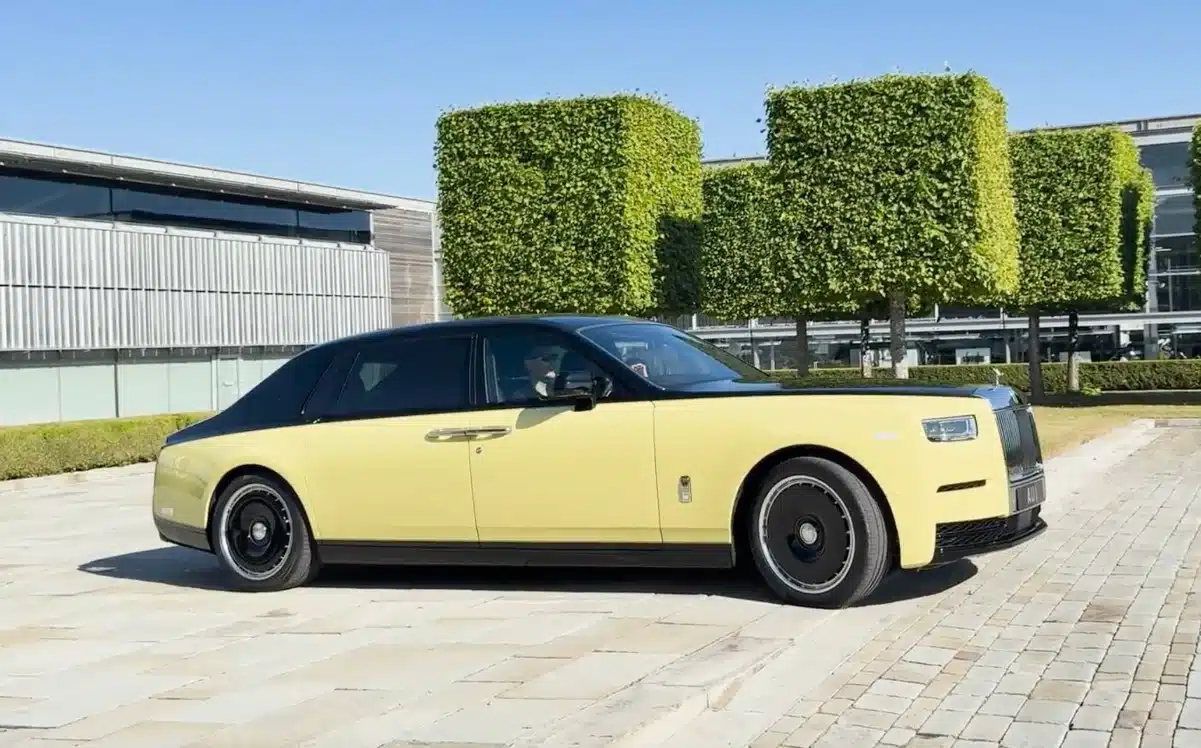
Unveiled in 2017, the eight-generation model has been used as a blank canvas for extravagant one-offs and limited-edition models a million times.
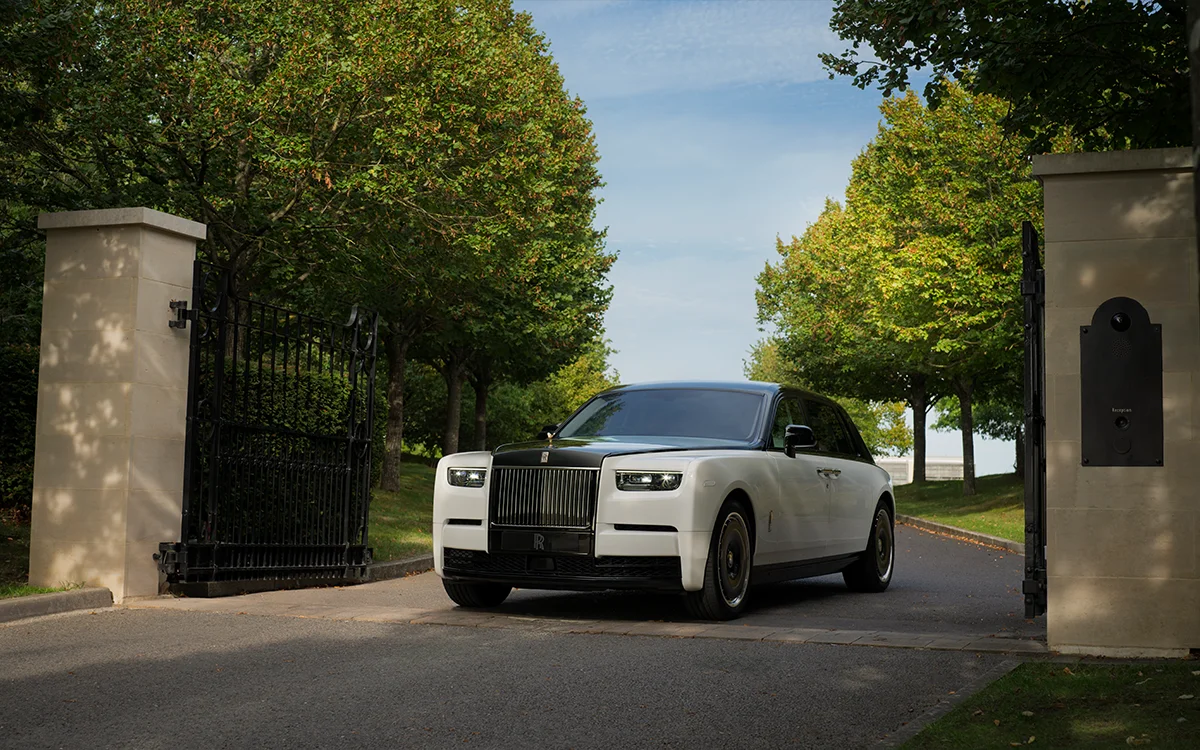
Among others, we can name the Scintilla, inspired by a Greek sculpture, the ‘Liquid Black’ Syntopia, and, of course, the aforementioned 007-themed Goldfinger, pictured below.
We don’t know this for sure yet, but the eighth generation might go down in history as the last-ever gas-powered Rolls-Royce.
It still uses the 6.75-liter engine – although this is a V12, not a V8 – but Rolls-Royce said it’ll stop using combustion engines by 2030.
If the math is mathing, 2030 is only four years away, which means there’s no time to unveil a new one before then.
And in turn, that means the next one might be electric.
Alessandro is an automotive journalist with 10 years of experience covering supercars, automotive history, emerging vehicle technology, and luxury transportation. He wrote the first article published on SupercarBlondie.com when the website launched in 2022 and has since built a reputation for insightful reporting across the automotive and transportation industries. His expertise is grounded in hands-on experience. Alessandro has driven every Tesla model ever produced, from the original Roadster to the Cybertruck, and regularly covers the latest developments in electric vehicles and automotive innovation. His passion for transportation extends beyond cars, he has even flown a Boeing 787 Dreamliner simulator in Addis Ababa, Ethiopia. His reporting spans everything from classic American muscle cars and rare automotive discoveries to luxury yachts, private aircraft, high-end watches, and cutting-edge vehicle technology. Known for his deep knowledge of automotive history and ability to uncover the stories behind iconic vehicles, Alessandro brings readers a blend of historical context, technical expertise, and first-hand experience.