How Audi responded after 1,800 of its cars were aboard the cargo ship that sank with the final Lamborghini Aventadors
Published on Nov 14, 2025 at 5:44 AM (UTC-5)
by Daisy Edwards
Last updated on Nov 14, 2025 at 8:32 AM (UTC-5)
Edited by
Emma Matthews

Have you ever wondered how Audi responded after 1,800 of its cars were aboard the cargo ship that sank with the final Lamborghini Aventadors?
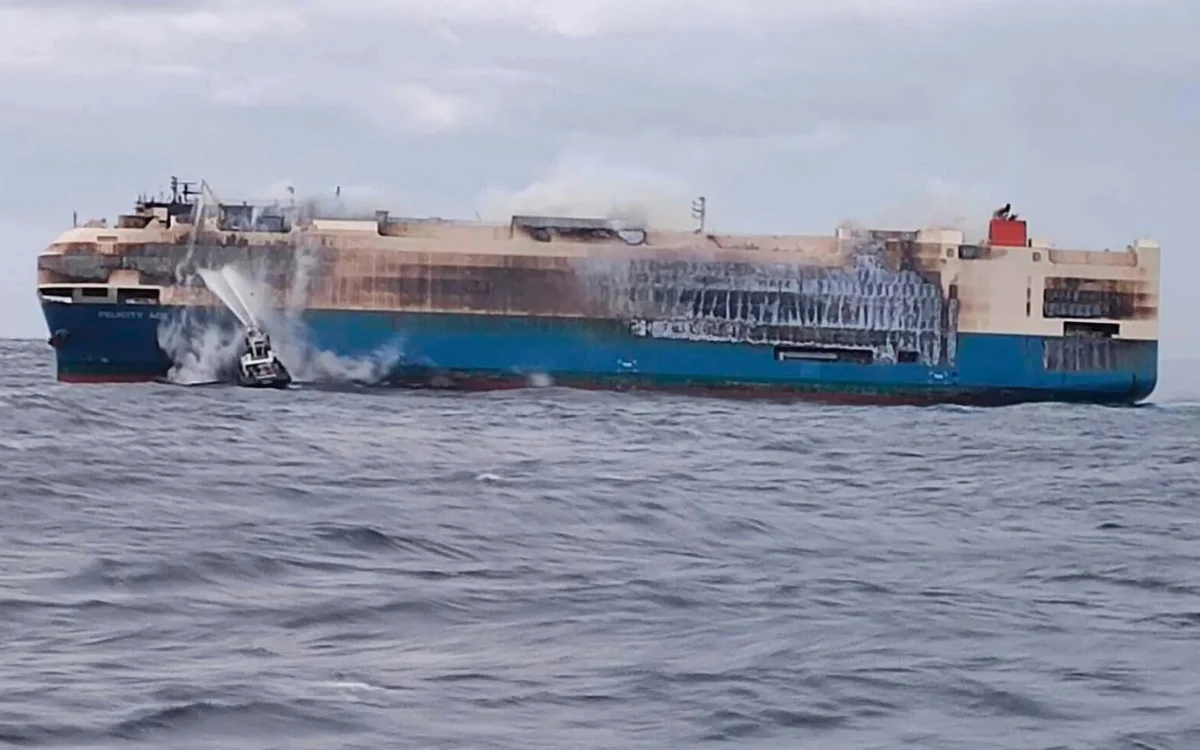
The Felicity Ace disaster wiped out nearly 4,000 VW Group cars as it burned and later sank in the Atlantic.
Among them were the final Lamborghini Aventador Ultimae units, and almost half the ship’s stock belonged to Audi.
Here is how Audi handles the chaos following one of the most unusual and disappointing losses in recent automotive history.
EXPLORE SBX CARS – Supercar auctions starting soon powered by Supercar Blondie
The ghost supercar garage created by a cargo ship that sank
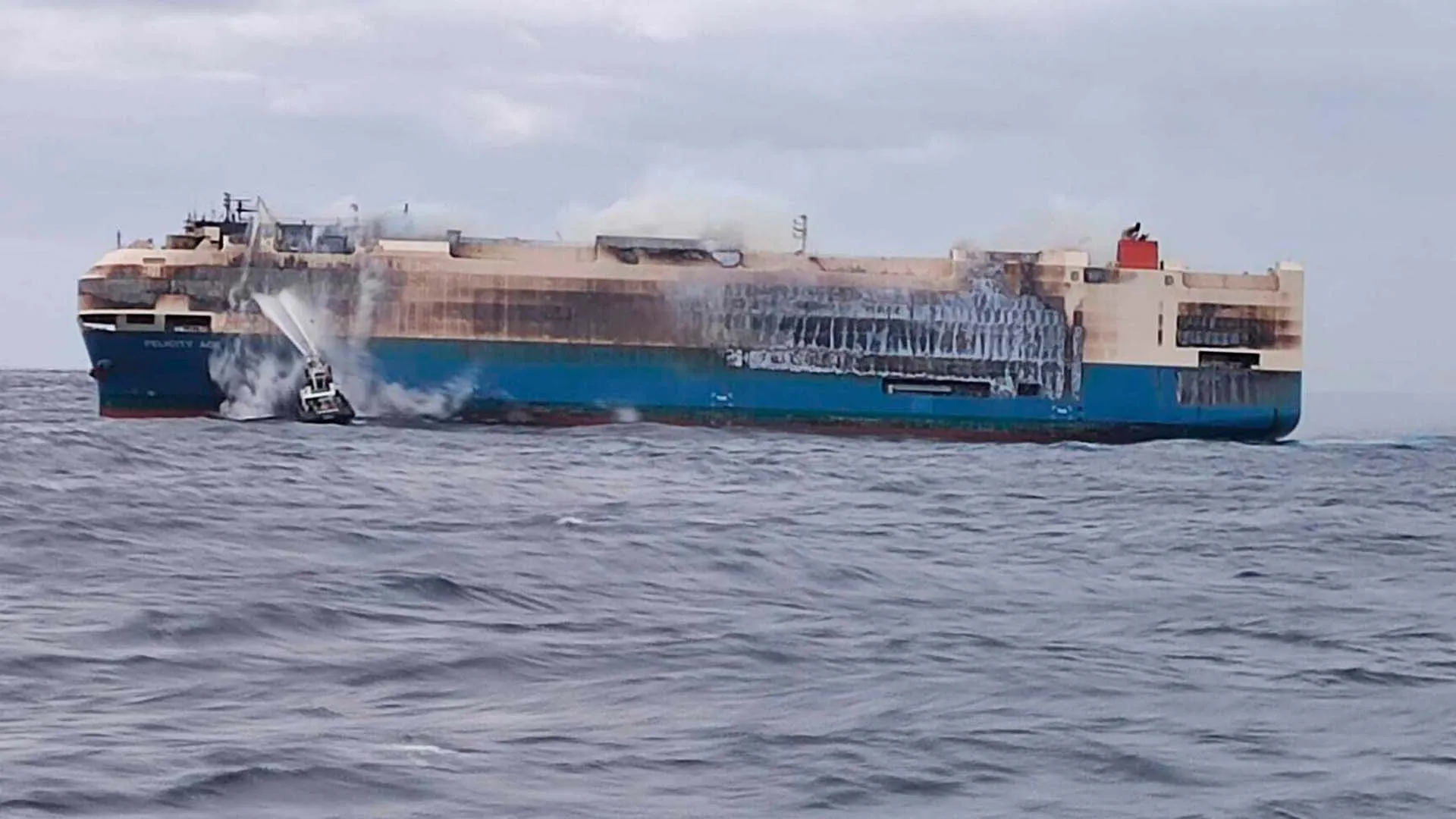
When the Felicity Ace cargo ship caught fire on February 16, 2022, it was carrying thousands of luxury cars from the Volkswagen Group.
In the group of cars that went down with the ship, there were Porsches, Lamborghinis, Bentleys, and some VWs, which now only exist at the bottom of the Atlantic Ocean in a sort of ghost supercar garage.
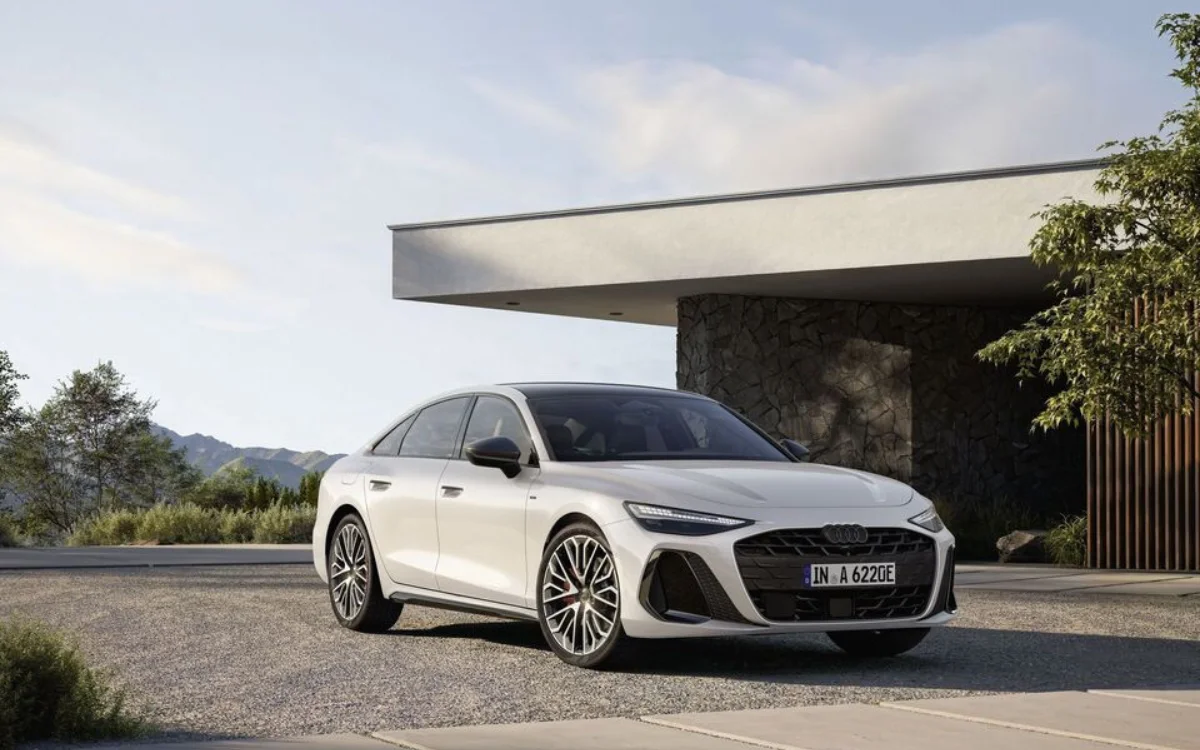
Roughly 1,800 of the cars were brand-new Audis heading for customers in the United States, and the loss created a sudden shortage that could have caused months of confusion for buyers, but the automaker stepped in fast.
How did Audi respond?
Then-Audi CEO Markus Duesmann confirmed very quickly after the incident that the automaker would replace every affected car.
He explained that the company had the capacity to rebuild the lost cars, but timing would be a challenge.
While other brands in the VW Group made louder and more dramatic announcements, the German automaker stayed weirdly calm.
Bentley diverted unsold cars to those buyers who lost out, and Lamborghini even restarted the production of Aventadors despite having ended production forever.
Porsche reallocated build slots, but the Duesmann-run company, on the other hand, committed to replacements without creating panic or making big promises about delivery dates.
It was the perfect approach designed to keep customers calm while the German automaker worked behind the scenes to reset the production line.
We don’t know if everyone who lost a new car in the Felicity Ace disaster has received a replacement car yet, but Audi’s solution was a showcase in staying calm in stormy waters.
Daisy is a technology and automotive journalist covering artificial intelligence, consumer tech, Apple news, cryptocurrency, emerging technologies, and transportation innovation. Since joining the team in 2025, she has reported on everything from AI-powered startups and major iOS updates to viral car stories and the latest developments shaping transportation and the digital economy. Drawing on her background in automotive journalism and a degree in History and Journalism from Goldsmiths, University of London, Daisy specializes in breaking down complex topics into clear, engaging reporting for a global audience. Her work spans cutting-edge technology, innovative vehicles, and the people driving change across both industries. Daisy has gained first-hand access to some of the world's most talked-about technologies and innovators, including meeting Tesla's Optimus humanoid robot during its first European appearance in London. She has also discussed the future of space exploration with an astronaut, bringing unique insights and real-world perspectives to her coverage of emerging technology.