How drivers kept warm before car heaters existed and it wasn't always straightforward or safe
Published on Jan 04, 2026 at 9:08 AM (UTC-5)
by Daisy Edwards
Last updated on Jan 04, 2026 at 9:08 AM (UTC-5)
Edited by
Mason Jones


Drivers didn’t always have the safest options to keep warm before car heaters existed, and it’s a reminder that early road trips were not exactly cosy affairs.
Before car heaters became normal, winter driving meant bundling up and getting creative with whatever heat source you could safely bring along.
Many of those solutions were improvised, messy, and in some cases genuinely dangerous.
Staying warm in a car used to be as much about survival as comfort.
EXPLORE SBX CARS – Supercar auctions starting soon powered by Supercar Blondie
How drivers kept warm before car heaters existed
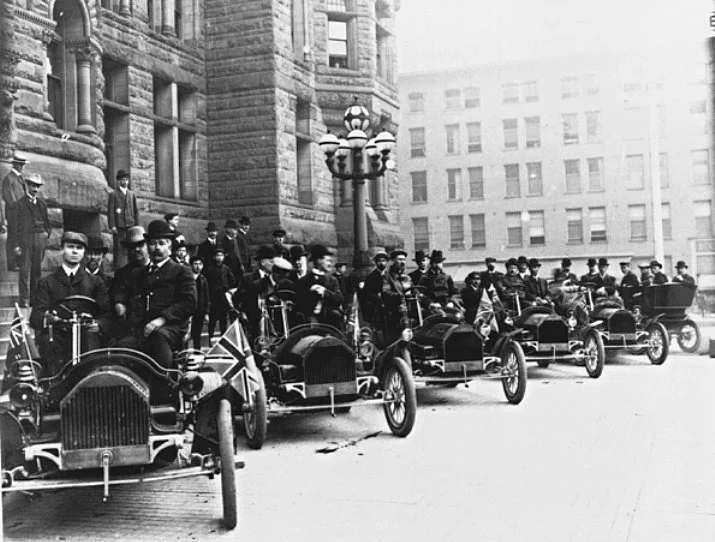
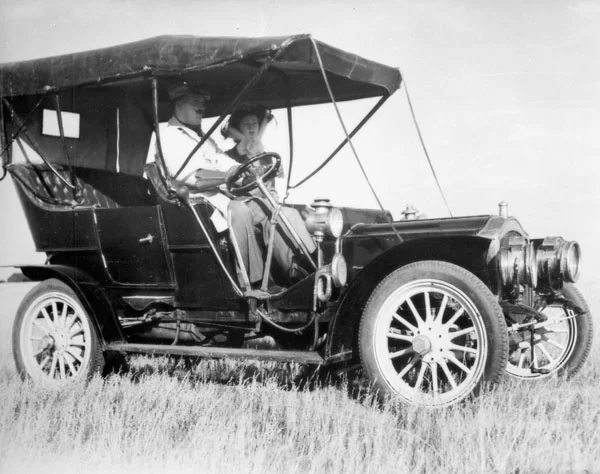
Did you know that the earliest cars borrowed a lot from horse-drawn carriage design?
While they looked super cool, it meant many were open to the elements and drivers and passengers were exposed to freezing wind, rain, and snow with little more than thick coats, blankets, and goggles for protection.
Even when cars started to get enclosed cabins, warmth was still not built in.
The cabin quickly became a metal box that trapped the cold in rather than heat.
That is where the DIY heat hacks started – some motorists used gas lamps inside the cabin, which did add warmth as well as light.
The problem was that these lamps burned gas, which could contain toxic components like carbon monoxide.
In a tight space, fumes could build up fast and become a serious hazard.
Others relied on heated stones or charcoal to produce warmth, but these could be placed in metal containers, sometimes lined with materials like asbestos to stop the heat from scorching the cabin.
That might have felt smart at the time, but it came with obvious risks and charcoal can create carbon monoxide, while asbestos is now known to be extremely harmful to breathe in over time.
Related


These DIY hacks were so unsafe
Some of the more inventive attempts at cabin warmth were also some of the most alarming.
One method involved routing heat from the muffler into the cabin, which sounds clever until you remember a muffler is connected to the exhaust system.
If anything leaked or failed, drivers could end up pulling dangerous fumes into the interior and fire risks also went up when people started experimenting with heat sources that were never designed to warm passengers.

These early solutions show just how far car comfort has come, but over time, proper heating systems were developed and refined, turning warmth into a standard feature rather than a luxury or a dangerous experiment.
Today, most drivers do not think twice about having warm air on tap, but early drivers earned it the hard way, often with a method that could be risky, uncomfortable, or both.
Daisy is a technology and automotive journalist covering artificial intelligence, consumer tech, Apple news, cryptocurrency, emerging technologies, and transportation innovation. Since joining the team in 2025, she has reported on everything from AI-powered startups and major iOS updates to viral car stories and the latest developments shaping transportation and the digital economy. Drawing on her background in automotive journalism and a degree in History and Journalism from Goldsmiths, University of London, Daisy specializes in breaking down complex topics into clear, engaging reporting for a global audience. Her work spans cutting-edge technology, innovative vehicles, and the people driving change across both industries. Daisy has gained first-hand access to some of the world's most talked-about technologies and innovators, including meeting Tesla's Optimus humanoid robot during its first European appearance in London. She has also discussed the future of space exploration with an astronaut, bringing unique insights and real-world perspectives to her coverage of emerging technology.