This is how long you should let your car warm up for when its cold outside
Published on Feb 28, 2026 at 2:54 PM (UTC+4)
by Henry Kelsall
Last updated on Feb 25, 2026 at 9:51 PM (UTC+4)
Edited by
Emma Matthews
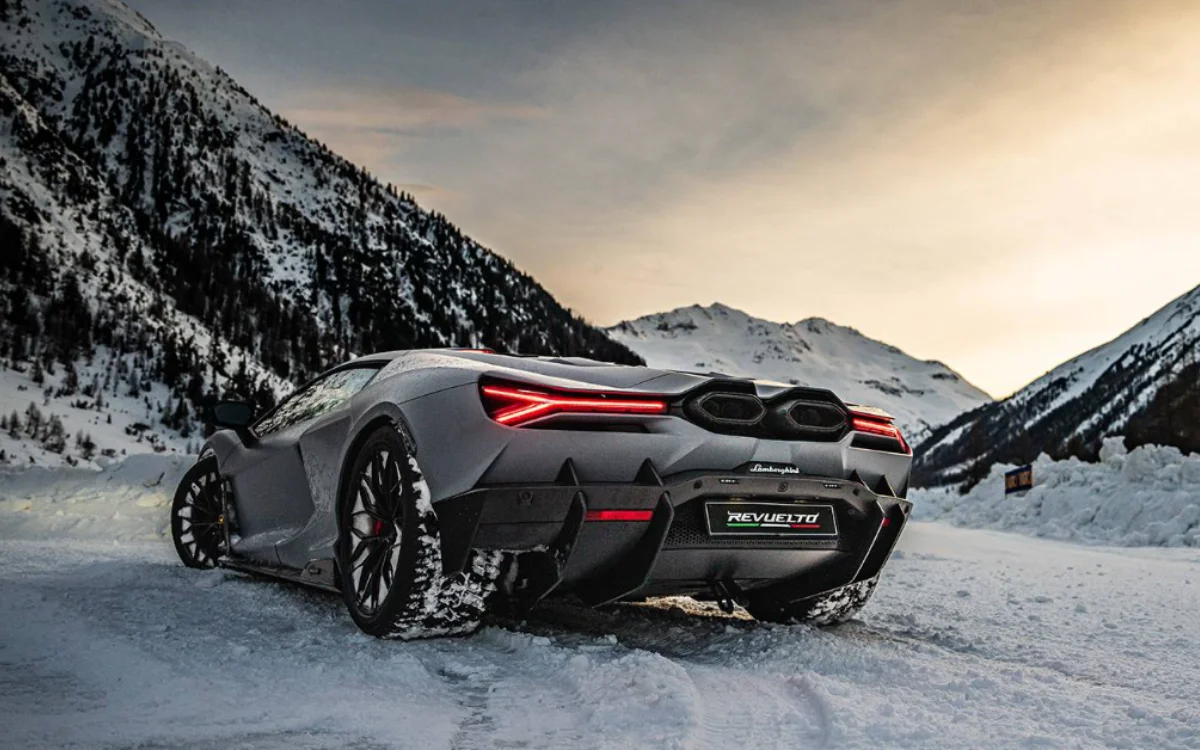

There are different opinions as to how long you should let a car warm up when it’s cold outside before you hit the road.
Cars typically aren’t at their optimum when it’s freezing cold outside, at least when you first turn the engine on, before they warm up to a more optimum temperature.
Some of it depends on the car itself and, of course, how cold it is, whether it is below freezing or a few degrees above.
But don’t worry, you don’t need to sit around for an hour to get the car warmed up before you head off.
DISCOVER OUR SUPERCAR AUCTION SITE – View live auctions on SBX Cars
How long should you let your car warm up?
If a car was sold new after 1994 in America, 30 seconds is enough time before you move off.
A lot of modern cars have electronic fuel injection systems.
These help stabilize the delivery of the gas to the combustion chamber while the car is cold.
As they are connected to temperature sensors, the air and fuel ratio is regulated properly.
For example, in cold conditions, more fuel is pumped into the engine.
This happens while the starter motor turns the engine over.

This creates a richer fuel mixture, which then encourages that initial combustion.
The engine will also run at a higher RPM than normal at idle to help warm up the catalytic converter.
Interestingly, you can, in fact, warm up a car for too long.
Click the star icon next to supercarblondie.com in Google Search to stay ahead of the curve on the latest and greatest supercars, hypercars, and ground-breaking technology
Why you don’t need to idle for minutes in the cold
If you continue to idle, while the catalytic converter might be up to temperature, the engine won’t be.
The oil pump will also be barely running, which isn’t good for the engine.
On top of this, the metals in the engine will be contracted.
That means there are larger tolerances between cylinder walls and pistons.
Plus, the oil will still be thick, as it won’t have warmed up fully.
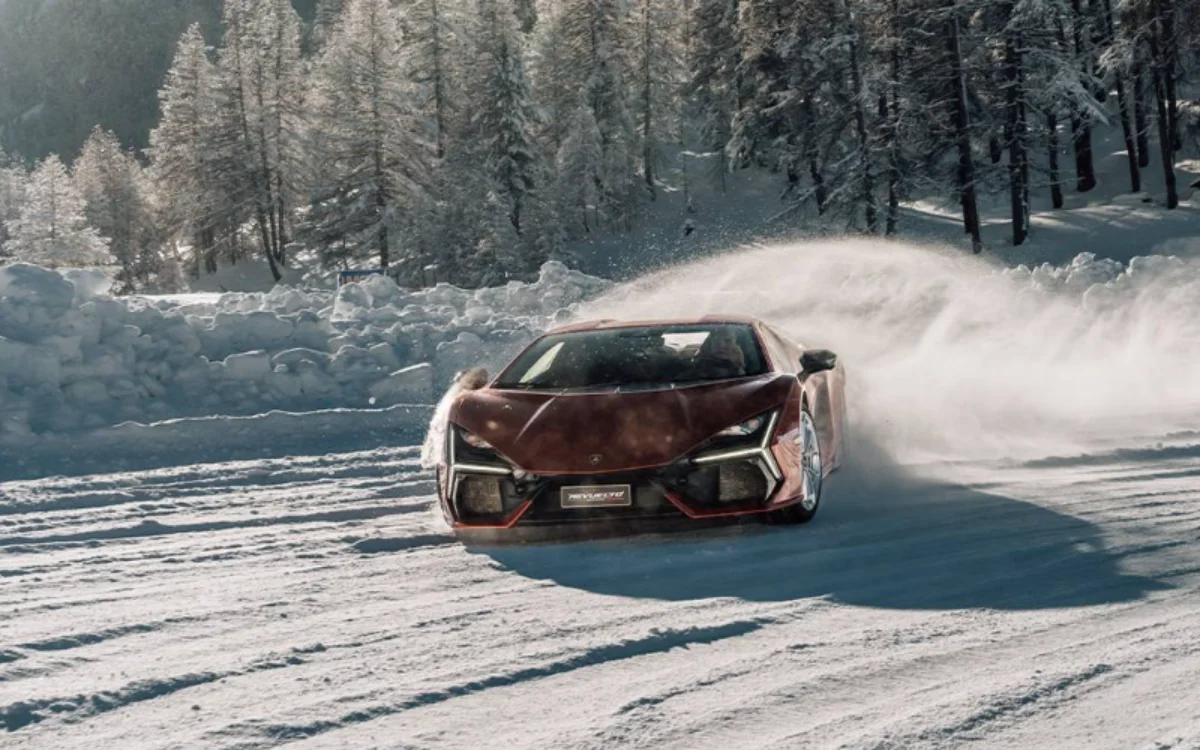
Bore wash can then occur in the gaps, and unburnt fuel can get between the piston ring and cylinder wall.
Get the engine running as you drive, and everything begins to warm up, and the oil will thin out.
So, you might think you need to let the car warm up for a while.
But the reality is that 30 seconds is plenty.
DISCOVER SBX CARS: The global premium car auction platform powered by Supercar Blondie
Henry joined the Supercar Blondie team in February 2025, and since then has covered a wide array of topics ranging from EVs, American barn finds, and the odd Cold War jet. He’s combined his passion for cars with his keen interest in motorsport and his side hustle as a volunteer steam locomotive fireman at a heritage steam railway.