Hybrids are redefining performance and they could be saving V8's while they are at it
Published on Oct 17, 2025 at 11:47 AM (UTC-4)
by Alessandro Renesis
Last updated on Oct 20, 2025 at 9:58 AM (UTC-4)
Edited by
Emma Matthews
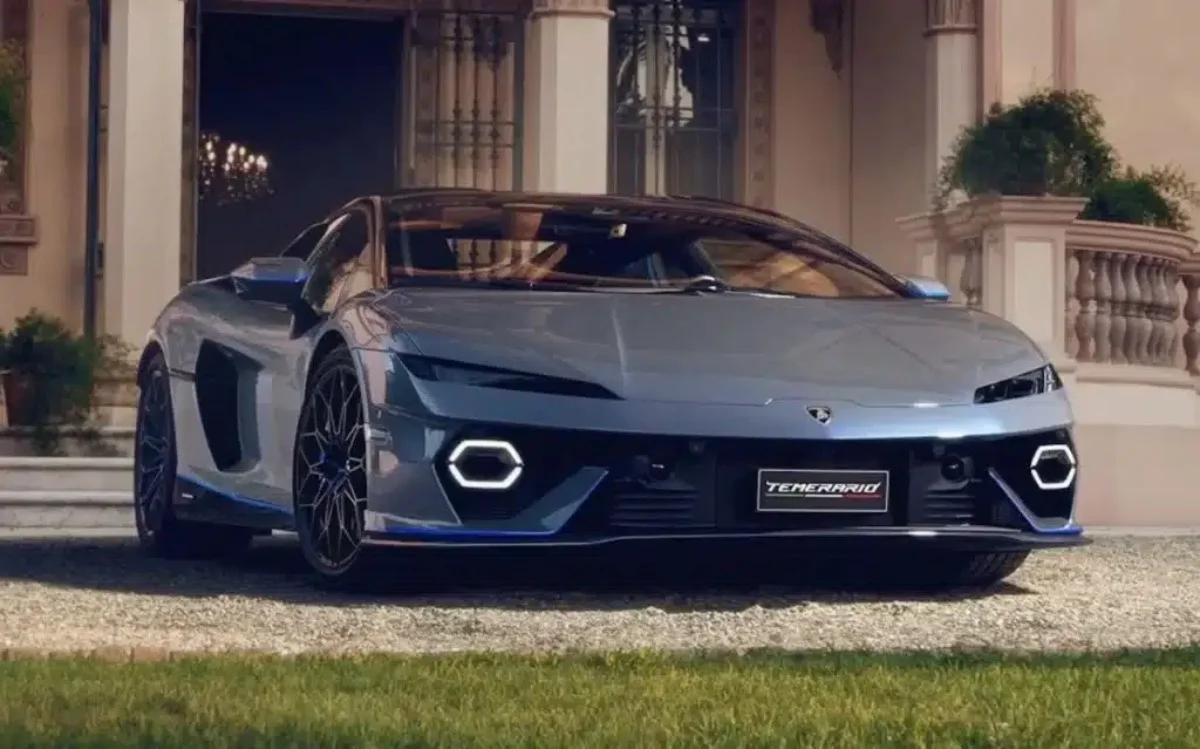

Some people believe that hybrids could eventually save the V8.
The one thing that’s for sure is that hybrids, with exceptions, are generally faster than pure internal combustion cars.
And, of course, they’re also cleaner.
But there’s a reason why others believe this is still just a stopgap measure.
DISCOVER SBX CARS: The global premium car auction platform powered by Supercar Blondie
Why supercar makers are building hybrid cars
Most countries and markets impose relatively strict emission rules and targets these days.
And it’s basically impossible to meet those targets with pure internal combustion engines, which is why automakers – including supercar manufacturers – are turning to hybrids.
For instance, a 2025 McLaren Artura is actually a lot ‘greener’ than a 2010 Toyota Camry.
The problem is that there are studies that confirm that while hybrids are more environmentally friendly than pure gas cars, they’re nowhere near as efficient as electric cars.
And people who are adamant that all cars should be electric have been saying this for years now.
Related


Breaking down the difference between EVs, hybrids, and gas cars
Broadly speaking, there are five main car categories: BEV, EREV, PHEV, FCEV, and ICE.
The first thing that stands out is that four of these five categories end with -EV, which obviously stands for electric vehicle.
And that’s interesting because some people would argue that EREVs and PHEVs are not actually electric.
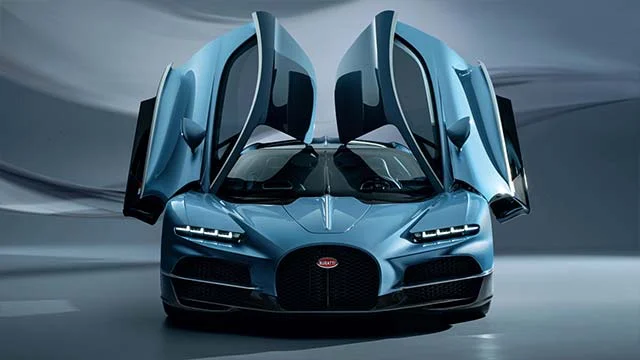
Both EREVs (Extended Range Electric Vehicle) and PHEVs (Plug-in Hybrid Electric Vehicle) are powered by an internal combustion engine – known in the industry as ‘ICE’ – working in tandem with an electric unit.
The difference is that a PHEV is a car that’s powered by a larger gasoline unit with a smaller electric motor, while an EREV is the other way around.
Most EREVs use 1.5-liter units, while you can find PHEVs with V8s or even V12s and V16s.
The Ferrari 849 Testarossa, which has a flat-12, Bugatti Tourbillon with a V16, pictured above, and Lamborghini Temerario, including its V8, for example, are all PHEVs.
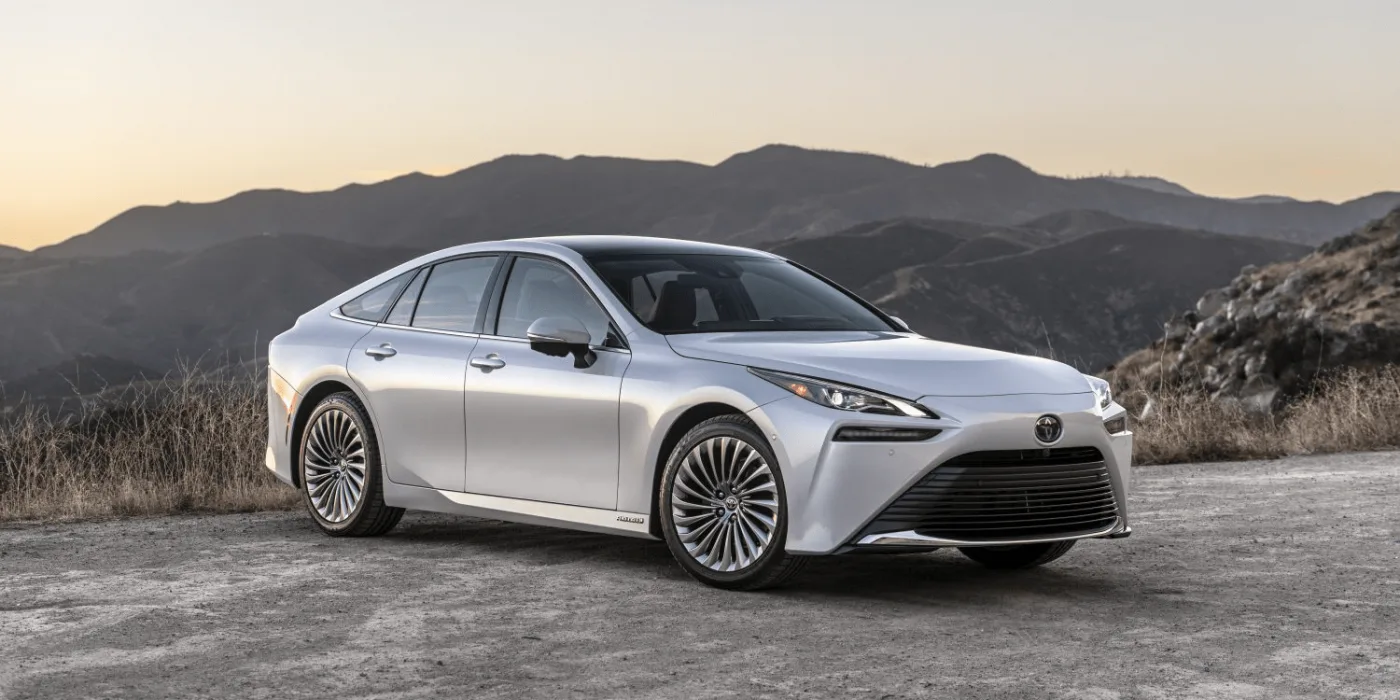
Then you’ve got BEVs and FCEVs – like the hydrogen Toyota Mirai – which are both electric, but powered by batteries and hydrogen fuel cells, respectively.
Fuel cell vehicles aren’t really catching on, however.
Sales are very low, and they have been for quite some time.
The vast majority of electric cars out there – from the Xiaomi SU7 to the Tesla Model Y – are BEVs.
For now, automakers seem to agree that hybrids and BEVs are the way to go.
Alessandro is an automotive journalist with 10 years of experience covering supercars, automotive history, emerging vehicle technology, and luxury transportation. He wrote the first article published on SupercarBlondie.com when the website launched in 2022 and has since built a reputation for insightful reporting across the automotive and transportation industries. His expertise is grounded in hands-on experience. Alessandro has driven every Tesla model ever produced, from the original Roadster to the Cybertruck, and regularly covers the latest developments in electric vehicles and automotive innovation. His passion for transportation extends beyond cars, he has even flown a Boeing 787 Dreamliner simulator in Addis Ababa, Ethiopia. His reporting spans everything from classic American muscle cars and rare automotive discoveries to luxury yachts, private aircraft, high-end watches, and cutting-edge vehicle technology. Known for his deep knowledge of automotive history and ability to uncover the stories behind iconic vehicles, Alessandro brings readers a blend of historical context, technical expertise, and first-hand experience.