This is everything you need to know about hydrogen cars and if they'll be the next big thing
Published on May 26, 2026 at 3:57 AM (UTC-4)
by Alessandro Renesis
Last updated on Jun 05, 2026 at 12:14 PM (UTC-4)
Edited by
Emma Matthews

Hydrogen cars are here, and they’ve been here for a while, but there’s some confusion about how they work and what the difference between an FCEV and a BEV is.
Some people may know that both FCEVs and BEVs are electric, and some might also know that ‘FC’ stands for Fuel Cell while ‘B’ stands for Battery.
But even so, there’s still a lot that isn’t explained about them.
Including the main reason why they aren’t catching on.
The reason why we call them ‘hydrogen’ cars
We should probably start with why people call them hydrogen cars.
The term ‘hydrogen car’ almost always refers to vehicles powered by hydrogen fuel cells.
Paraphrased and simplified, they are sophisticated electrochemical devices that convert chemical energy directly into electricity.
The cell consists of three main components: an anode, or negative post, a cathode, that’s the positive post, and an electrolyte membrane sandwiched between them.
Simple, assuming you aced high-school physics.
And the good news is that it doesn’t really matter whether you aced high-school physics or not, because there’s an even simpler translation.
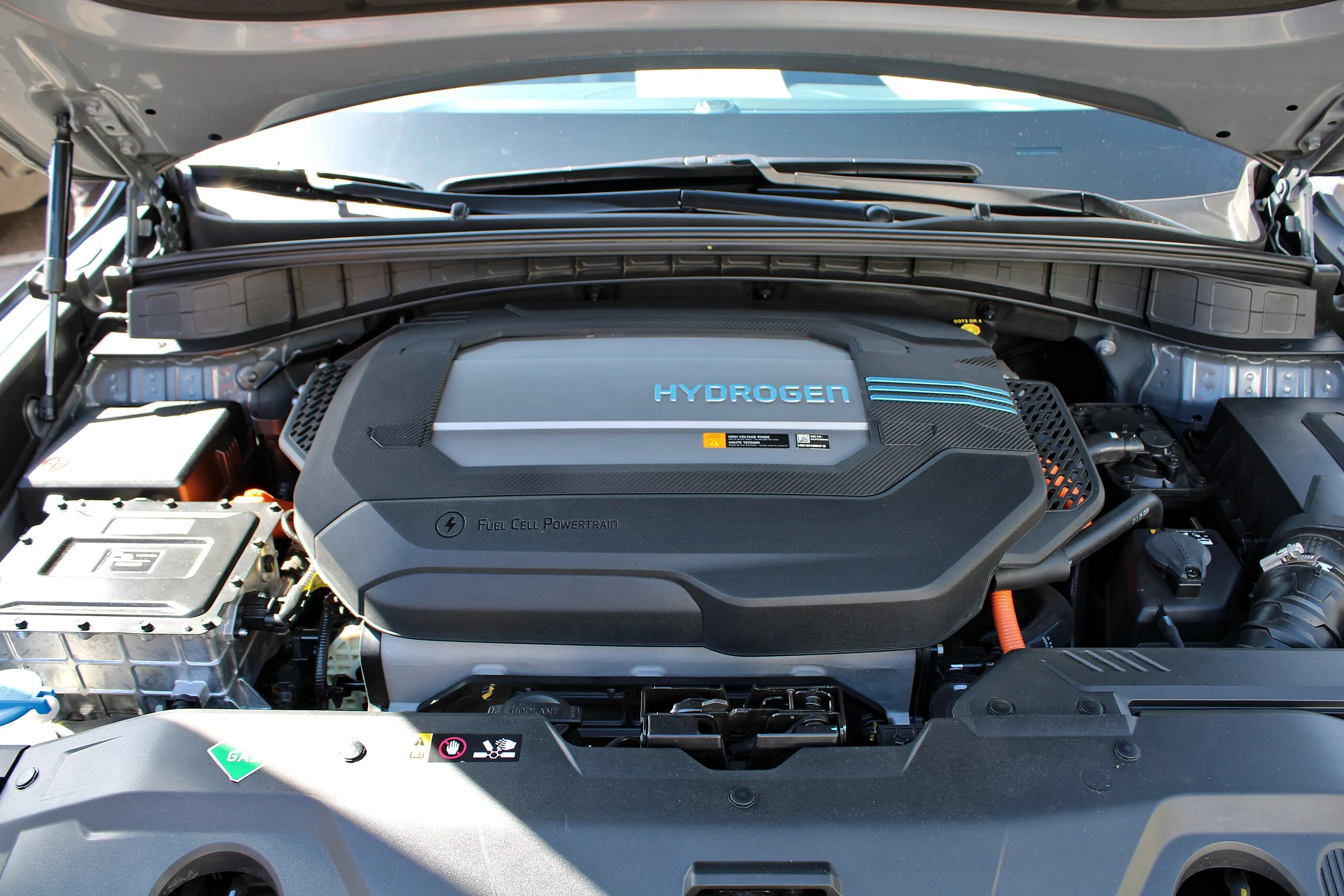
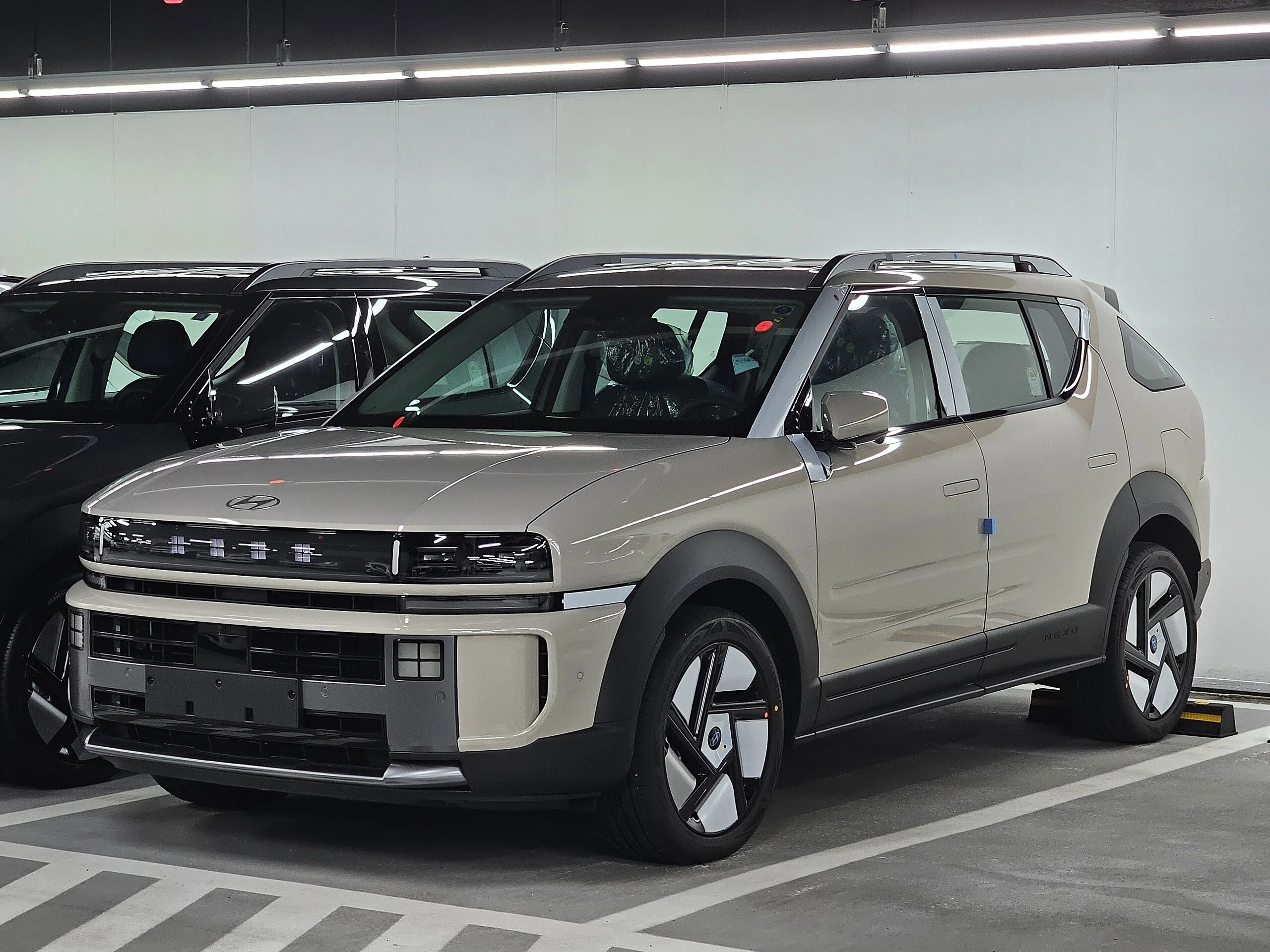
The fuel cell relies on hydrogen and oxygen to generate electricity, and the Hyundai Nexo, pictured below, is currently the world’s best-selling FCEV car
It’s fuel cells work in sort of the same way an internal combustion engine uses fuel and oxygen to create motion.
Related


Some myths to debunk, and some myths that are true
Let’s start with a myth that we need to debunk.
Hydrogen cars don’t explode or catch fire as easily as people think.
In fact, hydrogen is arguably safer than gasoline in a crash.
Hydrogen is lighter than air, and if a tank is punctured, the gas generally dissipates.
Another myth: it isn’t true that FCEVs lose range in the winter.
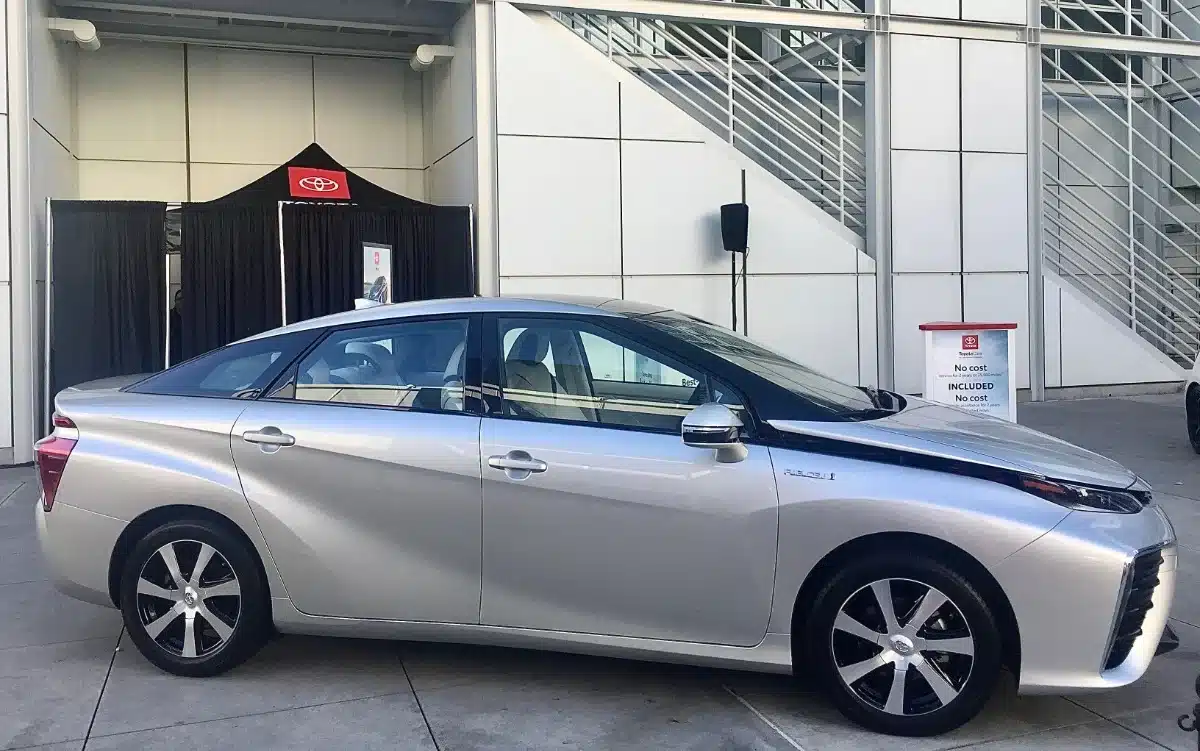
The Toyota Mirai, pictured below, is currently the second most popular FCEV after the Hyundai NEXO
In reality, it can be the opposite because the chemical process that generates electricity creates heat.
That heat can be used to warm the cabin, and range isn’t affected.
The myth that is true, and that hydrogen car critics often use to make their point, is that hydrogen cars are less efficient.
They’re the ‘greenest’, but not the most efficient, not only because of the complicated process we mentioned before, but also because only around 30-40 percent of the initial energy actually goes to the wheels.
Whereas in a BEV, it’s closer to 80 percent.
Hydrogen cars are older than we think

Just like BEVs, hydrogen cars have been around for much longer than we think. In fact, the GM Electrovan, pictured above, is often described as the first modern fuel cell vehicle
But evenbefore that – in 1807, yep, with an ‘8’ – a Swiss inventor named François Isaac de Rivaz designed an engine that was powered by a mixture of hydrogen and oxygen.
He even built a primitive vehicle to house it.
A few decades later, in 1839, Sir William Grove – a Welsh judge who also happened to be a physical scientist – invented the first fuel cell.
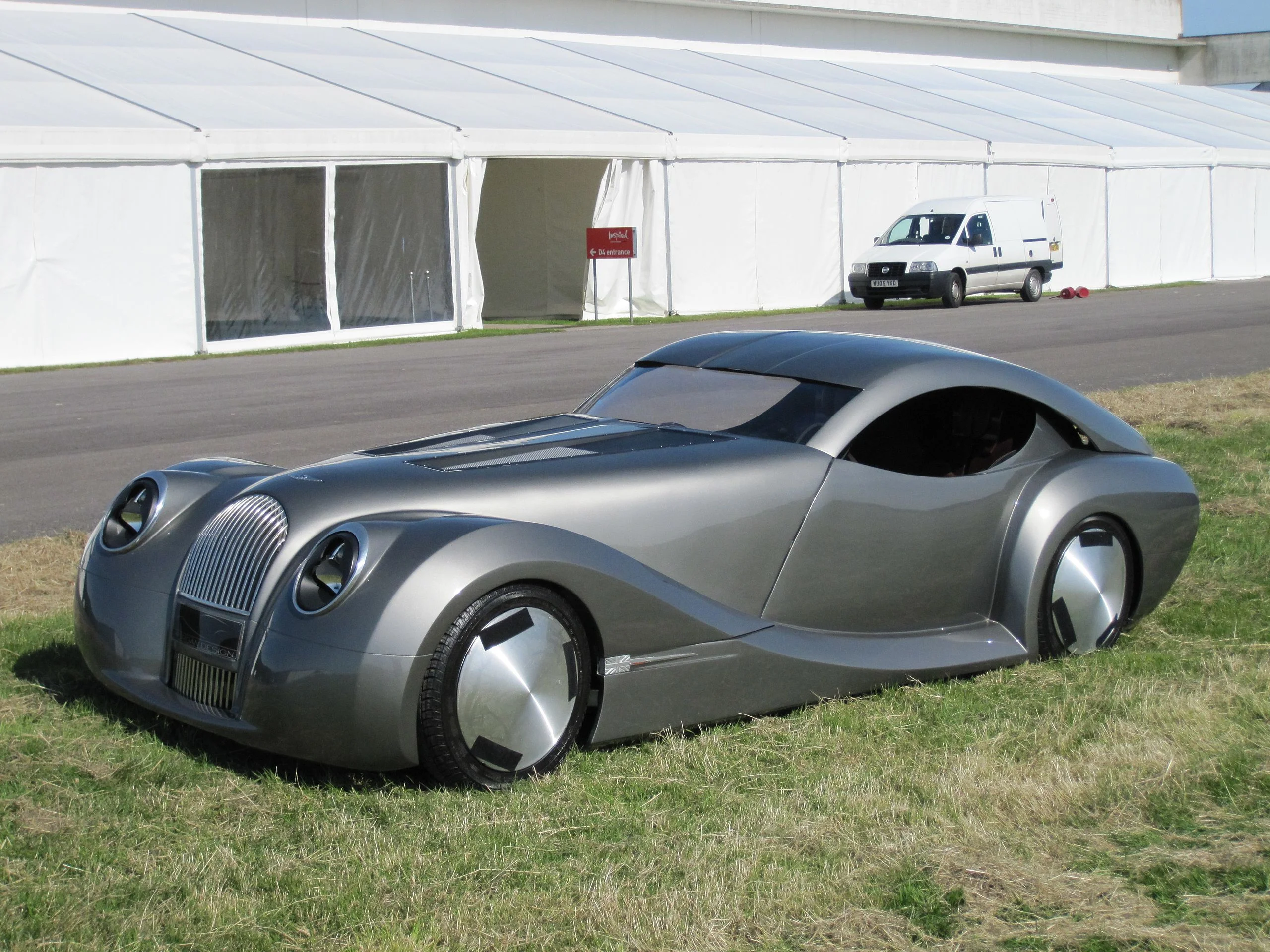
Even Morgan made a fuel cell prototype once, it was called the LIFE – lightweight fuel efficient – Car, pictured below.
In 1860, Belgian-French engineer Étienne Lenoir invented the first hydrogen vehicle that looks vaguely similar to something we’d call a car today.
The first hydrogen fuel cell of the modern era was created by GM in the 1960s.
Fast-forward to this century, and we find a 2002 initiative that put together the US, Japan, Honda, and Toyota.
These automakers created ‘twin’ cars – called the FCHV and FCX – that were tested in the real world.
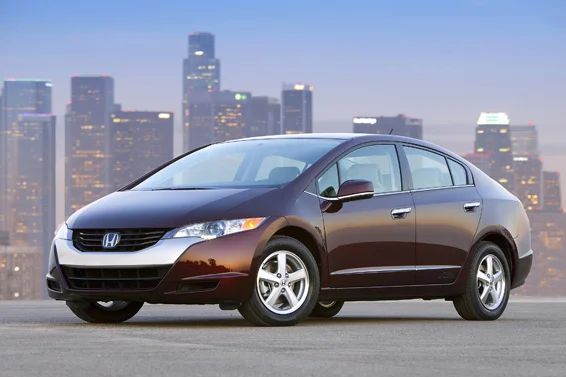
Loosely inspired by the FCX and carrying a similar name, the 2008 FCX Clarity was arguably the first modern production FCEV, picture below.
Why aren’t these cars catching on?
The simple answer – the cynics would say – is politics.
There’s an element of truth to that, because EVs are definitely being politicized, subsidized, and incentivized.
Even in the US, despite the Federal EV Tax Credit having expired, there are still a lot of different incentives of all kinds at the state and local level for BEVs.
But politics isn’t the only reason, and probably not even the main reason.
In the early days of hydrogen cars – relatively speaking, they’re older than we think – there was this boilerplate mantra everyone used to love and use.
“Hydrogen is the most abundant element in the universe,” the mantra goes.
To which some people are now finally replying with: “Your point being….?”
Saying that hydrogen is the most abundant element in the universe is like saying there’s no drinking water problem anywhere because the sea is full of water.
It is, but you can’t just drink seawater if you’re thirsty.
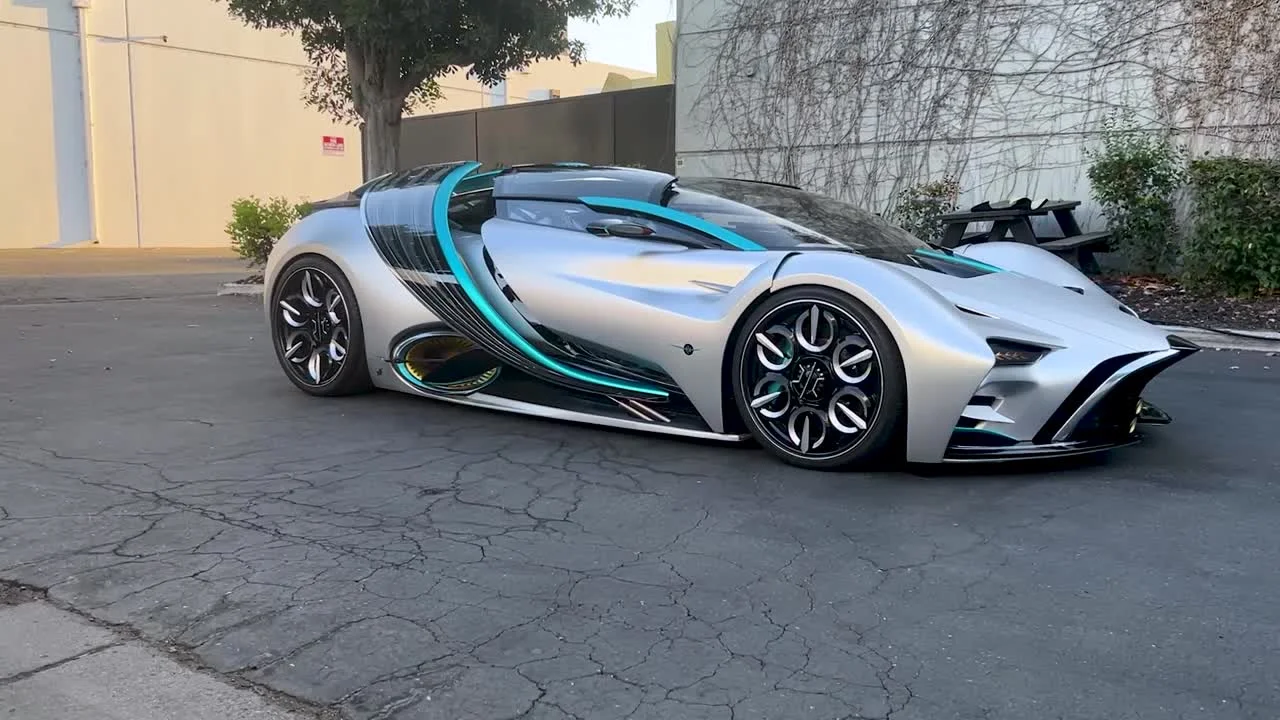
And you can’t just grab hydrogen from the air and throw it in the tank of a car, which is why cars like the Hyperion XP-1, an FCEV supercar concept, pictured above, have been ‘coming soon’ for a while.
The truth is, turning hydrogen into usable fuel is a very complicated process.
And complicated means expensive, which is why hydrogen cars are generally expensive.
So the main reason why most automakers prefer Battery Electric Vehicles to Fuel Cell Electric Vehicles is that battery-powered EVs rely on technology we know: batteries.
The very first Tesla Roadster, for example, used batteries that were surprisingly similar to the batteries you’d have found in a laptop.
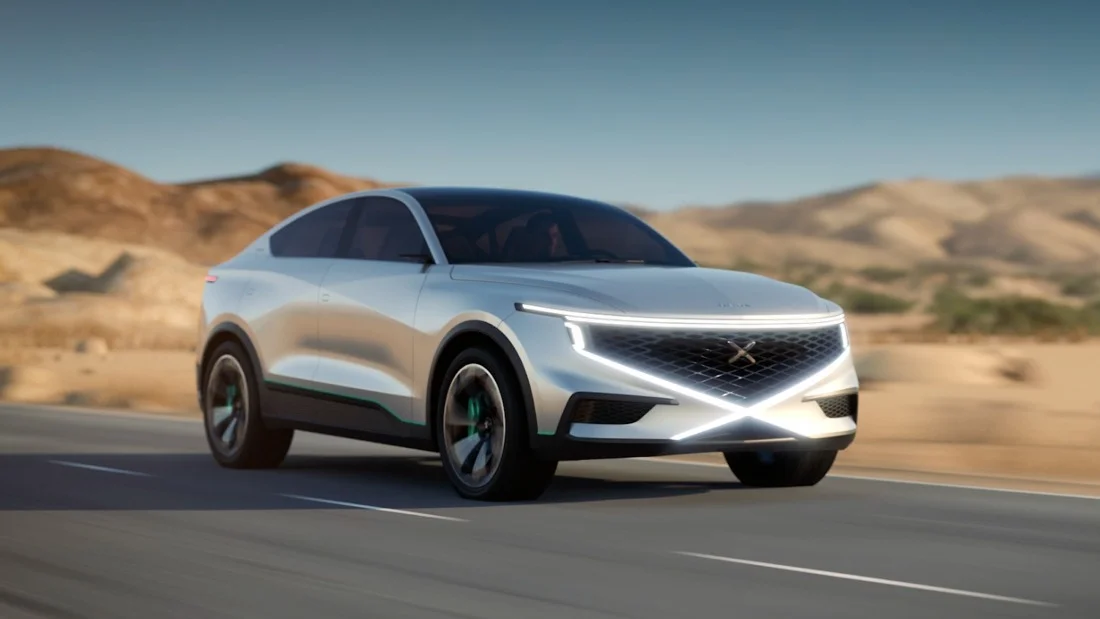
The answer to that issue, though, could come from the NamX HUV, pictured below, the first production car powered by removable hydrogen cartridges.
How many hydrogen cars can you buy today?
The answer is: not many.
There are only four, eight, or nine hydrogen vehicles available – depending on how you count them.
The only four FCEVs pretty much anybody can go out and buy are the Toyota Mirai, Hyundai NEXO, Honda CR-V e:FCEV, and the Toyota Crown FCEV.
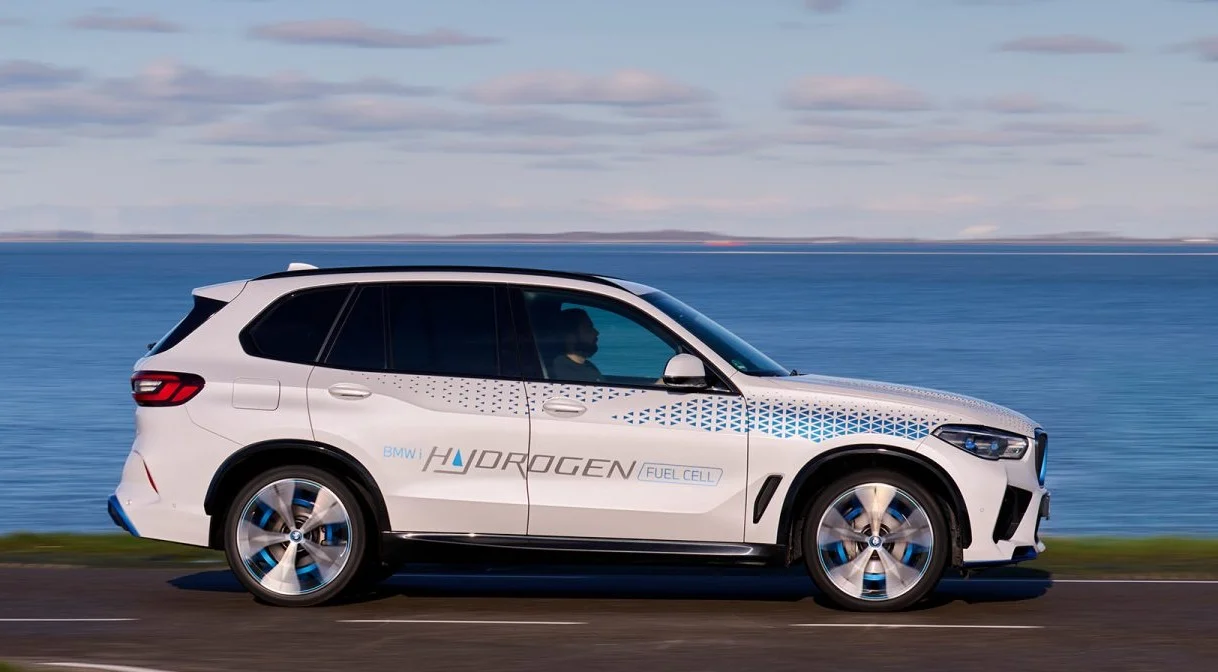
We can maybe add the BMW iX5 Hydrogen, pictured below, to the list, but that’s not available in every showroom. It’s a pilot fleet vehicle, so it’s only used for tests and demos, and production is limited.
And we could also mention three commercial vehicles.
Hyundai makes the XCIENT Fuel Cell, a heavy-duty truck, and ELEC CITY, a bus that’s only available in South Korea, and then Mercedes builds the NextGenH2 Truck.
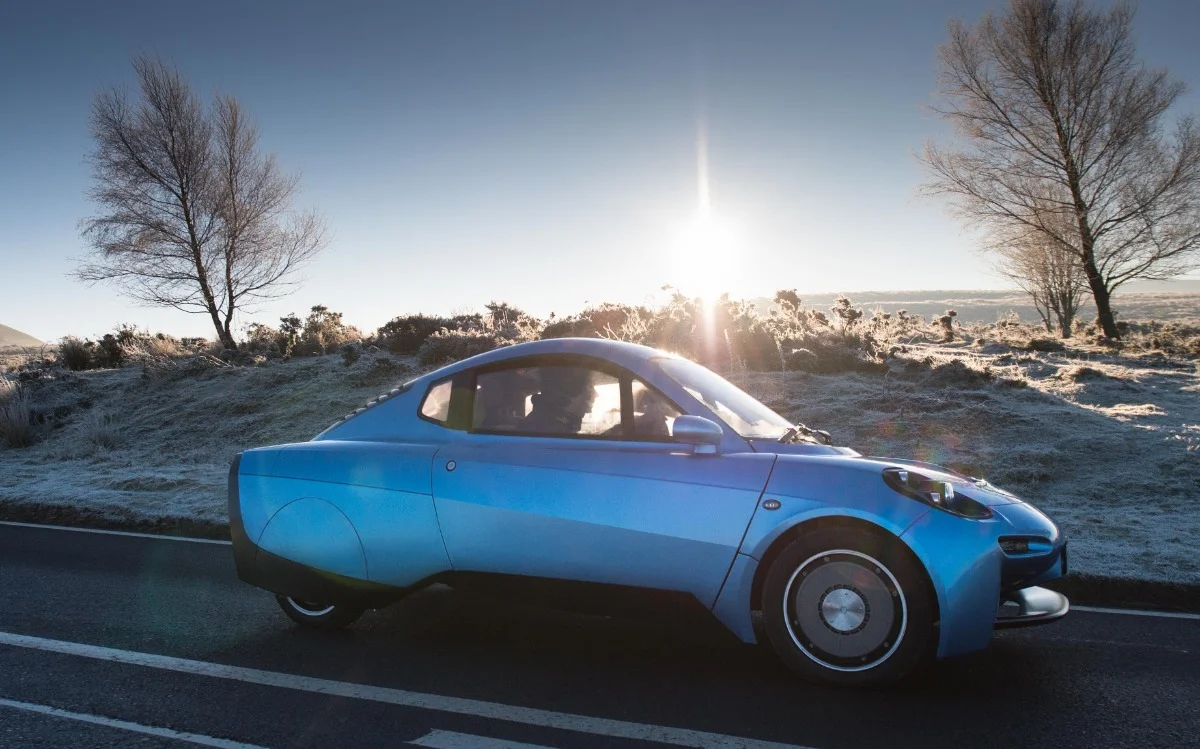
Maybe we could also add the Riversimple Rasa, pictured below, an ultra-lightweight two-seater that’s only available in ‘Beta’ phase in the UK.
Then we’ve got an equally short list of concept cars that aren’t here yet.
The Hyperion XP-1, a NASA-inspired supercar, has been ‘coming soon’ since 2020.
The same could be said about the Hopium Machina, pictured below, a prototype unveiled in 2022 but with no production in sight.
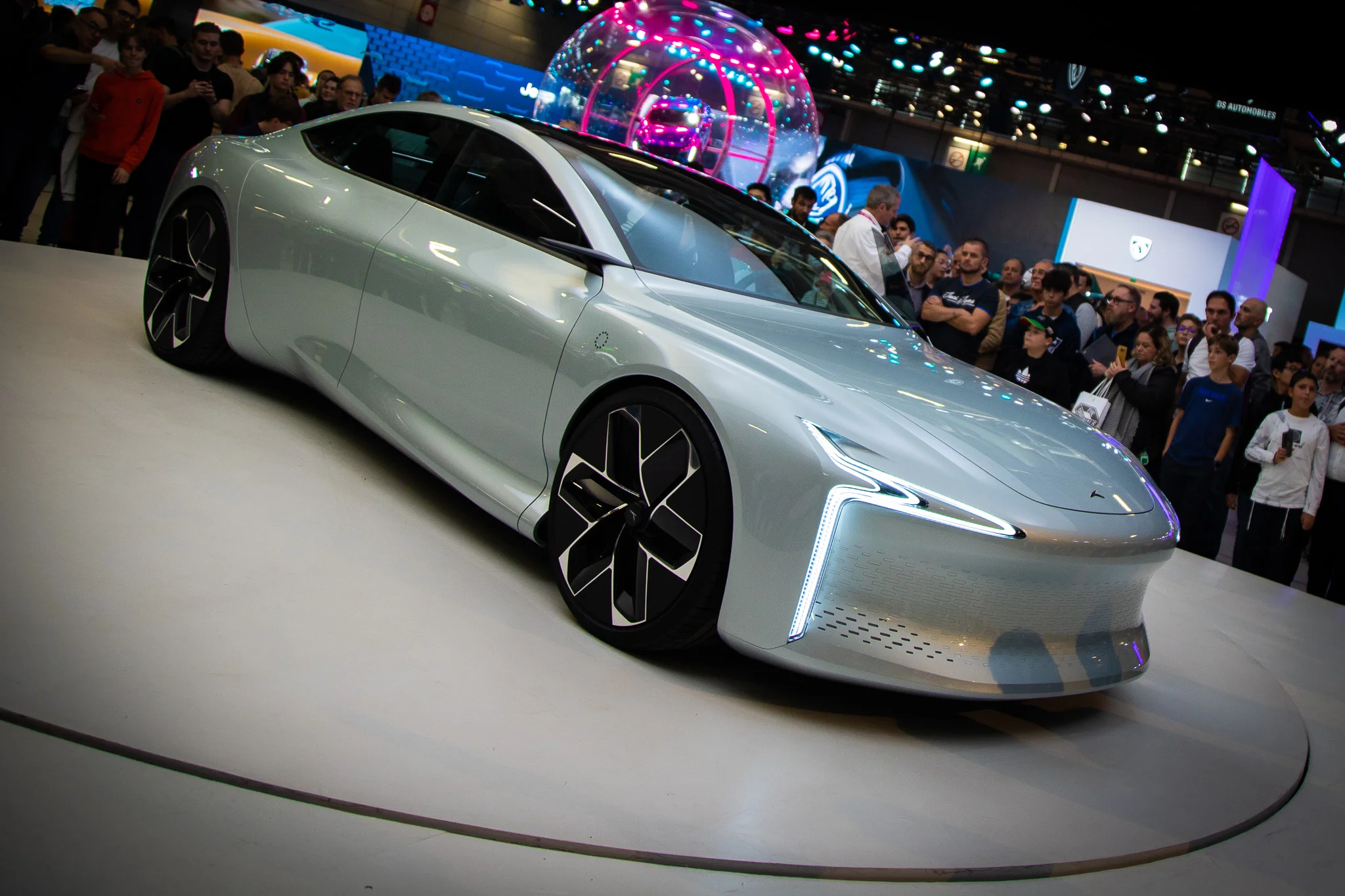
There’s also the aforementioned NamX HUV, a car powered by removable hydrogen cartridges that should enter production this year, and two amazing concept cars: the Hyundai N Vision 74 and the Alpine A4810/Alpenglow.
But these two are just demonstrators.
At the moment, production isn’t on the cards.
Alessandro is an automotive journalist with 10 years of experience covering supercars, automotive history, emerging vehicle technology, and luxury transportation. He wrote the first article published on SupercarBlondie.com when the website launched in 2022 and has since built a reputation for insightful reporting across the automotive and transportation industries. His expertise is grounded in hands-on experience. Alessandro has driven every Tesla model ever produced, from the original Roadster to the Cybertruck, and regularly covers the latest developments in electric vehicles and automotive innovation. His passion for transportation extends beyond cars, he has even flown a Boeing 787 Dreamliner simulator in Addis Ababa, Ethiopia. His reporting spans everything from classic American muscle cars and rare automotive discoveries to luxury yachts, private aircraft, high-end watches, and cutting-edge vehicle technology. Known for his deep knowledge of automotive history and ability to uncover the stories behind iconic vehicles, Alessandro brings readers a blend of historical context, technical expertise, and first-hand experience.