Unique livery shows how hydrogen-powered Toyota Mirai actually works
- Toyota created a unique livery for the Mirai
- The livery provides visual cues to showcase how hydrogen cars work
- The Mirai is the world’s first mass-produced hydrogen car
Published on Oct 31, 2024 at 11:03 AM (UTC-4)
by Alessandro Renesis
Last updated on Nov 01, 2024 at 8:18 AM (UTC-4)
Edited by
Tom Wood
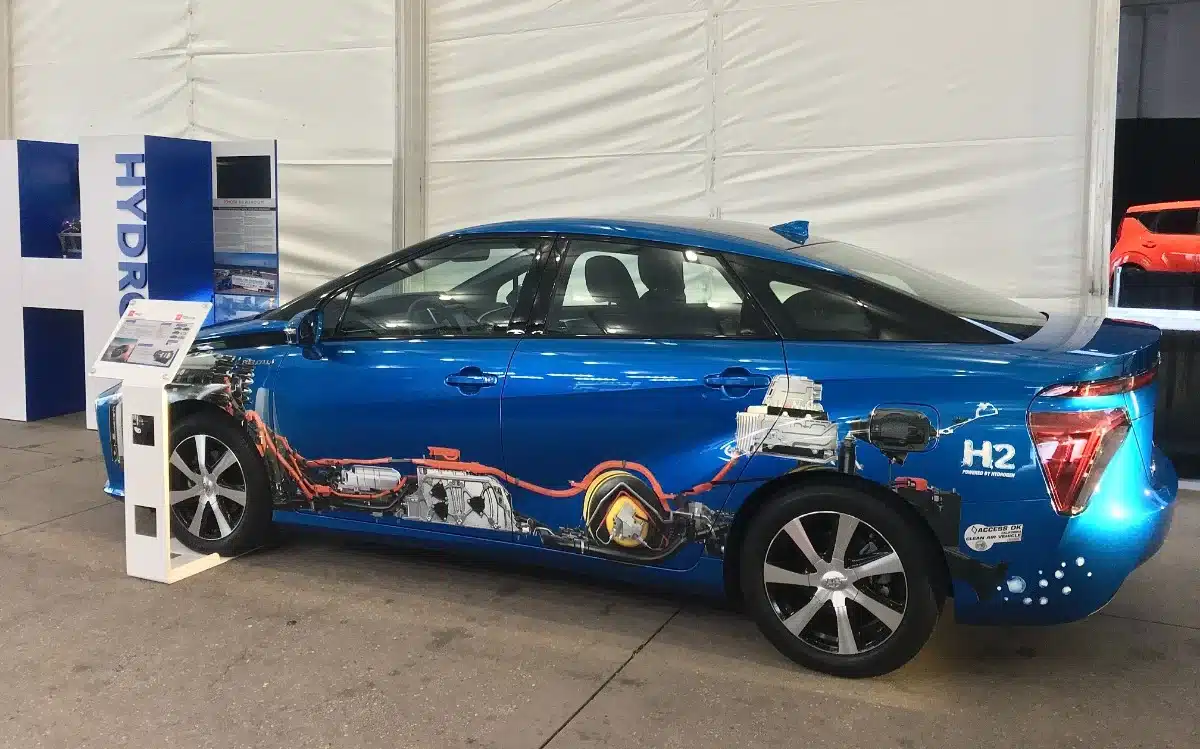

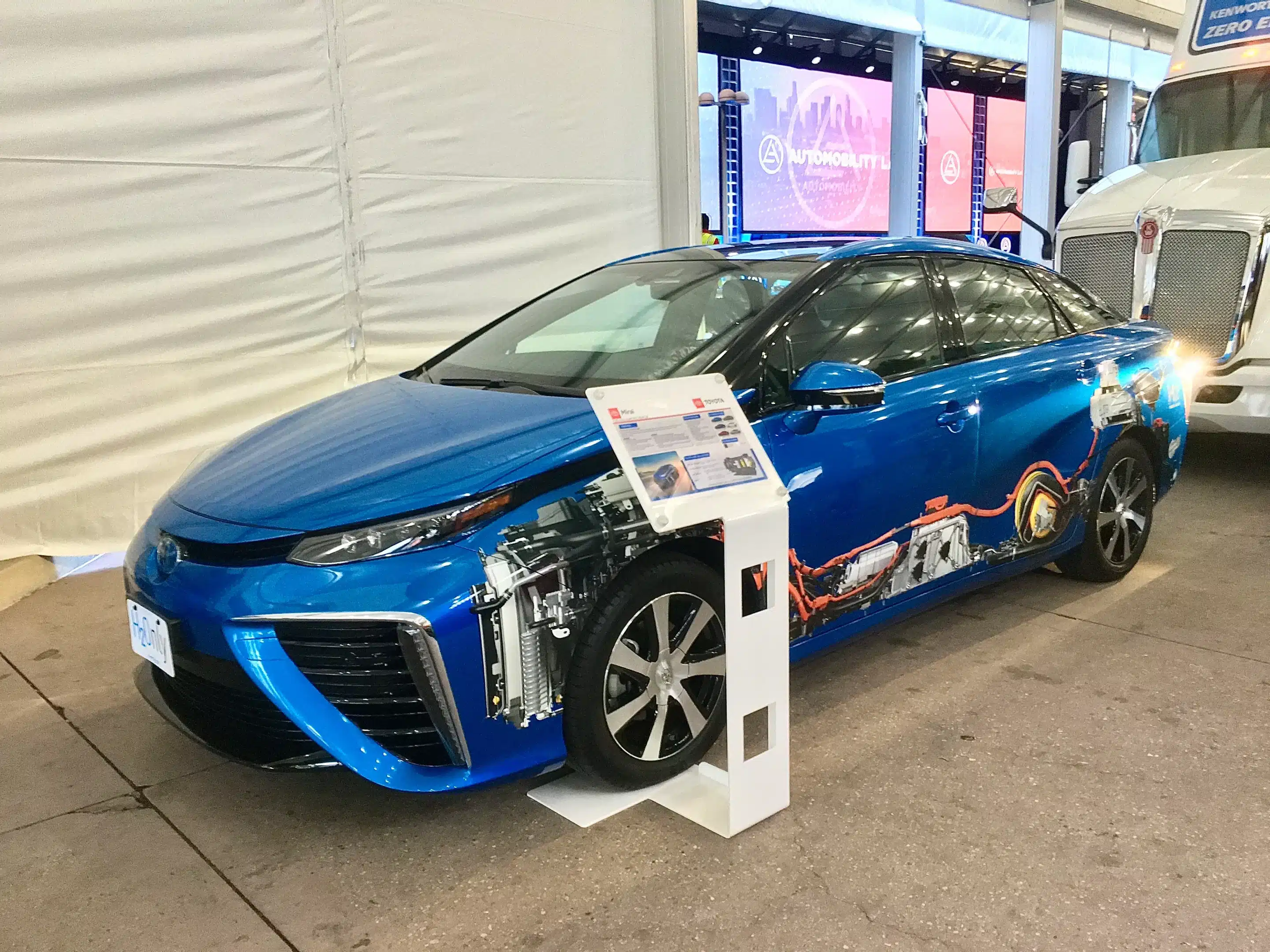
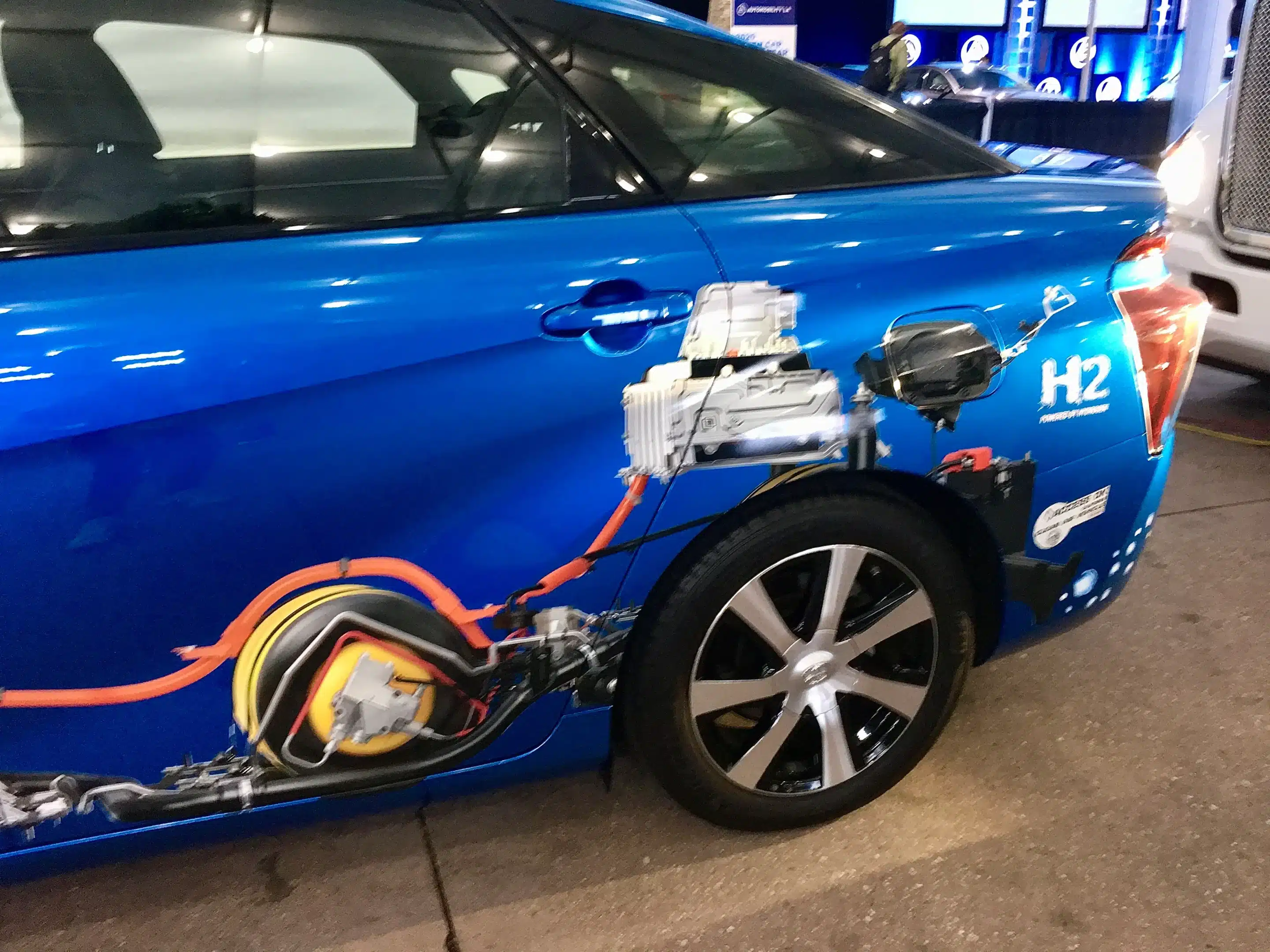
Toyota created a one-off livery for the Toyota Mirai to showcase how hydrogen cars actually work.
It’s a genius marketing stunt, but it’s also useful.
With this livery, Toyota wanted to explain, with visual cues, the process that turns hydrogen into motion.
They should probably consider this as a factory paint option.
How do hydrogen cars actually work?
Hydrogen cars are also known as FCEVs, as in Fuel Cell Electric Vehicles.
They use hydrogen to produce electricity, which powers the electric motor.
Hydrogen, highly pressurized and compressed, is stored in tanks, and it is then mixed with oxygen in the fuel cell, which produces electricity and water vapor.
Both Alpine with the Alpenglow Hy6 and Hyperion with the XP-1 hypercar, for example, are constantly banging on about how their cars only ’emit water’.
It sounds great when you’re reading the brochure, but it’s also true, and kind of a big deal.

The reason why the Toyota Mirai is so ubiquitous
If you search the key terms ‘hydrogen+car’ on Google or any other search engine or social media platform, the first, second and maybe even third result will almost certainly direct you to the Toyota Mirai.
There are probably at least three reasons for this.
First, there aren’t that many FCEVs.
At the time of writing, there are only three other hydrogen cars in production, and those are the Honda CR-V e:FCEV, the Hyundai Nexo and the BMW iX Hydrogen.
The second reason has to do with sales.
The Toyota Mirai isn’t the best-selling FCEV month in month out – it’s usually neck and neck with the Nexo – but Toyota has been at it for much longer.
The Mirai was first unveiled in 2014, making it the first mass-produced and the longest-continuing production hydrogen car in the world.
The third reason is Toyota’s attitude when it comes to BEVs, as in battery vehicles.
On so many occasions, Toyota’s ex-CEO and now Chairperson Akio Toyoda has reiterated his skepticism regarding battery-powered EVs.
Toyota is still (slowly) joining the EV bandwagon, but the company has tried, probably harder and longer than anyone else, to find suitable alternatives to battery vehicles.
Alessandro is an automotive journalist with 10 years of experience covering supercars, automotive history, emerging vehicle technology, and luxury transportation. He wrote the first article published on SupercarBlondie.com when the website launched in 2022 and has since built a reputation for insightful reporting across the automotive and transportation industries. His expertise is grounded in hands-on experience. Alessandro has driven every Tesla model ever produced, from the original Roadster to the Cybertruck, and regularly covers the latest developments in electric vehicles and automotive innovation. His passion for transportation extends beyond cars, he has even flown a Boeing 787 Dreamliner simulator in Addis Ababa, Ethiopia. His reporting spans everything from classic American muscle cars and rare automotive discoveries to luxury yachts, private aircraft, high-end watches, and cutting-edge vehicle technology. Known for his deep knowledge of automotive history and ability to uncover the stories behind iconic vehicles, Alessandro brings readers a blend of historical context, technical expertise, and first-hand experience.