Man who built a flight simulator exclusively using parts from Temu revealed the eye-watering amount of money he saved
Published on Oct 07, 2026 at 4:51 AM (UTC-4)
by Daisy Edwards
Last updated on Oct 07, 2026 at 10:50 AM (UTC-4)
Edited by
Mason Jones
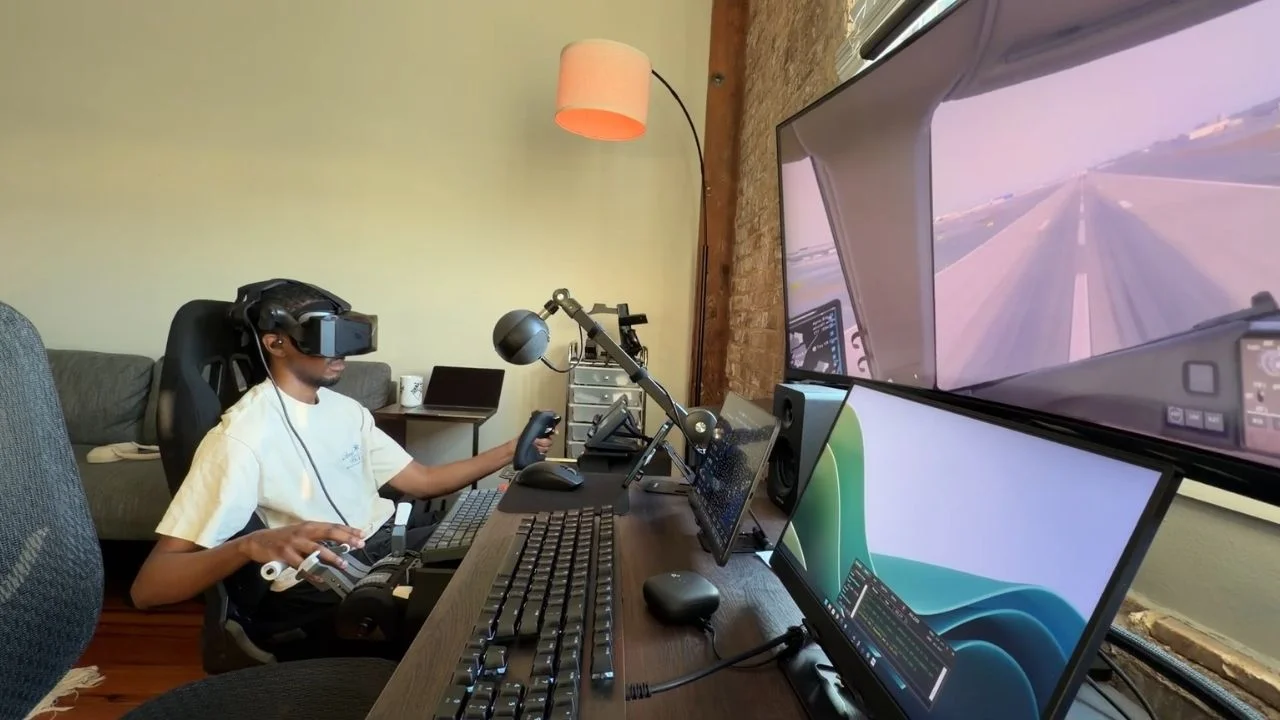

Building a flight simulator at home can quickly turn into an expensive hobby, with dedicated rigs often costing thousands of dollars before all the extra equipment is added, but thanks to Temu, one man bagged himself a bargain.
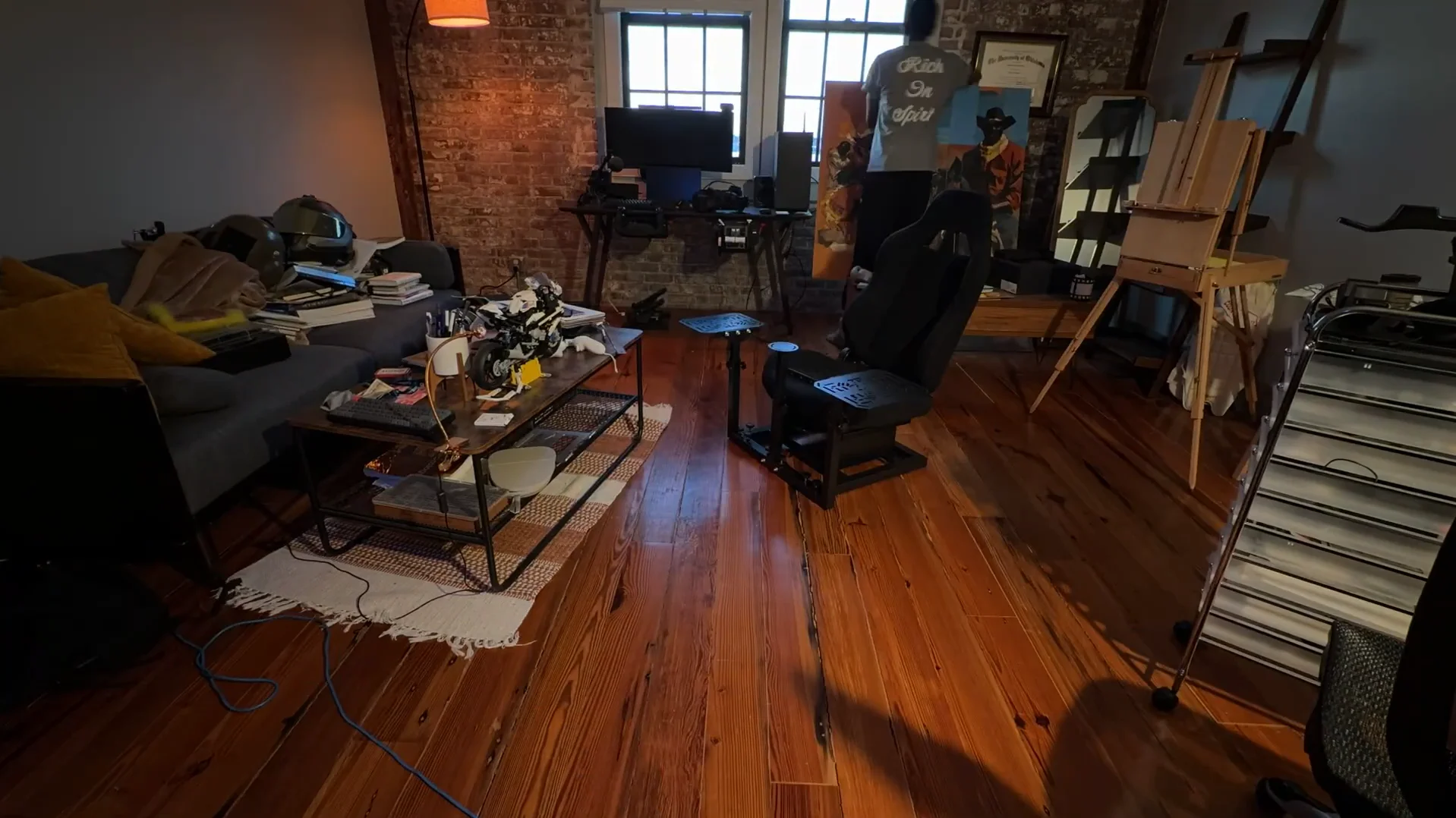
YouTuber Jay Bassue decided to see what he could build using a much cheaper alternative, ordering the base of his rig directly from the online marketplace.
What started as a way to make flight simulation more accessible has since become a major part of Jay’s life, taking him from cardboard cockpits as a child to a fully customized setup in his apartment.
And the biggest surprise for him wasn’t just how little it cost, but how good the finished rig turned out to be.
How Jay built the base of his flight simulator
Jay, who shares his flight simulator aviation adventures on YouTube as OpenSourceVR, told Supercar Blondie that the base of his rig cost him around $300 when purchased through Temu.
“The total cost to build the base of the rig, the base, and I’m talking just straight from Temu, was just about $300,” he said.
That becomes particularly interesting when you compare it with the price of entry-level simulator rigs.

“The caveat is you’ve got to look at the price of entry-level rigs and that’s always been kind of cost prohibitive to me,” Jay explained.
“I’ve just never jumped into even trying something like this. But they’re all like $900 to $1,000 just for the base model with no accessories.”
That means Jay spent roughly a third of what he says an entry-level alternative can cost, saving around $600 to $700 on the base alone.
And he didn’t stop there, because when it came to building the ultimate flight simulator, a lot could be DIY’ed.
Over the following weeks and months, Jay completely revamped the rig, adding equipment and accessories that he already had lying around.
“Most of it has been free because I’ve had that equipment just lying around. I just repurposed it,” he said.
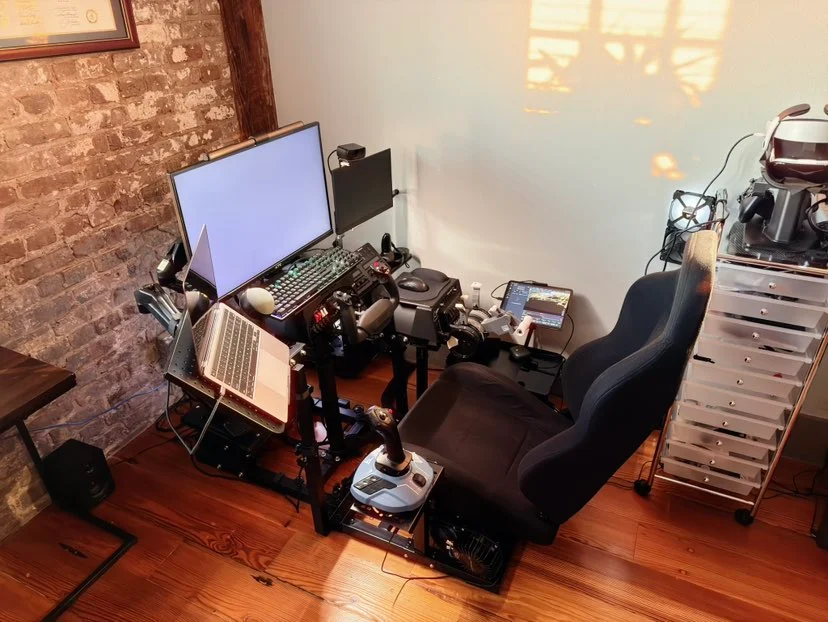
The result is a setup that looks considerably more elaborate than its $300 starting point might suggest.
He was shocked by how easy the Temu rig was to build
Jay admitted that he had some reservations before ordering the rig, particularly because of the assumptions that can come with buying something from Temu.
“I kind of had to put myself over the stereotypes that existed on buying something from Temu, and I made that dive not expecting much” he said.
But those expectations quickly changed.
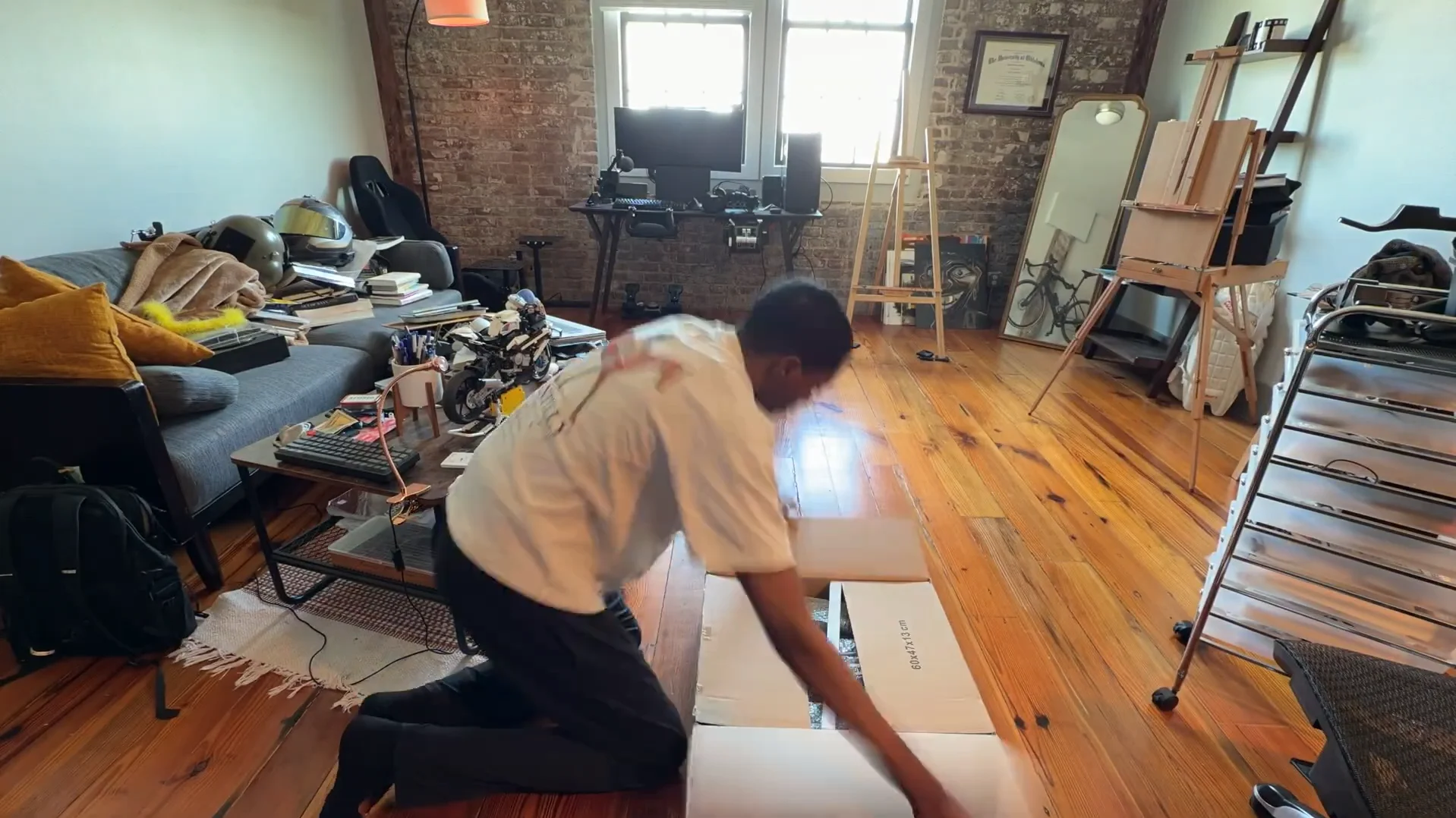
“What I got was something that I put together in one day,” Jay explained. “And it came to my apartment in just a few days and I was supposed to take, I was expecting weeks if I ever got the product at all.”
Jay was also impressed by how much he could customize the rig around his own body and the limited space available in his apartment.
“The last thing that really surprised me was how reconfigurable it was and how personalizable it was,” he said.
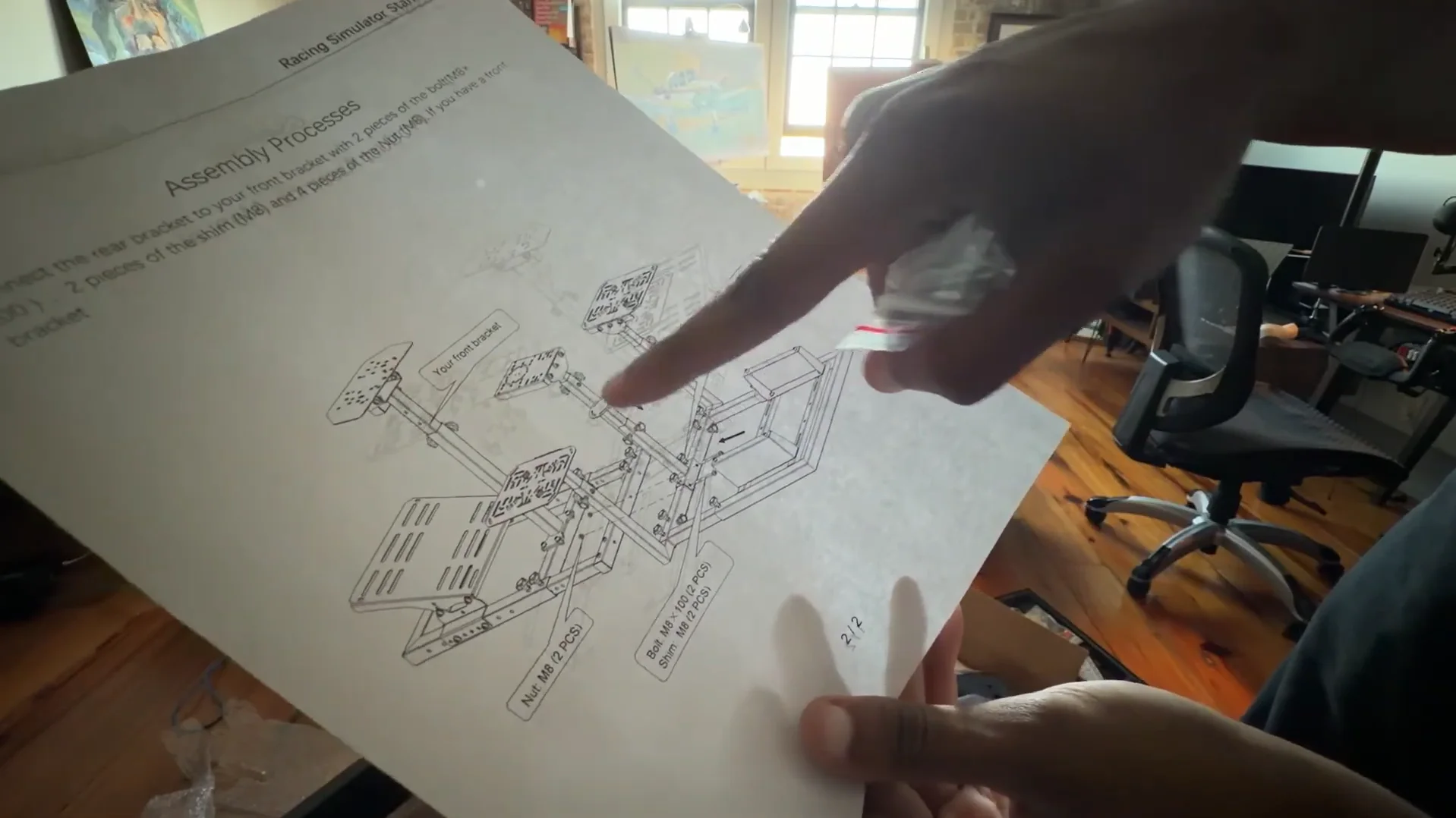
“I’ve got it to fit my exact specifications, which is something you just don’t expect whenever you buy a not-name-brand product.”
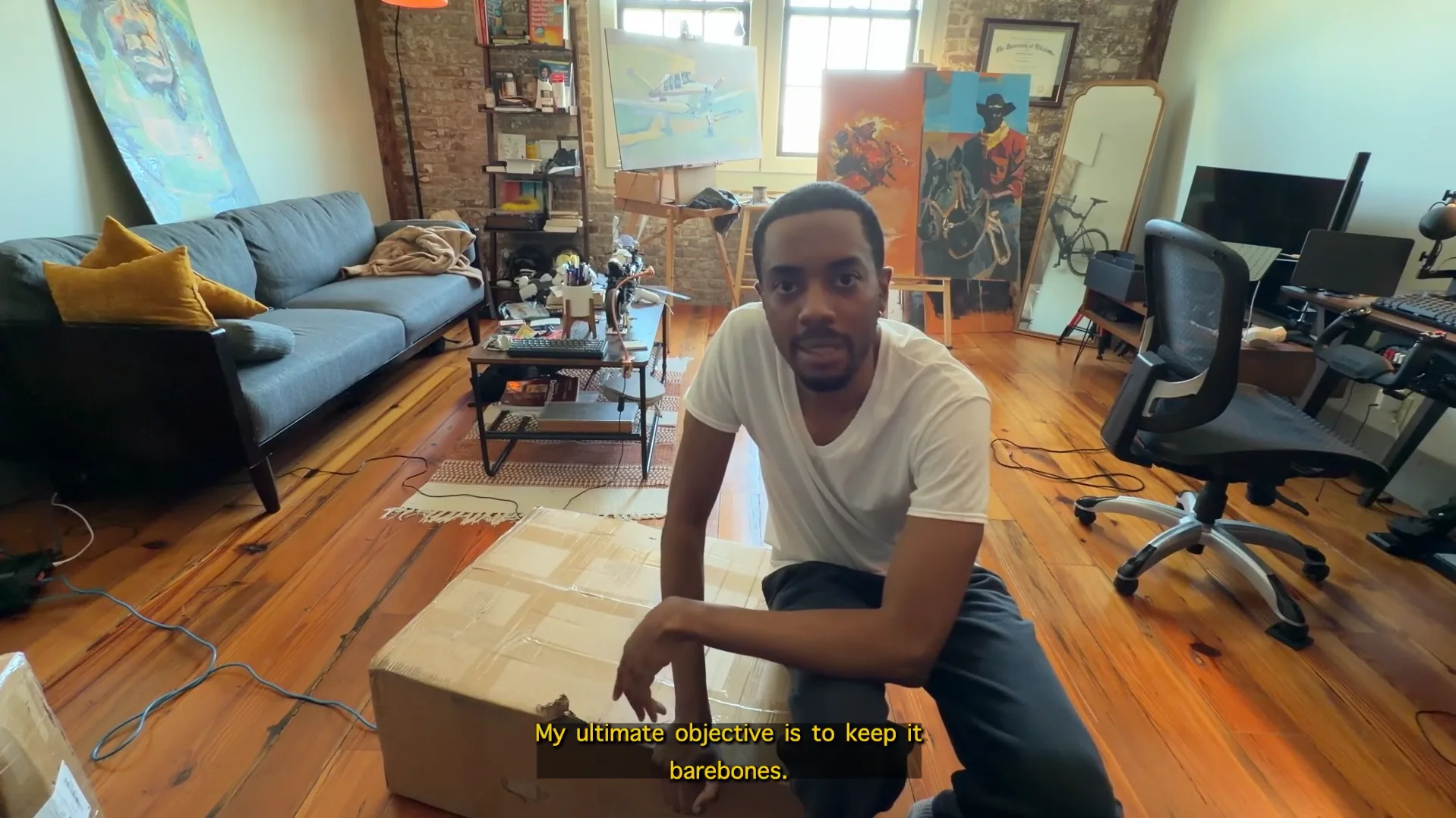
That’s particularly important for Jay because he’s six-foot-five and doesn’t have an entire room available to turn into a cockpit.
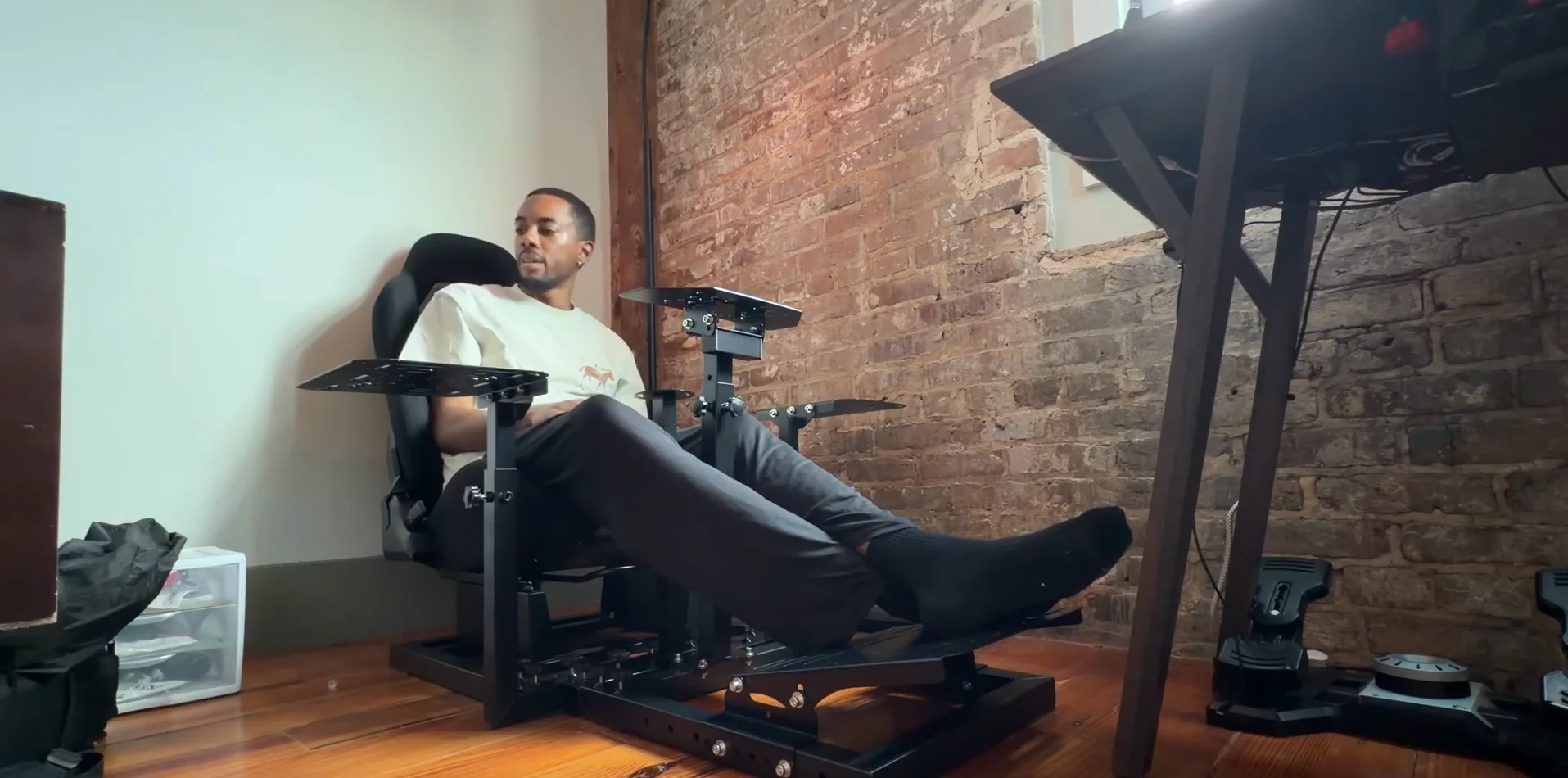
“I 100% did have to make compromises because of the apartment,” he told us.
“I had to rearrange the entire living room. And no, I didn’t have the luxury of building it into a second room, but it still worked.”
He believes that you don’t need a huge house or unlimited budget to get started.
The simulator started as cardboard boxes when he was a kid
Jay’s fascination with his flight simulator goes back much further than his Temu purchase.
Growing up in the Caribbean with his brother, the pair would make their own cockpits from whatever they could find.
“It really was him,” Jay said of his brother’s influence.
“We grew up in the Caribbean, so small island. It was just my mom. And so we had to use our imagination like a lot.”

He remembers using cereal boxes to create their own aircraft.
“It would be like Kellogg’s boxes, like Corn Flakes and cereal boxes. And we would cut them and unravel them and stitch them up together with a whole bunch of tape,” he said.
“We would sit there and sometimes put it in front of the door frame or a window frame and you’d look outside and pretend like you’re flying.”
Decades later, that childhood imagination has evolved into something considerably more sophisticated.
Jay’s brother is now an engineer and private pilot, while Jay has built his own simulator and hopes to eventually earn his private pilot’s license.
“I still want to get my private pilot’s license,” Jay said. “In my case, it would be a progression from the sim to the actual cockpit, but I’ll be doing both of them forever.”

His brother also helps him build custom components for the rig, using 3D printing, laser cutting and other fabrication techniques.
“I send him the 3D dimensions that I need, and he goes and he does laser cutting, engraving, and molding those parts for me,” Jay explained.
That makes the simulator a genuine family project, continuing the same DIY spirit that started with cereal boxes.
And despite spending his days in medical residency, Jay can still spend hours inside his virtual cockpit.
“I come home from a 12-hour day sometimes, you know, you’re doing a medical residency, and I sit there for five hours after that and I clock into my second job and I say, ‘Wow, this is amazing’,” he said.

“That’s the ultimate escape, really.”
For Jay, the simulator isn’t simply a video game.
“I definitely live on the training part,” he said.
“There’s so many applicable things that happen between the simulator and the real world.”
And perhaps the most fitting part of the whole story is that his favorite route on his flight simulator is one he repeats every week.
Jay regularly flies American Airlines 2299 from Saint Kitts to Miami in a Boeing 737-800 because it reminds him of his first experience flying on a jet.
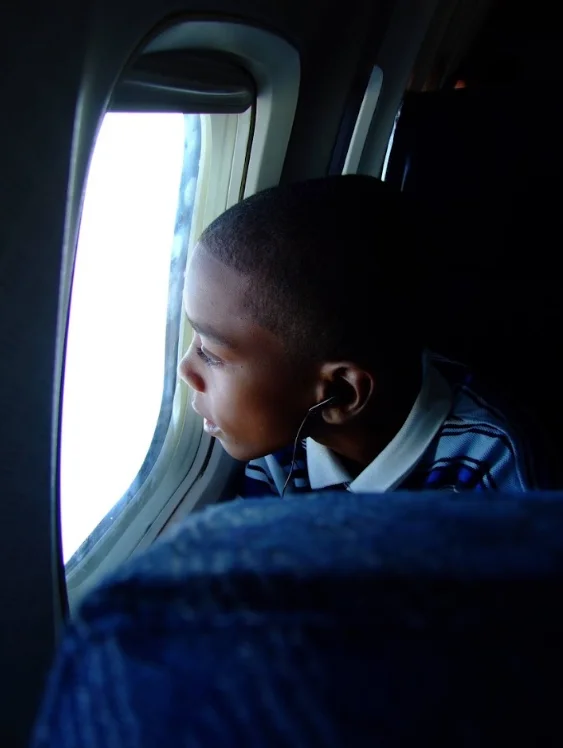
“I do it because it makes me feel nostalgic,” he said.
“It was my first time on that first-gen airliner… and it’s still my call sign to this day. I don’t fly with any other call sign. It’s always 2299.”
What began with cardboard boxes and childhood imagination has now become a $300 Temu rig, a YouTube channel and a hobby Jay is increasingly comfortable sharing with the world.
And considering he estimates that a comparable entry-level base can cost around $900 to $1,000, his decision to build it this way has saved him hundreds of dollars before he’s even taken off.
Daisy is a technology and automotive journalist covering artificial intelligence, consumer tech, Apple news, cryptocurrency, emerging technologies, and transportation innovation. Since joining the team in 2025, she has reported on everything from AI-powered startups and major iOS updates to viral car stories and the latest developments shaping transportation and the digital economy. Drawing on her background in automotive journalism and a degree in History and Journalism from Goldsmiths, University of London, Daisy specializes in breaking down complex topics into clear, engaging reporting for a global audience. Her work spans cutting-edge technology, innovative vehicles, and the people driving change across both industries. Daisy has gained first-hand access to some of the world's most talked-about technologies and innovators, including meeting Tesla's Optimus humanoid robot during its first European appearance in London. She has also discussed the future of space exploration with an astronaut, bringing unique insights and real-world perspectives to her coverage of emerging technology.