Hydrogen car owner revealed how much it costs him to fill up his Toyota Mirai
- This Toyota Mirai shared the true cost of hydrogen cars
- He bought the car because the dealer made him a tempting offer
- However, the actual running cost is higher than he thought
Published on Oct 24, 2024 at 4:23 AM (UTC-4)
by Alessandro Renesis
Last updated on Oct 24, 2024 at 11:39 AM (UTC-4)
Edited by
Amelia Jean Hershman-Jones
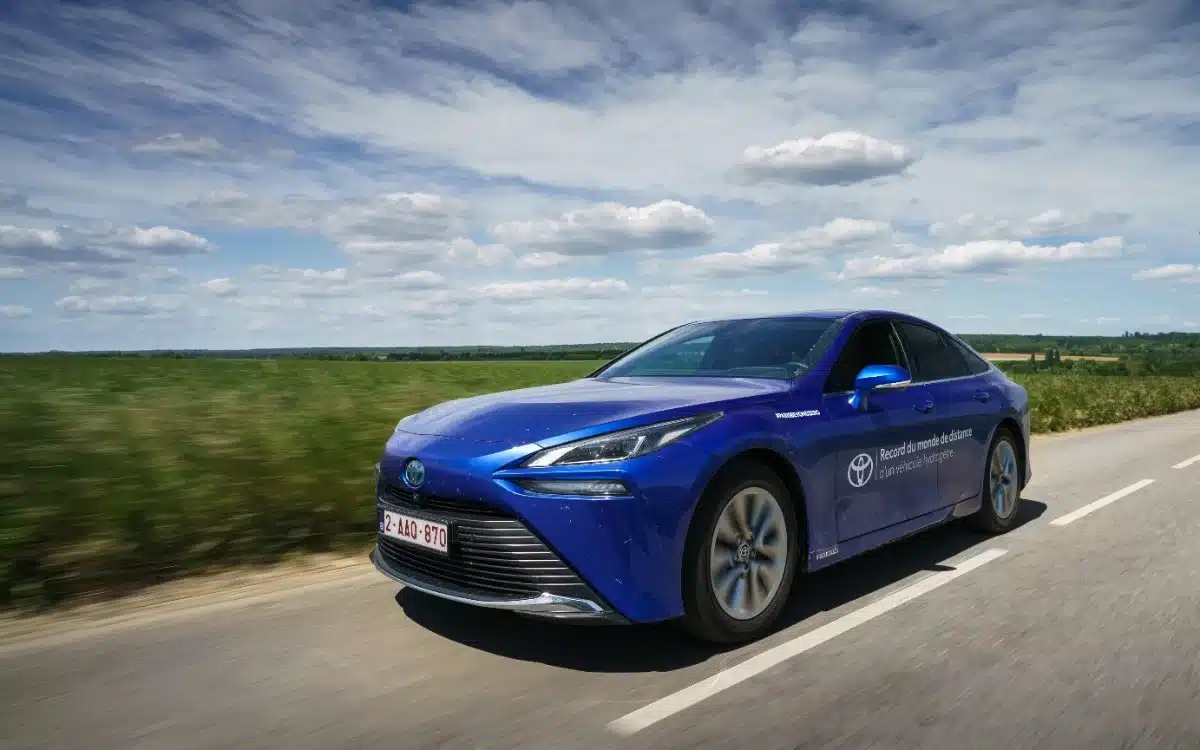

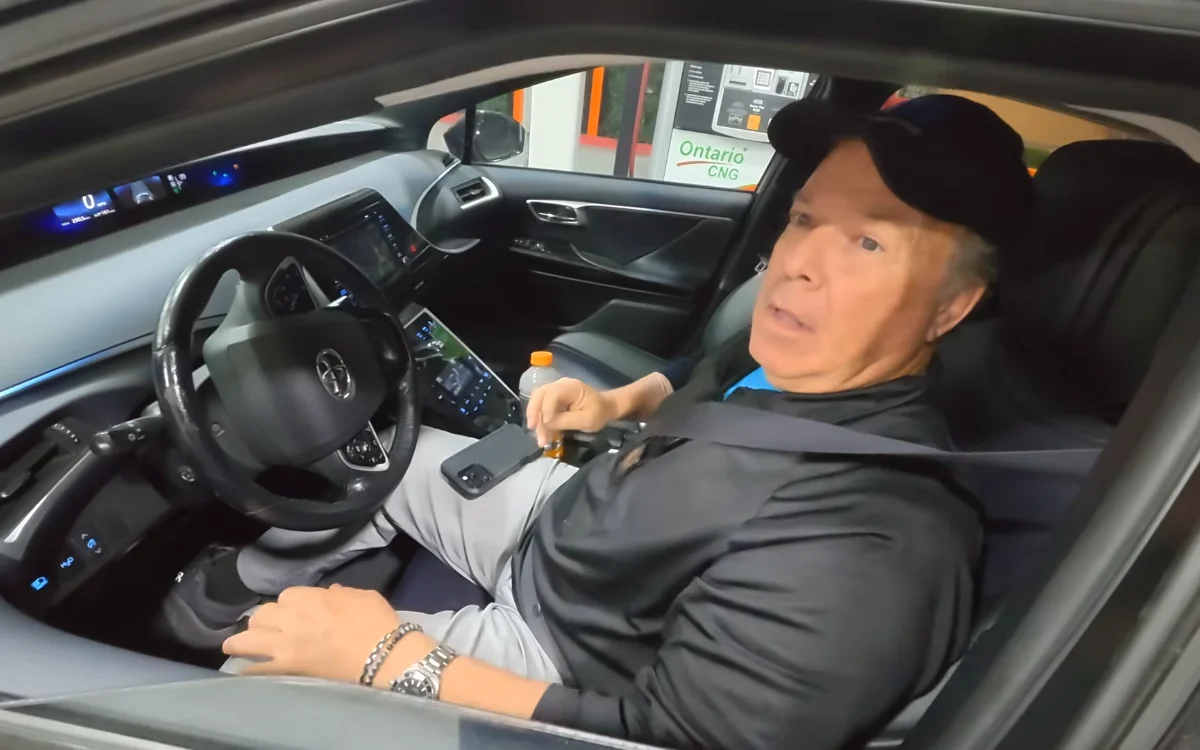
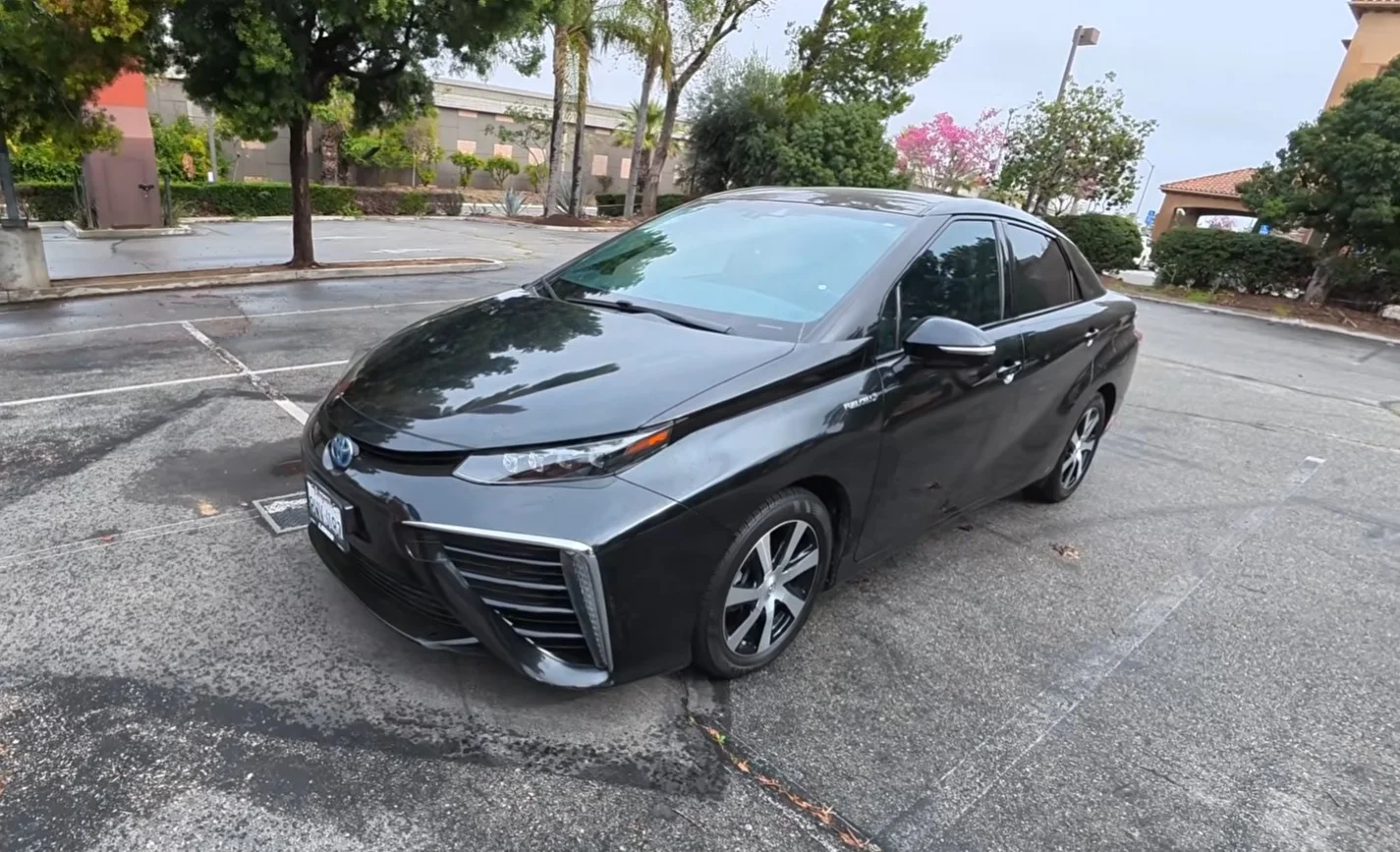
This guy owns a Toyota Mirai, one of the world’s best-selling hydrogen cars.
Obviously, this particular bar has not been set very high, since hydrogen cars are still quite rare.
But the point is some people think hydrogen cars are the best alternative to electric cars.
This guy shared a video to break down the cost of filling up the car, and he has something to say about the experience.
DISCOVER SBX CARS: The global premium car auction platform powered by Supercar Blondie
What’s it like to run a Toyota Mirai
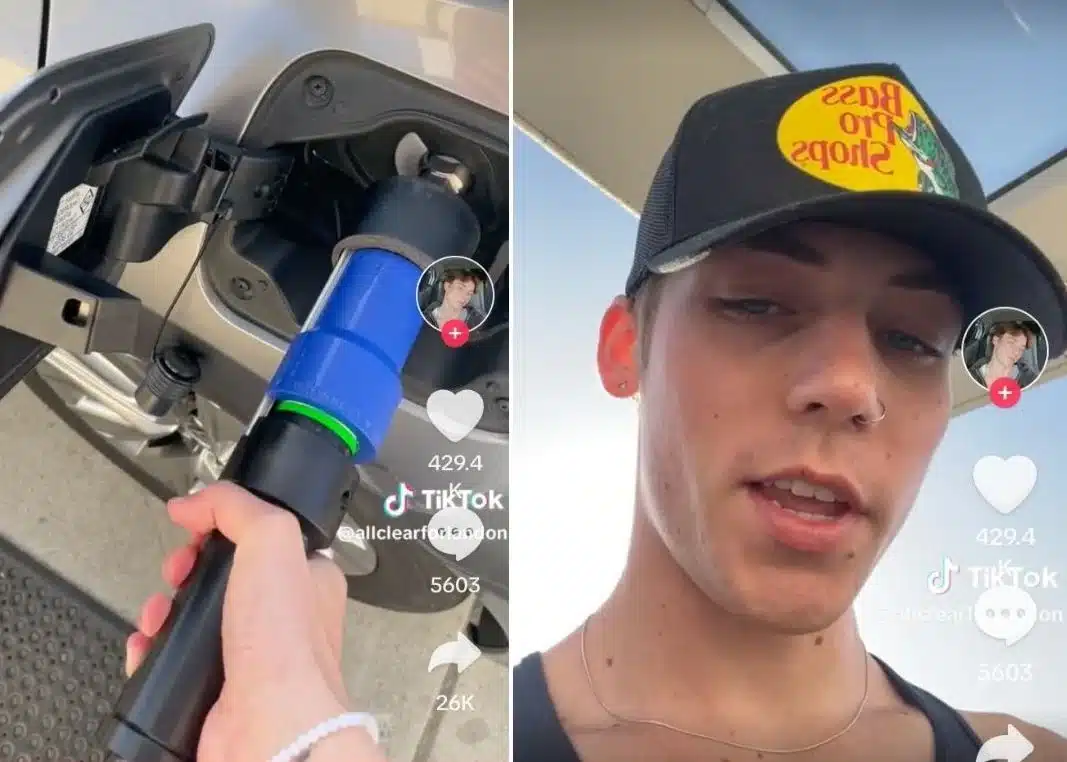
Landon Jones, a Toyota Mirai owner, shared more details about his experience on TikTok.
He said he bought the car because the dealer made him the proverbial offer that can’t be refused.
The dealer promised six years of free fuel or up to $15,000 (of free fuel), whichever came first.
But Jones said the car is nowhere as cheap to run as he expected.
On one occasion, he only managed to fill up the tank with the equivalent of 176 miles (283 kilometers) of range, and that cost him $90.
Related
How do hydrogen cars actually work?
There are exceptions, such as the Alpine Alpenglow, but most hydrogen cars are electric, except they use hydrogen fuel cells rather than batteries.
This is why they’re known as FCEVs, Fuel Cell Electric Vehicle, while battery cars are known as BEVs, as in Battery Electric Vehicle.
FCEVs use pressurized hydrogen tanks instead of batteries, and this difference gives them a huge advantage over BEVs as well as an equally important disadvantage.
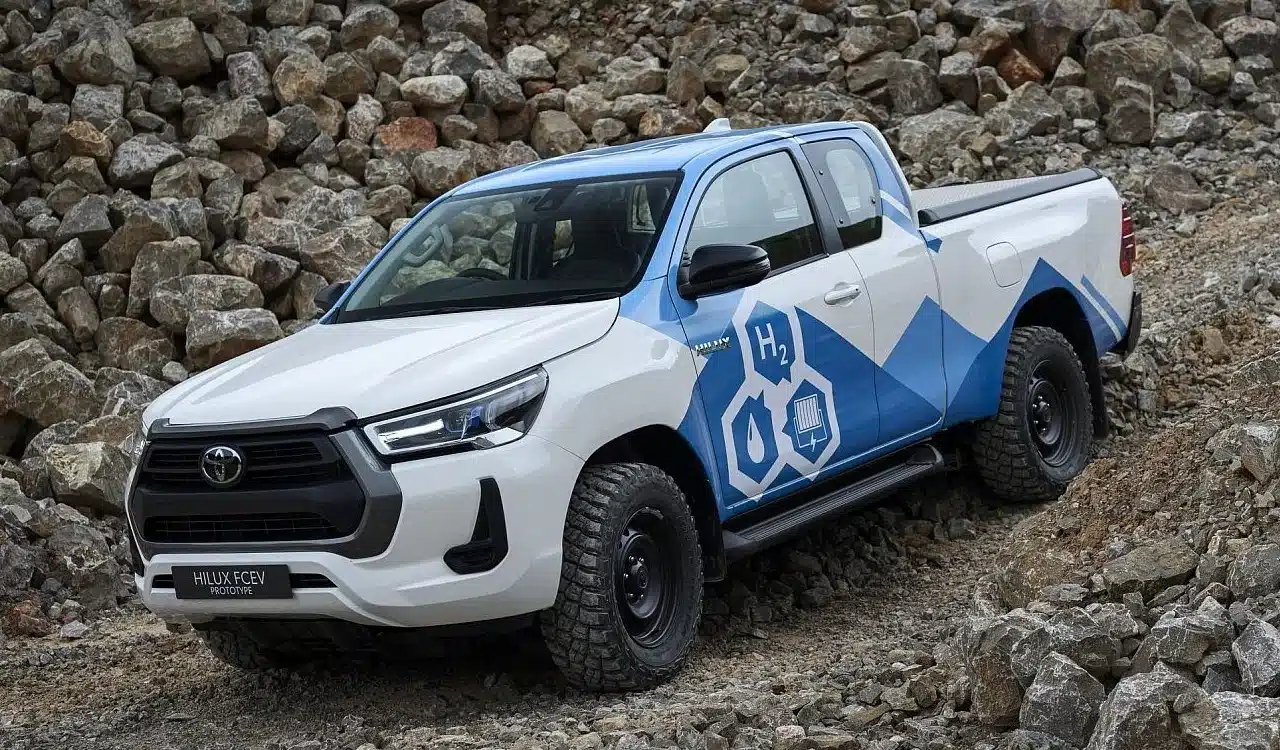
FCEVs take minutes to fill up, just like a gas car, but storing hydrogen and converting it into usable fuel is complicated and expensive.
This explains why the charging infrastructure is insufficient, and it explains why FCEVs are rare.
Several manufacturers are working on hydrogen cars, from Toyota with a hydrogen Hilux concept (pictured above) to the wondrous Hyperion hypercar.
Not to mention the upcoming N 74 supercar made by Hyundai.
At the time of writing, there are only four production FCEVs you can go out and buy right now.
Those are the Honda CR-V e:FCEV, the Hyundai Nexo, the BMW iX Hydrogen and the Toyota Mirai.
Alessandro is an automotive journalist with 10 years of experience covering supercars, automotive history, emerging vehicle technology, and luxury transportation. He wrote the first article published on SupercarBlondie.com when the website launched in 2022 and has since built a reputation for insightful reporting across the automotive and transportation industries. His expertise is grounded in hands-on experience. Alessandro has driven every Tesla model ever produced, from the original Roadster to the Cybertruck, and regularly covers the latest developments in electric vehicles and automotive innovation. His passion for transportation extends beyond cars, he has even flown a Boeing 787 Dreamliner simulator in Addis Ababa, Ethiopia. His reporting spans everything from classic American muscle cars and rare automotive discoveries to luxury yachts, private aircraft, high-end watches, and cutting-edge vehicle technology. Known for his deep knowledge of automotive history and ability to uncover the stories behind iconic vehicles, Alessandro brings readers a blend of historical context, technical expertise, and first-hand experience.