First hydrogen energy car packs 932-mile range and takes just 5 seconds to refuel
Published on Jul 17, 2026 at 9:47 PM (UTC-4)
by Ben Thompson
Last updated on Jul 17, 2026 at 9:47 PM (UTC-4)
Edited by
Mason Jones
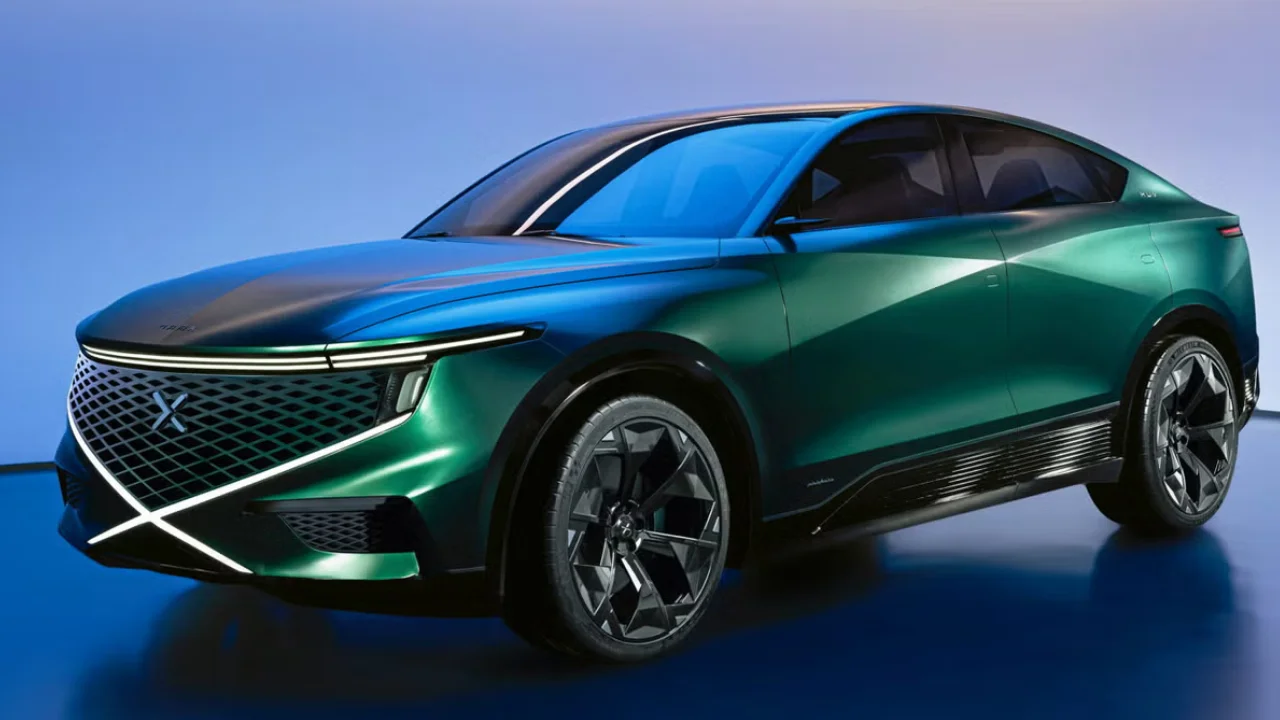

This hydrogen energy car certainly has some impressive numbers behind it, with a 932-mile range and only needing five seconds to refuel.
This is the NamX concept, touted as the first hydrogen energy car.
With hydrogen fuel cells powering it, the NamX has a ton of benefits attached to it, from zero carbon footprint to instant refueling.
Range anxiety could be a bygone thing if these cars catch on.
Hydrogen cars aren’t a new concept
While hydrogen cars certainly have an air of futurism around them, they’re nothing new as a concept.
The concept has been around since the early 1800s, but it wasn’t until the mid-20th century that things started to be set into motion.
Jack Nicholson was an early adopter, as he was linked to a hydrogen prototype based on the Chevy Impala.
Legal troubles for the manufacturer effectively buried the project.
In the modern day, hydrogen cars seem to be the poor relation of EVs.
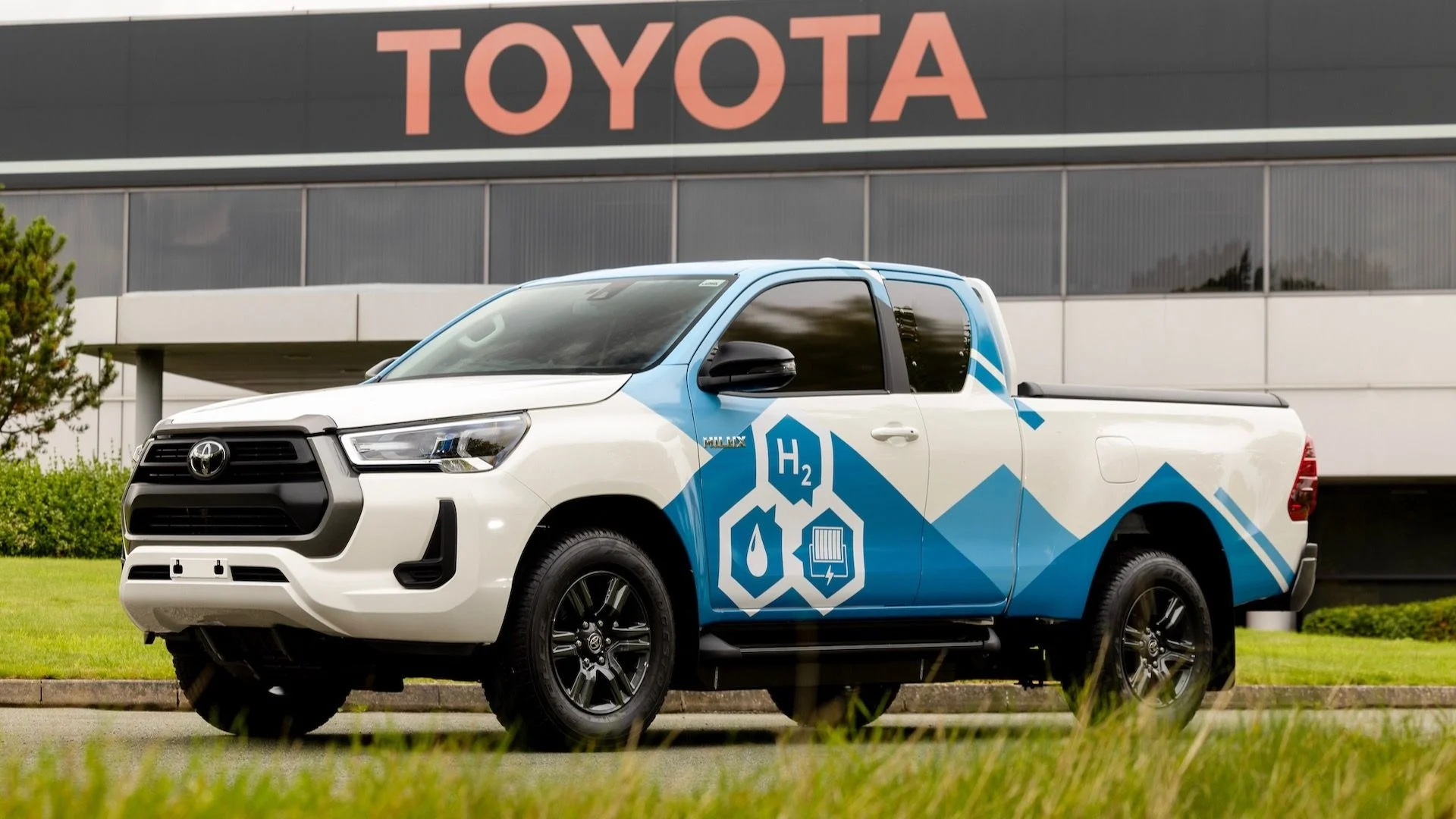
They don’t get nearly as much press as their electric cousins, but their profile is steadily growing.
Whether it’s YouTubers refueling hydrogen cars as content or men gaining attention for $3,000 purchases, they’ve become more and more mainstream.
But there is some doubt about their potential.
Widely cited books like The Hype About Hydrogen by Joseph J. Romm cast doubts over hydrogen cars, negatively comparing them to EVs.
It’s widely felt that the reason why hydrogen cars haven’t quite caught on is because the technology behind turning hydrogen into usable fuel is very complicated.
And by complicated, we also mean expensive – which obviously makes the cars themselves expensive.
Could the NamX be set to change the record?
What makes the NamX so special?
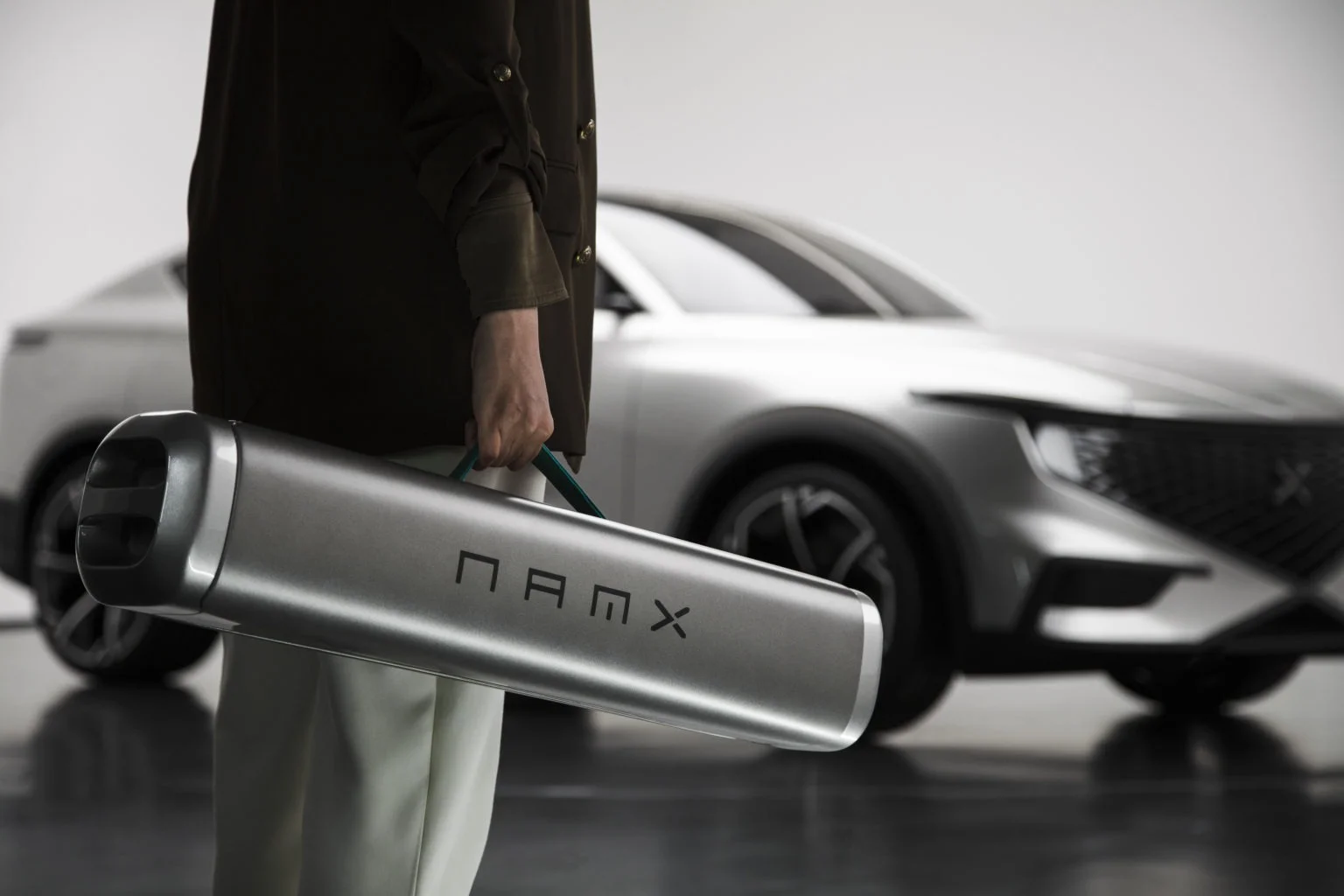
The work of French-Moroccan startup NamX, the NamX HUV comes with interchangeable hydrogen tanks.
This is the crux of what sets it apart from other hydrogen cars out there.
After all, this isn’t the first hydrogen car – but it’s the first that does away with the need for fixed hydrogen stations.
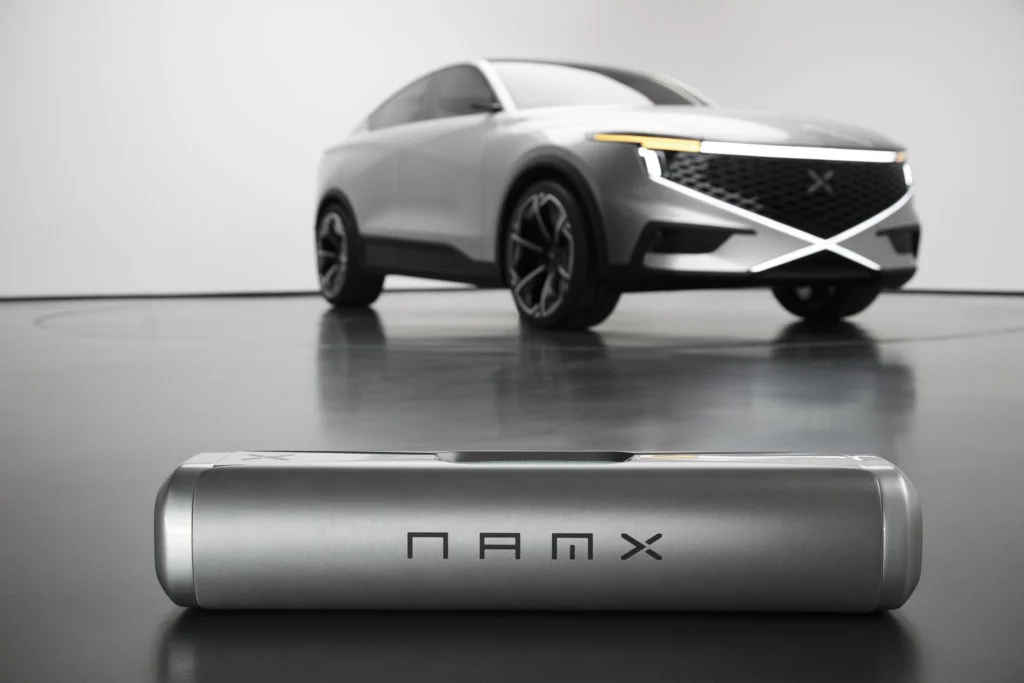
Instead, the traditional tank is combined with hydrogen capsules that can be swapped out when necessary.
Capable of a maximum range of 932 miles, these cars are seriously impressive.
The lack of infrastructure has proven to be a big problem for hydrogen cars, as this map of the US demonstrates.
But NamX aims to provide a solution to this issue by making hydrogen more portable.
Things are still in the early-development stage, so we’ll have to wait to see if this will be rolled out en-masse.
Timeline of hydrogen cars
1806: Swiss inventor François Isaac de Rivaz designs the very first internal combustion engine, powered by a mixture of hydrogen and oxygen gas stored in a balloon.
1860: Belgian-French engineer Étienne Lenoir develops the “Hippomobile,” a three-wheeled vehicle powered by a 1-cylinder engine.
1966: General Motors introduces the GM Electrovan, the world’s first hydrogen fuel cell vehicle (FCEV).
2002: The Toyota FCHV and Honda FCX become the first government-certified commercial hydrogen fuel cell vehicles, leased to government agencies in Japan and California.
2014: The Toyota Mirai is released, becoming the first mass-produced fuel cell vehicle available for retail purchase.
2018 – 2026: High production costs, expensive fuel, and a lack of hydrogen fueling infrastructure drives manufacturers to focus their zero-emission ambitions onto BEVs.
Ben joined Supercar Blondie in February 2025 after being published by international organizations including LADbible, The Sun, the New York Post, and the Daily Mail. He covers supercars, rare and collectible vehicles, aviation, luxury assets, and the fascinating people behind them. His reporting has explored everything from seven-figure supercars and historic Ferrari collections to unusual aircraft adventures and extraordinary automotive discoveries from around the world. Ben has also gained first-hand insight into vehicle craftsmanship and customization, including visiting specialist workshops to see bespoke vehicles up close.