Hyundai plans to introduce humanoid robots as co-workers in car factories from 2028
Published on Jan 07, 2026 at 9:17 AM (UTC+4)
by Jason Fan
Last updated on Jan 07, 2026 at 1:36 PM (UTC+4)
Edited by
Mason Jones
Humanoid robots are gearing up to join the workforce, and Hyundai, alongside Boston Dynamics, is leading the charge with its incredibly lifelike Atlas robot.
The pair recently stole the spotlight at CES 2026 in Las Vegas, where Hyundai revealed how these two-legged machines could be rolling onto its factory floors by as early as 2028.
Instead of sci-fi style dystopias, the company paints a picture of robots and humans working together.
Soon, humanoid robots might be your new office buddy.
SBX CARS – View live supercar auctions powered by Supercar Blondie
The humanoid robots will start with repetitive tasks first
At the heart of Hyundai’s new strategy is Atlas, a humanoid robot developed by its robotics subsidiary Boston Dynamics.
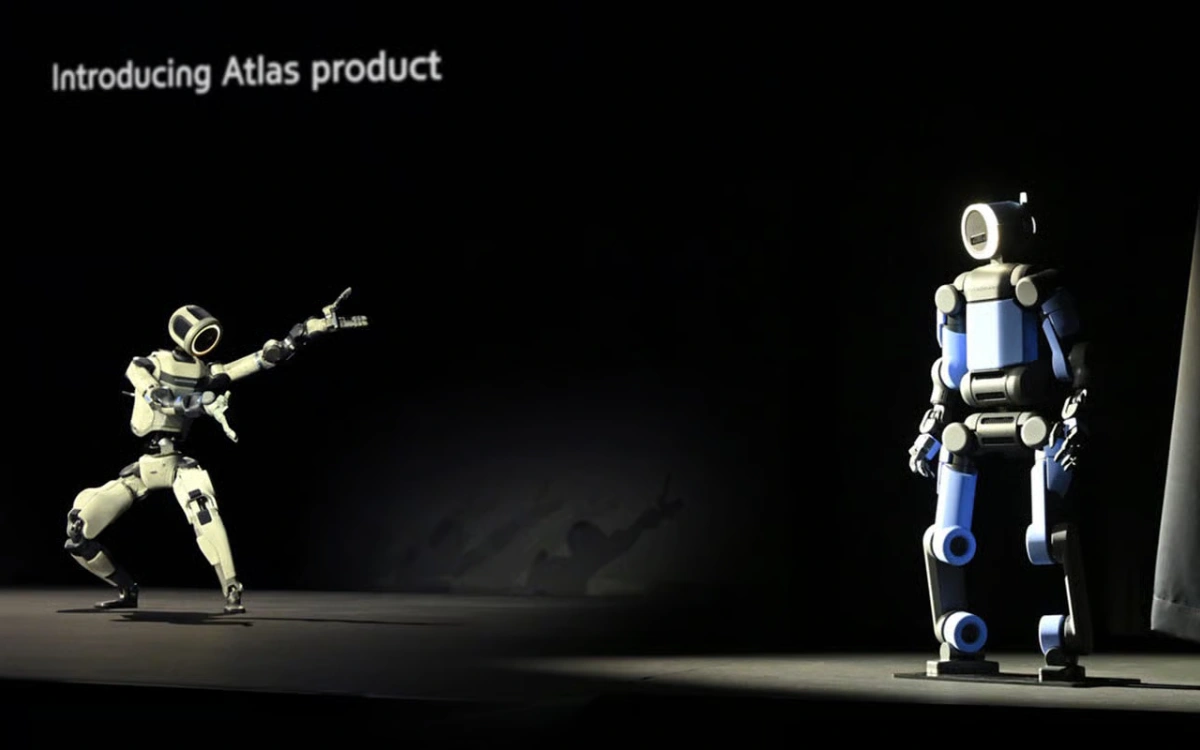
If you’re not familiar with them, this is the same company known for Spot, its four-legged robot dog.
Unlike robotic arms and conveyor belt machines, the Atlas robot is built to look and move like a person, able to lift heavy parts and mimic human actions in unpredictable environments.
Hyundai plans to start deploying these bots at its Georgia, USA, electric vehicle plant.
These robots will start by tackling repetitive and physically demanding tasks, then expand into more complex areas like component assembly by 2030.
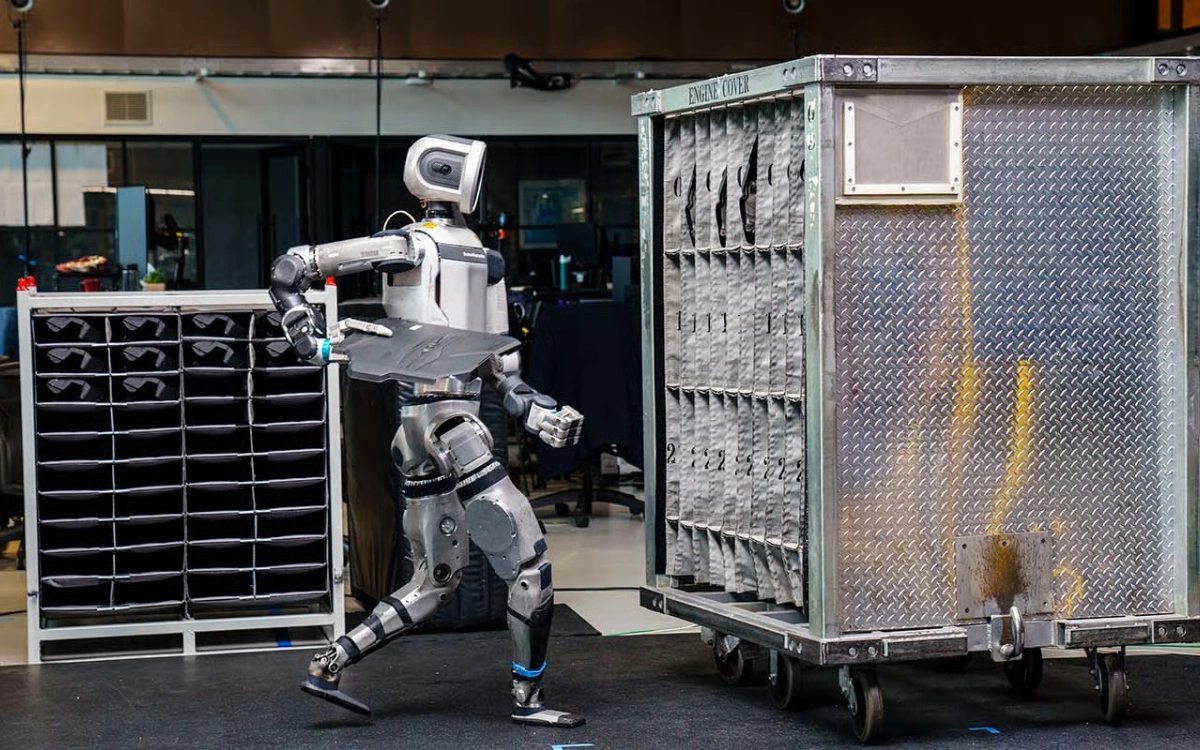
The long-term goal is to make factories safer, and less physically exhausting for human workers.
This isn’t Hyundai’s first foray into robotics.
Boston Dynamics has been developing dynamic robots for years, evolving from legged platforms like BigDog and Spot into full humanoid designs built for real-world work.
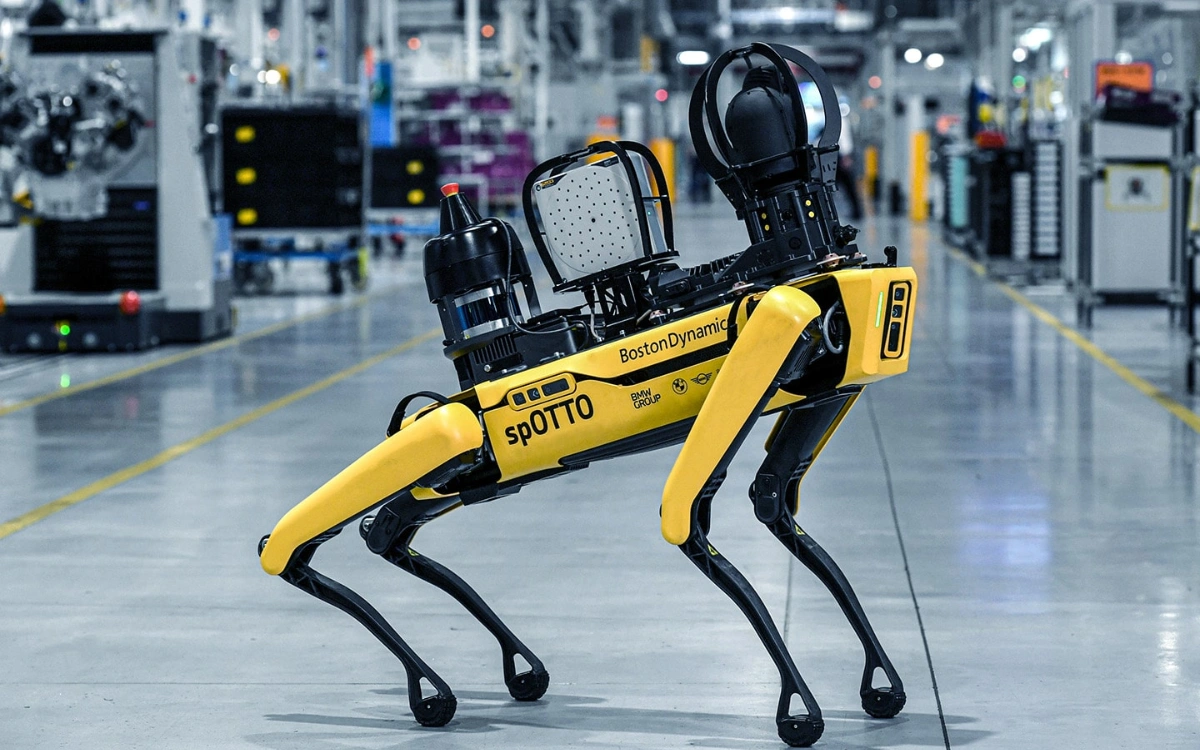
Now, Hyundai is scaling that lineage toward practical use.
The carmaker aiming to mass-produce tens of thousands of Atlas robots annually by 2028, and spread them across its manufacturing hubs worldwide.
Hyundai isn’t alone in this robot race
Other companies, including Tesla with its Optimus robot project, are also racing to build humanoids that can perform real tasks in industrial and commercial settings.
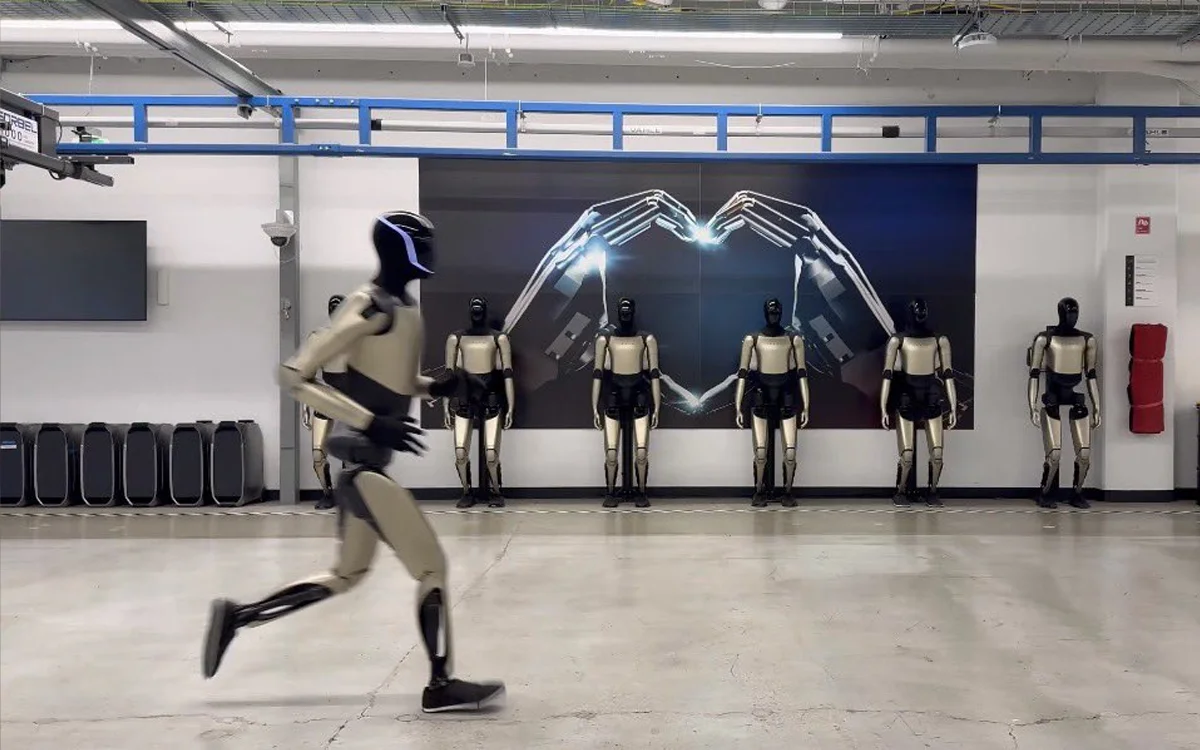
In fact, Tesla has announced that it plans to produce a million Optimus robots a year, which is pretty bold.
Meanwhile, automakers such as BMW and various Chinese brands are exploring humanoid and human-friendly robots to assist on their assembly lines.
Zeekr, for example, already has ‘dark factories’ that work around the clock to produce 800 EVs a day, which can only be done using robots.
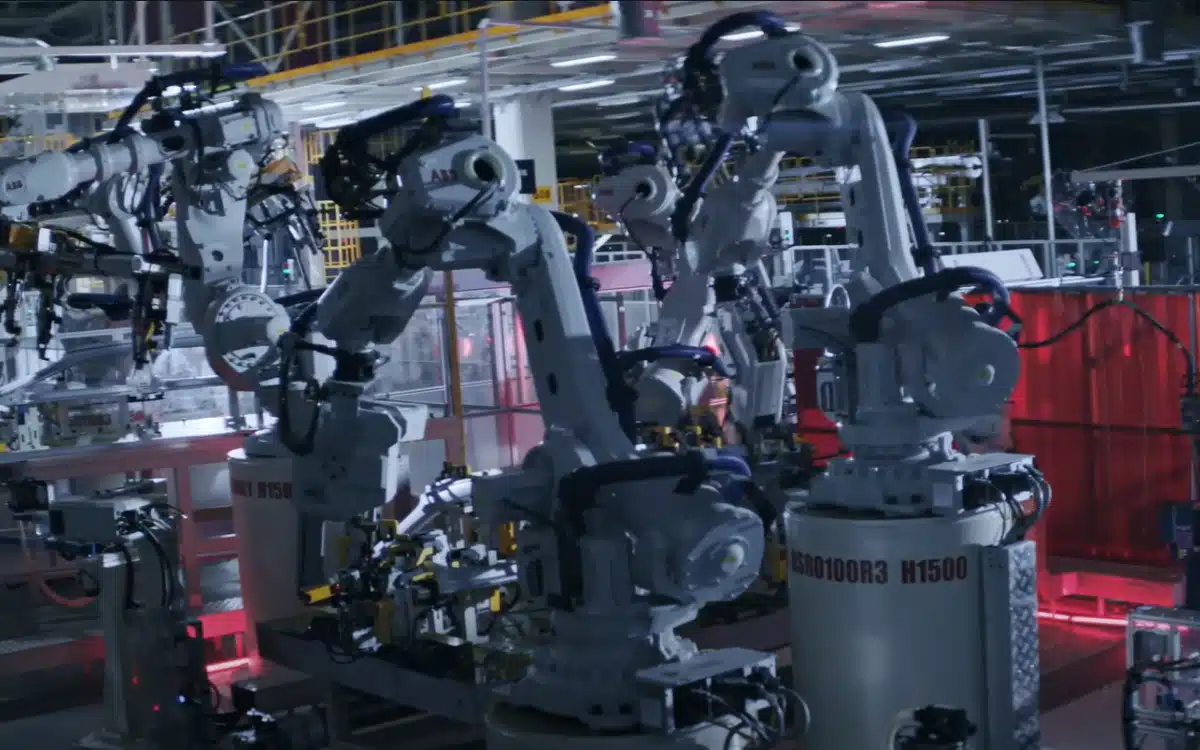
So why are carmakers so interested in humanoid assistants?
The simple answer is efficiency.
Robots don’t get tired, don’t need breaks, and can take on dangerous, repetitive or super-cold tasks that would wear out humans.
That means fewer injuries and lower long-term costs, while human colleagues can focus on highly skilled, creative work that robots can’t (yet) do.
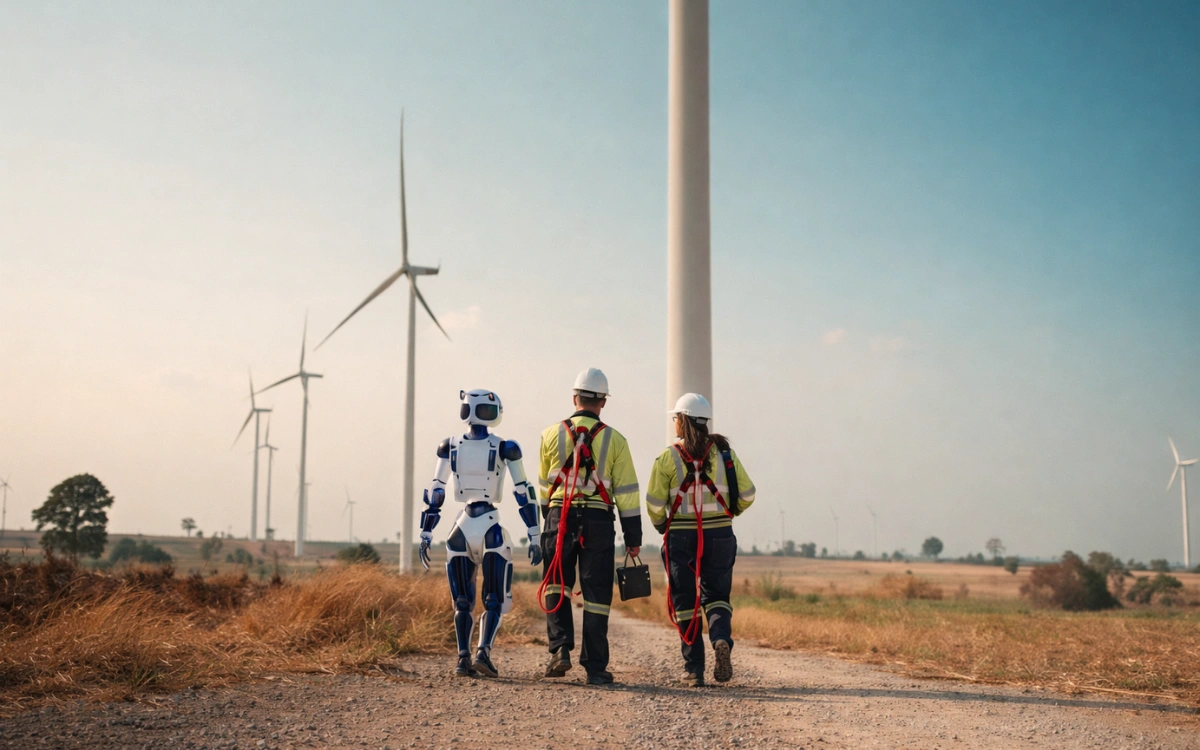
And because humanoid robots share our shape and size, they can slot into existing factory setups without the massive reconfiguration automated systems often require.
According to the the companies producing these robots, the aim isn’t to replace people, but to augment them.
DISCOVER SBX CARS: The global premium car auction platform powered by Supercar Blondie