The world's first titanium supercar relies on American muscle royalty to hit 220mph
Published on Oct 20, 2026 at 8:30 AM (UTC-4)
by Daisy Edwards
Last updated on Oct 20, 2026 at 8:30 AM (UTC-4)
Edited by
Mason Jones
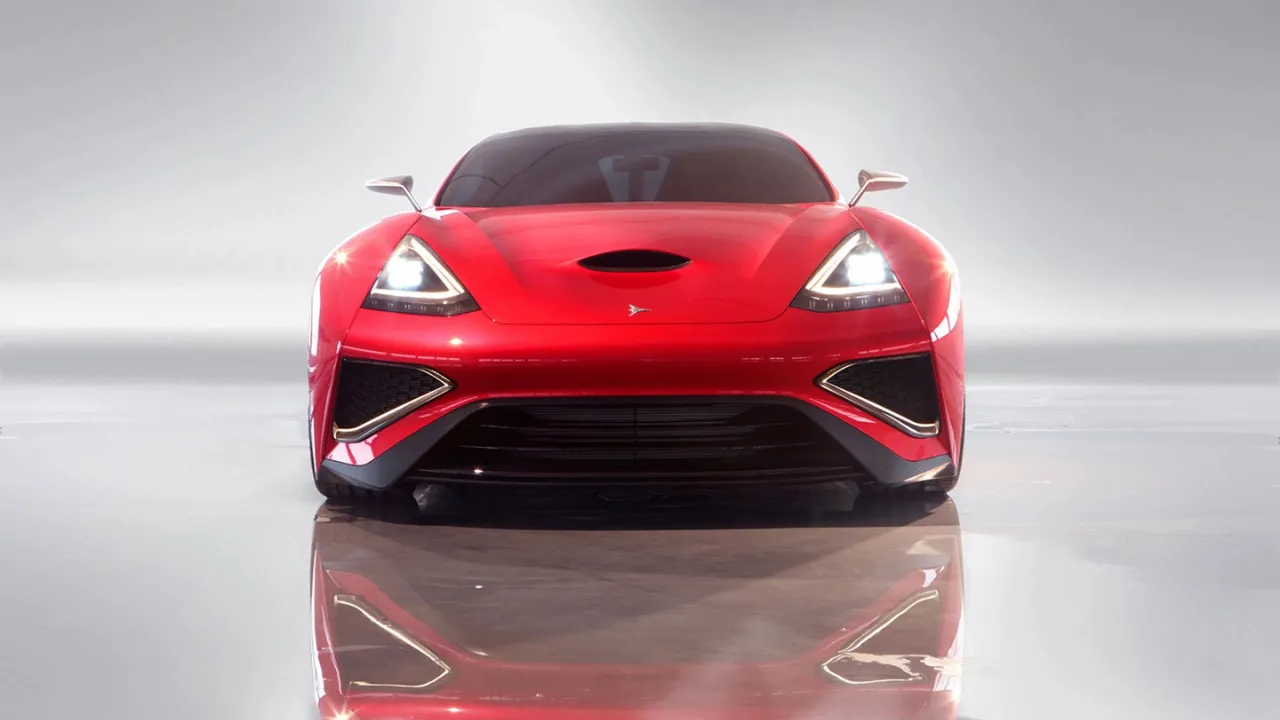

Imagine a supercar with a body made from titanium and an engine borrowed from one of America’s most famous performance cars.
That was the idea behind the Icona Vulcano Titanium, an extraordinary machine that brought Italian design together with the thunderous power of a supercharged Chevrolet V8.
Its futuristic styling made it look like something that had escaped from a concept-car show, while its performance figures put it firmly in supercar territory.
And the really cool part is that its unusual metal body was just the beginning of what made this car so special.
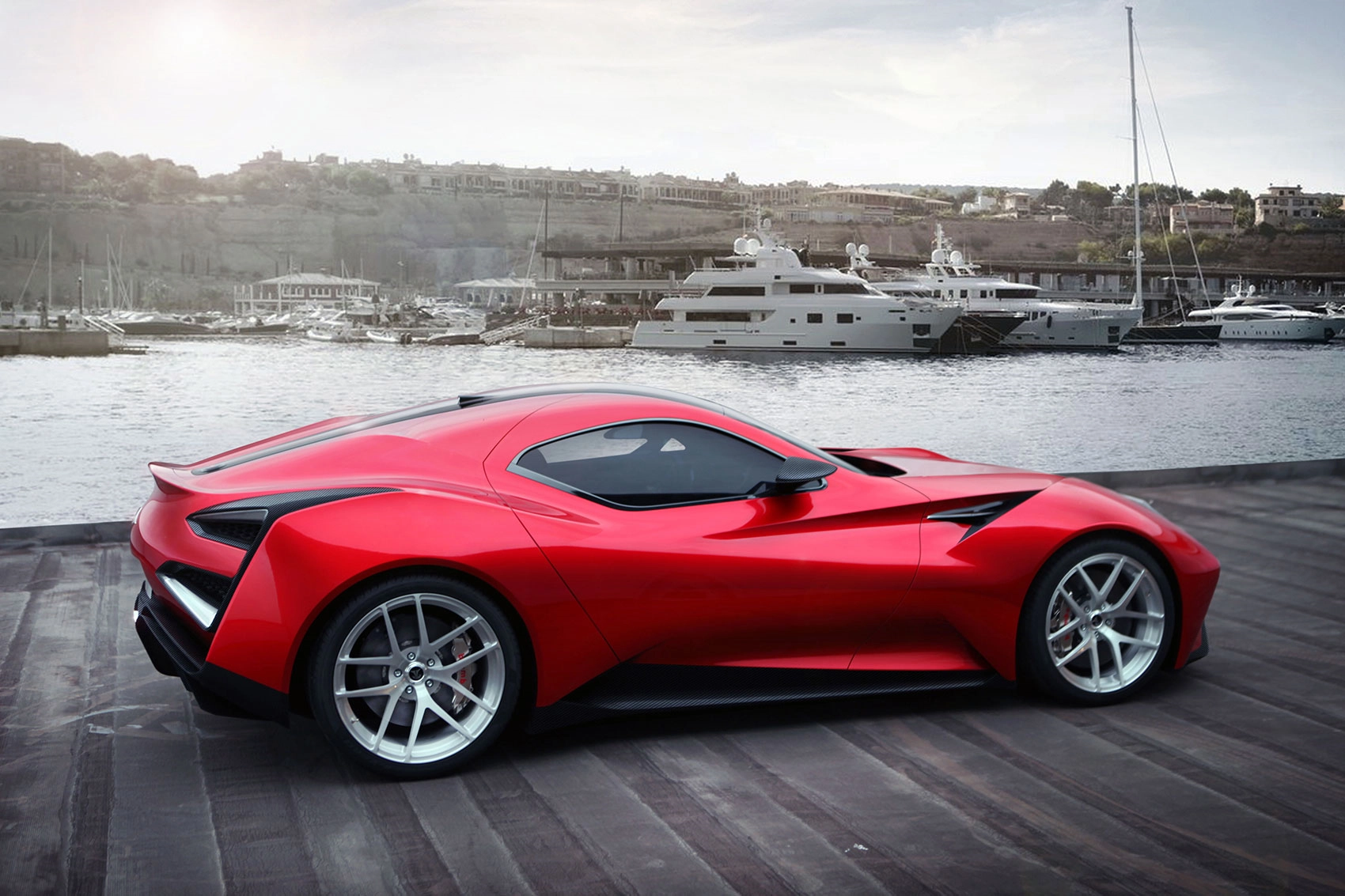
This supercar had a seriously unusual titanium body
Most supercars use materials such as aluminum and carbon fiber to keep weight down, but the Icona Vulcano Titanium decided to do things differently.
The car was developed by Italian design and engineering specialists Icona and Cecomp, with its hand-crafted titanium bodywork taking center stage.
Titanium is strong, corrosion-resistant, and relatively lightweight, but turning it into complex automotive panels is a seriously challenging job.
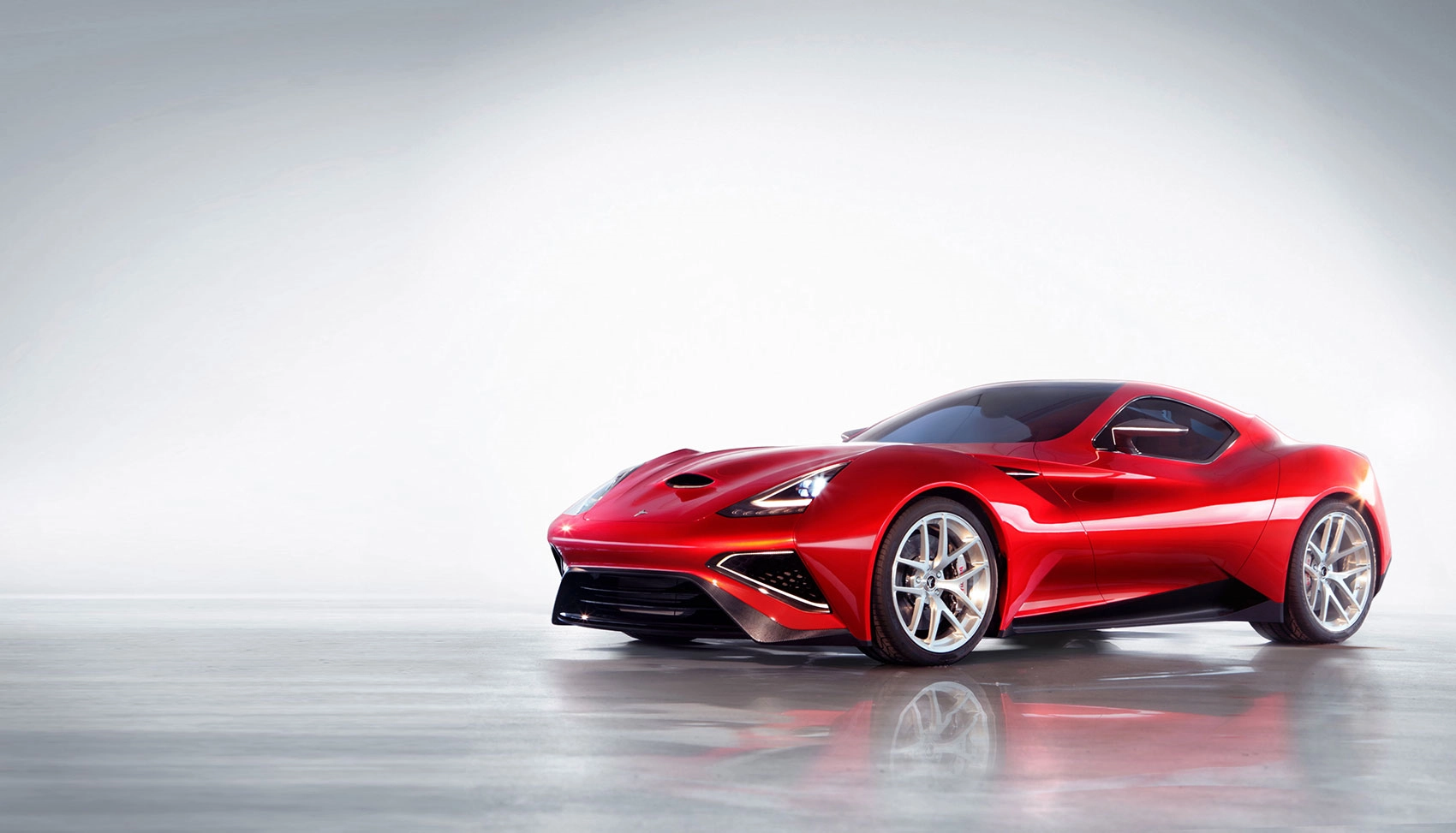
That makes the Vulcano Titanium a pretty remarkable piece of engineering, even before you get to the engine.
Its sharp headlights, dramatic air intakes, and muscular proportions gave it the kind of look that could easily steal the spotlight at a supercar gathering.
The metallic finish also meant there was no need to hide the material beneath an ordinary coat of paint, but especially for Pebble Beach, it now has a gorgeous cherry red coat of paint.
Related


American muscle was the secret to its speed
For all its Italian flair, the Vulcano Titanium had something distinctly American lurking beneath its bodywork.
Power came from a supercharged 6.2-liter V8 derived from the Chevrolet Corvette ZR1, a car with serious performance credentials of its own.
The engine was reported to produce around 670 horsepower in the Icona, giving this unusual supercar plenty of muscle to match its dramatic looks.
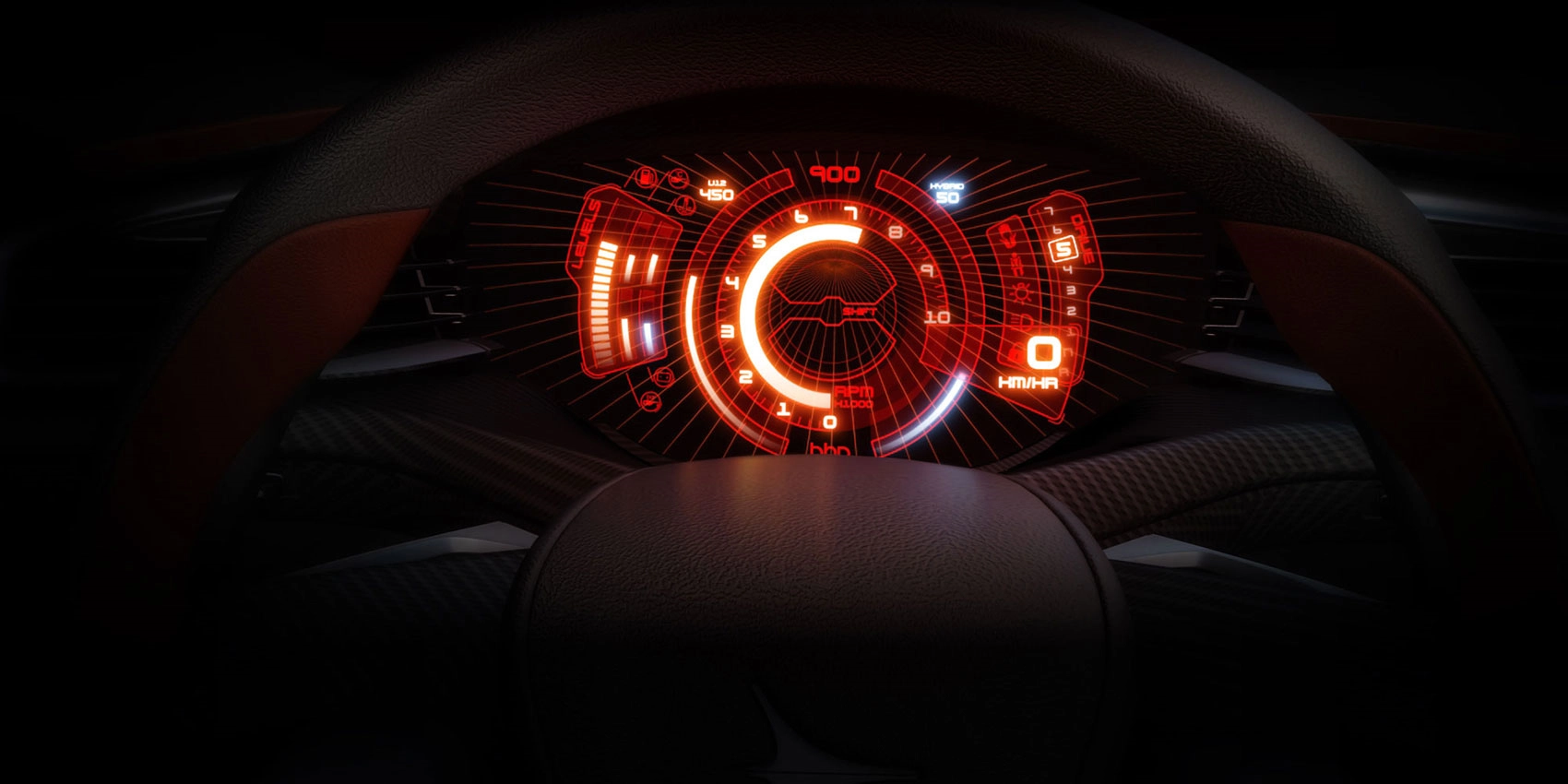
A supercharger forces more air into an engine, helping it produce more power, and the Corvette-derived V8 was a natural fit for a car designed to deliver serious straight-line performance.
The pairing was brilliant in its own way.
One side of the car’s personality came from painstaking Italian craftsmanship and an exotic titanium shell, while the other came from the unmistakable appeal of a big, supercharged American V8.
It shows that building a special supercar doesn’t necessarily mean reinventing every component from scratch.
The 220mph ambition made it even more extraordinary
The Vulcano Titanium was designed with a claimed top speed of 220mph, a figure that put it in the company of some seriously fast machines.
That target made the car more than just an expensive exercise in unusual materials. Its creators wanted the titanium bodywork and eye-catching styling to come with performance to match.
Of course, this wasn’t a supercar designed to fill showrooms around the world.
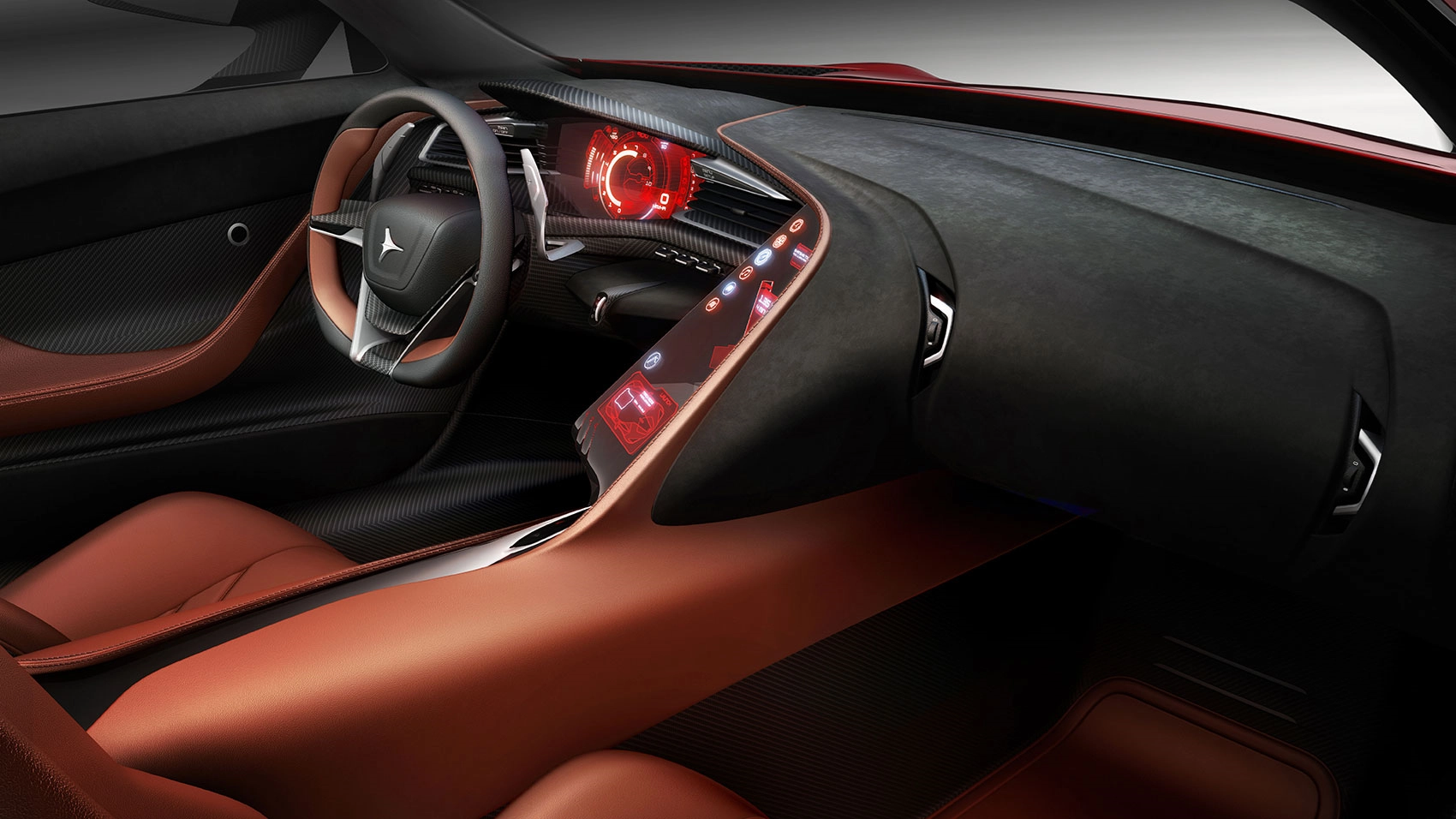
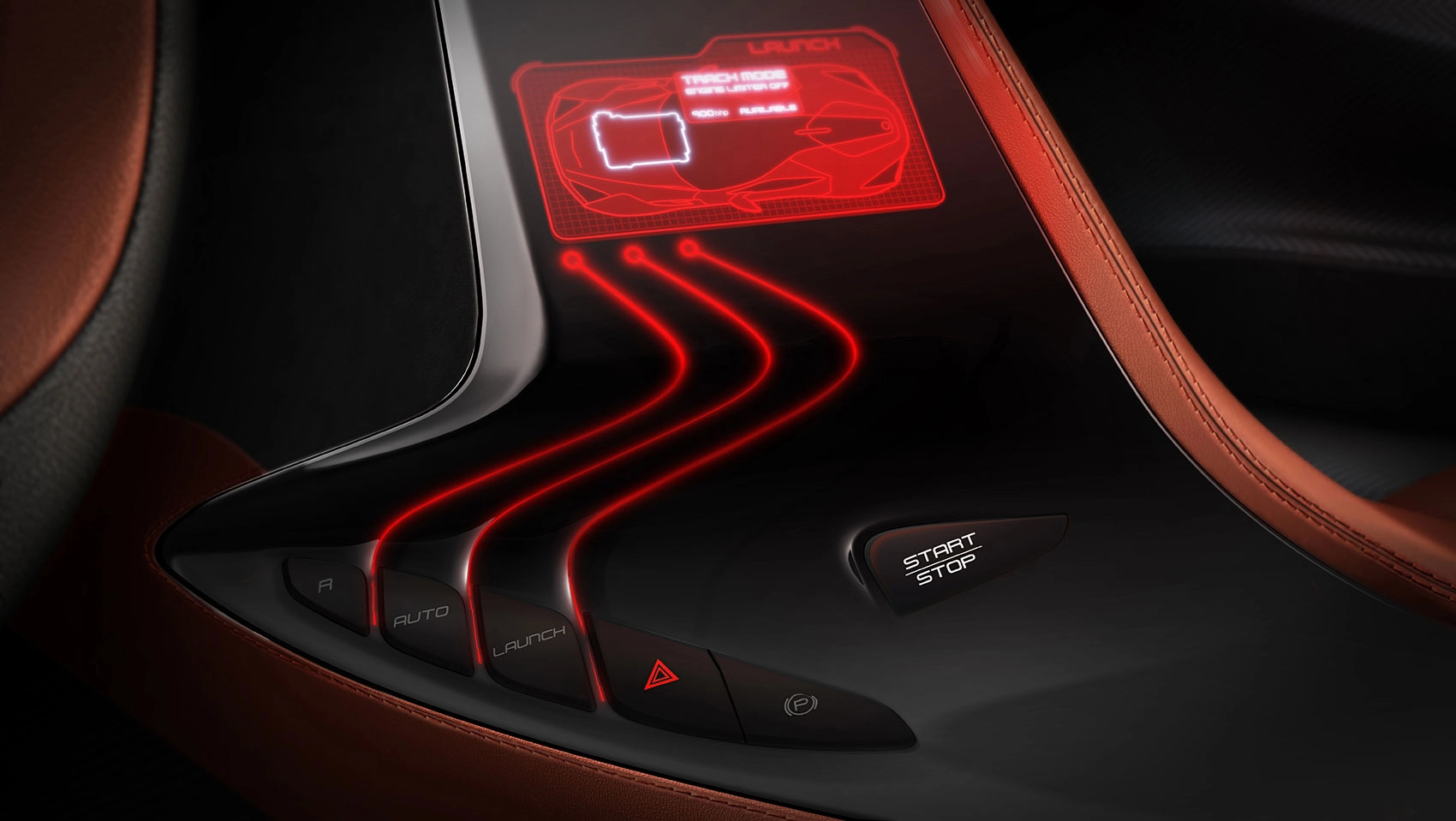
The project was an exclusive, one-off creation, and its painstaking construction made it a very different proposition from a production model rolling off an assembly line.
But that scarcity only added to its appeal. There are plenty of powerful supercars out there, yet very few can claim to combine a titanium body with a supercharged V8 borrowed from Corvette royalty.
The Icona Vulcano Titanium was a wonderfully unconventional take on the supercar formula, proving that Italian craftsmanship and American muscle can make a seriously compelling combination.
Daisy is a technology and automotive journalist covering artificial intelligence, consumer tech, Apple news, cryptocurrency, emerging technologies, and transportation innovation. Since joining the team in 2025, she has reported on everything from AI-powered startups and major iOS updates to viral car stories and the latest developments shaping transportation and the digital economy. Drawing on her background in automotive journalism and a degree in History and Journalism from Goldsmiths, University of London, Daisy specializes in breaking down complex topics into clear, engaging reporting for a global audience. Her work spans cutting-edge technology, innovative vehicles, and the people driving change across both industries. Daisy has gained first-hand access to some of the world's most talked-about technologies and innovators, including meeting Tesla's Optimus humanoid robot during its first European appearance in London. She has also discussed the future of space exploration with an astronaut, bringing unique insights and real-world perspectives to her coverage of emerging technology.




