The iconic Lola T70 that carried racing legends to victory is making a dramatic return in 2026
Published on Apr 02, 2026 at 10:36 PM (UTC+4)
by Henry Kelsall
Last updated on Apr 02, 2026 at 12:59 PM (UTC+4)
Edited by
Emma Matthews
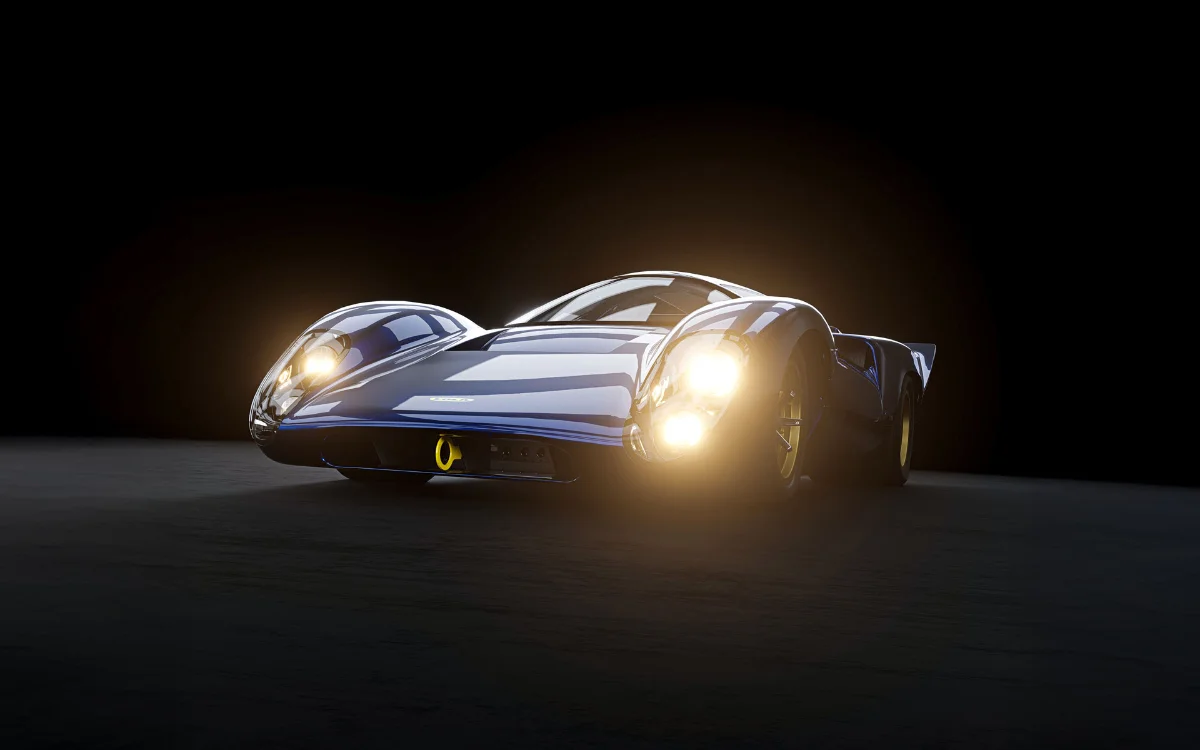

The Lola T70 is one of the most iconic racing cars in the world, built by one of the most famous racing brands in history.
Now, both are making a dramatic comeback, as the manufacturer, which currently competes in Formula E, has revealed a new road-going tribute to the original race car.
This is the T70S GT, a brand-new continuation version of the original Lola race car that celebrates the achievements and legacy of its predecessor.
But to understand why the new car is so special, we must also understand what it is that makes the original T70 a true motorsport icon.
How the Lola T70 was born
The original car was the work of racing design Eric Broadley, the founder of British company Lola.
It was conceived as a sports prototype racer.
Broadley designed it to race in events such as the Le Mans and the Dayton 24 Hours.
“The T70 became one of the most iconic racing cars of its era, a formidable competitor in various racing series,” Matt Faulks, Executive Innovation Director, Lola Cars, told us.
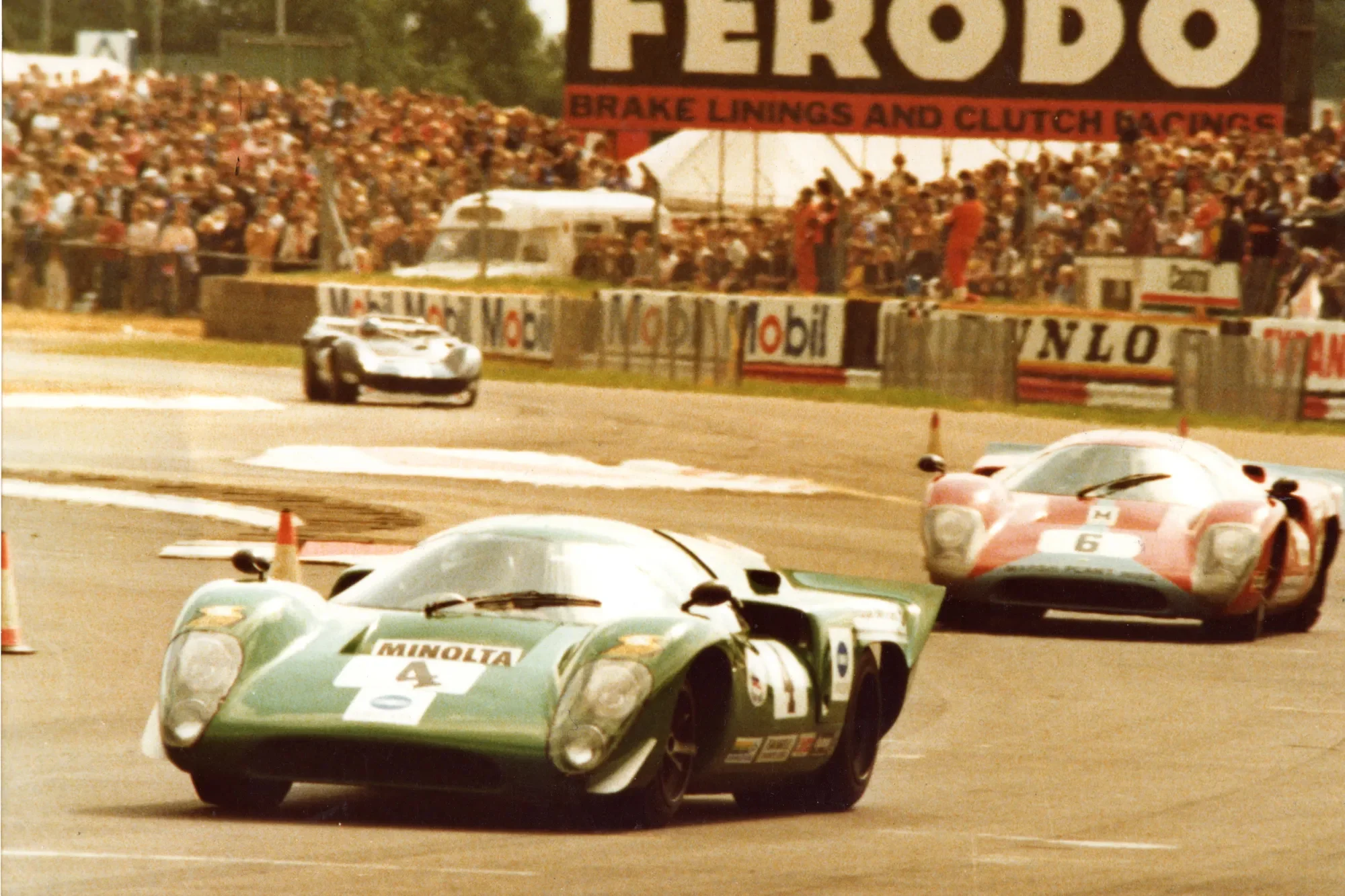
“It went on to become the weapon of choice for privateers taking on Ford, Porsche, and Ferrari, with its competitive pedigree encompassing legends such as John Surtees, Jackie Stewart, and Mario Andretti,” he added.
It certainly did become an icon.
The car also became one of the most successful sports cars of its time, and was also the successor to the Lola Mk6.
Consequently, the Mk6 is the car that led to the mighty Ford GT40 that would go on to dominate at Le Mans.
The aluminum monocoque chassis was paired with American V8s from Ford and Chevrolet.
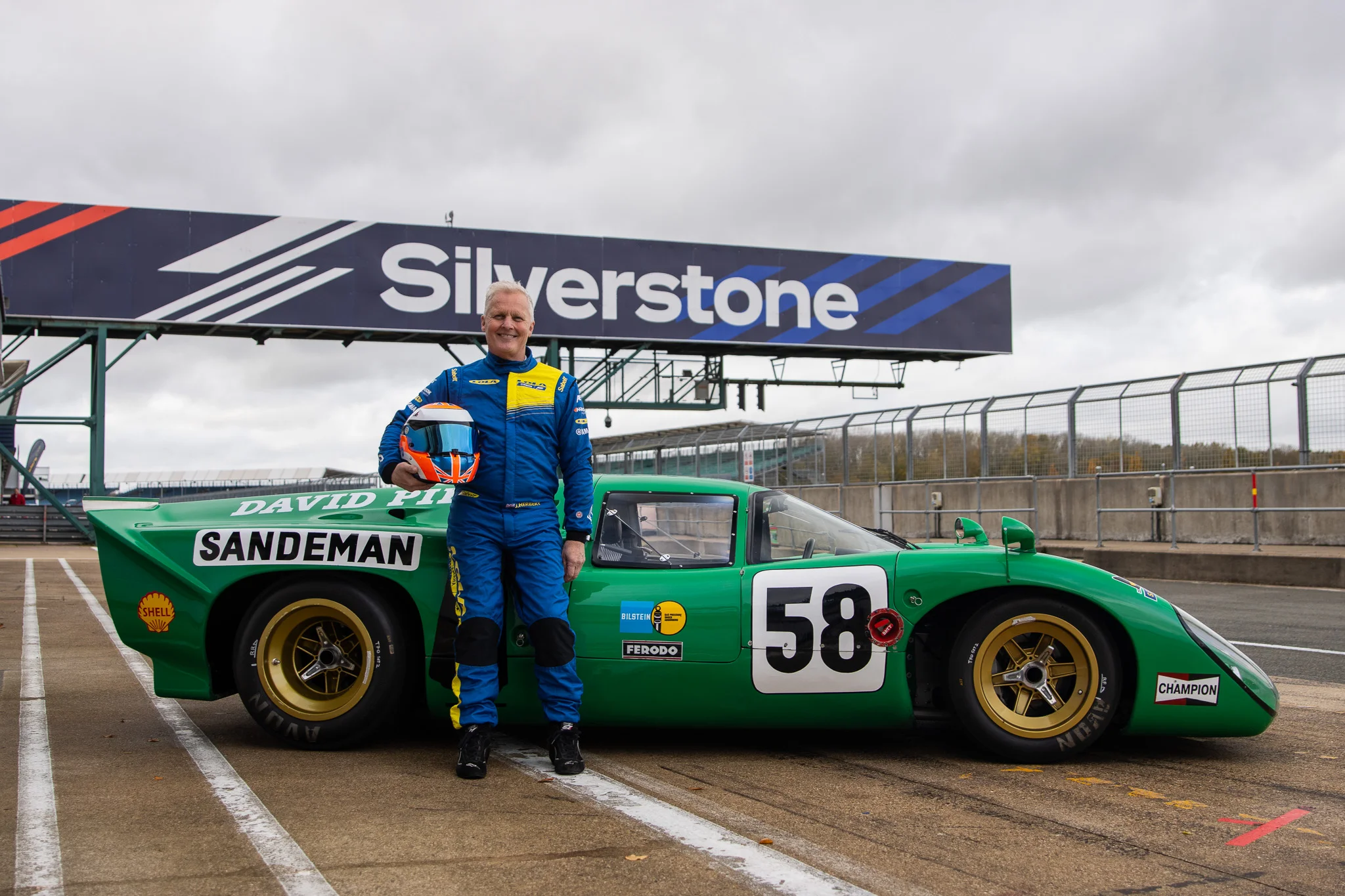
Its most notable engine was the Chevrolet 327ci small-block V8, which produced 420hp and 400lb-ft of torque.
The 0-60mph time was just four seconds, and the car had a top speed of 190mph.
This is how the T70 became a motorsport legend
In total, Lola built over 100 examples of the car in various forms.
These included the Mk II Spyder and Mk III Coupe.
The car would win 232 races in its career, and take 348 podiums and 91 pole positions.
It dominated the 1966 Can-Am championship, with John Surtees becoming the champion.
Lola’s car also won the 1969 24 Hours of Daytona with a 1-2 finish.
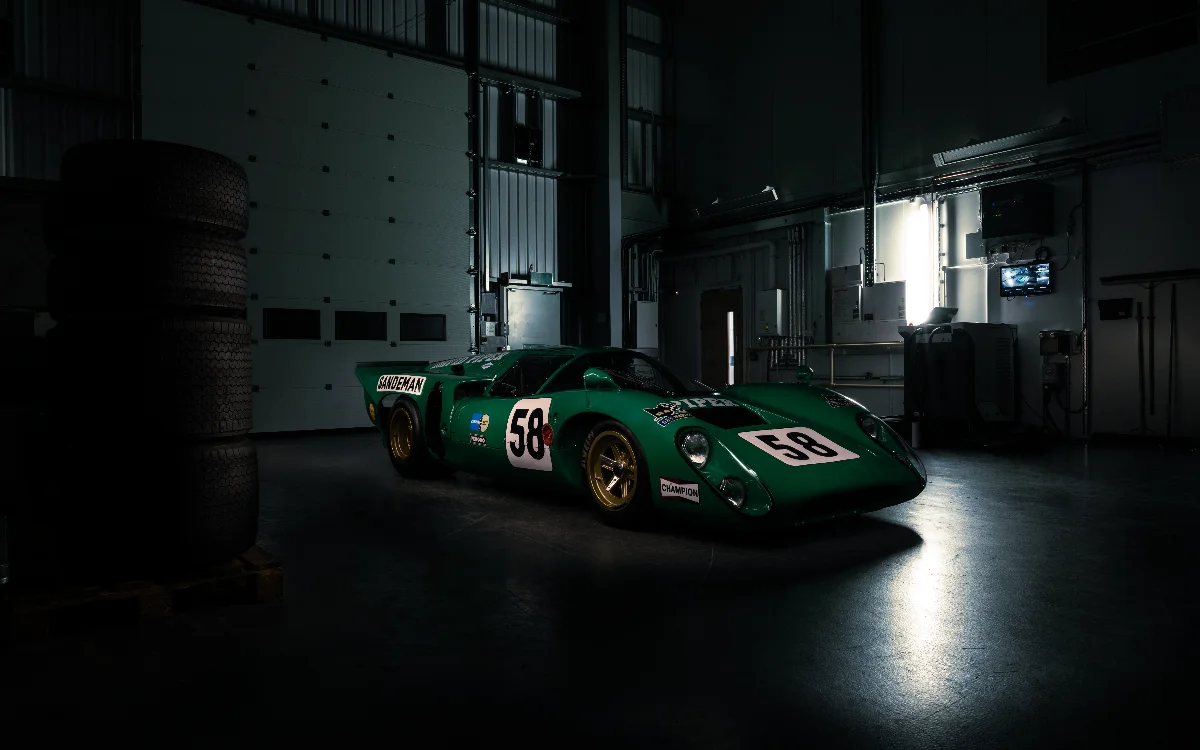
Lola’s current test driver, F1 race winner Johnny Herbert, recently remarked on the T70.
“Everything feels as if it’s in the right place,” he said.
“The hairs on the back of my neck stood up, to hear that roar from the V8 sitting right behind you is something that always gets your emotions going,” he remarked after driving the famous David Piper example.
“You have wonderful feedback through the steering wheel; the response I get is exactly what I want,” he added.
The new Lola T70S GT and T70S celebrate the original’s legacy
The new T70S GT and T70S have taken things to an entirely new level.
Plus, they are Lola’s first new cars in many years.
Under the hood of the T70S, it sticks to its roots thanks to a massive 6.2-liter Chevrolet V8 that makes 500hp.
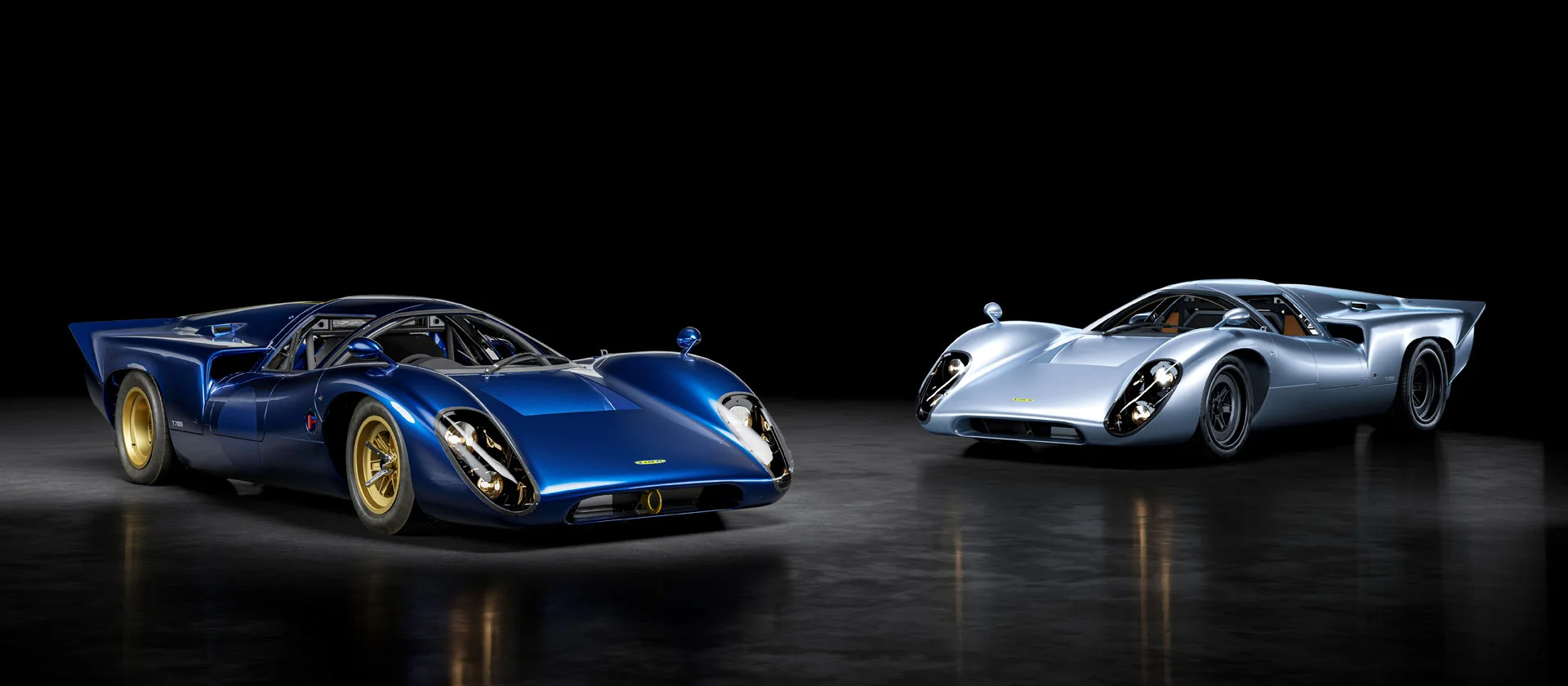
But don’t think of this as a simple continuation.
A new all-aluminum chassis is used, keeping the weight down to just 1,900lbs.
The transmission can also be flipped from sequential to automatic, like in the Koenigsegg CC850 supercar.
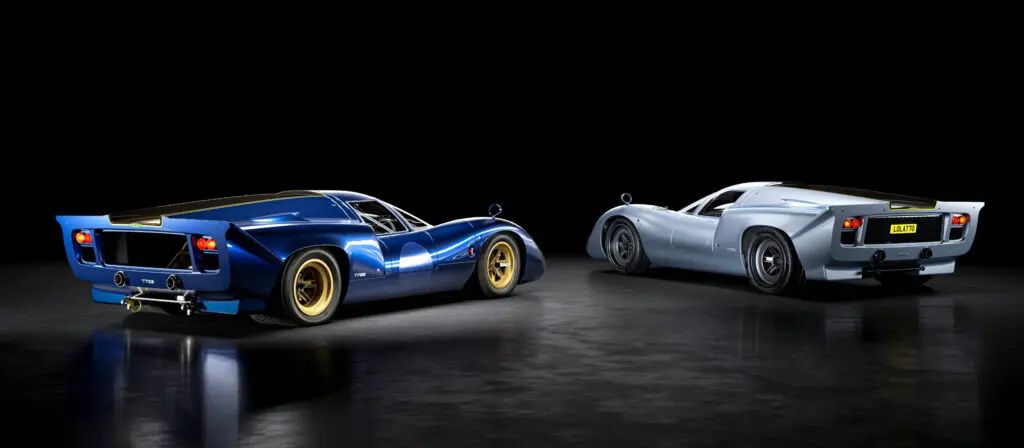
The British company has actually produced two versions of the car, the T70S and T70S GT.
While the T70S is track-only, the T70S GT is a race car for the road.
The track-only model has a 5.0-liter Chevy V8, and this makes 530hp, more than the road car.
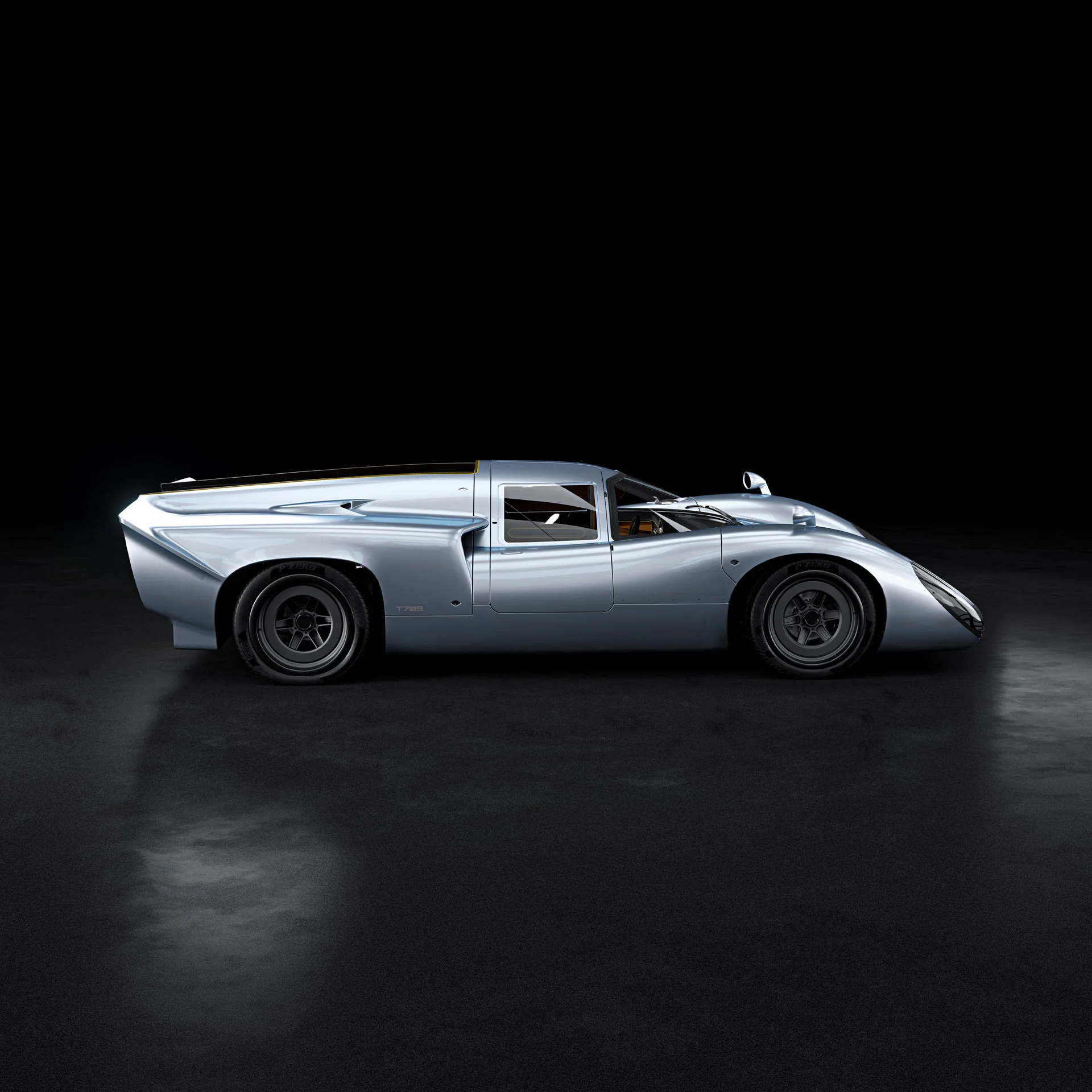
Both cars share the same cockpit architecture, but the racer is more faithful to the 1960s original.
For the road model, the company has added air-conditioning, chunkier switches, and places to store belongings.
Both cars, however, are incredibly similar.
This is a testament to how the company wants road drivers to experience as much of the race car as possible.
In total, we will see just 16 units of the racer built.
The new Lola T70 models confirm that the company is back in business
The British company has had a shaky recent history, but these new cars and its Formula E program firmly show it’s back in business.
“The Lola T70 is one of Lola’s greatest designs,” Matt Faulks said.
“With the T70S and T70S GT announced this week, we are not only revisiting a defining chapter in motorsport history but also demonstrating how legacy and innovation can coexist.”
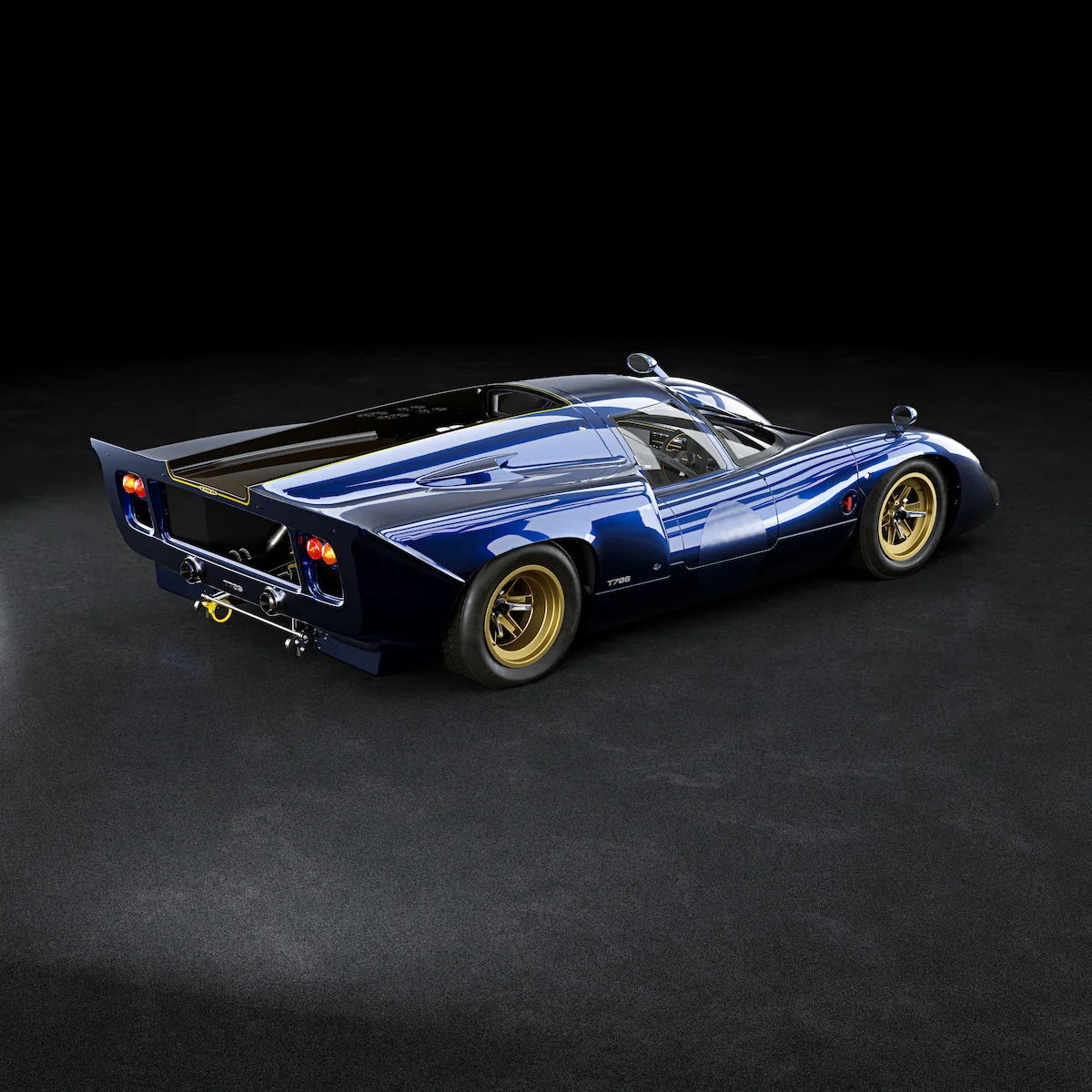
John Surtees, Jo Bonnier, David Hobbs, Mario Andretti, and Jackie Stewart are just some of those who drove the original car.
Now, a whole new generation has been introduced to one of motorsport’s true legends.
As far as tribute acts go, we think this is one of the very best.
Lola timeline
1958: Eric Broadley founds Lola Cars in Bromley, England
1962: Enters Formula One with the Mk4 chassis driven by John Surtees
1963: Creates the Mk6 GT, which becomes the foundation for the iconic Ford GT40
1965: Launches the highly successful T70 sports racing car
1980s-1990s: Dominates IndyCar and Formula 3000 racing as a premier chassis supplier
1997: Enters a financial crisis after a disastrous and short-lived Mastercard Formula One project
1998: Businessman Martin Birrane rescues and successfully rebuilds the company
2012: The company goes into administration and officially ceases trading
2022: Till Bechtolsheimer acquires the brand to revive the historic marque and return to motorsport
2026: Unveils the reborn T70S track car and road-going T70S GT built with modern materials
DISCOVER SBX CARS: The global premium car auction platform powered by Supercar Blondie
Henry joined the Supercar Blondie team in February 2025, and since then has covered a wide array of topics ranging from EVs, American barn finds, and the odd Cold War jet. He’s combined his passion for cars with his keen interest in motorsport and his side hustle as a volunteer steam locomotive fireman at a heritage steam railway.