A car salesman reveals the hidden costs of vehicles sitting idle in yards or depots
Published on Jul 10, 2026 at 11:35 AM (UTC-4)
by Daisy Edwards
Last updated on Jul 10, 2026 at 11:35 AM (UTC-4)
Edited by
Mason Jones
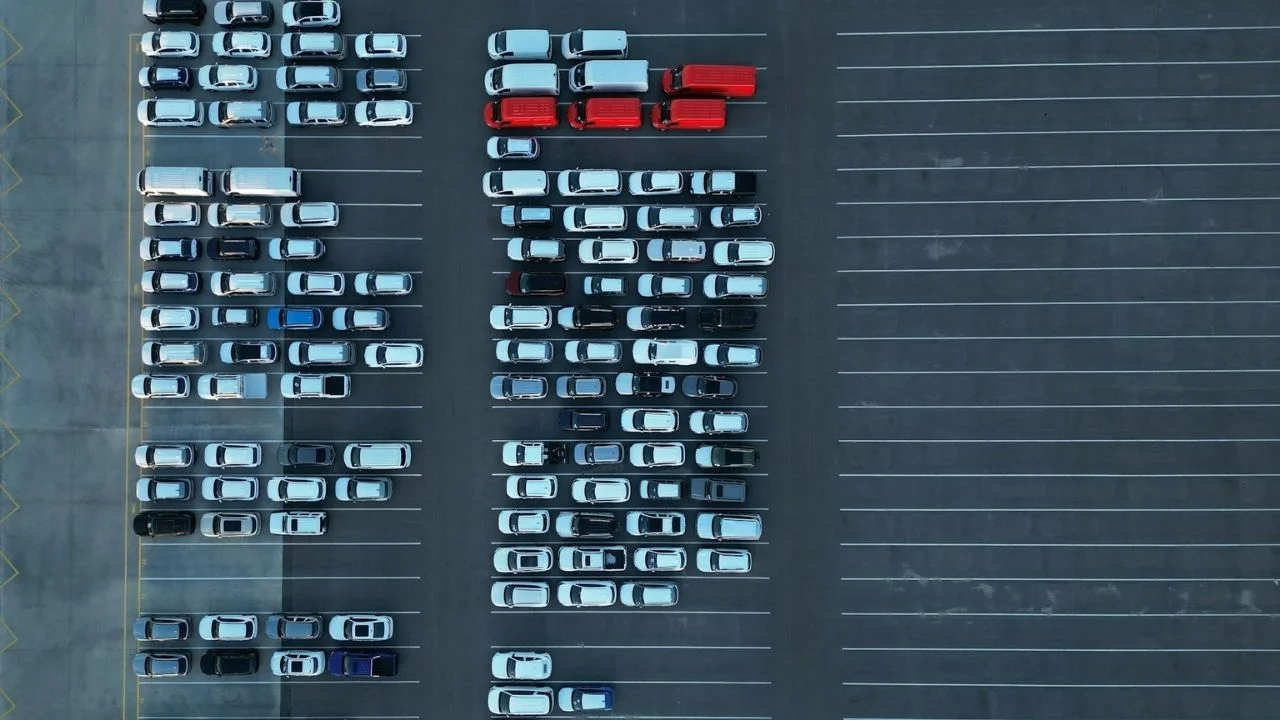

When businesses think about fleet costs, they usually picture vans out guzzling fuel and racking up miles, but according to one fleet expert, the biggest money drains can come from vehicles that are sitting idle, going nowhere at all.
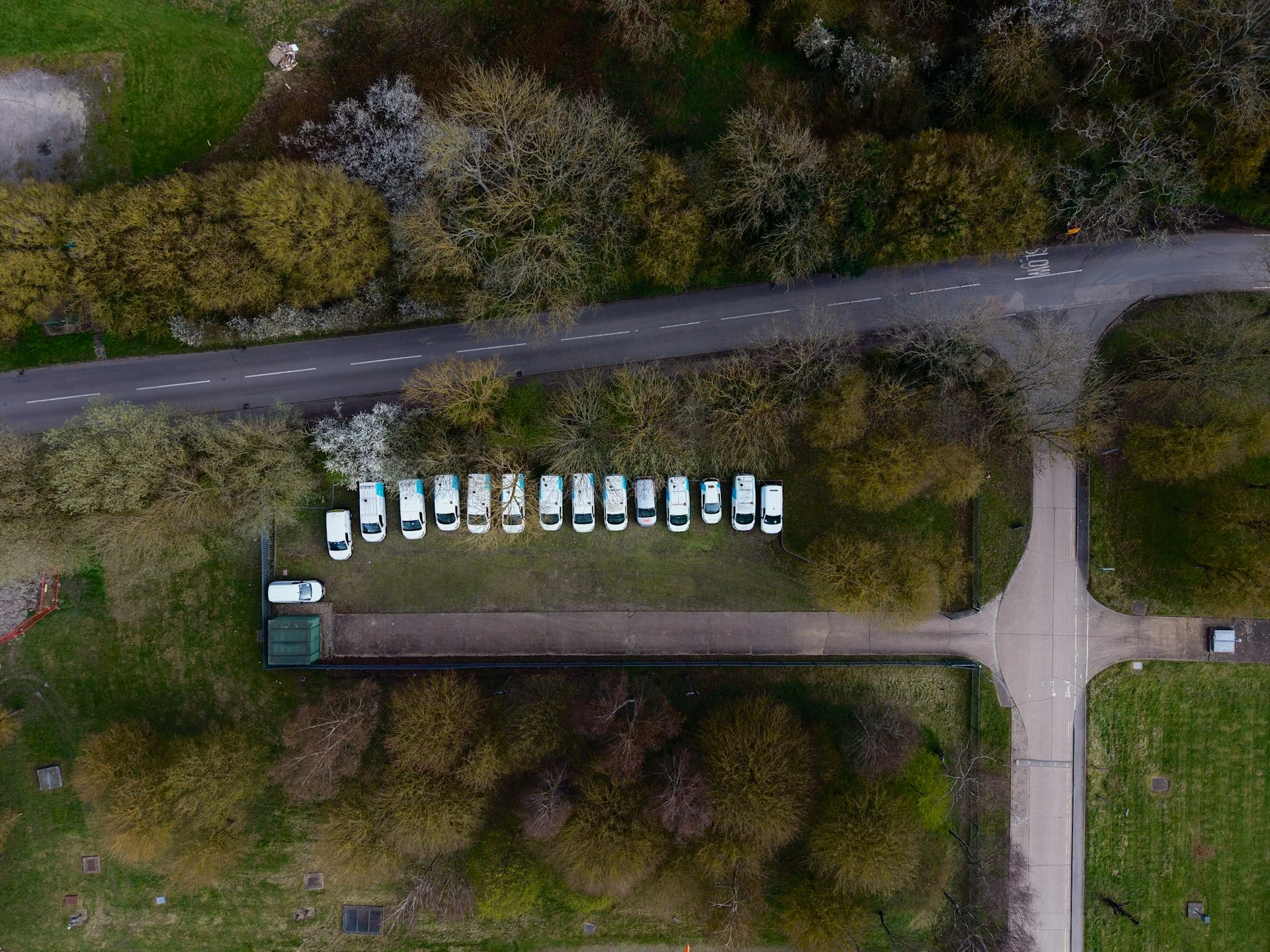
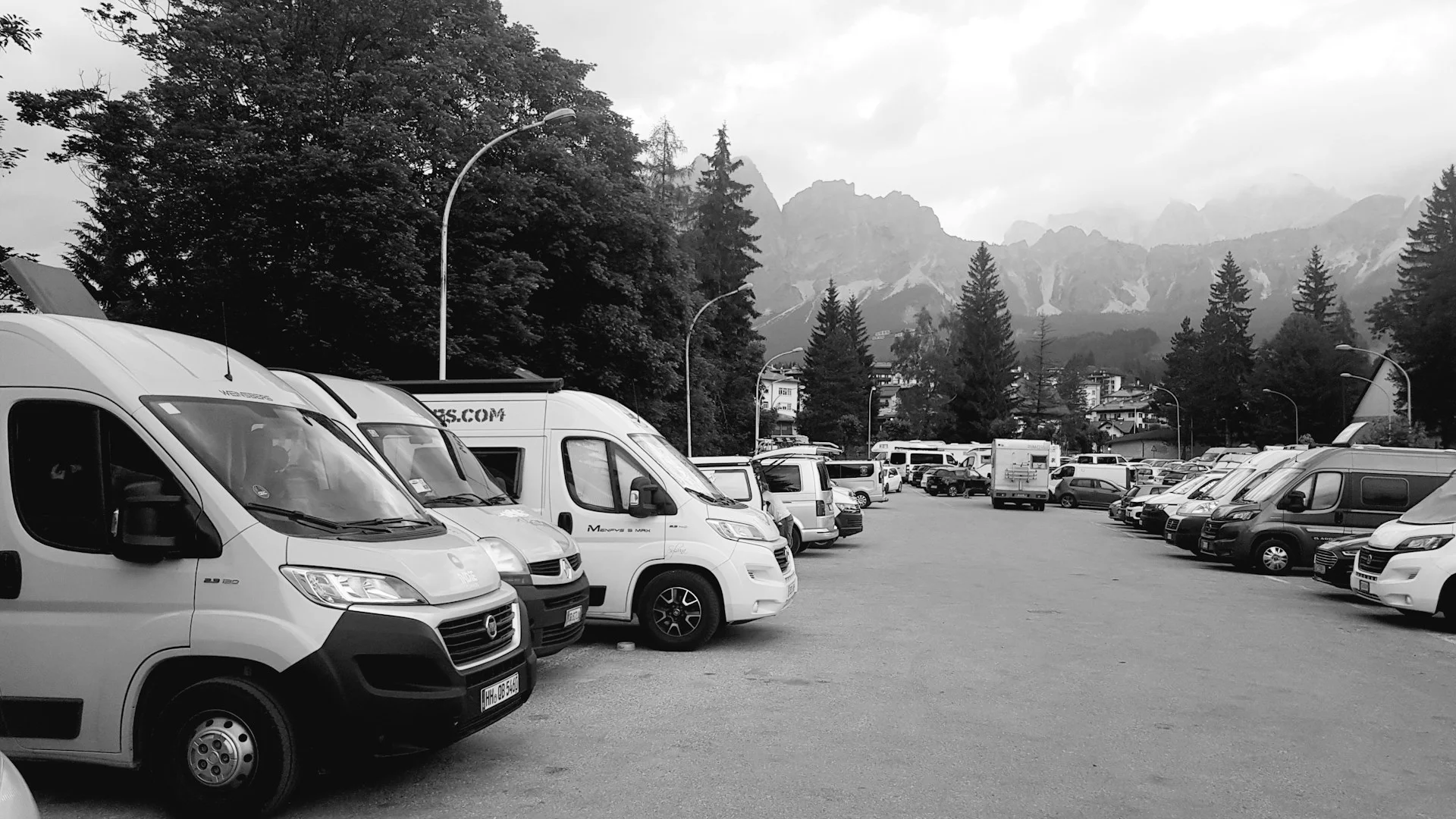
Vans parked up in depots, sitting in loading bays, or gathering dust in yards could be quietly costing companies thousands every year.
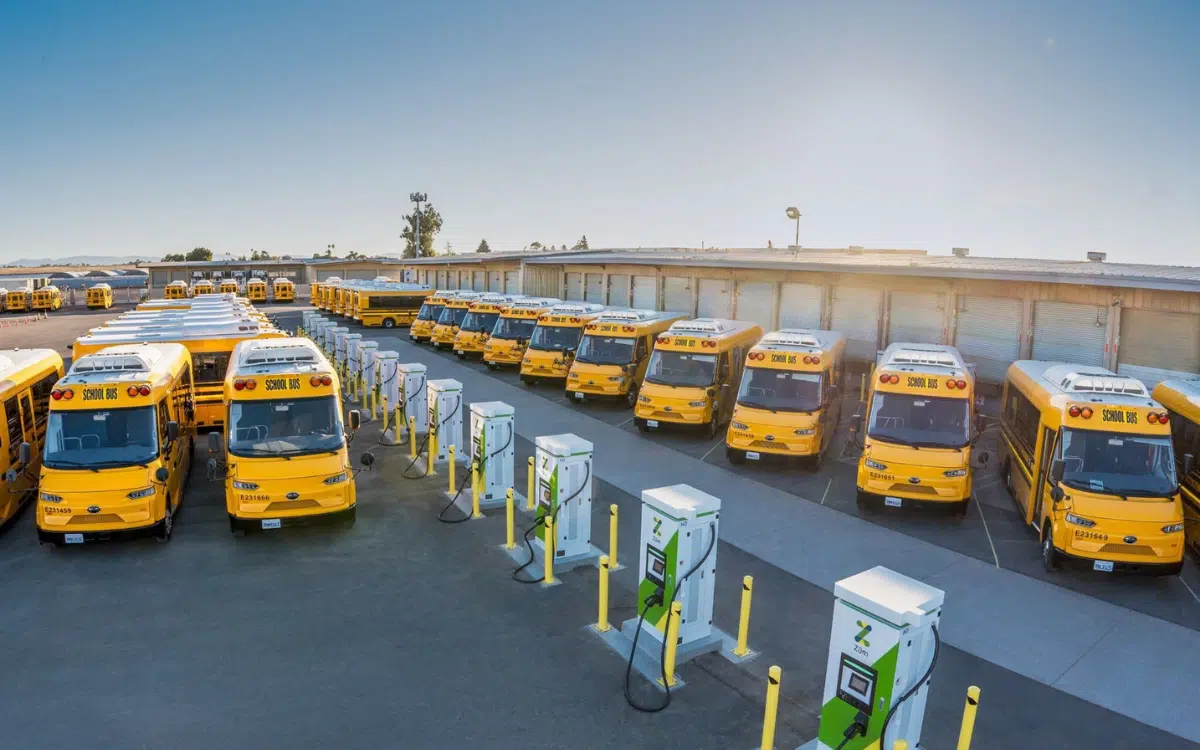
And as more electric vans join commercial fleets, keeping track of what happens when vehicles aren’t moving is becoming just as important as monitoring them on the road.
What looks like a harmless row of parked vans could actually be one of the biggest hidden drains on a company’s budget.
Vehicles sitting idle in yards or depots can become surprisingly expensive
A car, van or any kind of vehicle parked in a depot might look like it’s costing nothing.
In reality, every minute spent idling or every day spent underused can chip away at a company’s bottom line.
Industry estimates suggest a vehicle left idling for between 30 and 60 minutes a day can waste up to a liter of fuel daily, and across a large fleet of vans, that’s a lot of money disappearing into thin air.
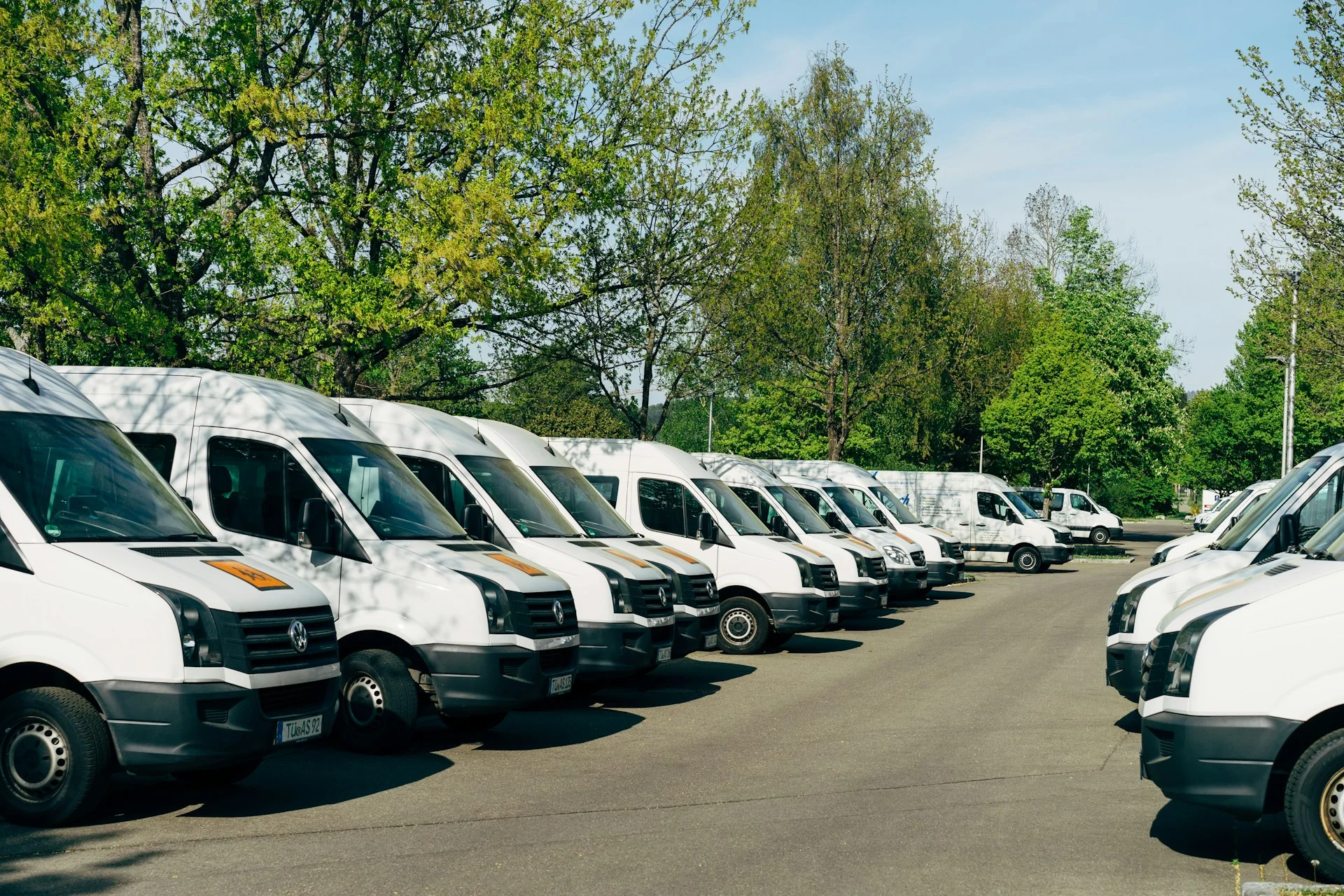
One analysis found that a fleet of 50 vans idling for just 30 minutes every working day could burn through an extra 1,300 litres of diesel every month.
Gary Henry, Sales Director at Dawsongroup vans, says the problem often goes unnoticed.
“Fleet inefficiency is not always obvious. A vehicle can appear available and operational on paper, but if it is spending large parts of the day sitting idle, the business is still carrying the cost without getting the productivity back.”
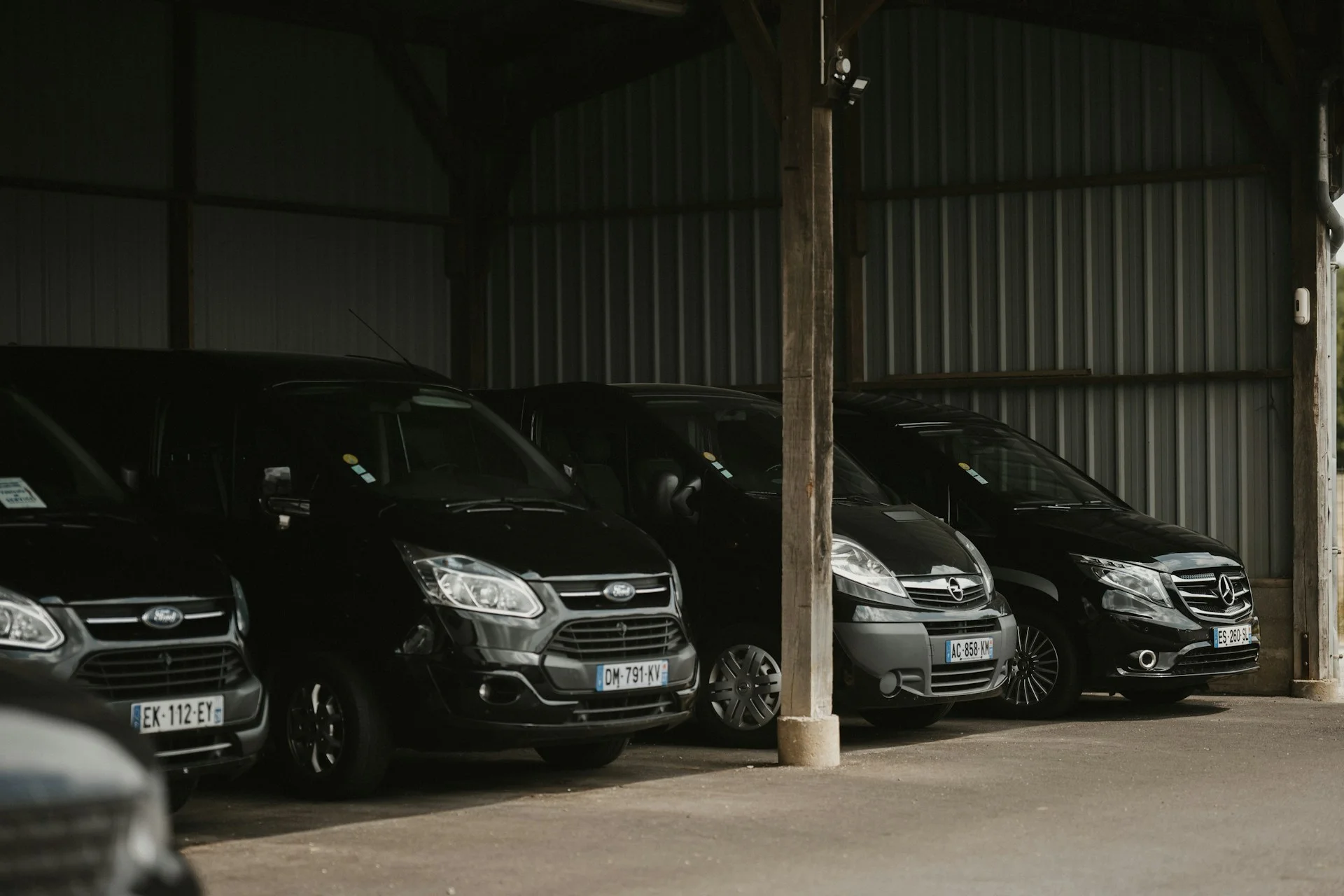
The costs don’t stop with fuel, either.
Insurance, leasing payments, road tax, depreciation and maintenance bills all keep ticking over regardless of whether a van is making deliveries or sitting untouched in a yard.
As Henry puts it: “Vehicle availability is not the same as vehicle productivity.”
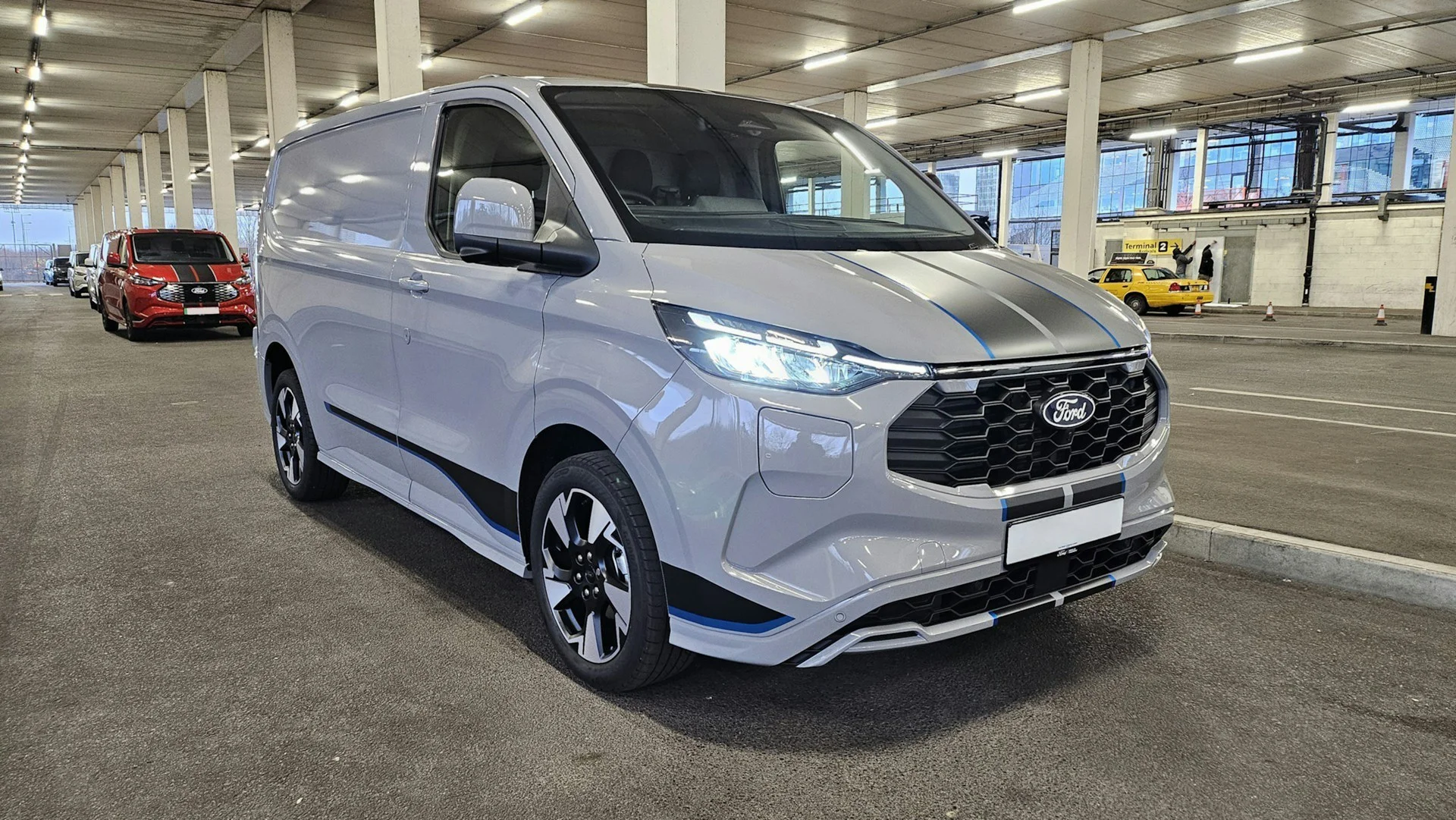
Why fleet managers are paying closer attention to vehicle usage
The biggest challenge is spotting the problem in the first place.
Without telematics systems and vehicle tracking, many businesses have little idea how long their vans spend stationary, which vehicles are underused, or whether they have more vehicles than they actually need.
That’s changing as operators increasingly turn to fleet data to understand what’s really happening behind the scenes.
“Data changes the conversation,” said Henry.
“Once businesses can clearly see how their vehicles are actually being used, it becomes much easier to identify waste, improve utilisation, and make more informed operational decisions.”
The shift towards electric vans is making those insights even more valuable.
While EVs don’t burn fuel when stationary, long periods of inactivity, excessive use of heating and cooling systems, and poor scheduling can still reduce efficiency and increase charging demands.
There’s also the issue of wear and tear, and any people assume maintenance costs are tied purely to mileage, but experts say excessive idling can contribute to vehicle deterioration too.
“The businesses achieving the best fleet efficiency are the ones looking at the whole operational picture,” Henry explained.
“It is not just about the vehicle itself. It is about visibility, planning and understanding how assets are being used day to day.”
As operating costs continue to rise, businesses are discovering that some of the most expensive vehicles in a fleet might actually be the ones on a road to nowhere.
Daisy is a technology and automotive journalist covering artificial intelligence, consumer tech, Apple news, cryptocurrency, emerging technologies, and transportation innovation. Since joining the team in 2025, she has reported on everything from AI-powered startups and major iOS updates to viral car stories and the latest developments shaping transportation and the digital economy. Drawing on her background in automotive journalism and a degree in History and Journalism from Goldsmiths, University of London, Daisy specializes in breaking down complex topics into clear, engaging reporting for a global audience. Her work spans cutting-edge technology, innovative vehicles, and the people driving change across both industries. Daisy has gained first-hand access to some of the world's most talked-about technologies and innovators, including meeting Tesla's Optimus humanoid robot during its first European appearance in London. She has also discussed the future of space exploration with an astronaut, bringing unique insights and real-world perspectives to her coverage of emerging technology.