The FAA confirms if the Tesla Roadster will need to be classed as an aircraft as it's revealed to be a flying car
Published on Oct 21, 2026 at 4:04 PM (UTC-4)
by Daisy Edwards
Last updated on Oct 21, 2026 at 4:04 PM (UTC-4)
Edited by
Mason Jones
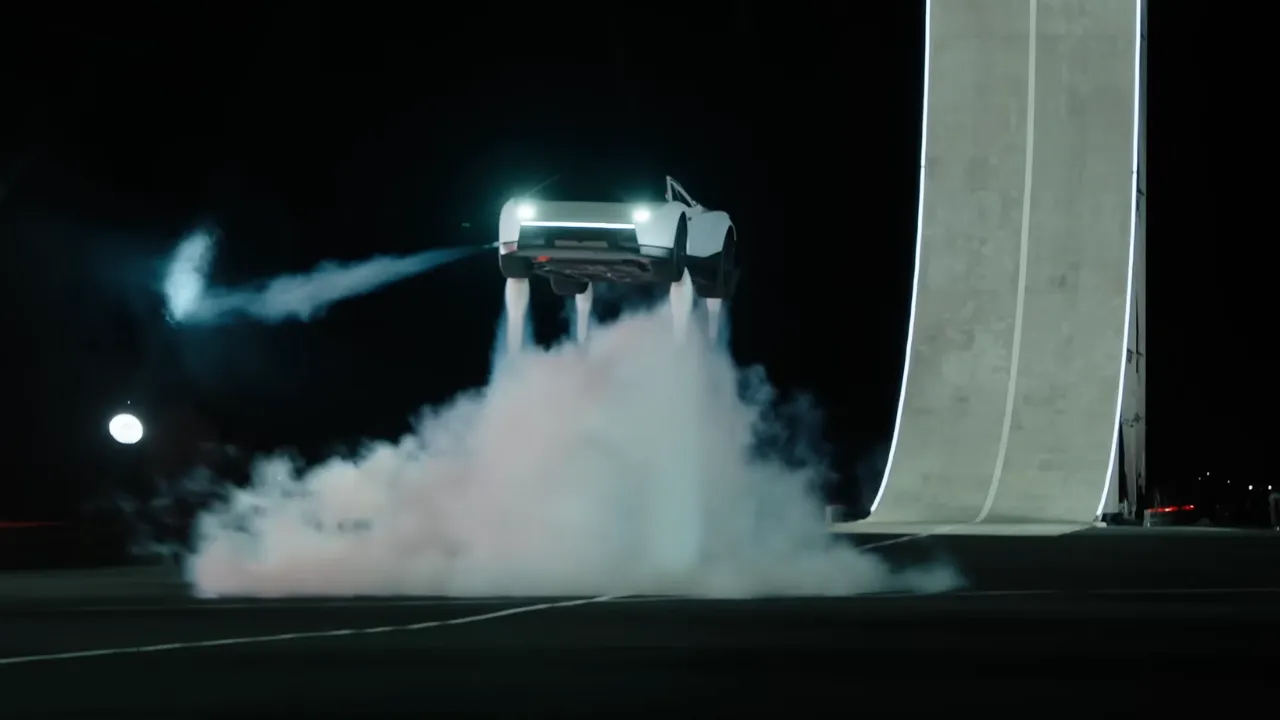

Tesla has finally shown off a version of its long-awaited Roadster that appears to do something straight out of science fiction, but the problem is: is it a car or an aircraft? Well, the FAA has chimed in.
The EV was revealed with a series of dramatic demonstrations involving SpaceX technology, including thrusters that allowed it to lift off the ground.
But while Elon Musk is pitching it as a glimpse of the future, its unusual abilities have raised some serious questions about how it will be regulated.
And the Federal Aviation Administration (FAA) has now weighed in on whether the futuristic flying car counts as an aircraft.
The FAA has revealed whether Tesla’s flying Roadster counts as an aircraft
The new Tesla Roadster EV made quite the entrance during a livestreamed demonstration at a SpaceX facility in Texas on October 15.
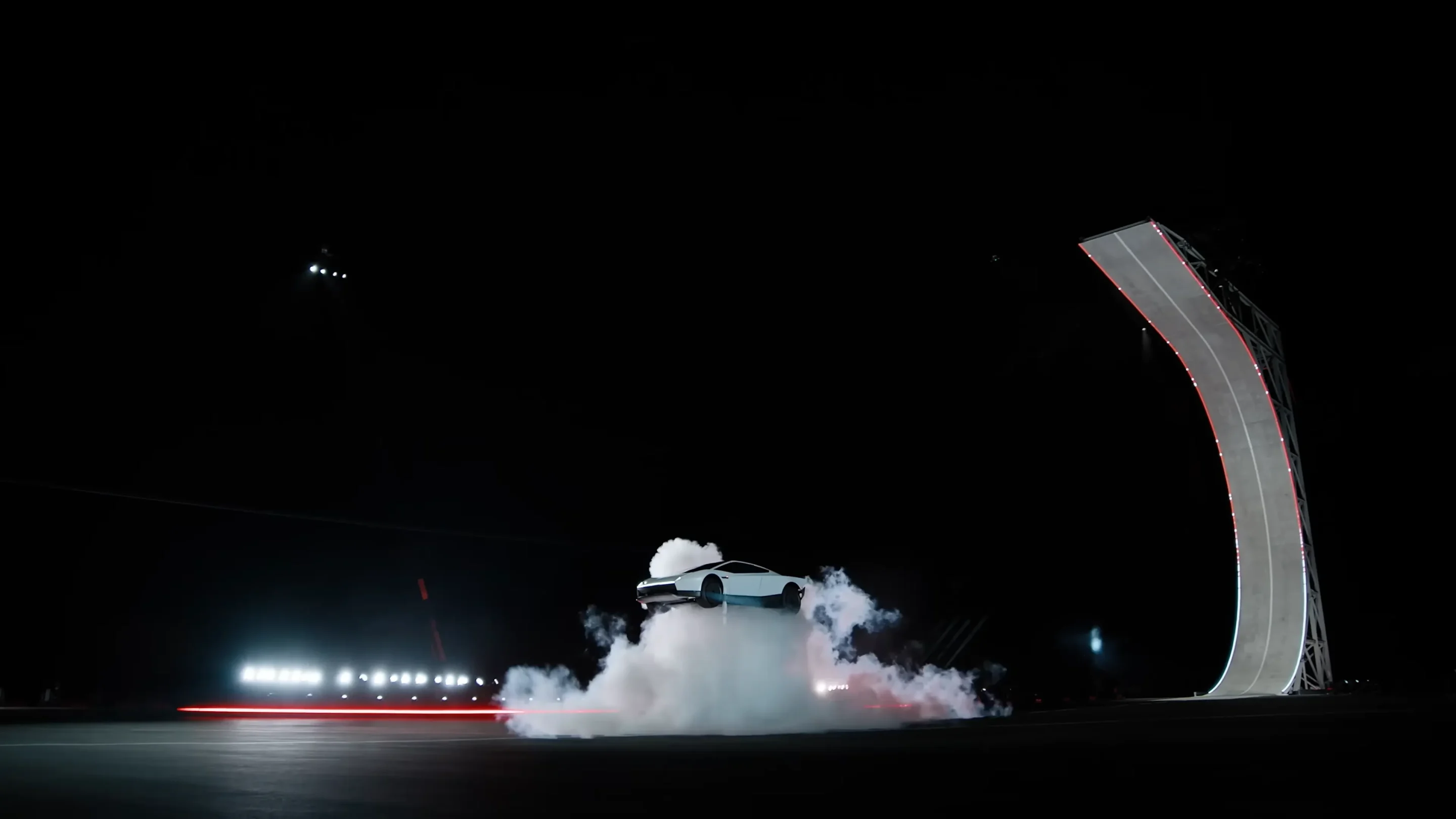
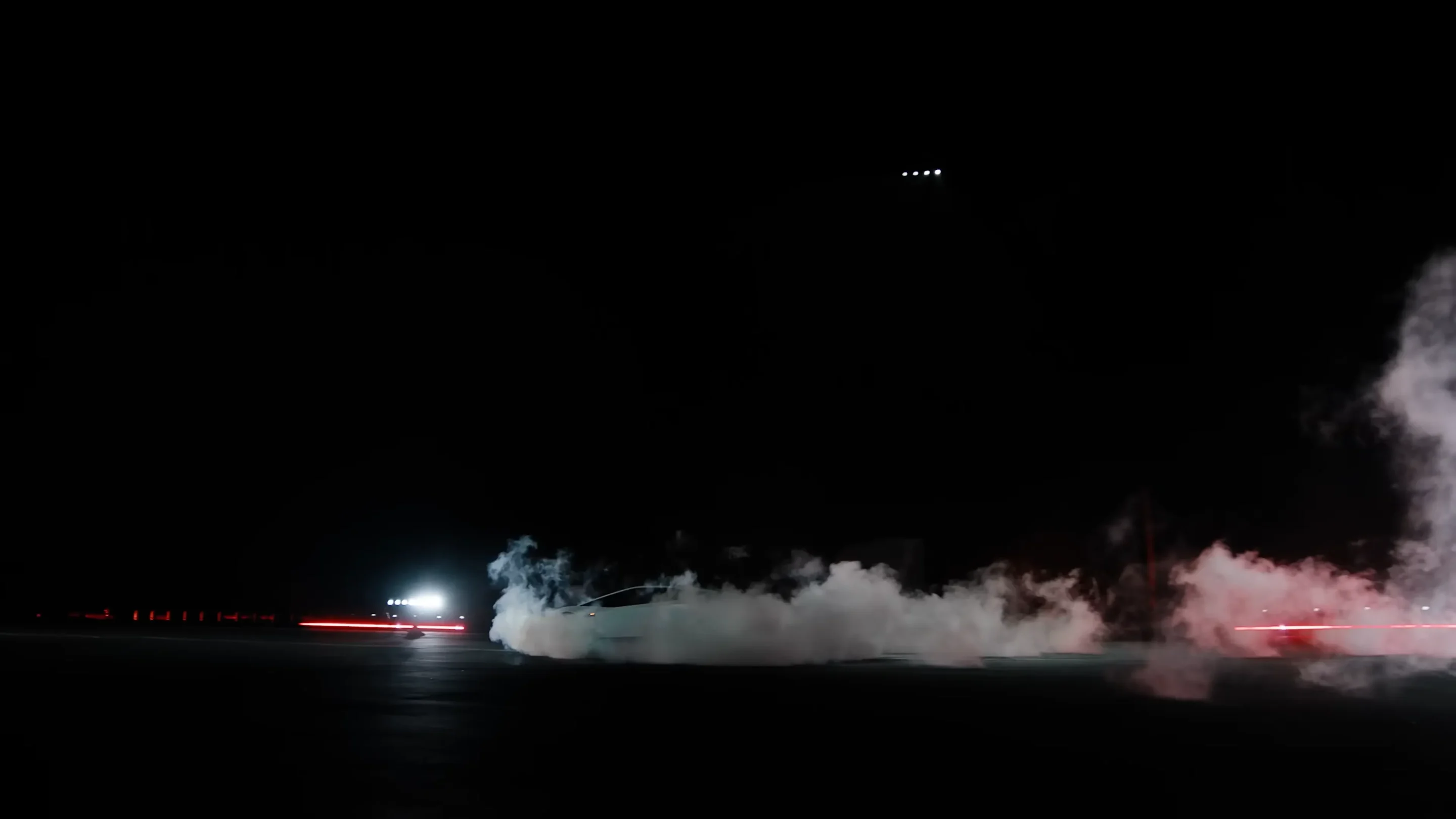
The car appeared to drive upside down along a curved ramp before launching into the air, rotating 180 degrees and landing back on its wheels.
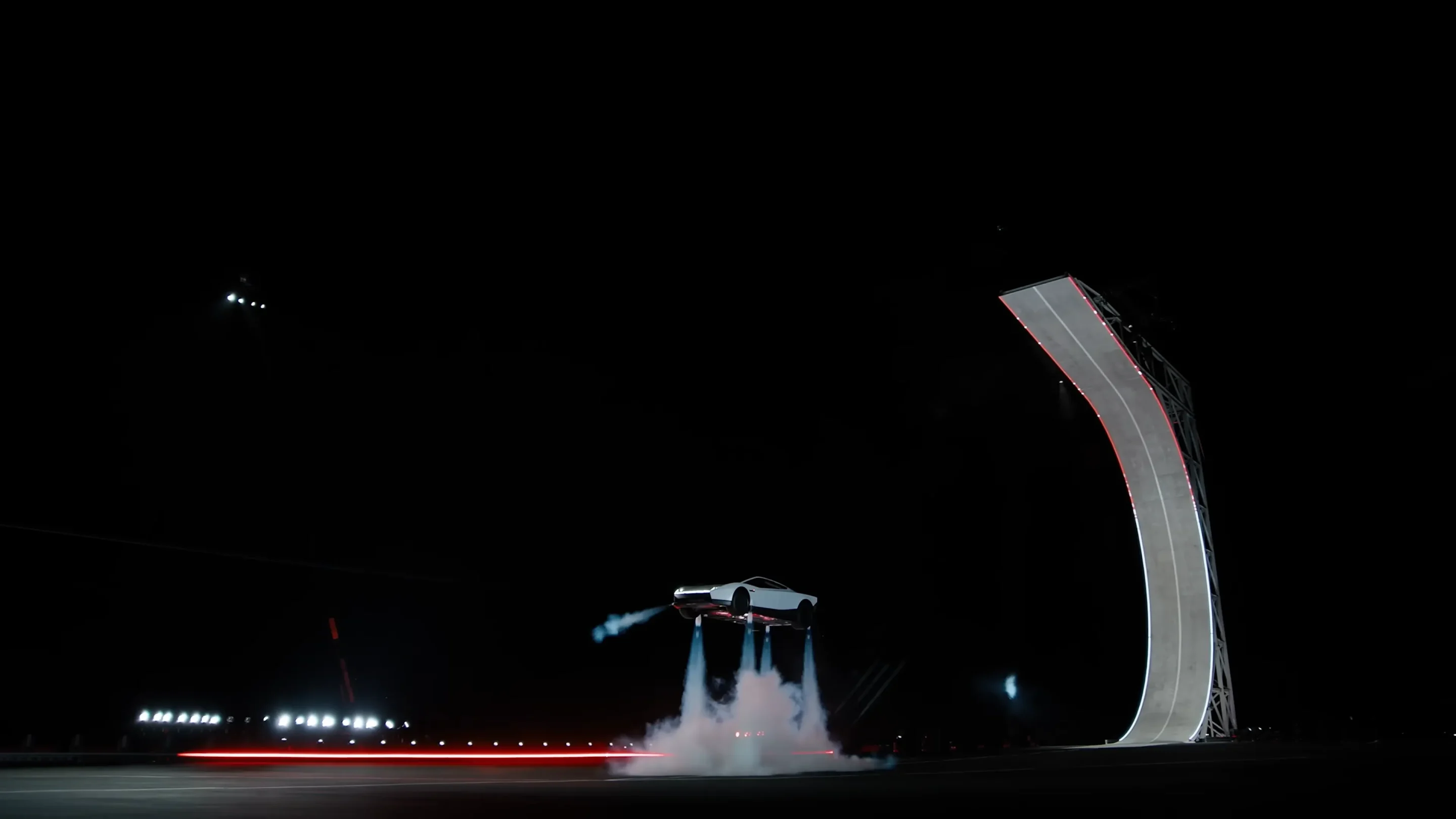
It also used its thrusters to leap over a lineup of Tesla vehicles, giving viewers a taste of what the company hopes to achieve with its next-generation electric sports car.
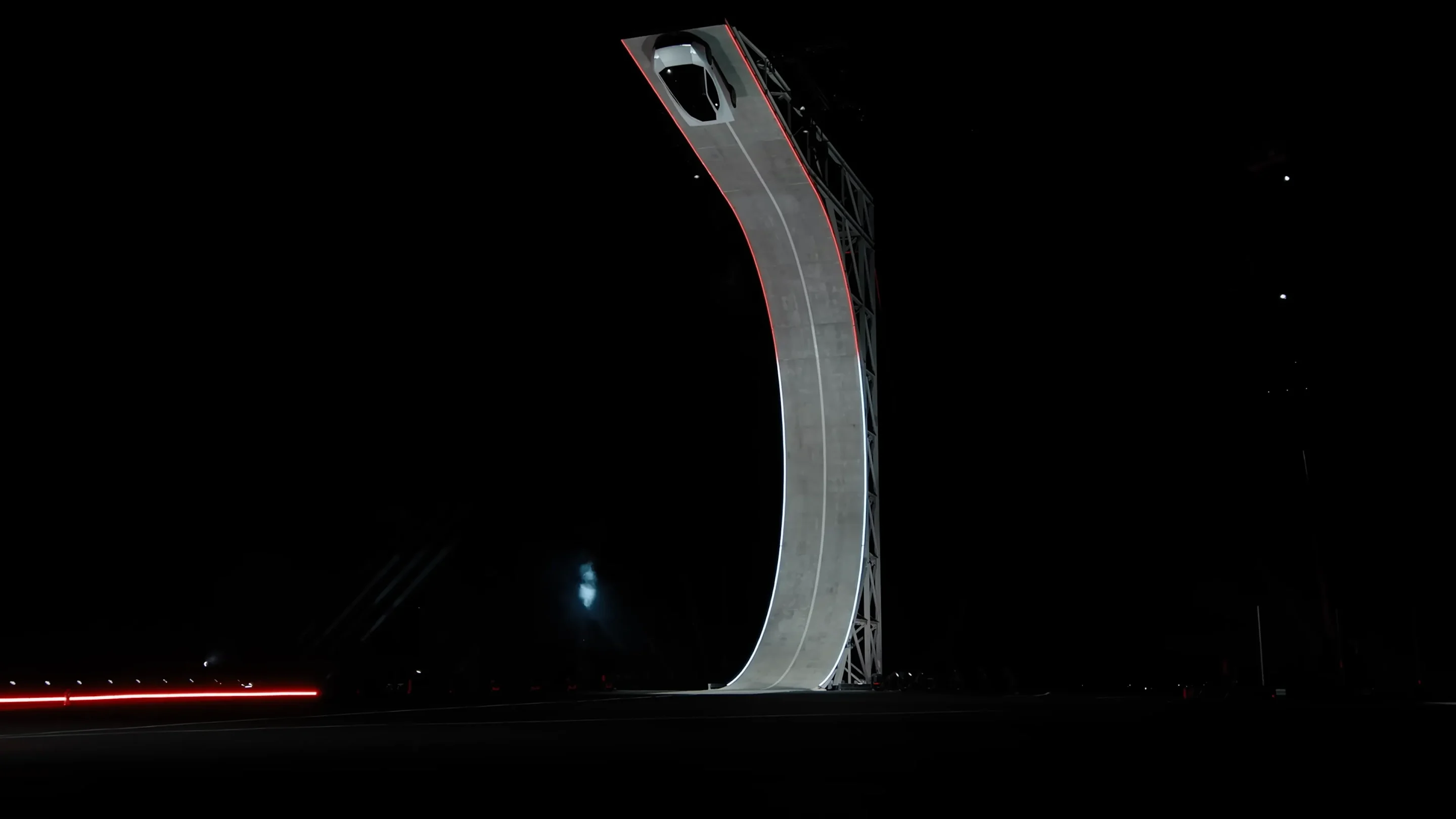
However, the demonstration raised an important question: if a car can fly, does it need to follow the same rules as an aircraft?
According to the FAA, apparently not.
The agency told CBS News: “The Tesla vehicle does not meet the FAA definition of an aircraft.”
That means the Roadster would not need FAA airworthiness certification simply because of the flying features demonstrated so far.
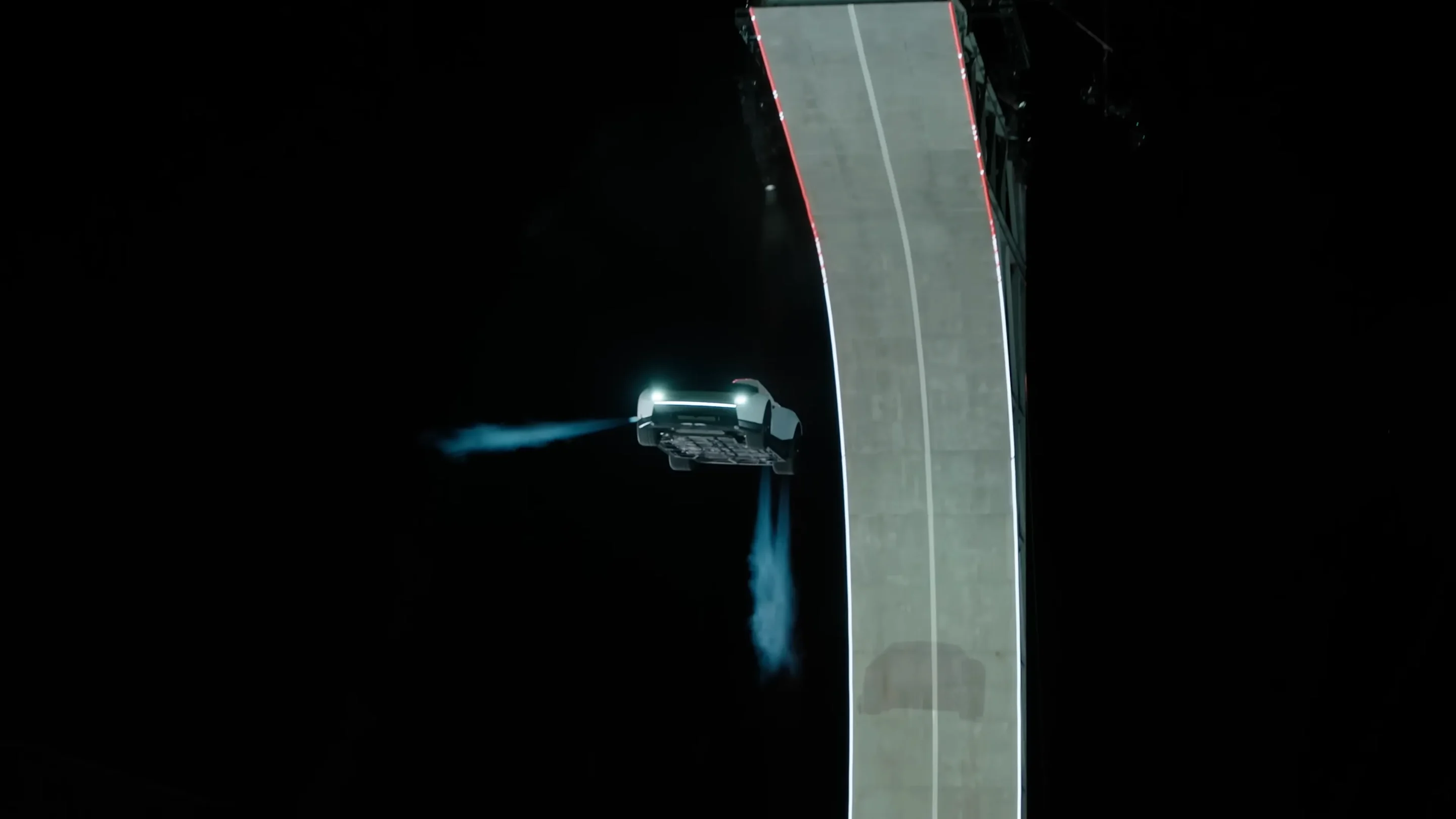
However, that doesn’t mean every regulatory question has been answered.
Tesla’s website states that the Rocket version is not approved for public road use, while US transportation officials have yet to make clear exactly how a vehicle with these capabilities would be overseen.
When Elon Musk was asked if it would be street legal, he said: “Yeah, yeah, depends on your street […] It will be a buyable car.”
Related
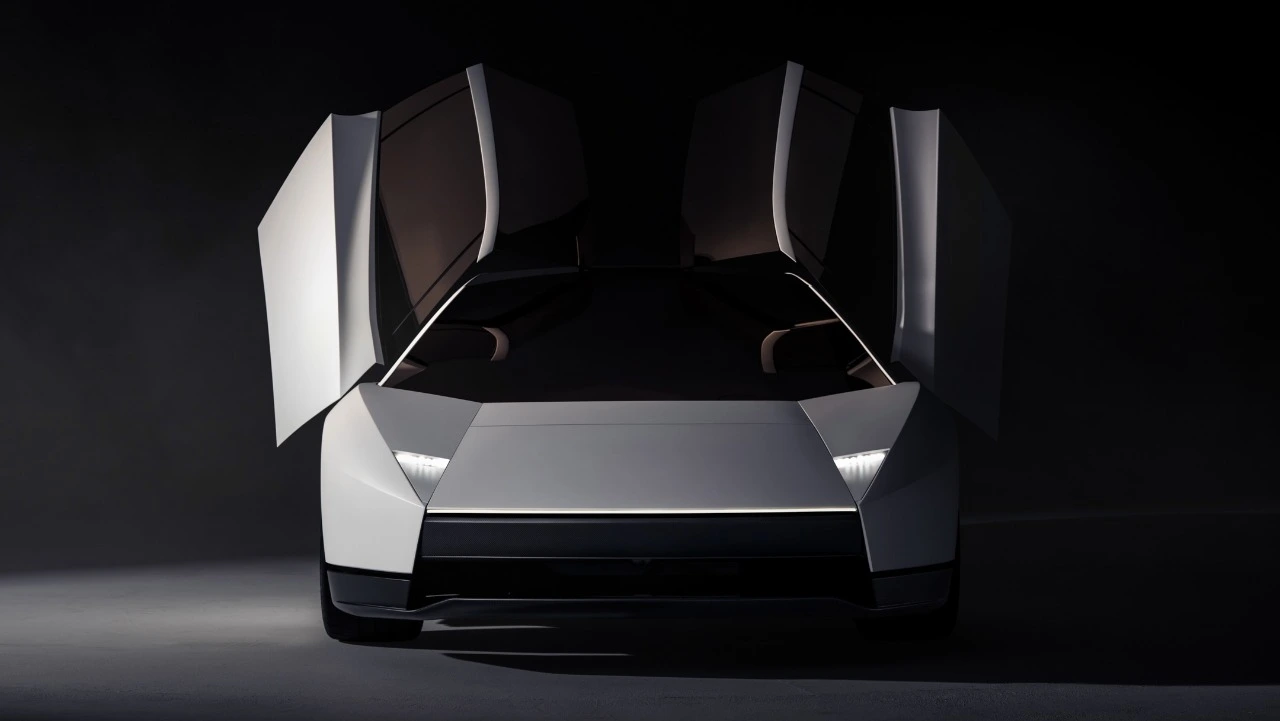
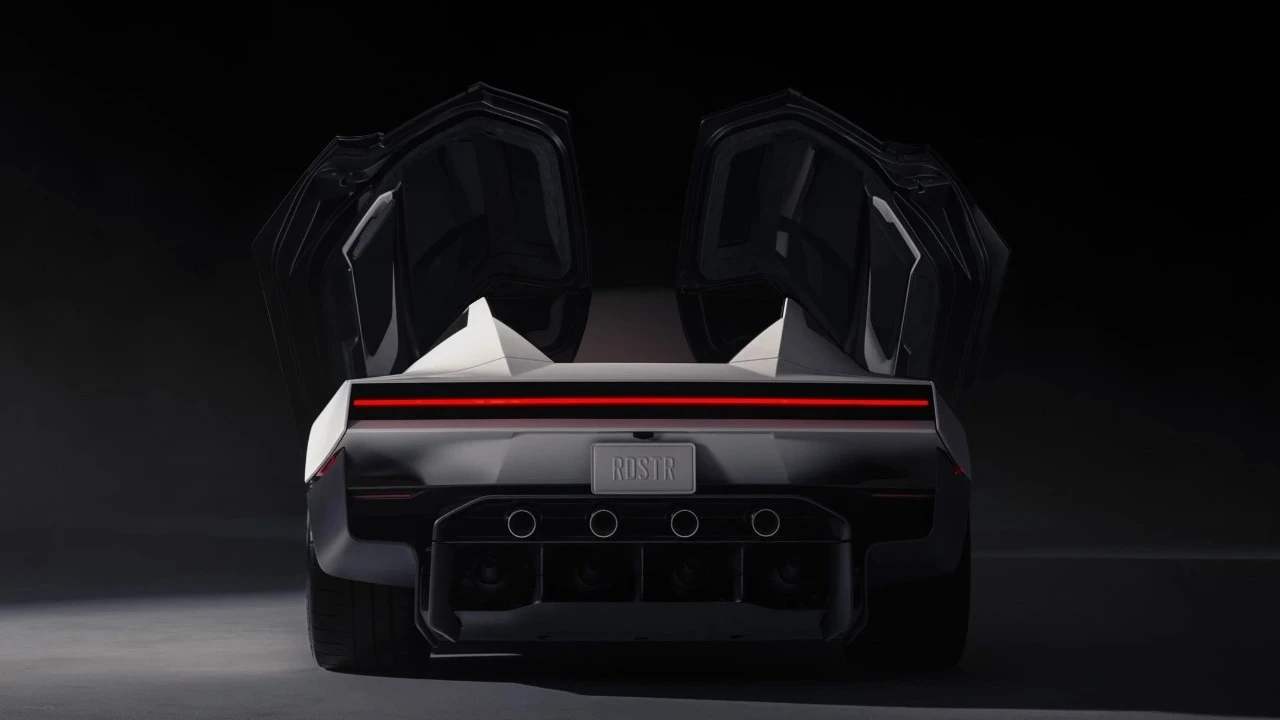
Tesla’s new Roadster uses SpaceX thrusters to get airborne
The Roadster has been a long time coming, having first been unveiled back in November 2017.
Tesla originally promised an electric sports car capable of accelerating from zero to 60 mph in just 1.9 seconds, with four seats and a range of up to 620 miles.
Now, the company is targeting production in 2028, with a redesigned lineup that includes three versions: Performance, Thrust and Rocket.
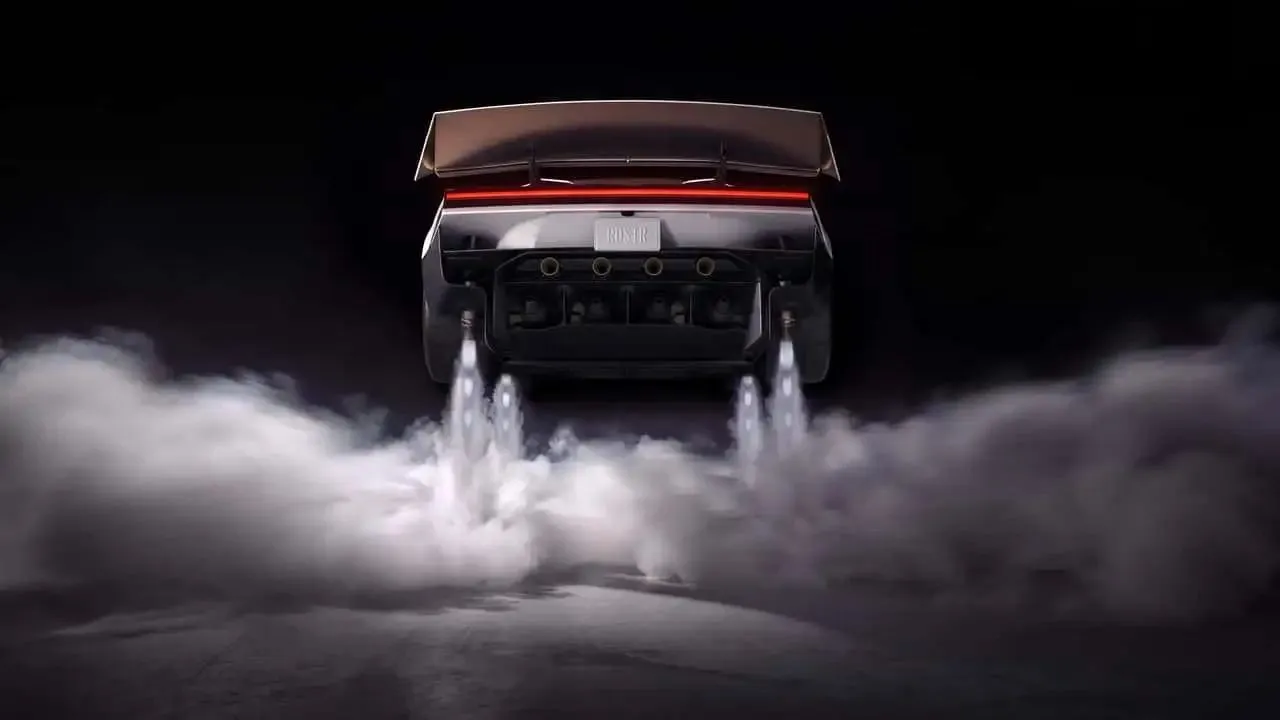
The Performance model is designed for road use, while the Thrust version adds rear-mounted compressed-air thrusters.
Then there’s the Rocket, the most extraordinary version of the bunch.
It features 10 thrusters arranged around the car, allowing it to perform brief airborne maneuvers.
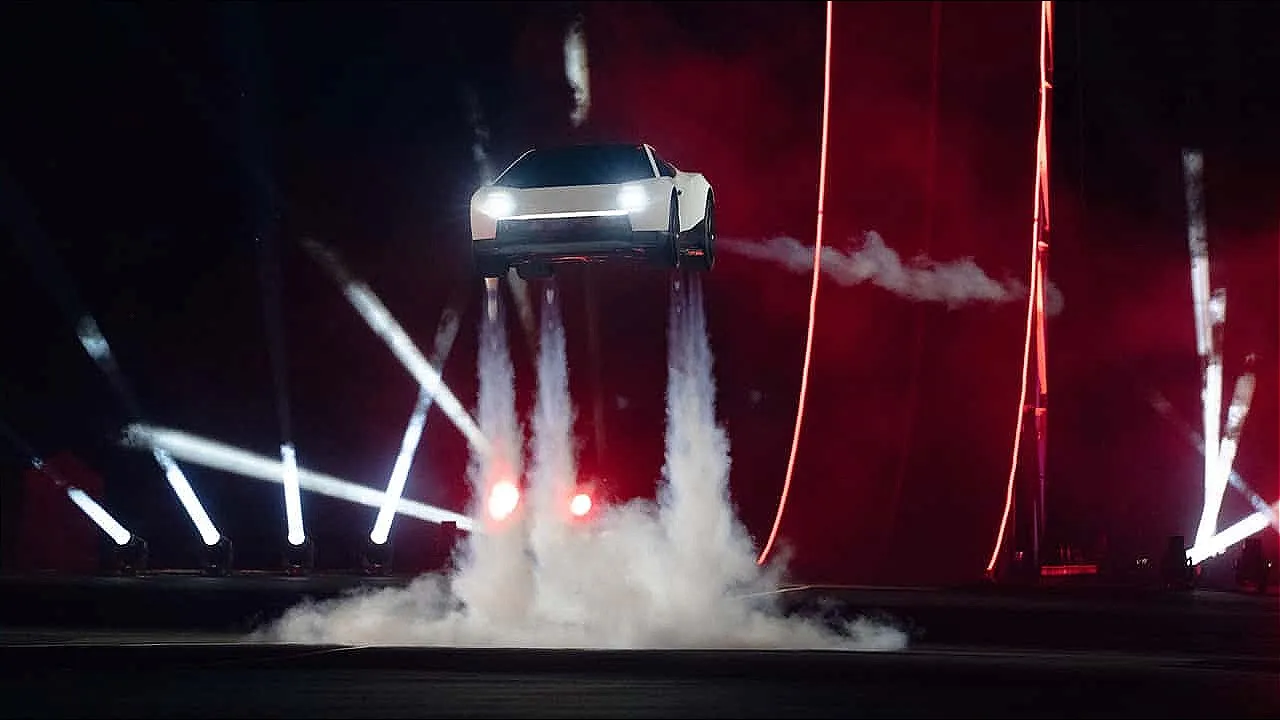
Tesla engineering vice president Lars Moravy said the system uses around 600 liters of rechargeable compressed air, rather than conventional rocket fuel.
The demonstration was certainly eye-catching, although it showed brief aerial movements rather than sustained flight over a meaningful distance.
That distinction could prove important as Tesla works toward production.
The flying Tesla won’t come cheap
As you might expect, getting your hands on the futuristic flying car won’t be cheap.
Tesla is asking for a $50,000 reservation payment for the Performance model, while the Thrust version requires a whopping $250,000 deposit.
The Rocket version, meanwhile, is available by invitation only, with no publicly disclosed reservation fee.
The company has also reduced the promised range to more than 300 miles, compared with the 620 miles originally advertised, and the redesigned car now seats no more than two people.

So, while the FAA has said the flying car doesn’t qualify as an aircraft under its definition, there are still plenty of questions about how Tesla’s most ambitious car yet will work in the real world.
With production not expected until 2028, there’s still time for those answers to emerge.
Daisy is a technology and automotive journalist covering artificial intelligence, consumer tech, Apple news, cryptocurrency, emerging technologies, and transportation innovation. Since joining the team in 2025, she has reported on everything from AI-powered startups and major iOS updates to viral car stories and the latest developments shaping transportation and the digital economy. Drawing on her background in automotive journalism and a degree in History and Journalism from Goldsmiths, University of London, Daisy specializes in breaking down complex topics into clear, engaging reporting for a global audience. Her work spans cutting-edge technology, innovative vehicles, and the people driving change across both industries. Daisy has gained first-hand access to some of the world's most talked-about technologies and innovators, including meeting Tesla's Optimus humanoid robot during its first European appearance in London. She has also discussed the future of space exploration with an astronaut, bringing unique insights and real-world perspectives to her coverage of emerging technology.




