Tesla's vehicle engineering chief reveals the groundbreaking charging speeds the new Roadster is capable of
Published on Oct 20, 2026 at 8:17 AM (UTC-4)
by Daisy Edwards
Last updated on Oct 20, 2026 at 8:17 AM (UTC-4)
Edited by
Mason Jones
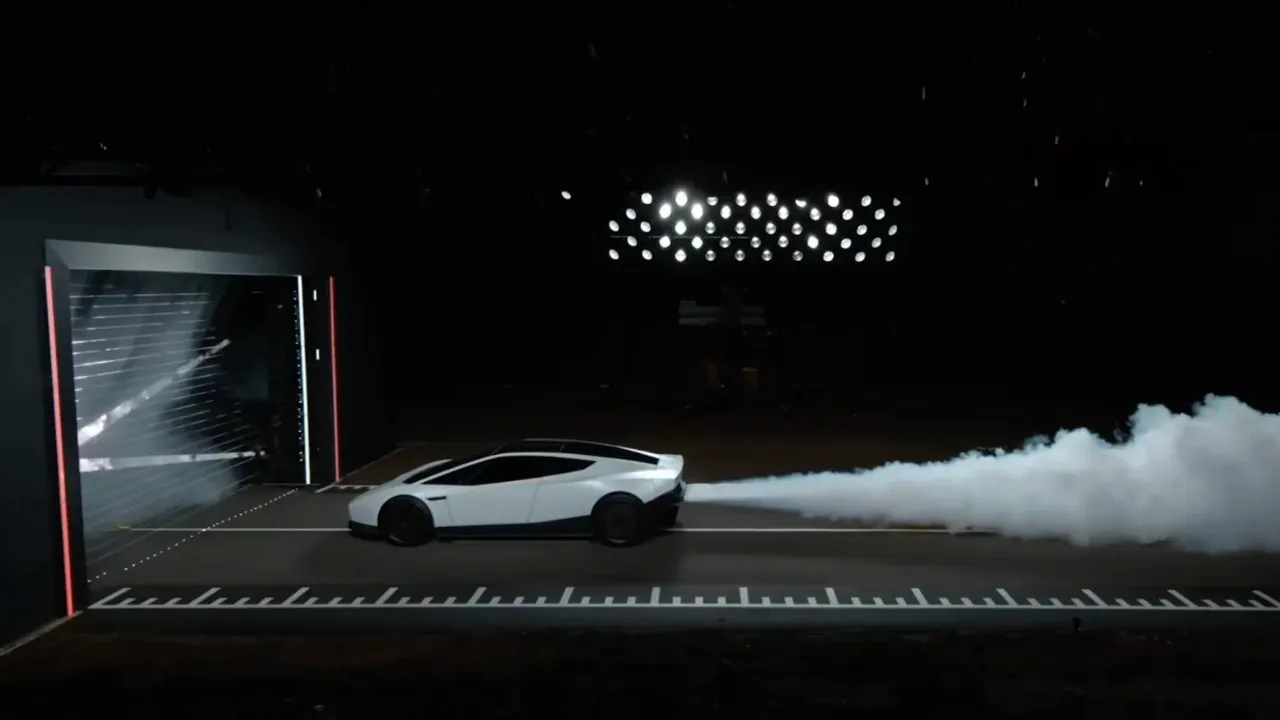

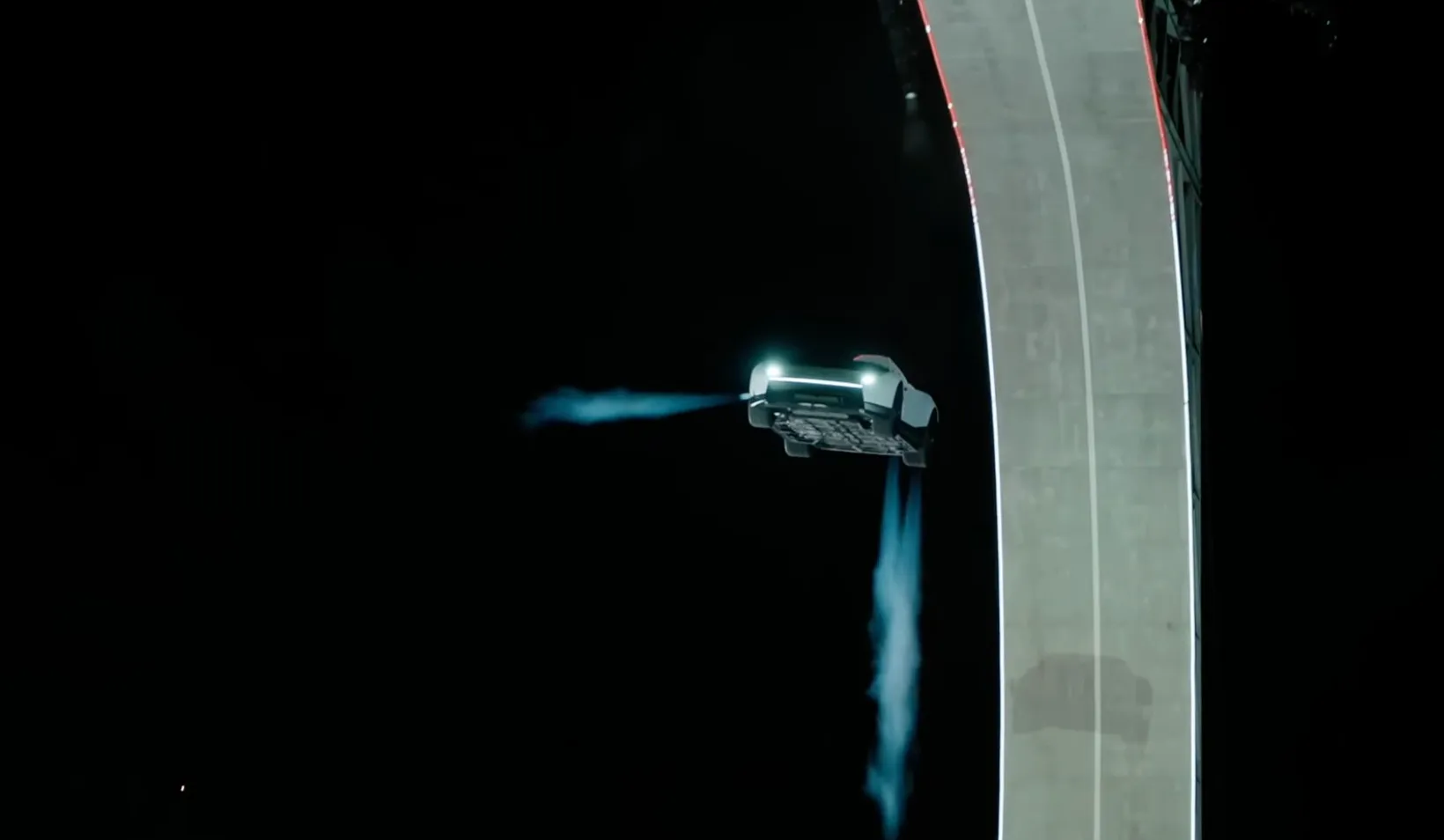
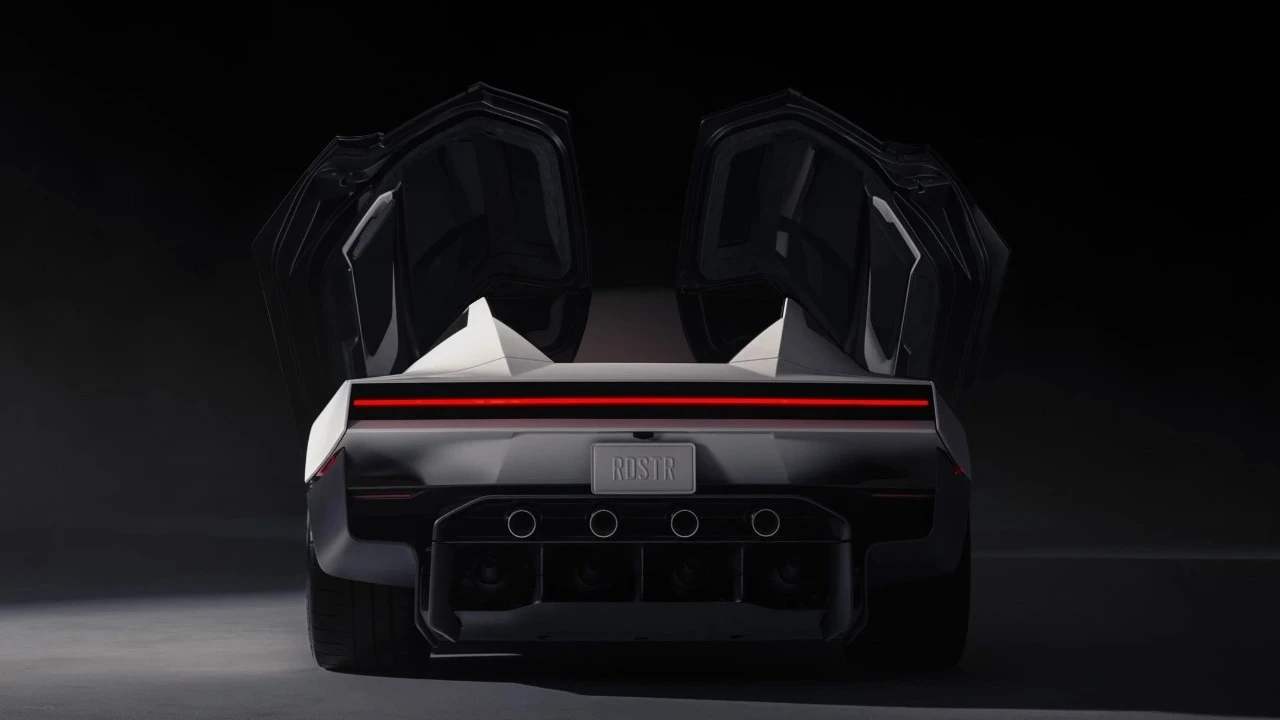
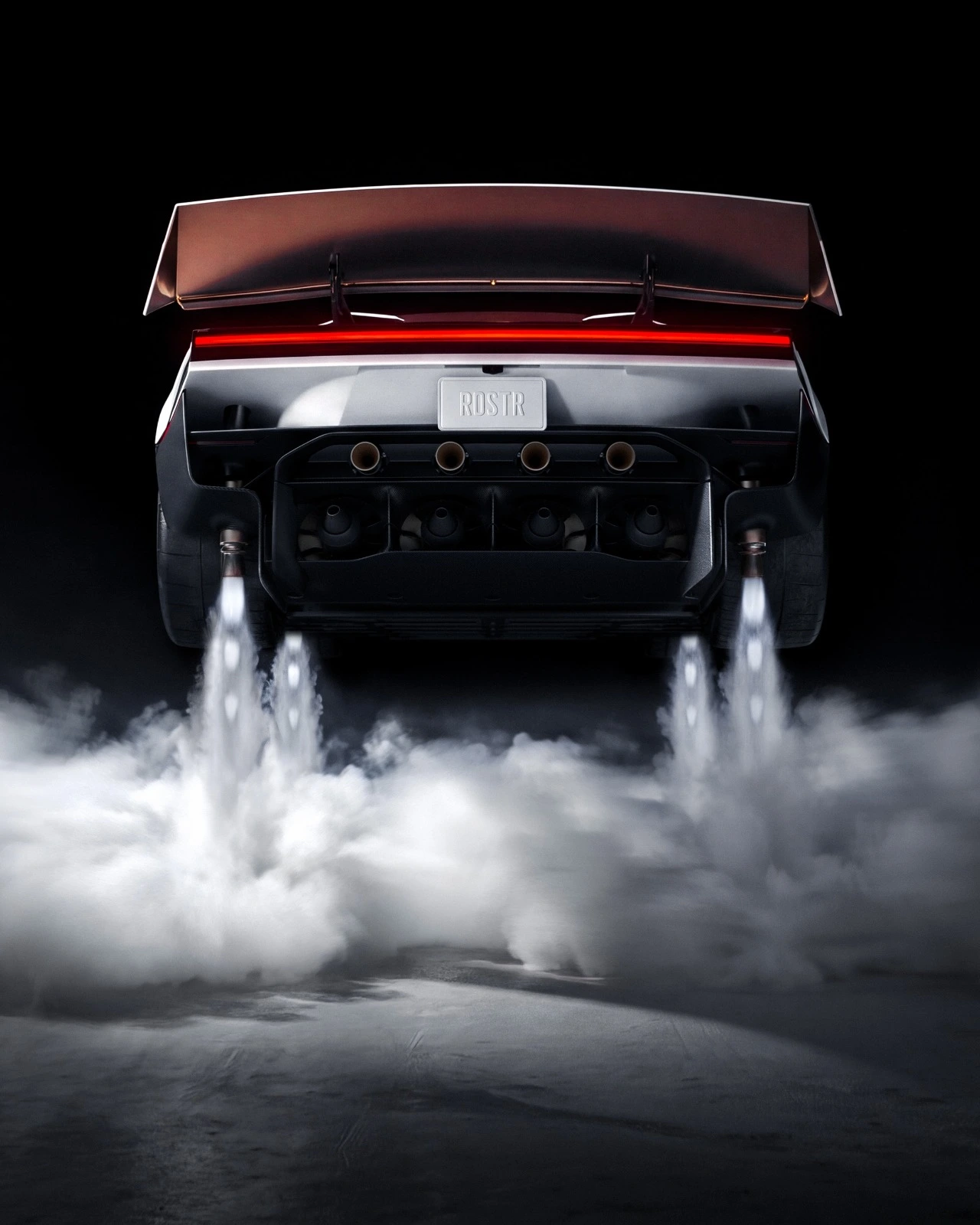
Tesla’s new Roadster has plenty of wild tricks up its sleeve, from rocket-style thrusters to seriously impressive acceleration.
But one of its most interesting features could make a huge difference to electric car charging.
The Electric Viking has broken down the battery technology behind the upcoming sports car, including details shared by Tesla’s vehicle engineering chief, Lars Moravy.
And the charging target could make recharging between high-speed track sessions much quicker than we’re used to.
Tesla’s new Roadster has a battery unlike any other
In a recent video, an EV expert explored how Tesla has developed a new version of its 4680 cylindrical battery cells specifically for the Roadster.
These cells are similar in size to those used in the Cybertruck, but Tesla has made some significant changes to help them deliver huge amounts of power while keeping their weight down.
One of the biggest differences is the casing, because instead of using traditional steel, Tesla has switched to aluminum.
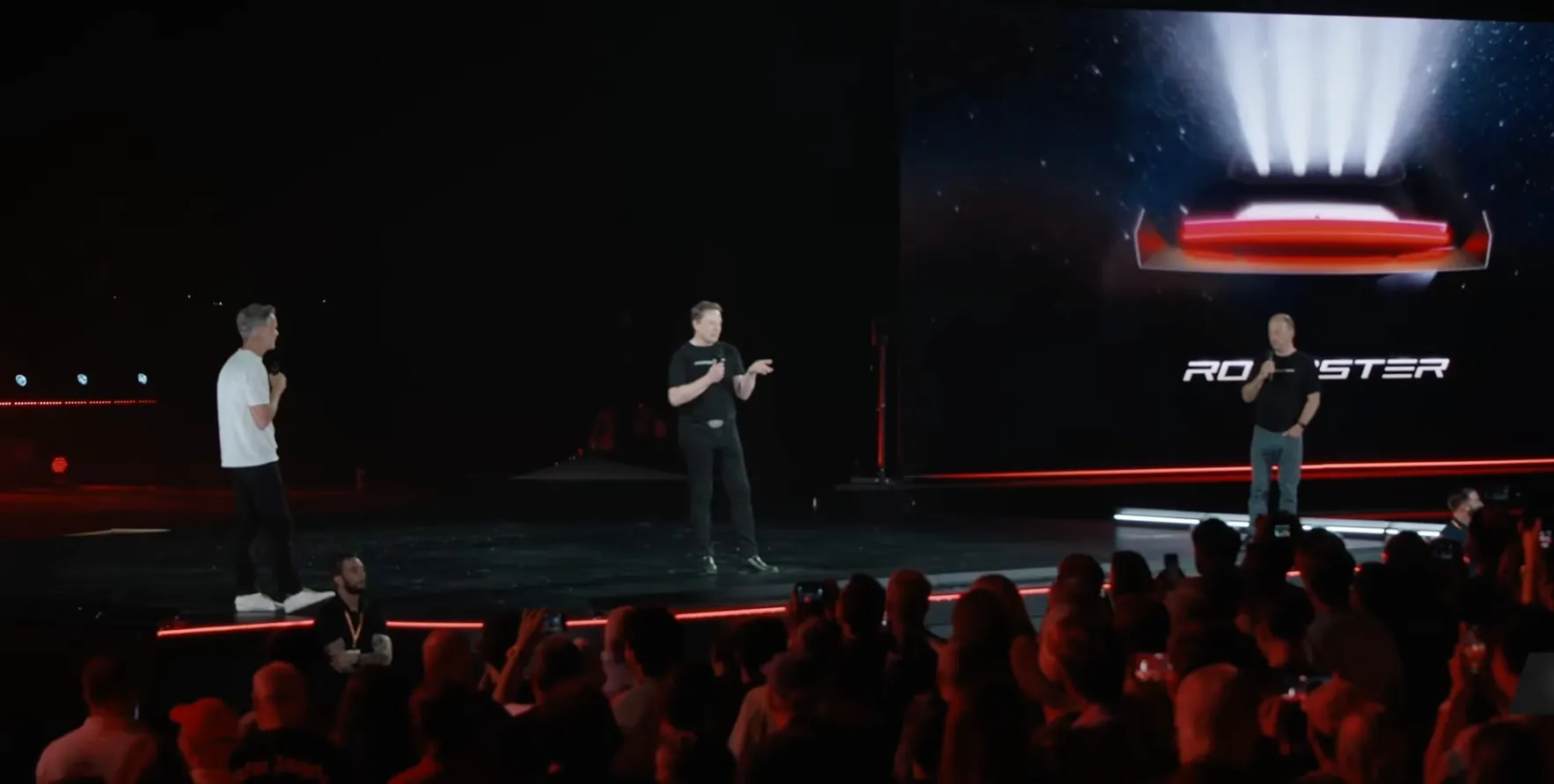
Moravy, Tesla’s vice president of vehicle engineering, explained the reasoning behind the design during a technical walkaround with Hagerty presenter Henry Catchpole.
“Aluminum can. And the reason for that is twofold. One, it’s lighter. The other one is it’s actually a little bit better at dissipating heat,” he said.
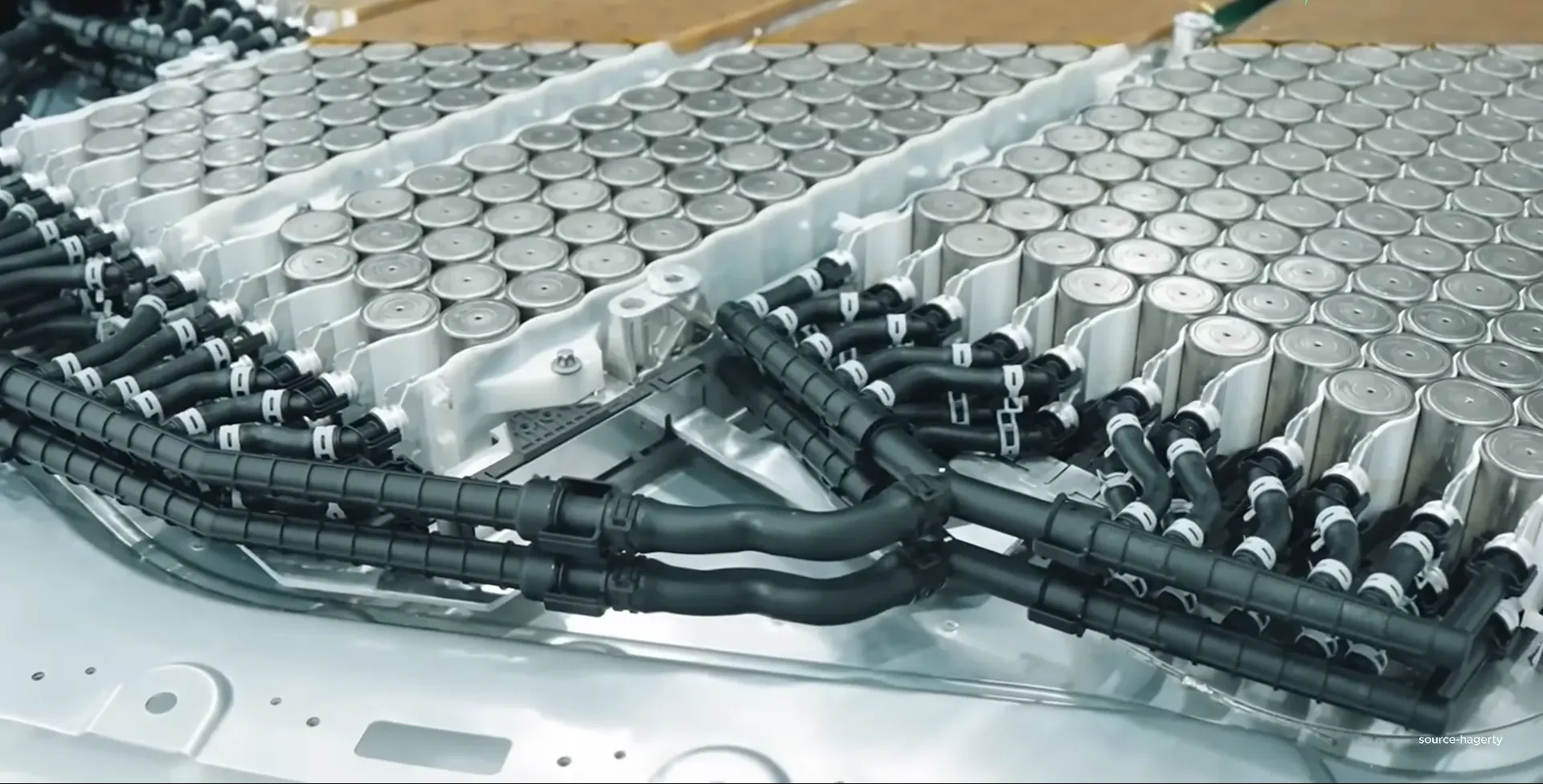
That might sound like a small detail, but shaving weight from thousands of individual battery cells could make a substantial difference to the finished car.
Tesla has also fitted the battery pack with a cooling system that removes heat from both sides of the cells.
As The Electric Viking explained, coolant passes through the pack in a single direction, helping prevent some cells from getting warmer than others.
It’s all designed to keep temperatures under control when the Roadster is pushed hard, particularly on a race track, or when it’s going upside down.
Moravy explained that Tesla wants the Roadster to maintain its power output throughout demanding driving sessions, rather than forcing drivers to slow down as the battery heats up.
“We’re hoping then that that means you get, you know, 25-30 minutes of unlimited track performance, and you come back and recharge,” he said during the Hagerty interview.
Related

The Tesla Roadster’s charging time
So, just how quickly could Tesla’s new EV get back on the road?
According to the YouTuber’s breakdown, Tesla is targeting a charge from 15 to 80 percent in around 10 minutes.
That would make it the fastest-charging battery Tesla has built so far, although the figure remains a target rather than a result independently demonstrated on a production car.
The Roadster uses an 800-volt electrical architecture, and its battery has been engineered to handle the high power needed for rapid charging.
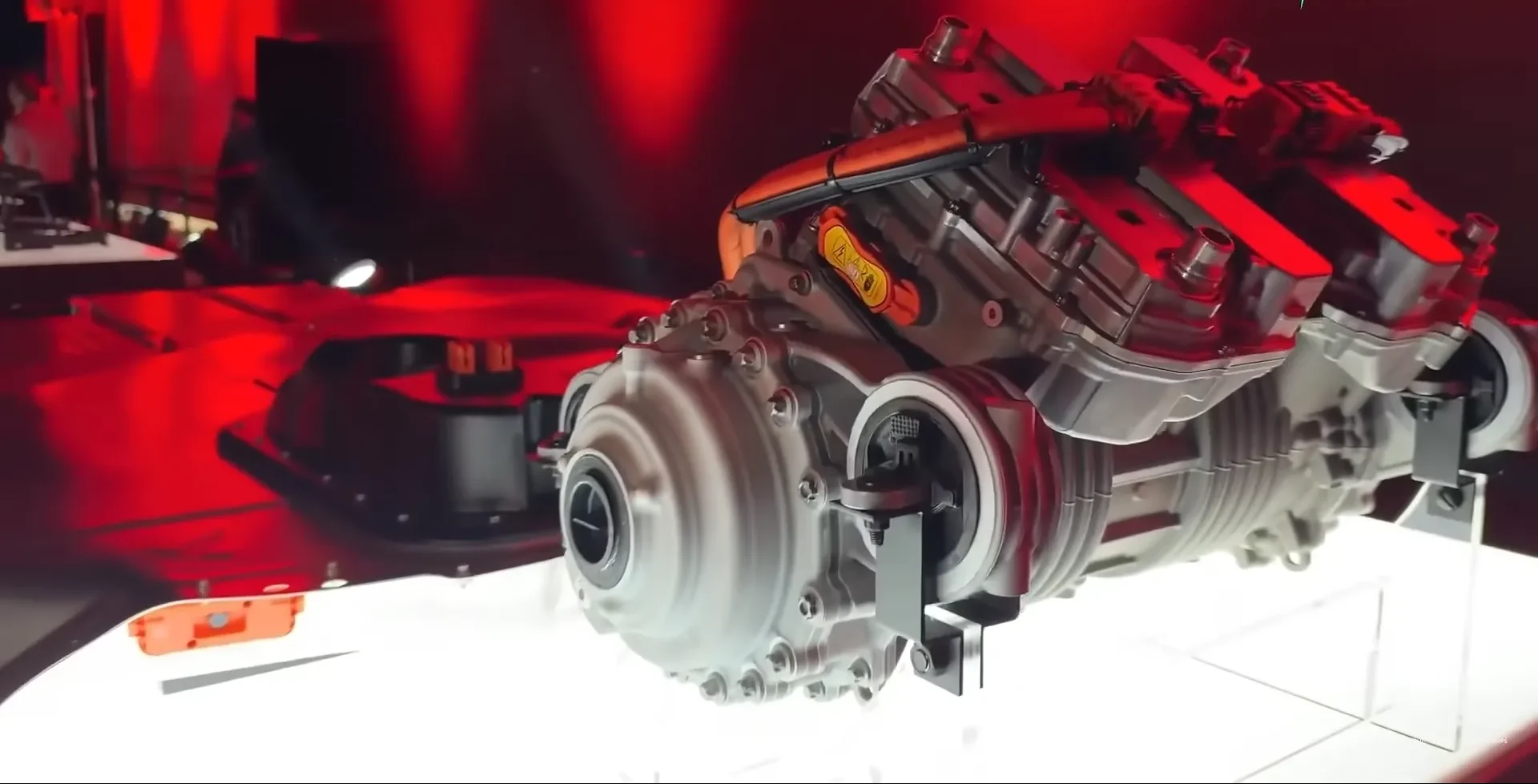
The interesting part is that Tesla may not need to introduce an entirely new generation of megawatt chargers to achieve its goal.
Tesla hasn’t revealed the battery pack’s capacity yet, so there are still some important details missing.
The company does, however, claim the new highly anticipated Roadster will deliver more than 300 miles of range, giving drivers plenty of distance to play with between charging stops.
Tesla wants drivers to spend longer on the track
Fast charging is particularly important for a car designed to deliver extreme performance.
Electric cars can lose power when their batteries get too hot during repeated hard acceleration or demanding track sessions. Tesla is aiming to tackle that problem with its new battery design and improved cooling system.
According to the Electric Viking, Tesla is targeting 25 to 30 minutes of flat-out track driving without power fading.
That would mean drivers could push the Roadster hard, recharge during a short break and get back out on the circuit without spending ages waiting beside a charging station.
Tesla has also focused on reducing weight elsewhere in the car, including using a titanium upper battery plate instead of steel.
The company has given a preliminary weight target of less than 1,700 kg (around 3,750 lbs), although final specifications have yet to be confirmed.
The engineer also said Tesla had made weight reduction a priority, estimating the car would weigh just under 1,700 kilograms, though final figures were still being worked out.
“Driver’s cars aren’t 2,000 kilos. Not even 1,800 kilos,” he explained.

The new Roadster is still in the prototype stage, with production potentially expected in 2028, and until then, its headline-grabbing charging target will have to wait for a real-world test.
If Tesla can deliver on its promises, though, the Roadster could show how improved battery technology can make high-performance electric cars more practical, both on the road and on the track.
Daisy is a technology and automotive journalist covering artificial intelligence, consumer tech, Apple news, cryptocurrency, emerging technologies, and transportation innovation. Since joining the team in 2025, she has reported on everything from AI-powered startups and major iOS updates to viral car stories and the latest developments shaping transportation and the digital economy. Drawing on her background in automotive journalism and a degree in History and Journalism from Goldsmiths, University of London, Daisy specializes in breaking down complex topics into clear, engaging reporting for a global audience. Her work spans cutting-edge technology, innovative vehicles, and the people driving change across both industries. Daisy has gained first-hand access to some of the world's most talked-about technologies and innovators, including meeting Tesla's Optimus humanoid robot during its first European appearance in London. She has also discussed the future of space exploration with an astronaut, bringing unique insights and real-world perspectives to her coverage of emerging technology.




