Italian automaker Kimera unveils its first new-from-the-ground-up supercar, and it has a Koenigsegg engine
Published on May 18, 2026 at 6:03 AM (UTC-4)
by Alessandro Renesis
Last updated on May 18, 2026 at 6:04 AM (UTC-4)
Edited by
Mason Jones
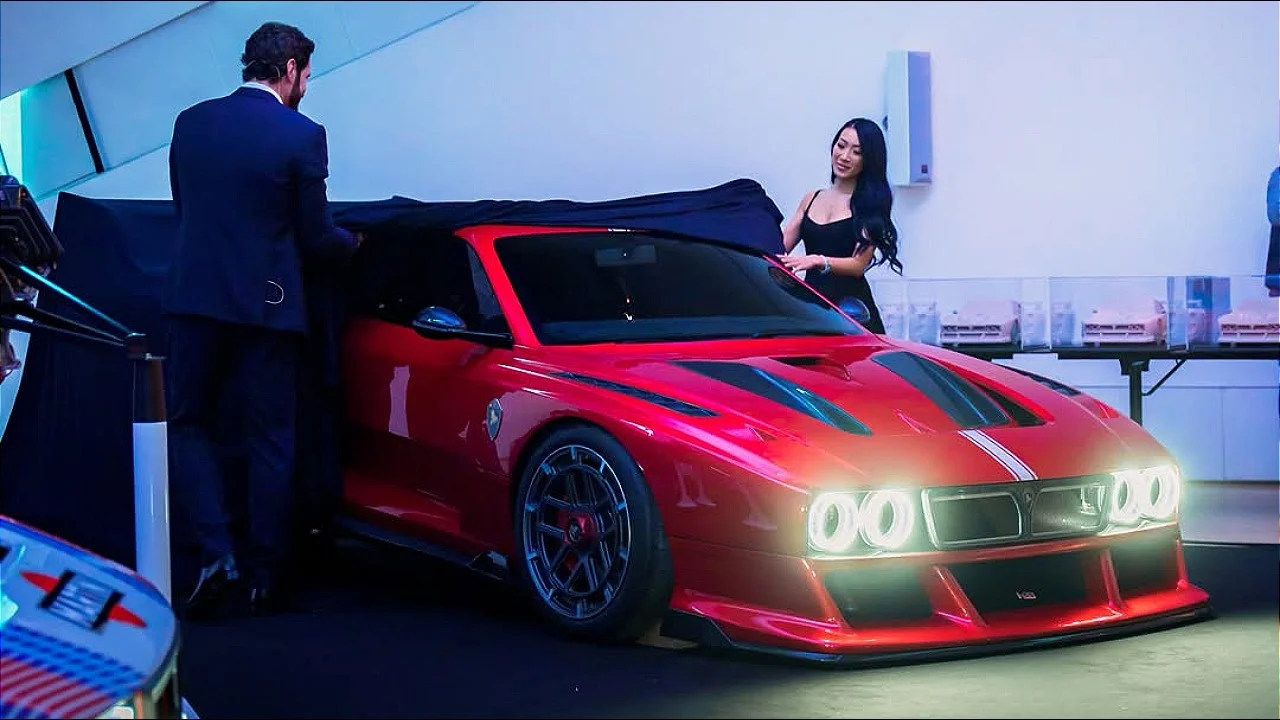

After launching two restomods, Italian automaker Kimera just unveiled its first all-new supercar, and it uses a Koenigsegg engine.
Unlike its predecessors, the new vehicle isn’t built on a donor chassis.
And obviously the engine is a lot bigger.
But there’s a reason why it is actually less powerful than it could potentially be.
It all started with a tribute to the Lancia’s rally icons
The first vehicle Kimera ever launched was called the EVO37, followed by the EVO38 shortly thereafter, a modern-day tribute to the Lancia 037 and the Lancia SE038 respectively.
The 037 conquered the World Rally Championship (WRC) in the 1980s.
In the 1980s, Audi was winning every race, but Lancia ended that dominance with the 037, which remains the last RWD car to win the WRC.
Originally unveiled nearly two years ago, the EVO38 was a relatively lightweight sports car with over 500 horsepower.
Not bad, but the Italian automaker thought it could do better.
And so it did.
The new Kimera uses a Koenigsegg heart
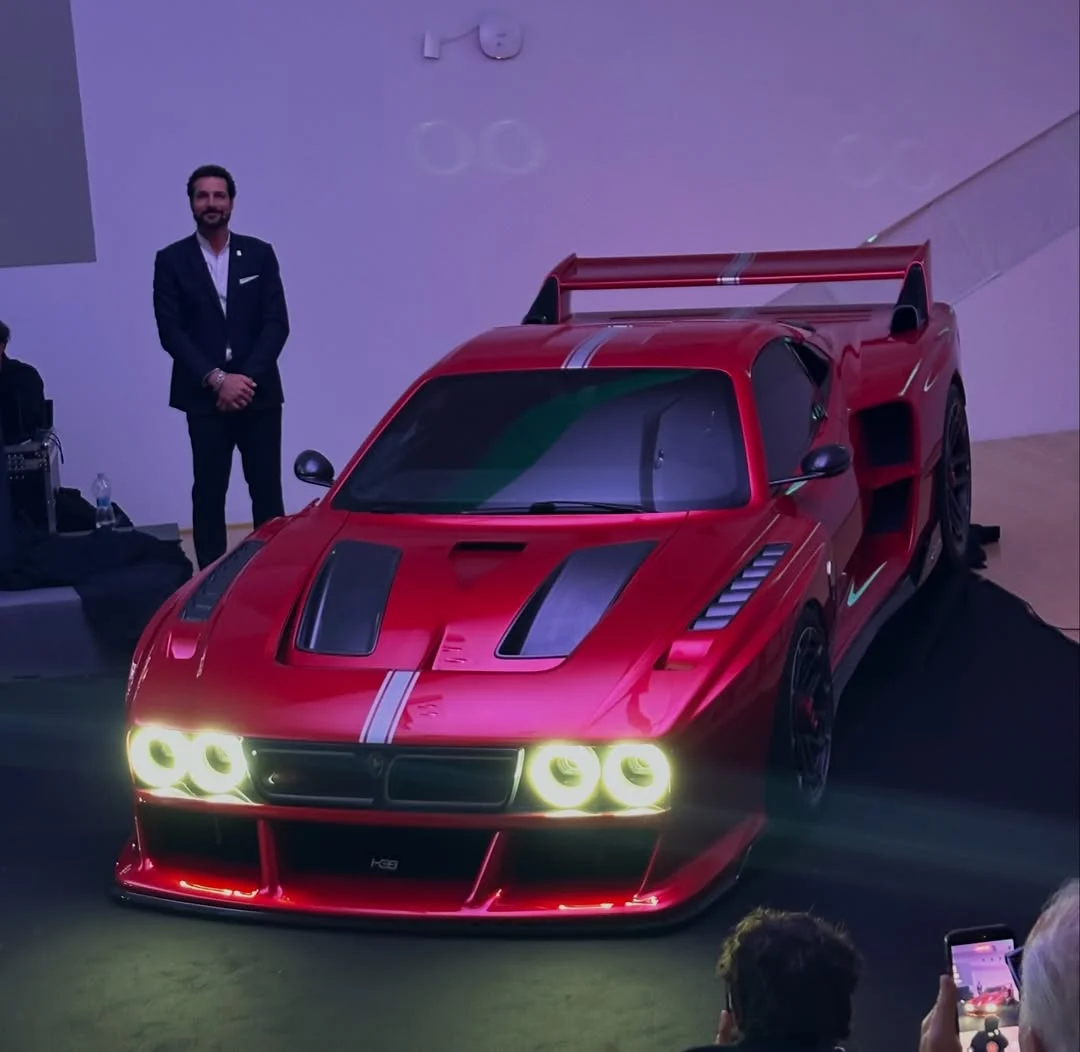
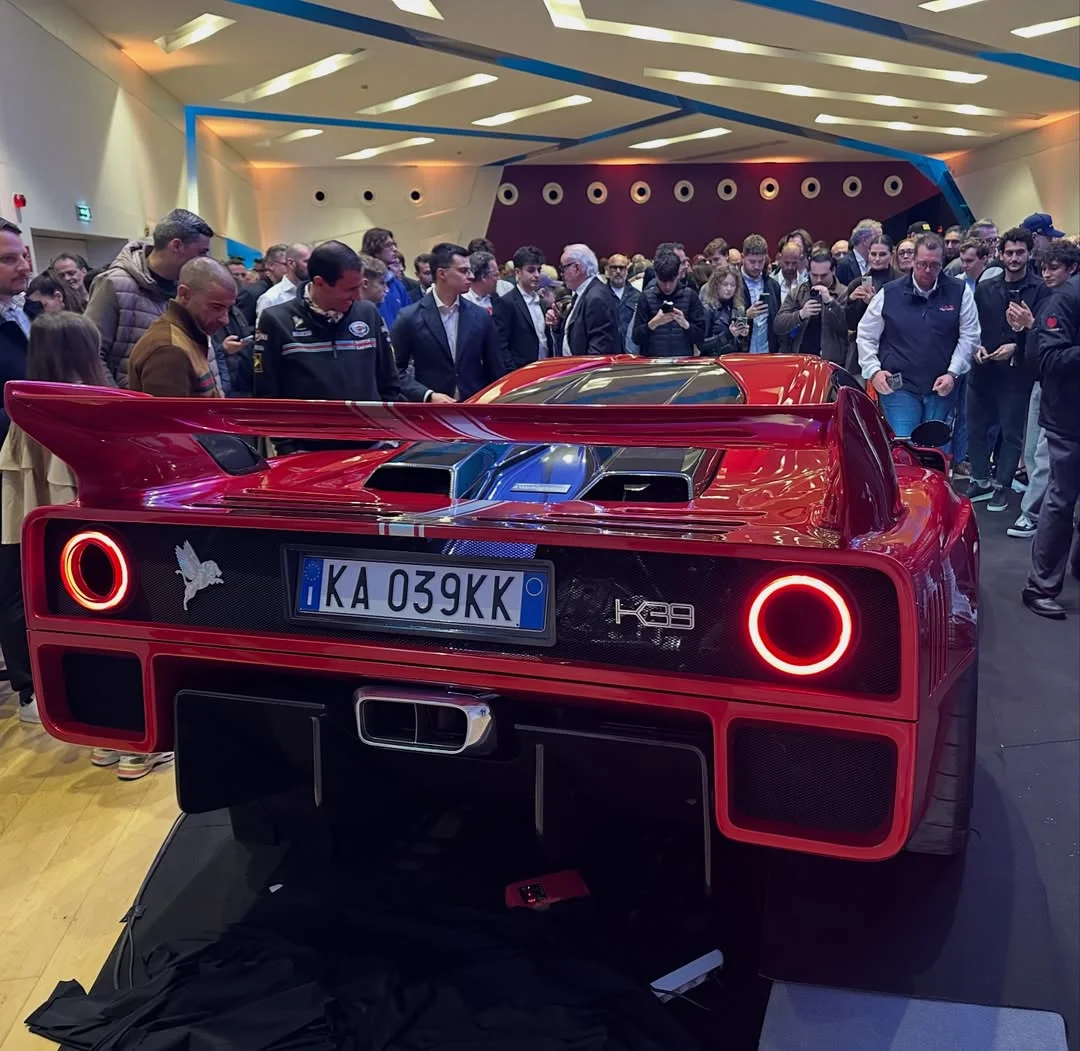
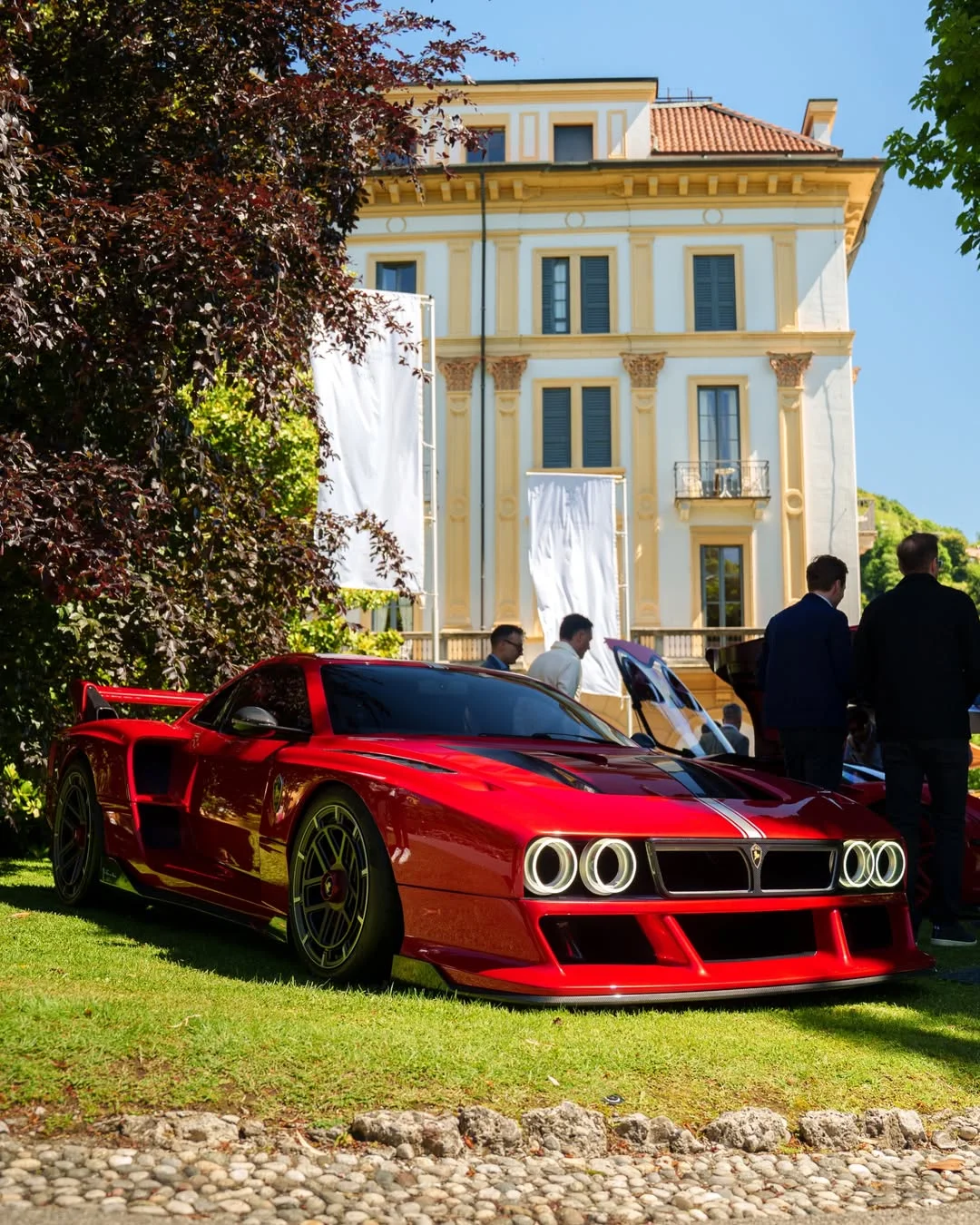
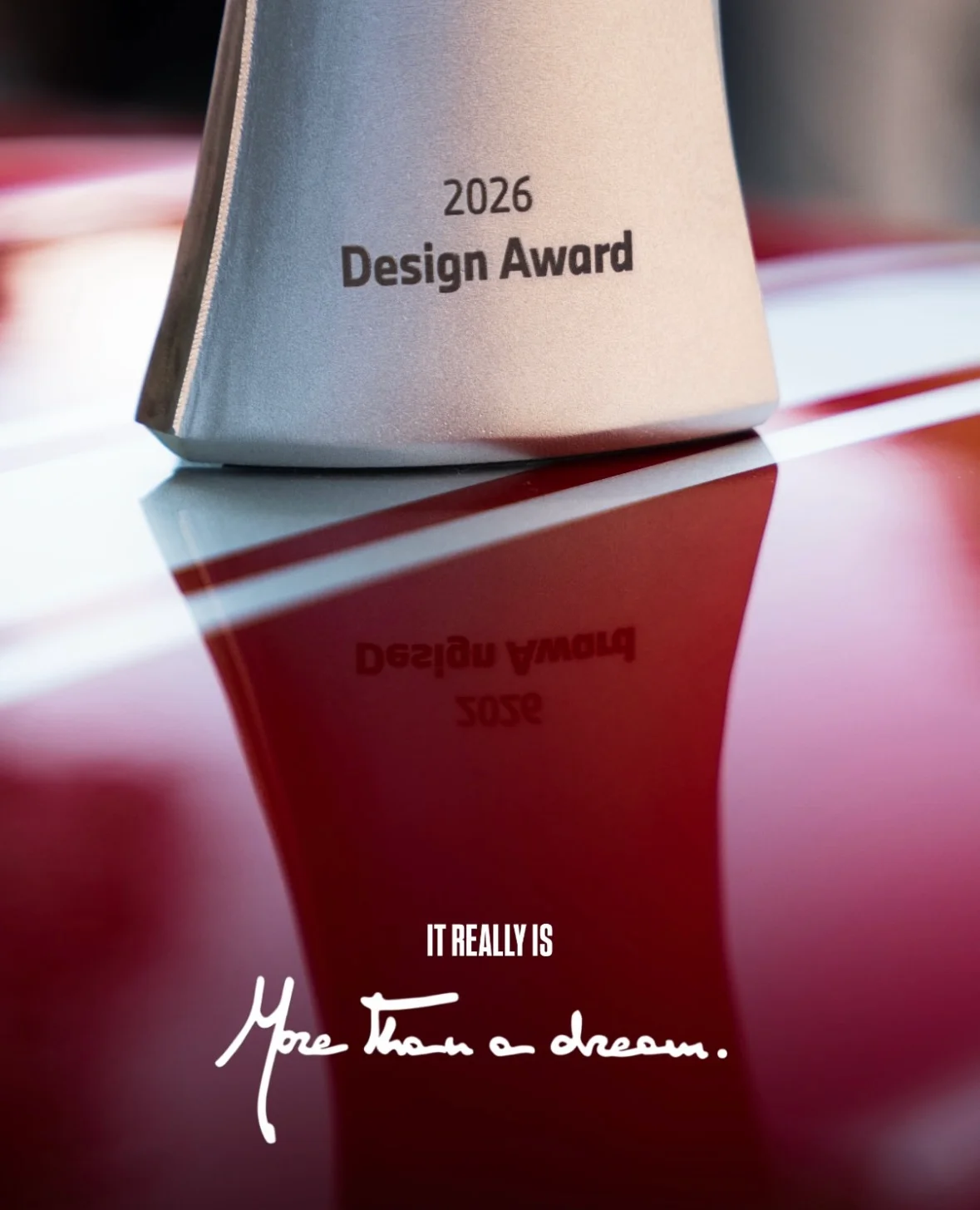
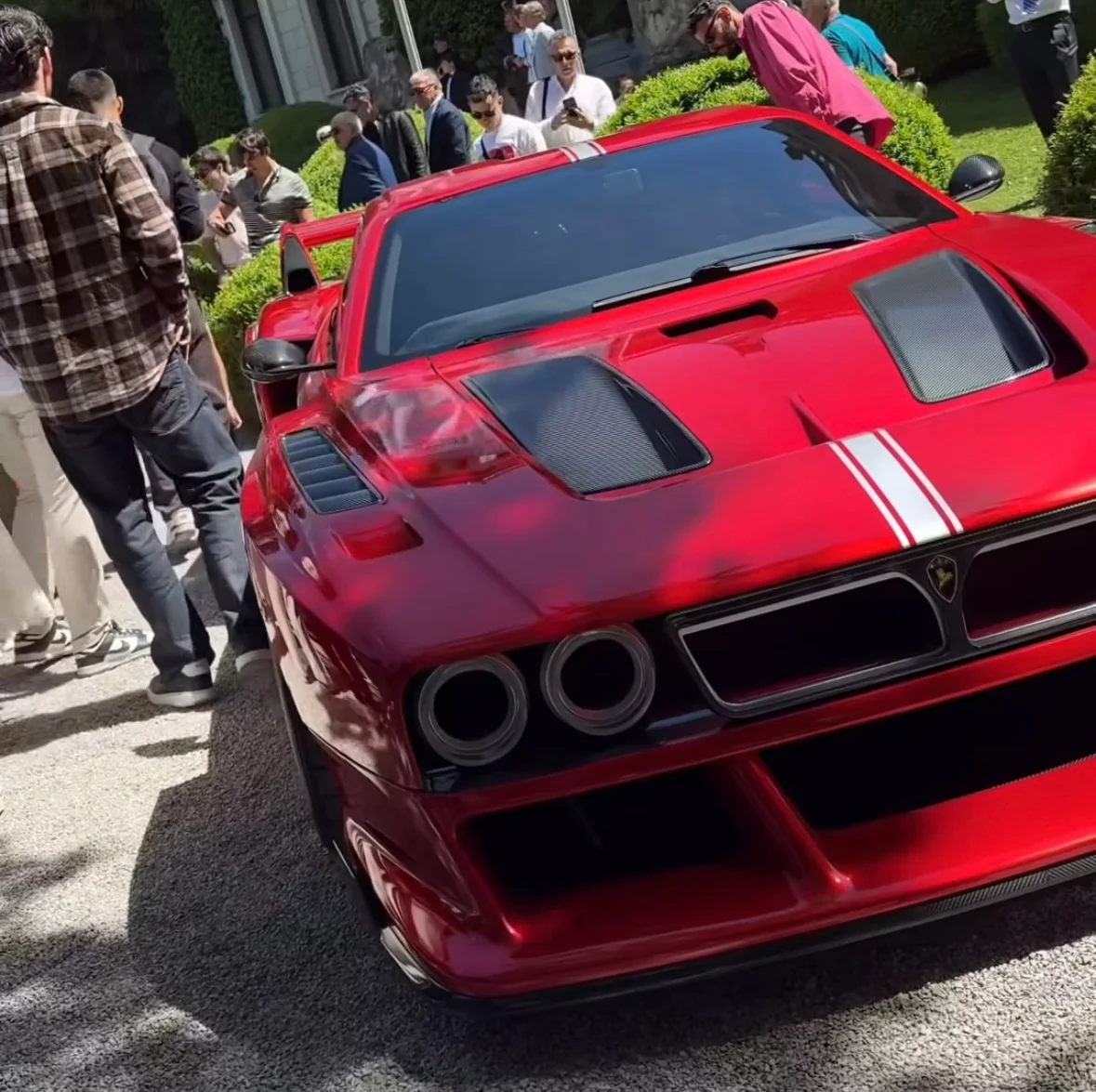
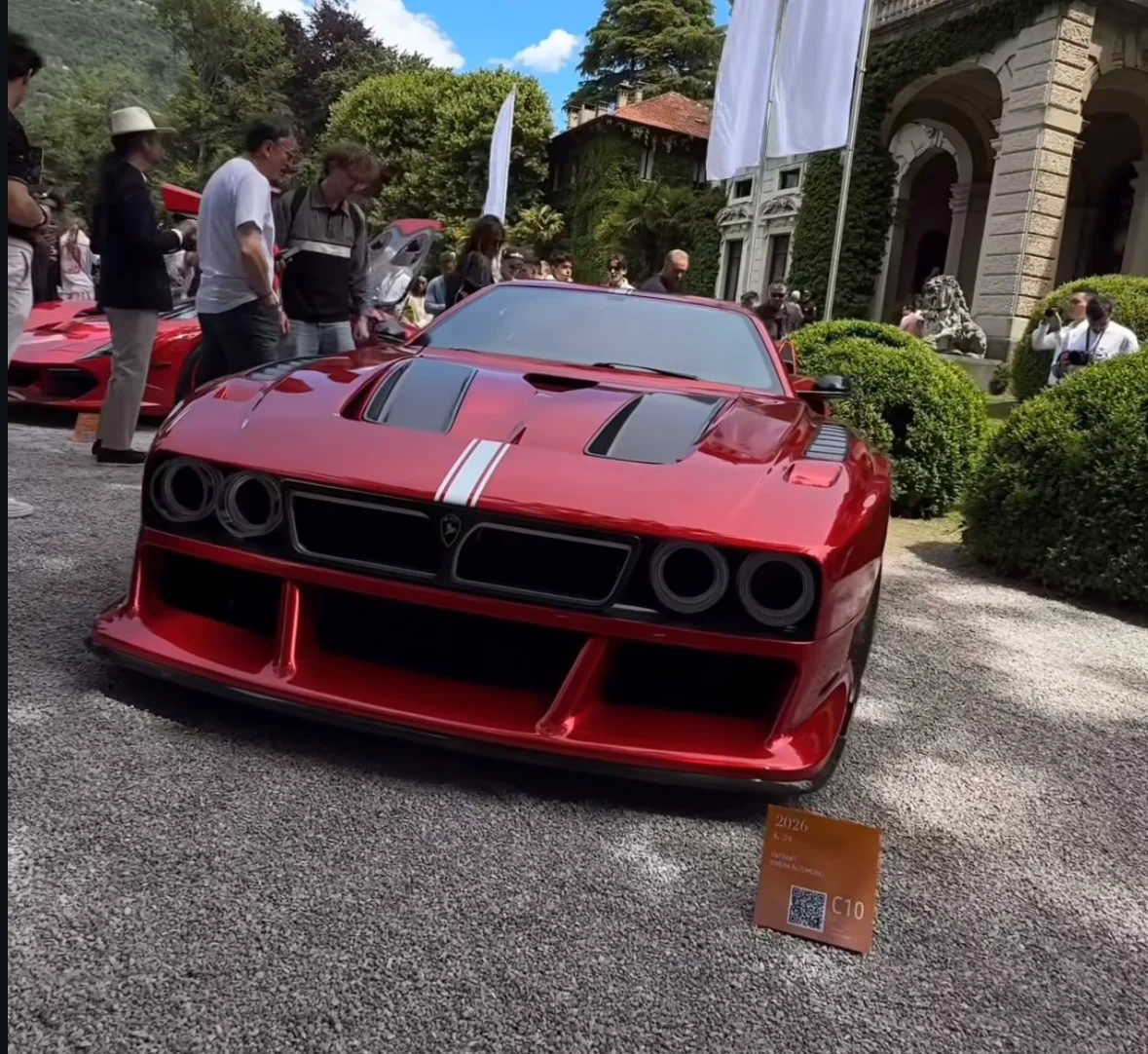
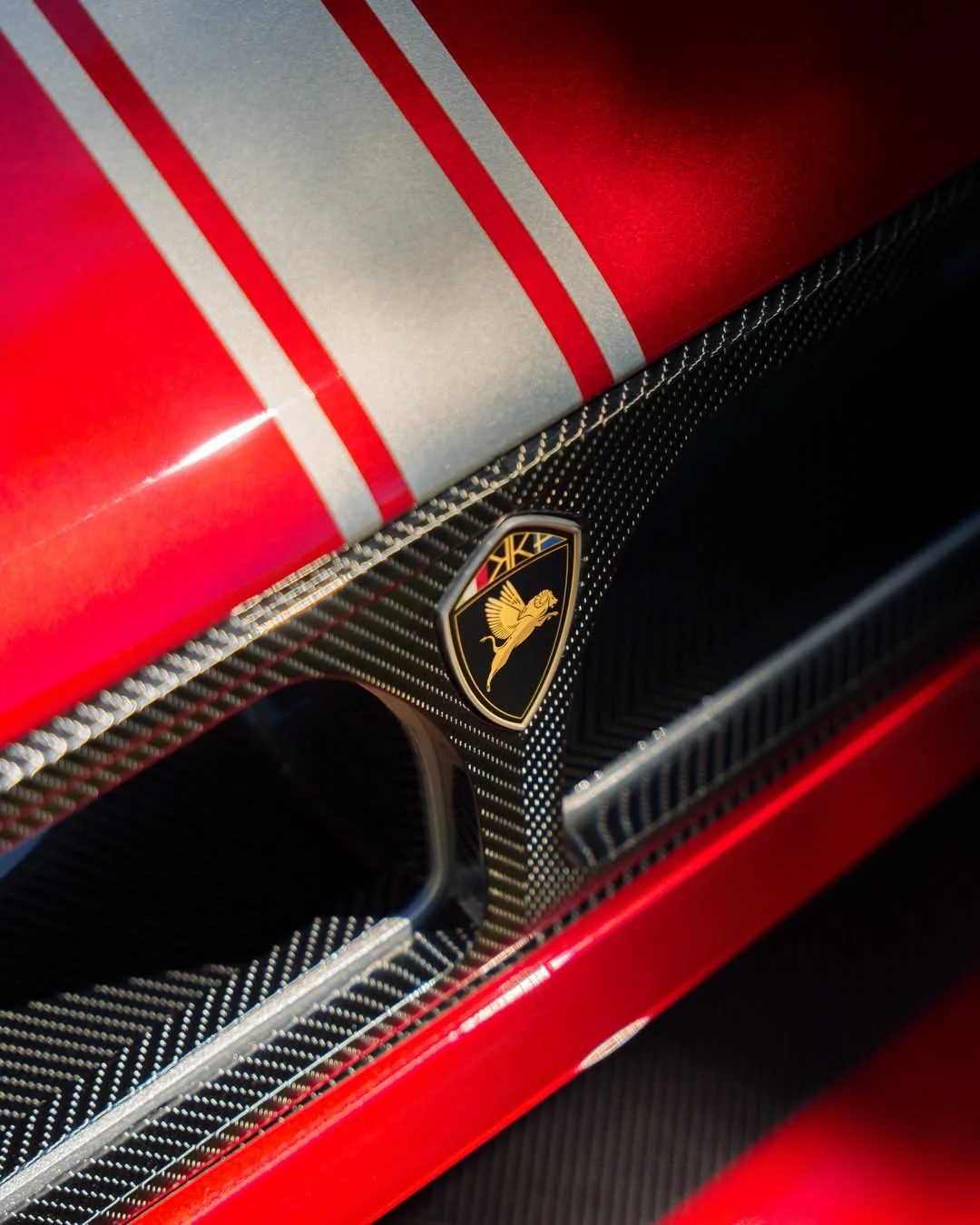
Unveiled at this year’s Villa d’Este, where it also won a design award, the new K39 follows the same design language as its predecessors, and it is still, in part, a tribute to the Lancia 037.
But there are several things worth noting.
The first thing to remember is that this was built from the ground up.
Unlike the EVO37/38 which used modified donor chassis cells, the K-39 is the marque’s first completely original, clean-sheet supercar built around a bespoke carbon fiber monocoque.
But the key difference is the powertrain.
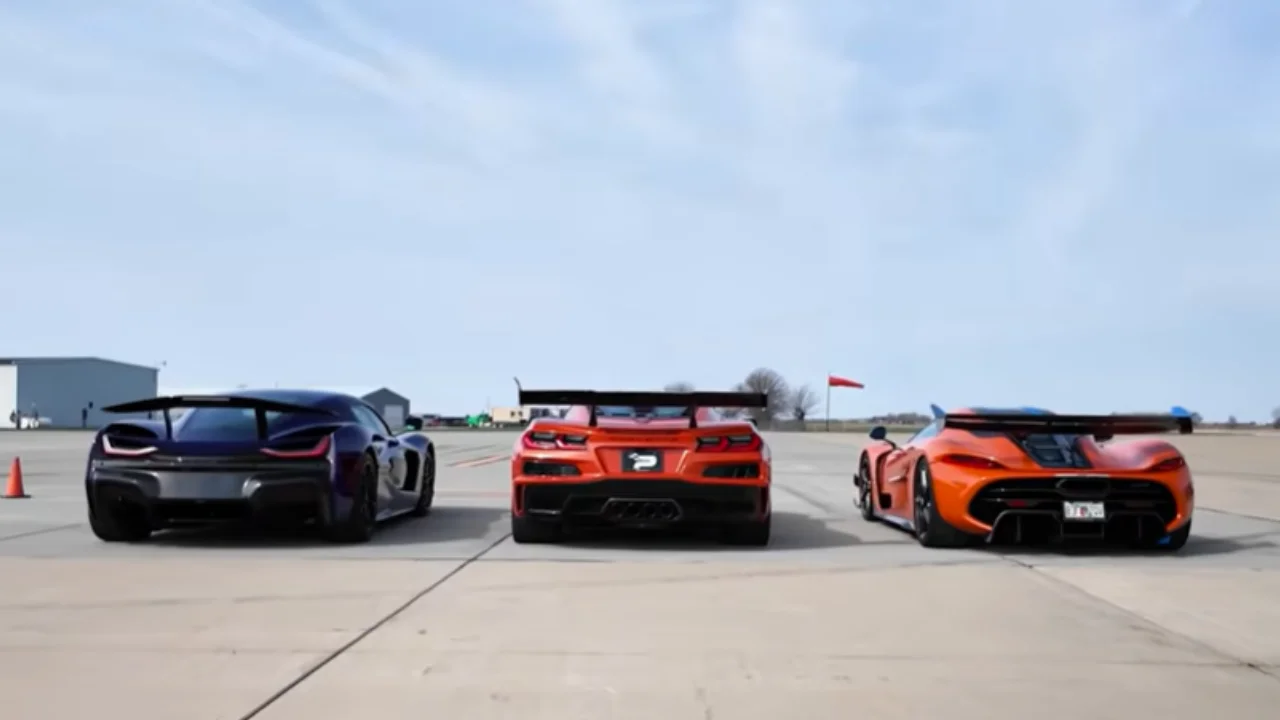
Developed by Koenigsegg, it’s the same 5.0-liter twin-turbo V8 as the Jesko, but it’s a lot less powerful.
Ordinarily, the Jesko makes up 1,600hp on E85 ethanol fuel, but the K39’s engine ‘only’ makes 1,000 horsepower.
This is by design, mainly because this supercar is a lot smaller, lighter, and nimbler (1,100 kg) than the Jesko.
Also, and you’re going to love this, it uses a manual transmission.
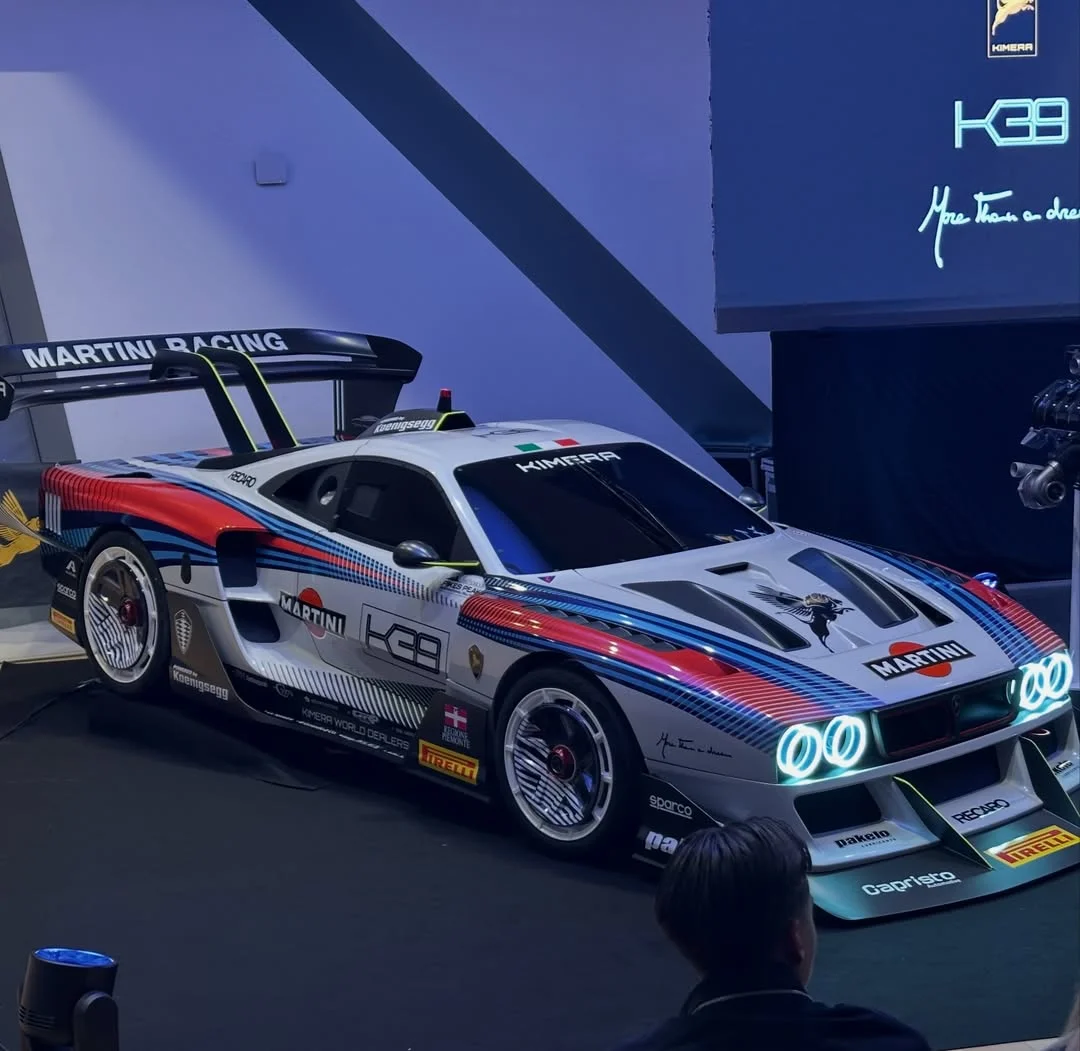
The manufacturer also plans to race the car around Pikes Peak in 2027, which explains the Martini-liveried track-ready version that they also unveiled.
Production numbers are TBD, but we’re sure they won’t make more than 100.
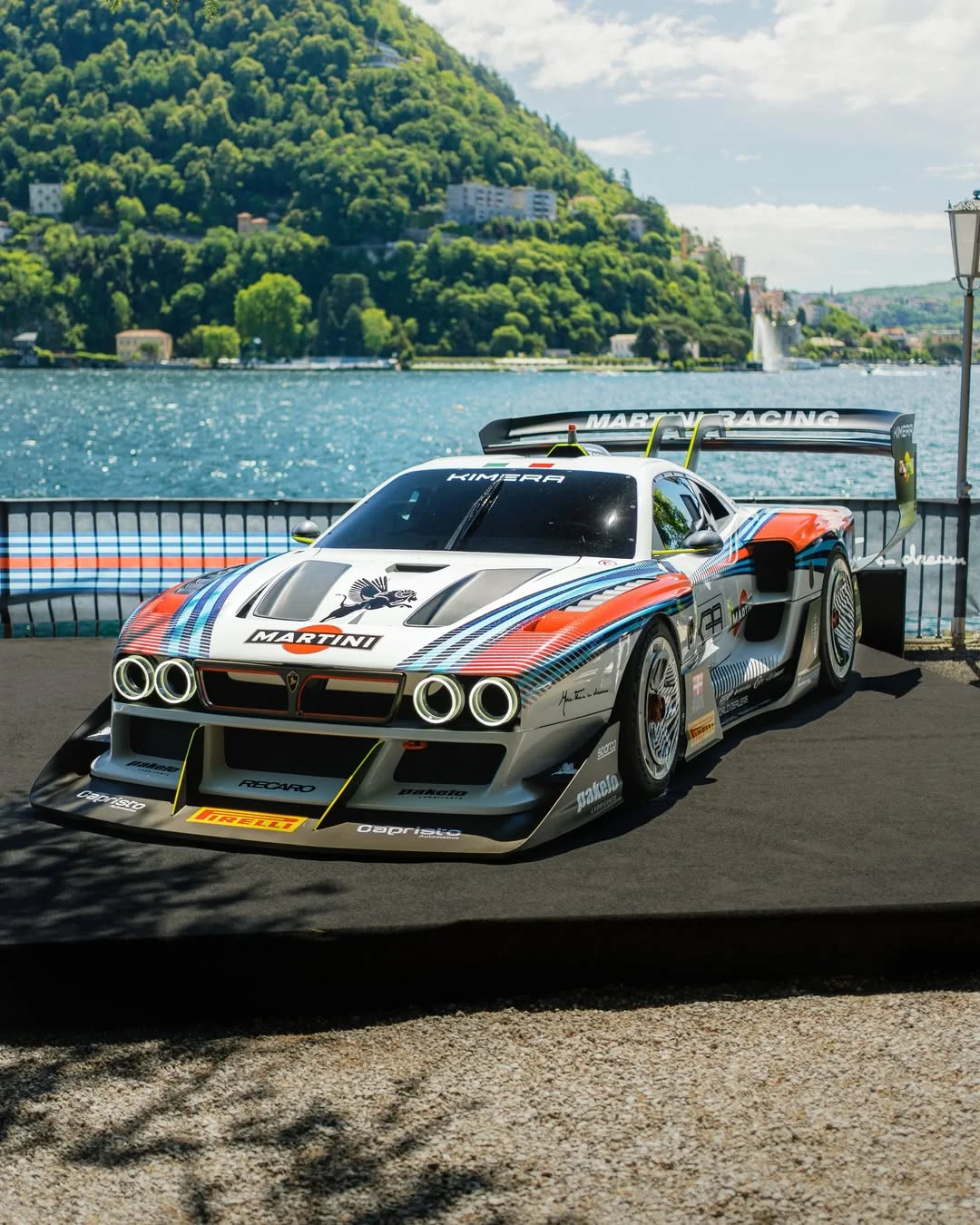
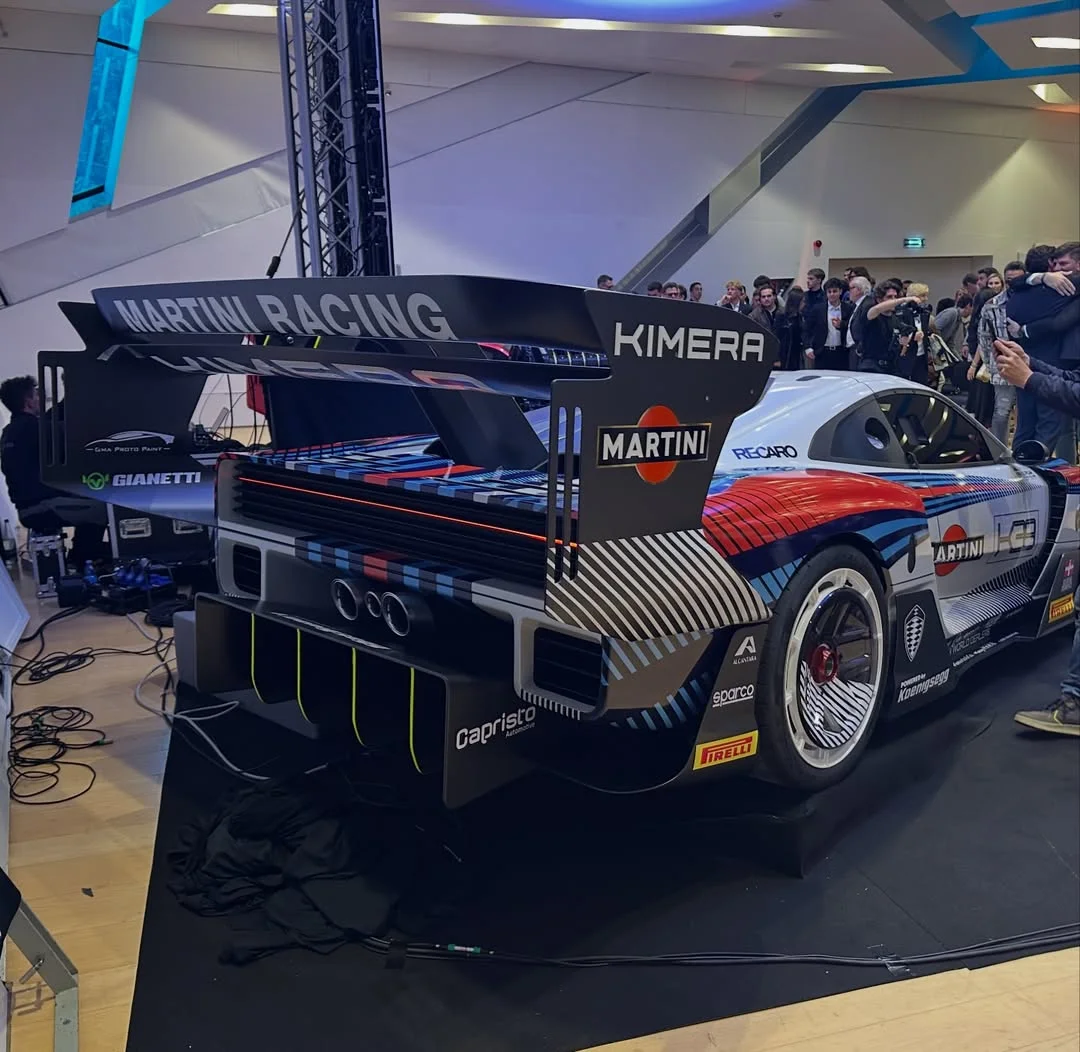
What we do know is that 20 were instantly spoken for before the public even saw it.
And the price, presumably, is a seven-figure sum.
Alessandro is an automotive journalist with 10 years of experience covering supercars, automotive history, emerging vehicle technology, and luxury transportation. He wrote the first article published on SupercarBlondie.com when the website launched in 2022 and has since built a reputation for insightful reporting across the automotive and transportation industries. His expertise is grounded in hands-on experience. Alessandro has driven every Tesla model ever produced, from the original Roadster to the Cybertruck, and regularly covers the latest developments in electric vehicles and automotive innovation. His passion for transportation extends beyond cars, he has even flown a Boeing 787 Dreamliner simulator in Addis Ababa, Ethiopia. His reporting spans everything from classic American muscle cars and rare automotive discoveries to luxury yachts, private aircraft, high-end watches, and cutting-edge vehicle technology. Known for his deep knowledge of automotive history and ability to uncover the stories behind iconic vehicles, Alessandro brings readers a blend of historical context, technical expertise, and first-hand experience.