Japan discovers metal that could drastically change the world in $107,000,000,000 mission
Published on Feb 27, 2026 at 3:17 PM (UTC+4)
by Daisy Edwards
Last updated on Feb 27, 2026 at 6:37 PM (UTC+4)
Edited by
Amelia Jean Hershman-Jones

Japan has discovered a brand-new metal that could drastically change the world in a $107,000,000,000 mission to supercharge clean energy.
The huge government-backed investment into hydrogen is already turning heads, and now scientists say they have found a breakthrough hiding in plain sight.
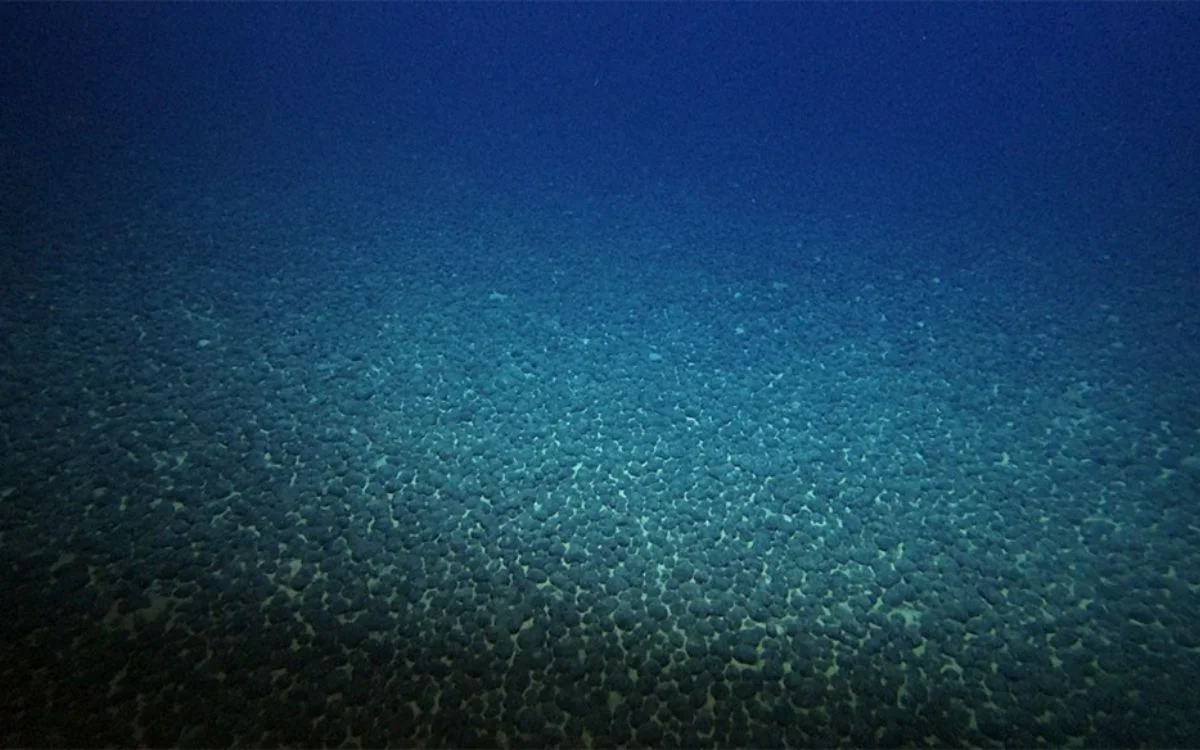
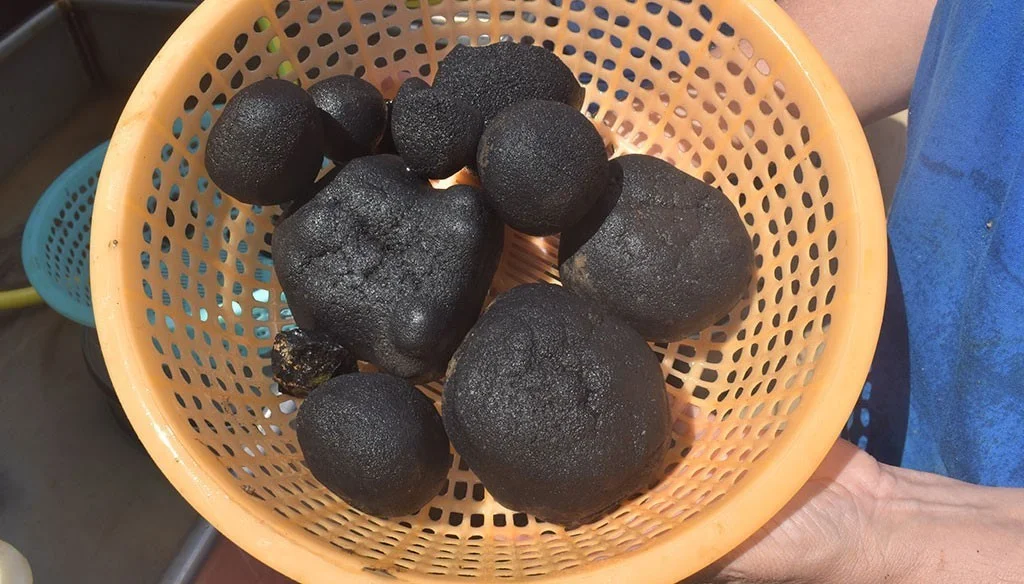
Deep on the seabed of the Pacific Ocean, researchers uncovered vast deposits of nodules packed with valuable metals.
But it is what they have done with those brand-new metals that could truly flip the global energy game on its head forever.
EXPLORE SBX CARS – Supercar auctions starting soon powered by Supercar Blondie
Japan discovers a brand new metal
We know what you’re thinking: wait, they can still find new metals?
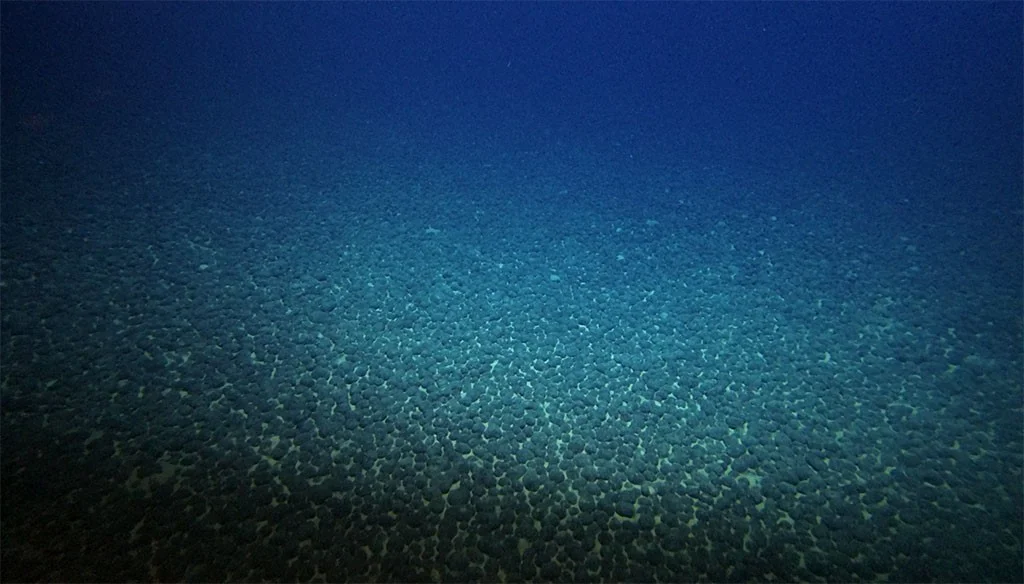
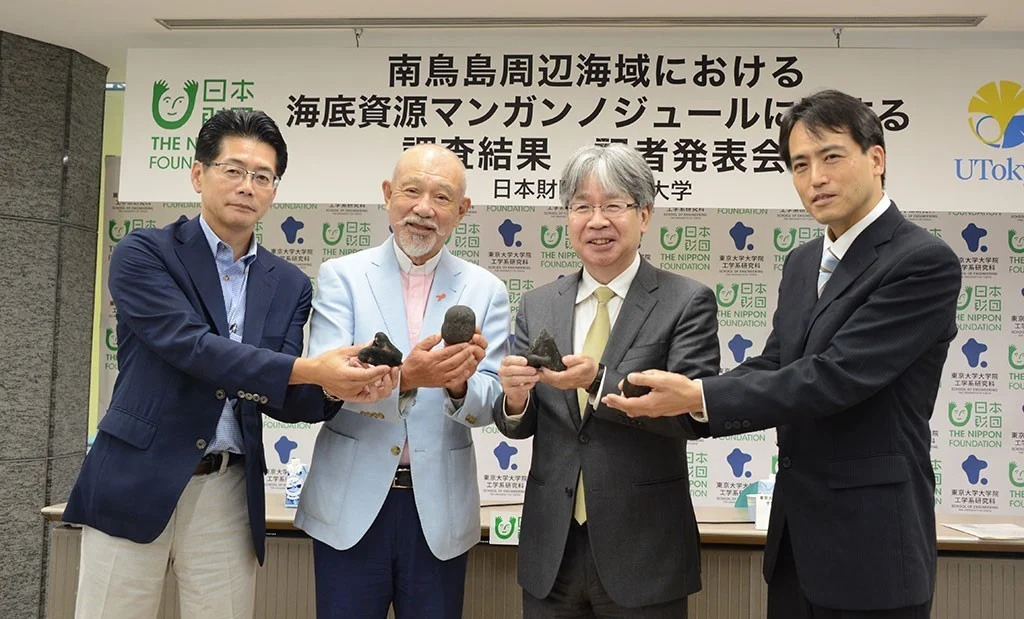
The discovery traces back to the seabed near Minami-Tori-shima island, where enormous fields of metal-rich nodules sit around 5,700 meters below the surface.
These rocks contain manganese alongside cobalt and nickel, which are key ingredients in tech production and green energy, and the total resource has been valued in the tens of billions.
While that alone is impressive, researchers focused on transforming manganese into a powerful ingredient for hydrogen production.
By tweaking its microscopic structure, scientists developed a material capable of dramatically improving performance inside proton exchange membrane electrolyzers that are used in the production of clean hydrogen.
A quick history of EV batteries
1859: Invention of the lead-acid battery by Gaston Planté—used in early electric carriages
1899: Camille Jenatzy’s electric car, using lead-acid batteries, sets a land speed record of 65 mph
1960s: Nickel-cadmium (NiCd) batteries provide better energy density but are costly
1991: First commercial lithium-ion battery developed by Sony—revolutionizing portable tech
1996: GM EV1 uses advanced lead-acid and nickel-metal hydride (NiMH) batteries in prototypes
2008: Tesla Roadster launches with lithium-ion cells—first car to use laptop-style battery packs
2012: Tesla Model S refines battery cooling and packaging for longer range and safety
2015: Solid-state battery research accelerates, promising faster charging and higher energy density
2020: EV battery costs drop 89% in a decade, reaching ~$137/kWh, enabling mass-market EVs
2023: Panasonic, CATL, and others begin testing next-gen ‘4680’ cell designs for higher performance
Early findings suggest the upgraded manganese catalyst can boost hydrogen output far beyond traditional materials that rely on rare and expensive metals like platinum and iridium.
If it works, that means cheaper hydrogen, faster production, and far less reliance on limited global resources.
Click the star icon next to supercarblondie.com in Google Search to stay ahead of the curve on the latest and greatest supercars, hypercars, and ground-breaking technology
It could change the world and clean energy forever

Japan’s $107,000,000,000 hydrogen strategy is all about reaching carbon neutrality while becoming a global leader in next-generation fuel.
Hydrogen has long been seen as a clean alternative for powering cars, aircraft, heavy industry, and even entire power grids, but cost has always been the sticking point.
This manganese breakthrough could be the missing piece.
More efficient catalysts reduce the price of producing green hydrogen, which is created using renewable electricity and water.
Lower costs open the door to widespread adoption across transport, manufacturing, and energy storage.
If the technology scales at industrial levels, Japan’s deep-sea discovery may become one of the most important clean-tech and clean energy developments of the decade.
A humble metal found on the ocean floor could help power everything from future hypercars to entire cities, and that is a seriously exciting idea.
DISCOVER SBX CARS: The global premium car auction platform powered by Supercar Blondie