Japan is quietly building a hypersonic aircraft so fast it'd fly passengers 2,500mph faster than America's Concorde successor
Published on May 22, 2026 at 7:37 AM (UTC-4)
by Ben Thompson
Last updated on May 25, 2026 at 8:23 AM (UTC-4)
Edited by
Mason Jones
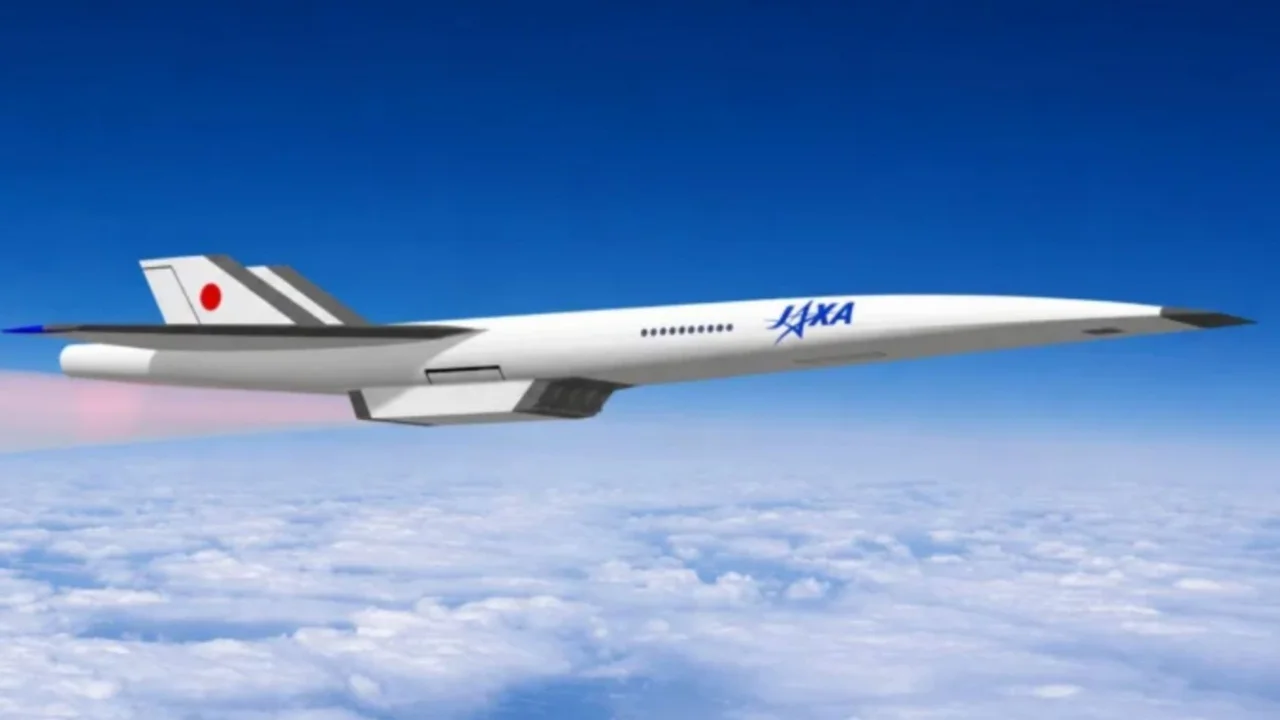

The race to create the Concorde successor is well and truly on, with Japan quietly developing a hypersonic aircraft that could easily outpace what America is offering.
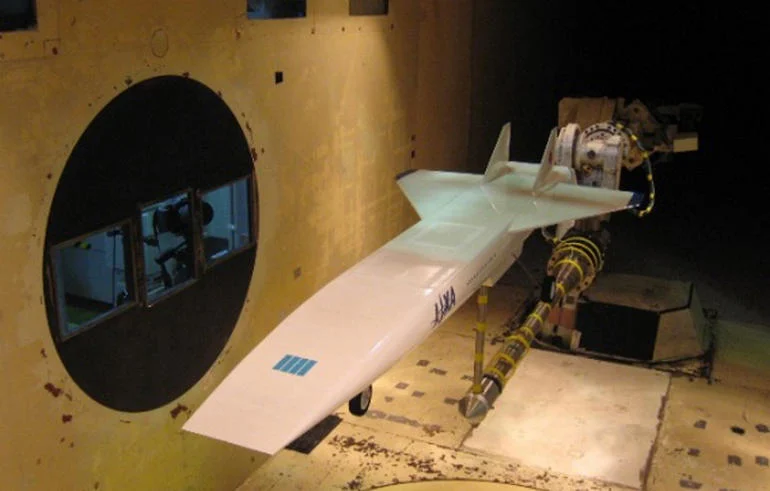
Researchers at JAXA’s Kakuda Space Center in Miyagi have been diligently carrying out the country’s first Mach 5 combustion test.
This comes after decades of research on high-speed propulsion.
And once you get wind of the figures attached to this project, you’ll be stunned.
Japan is entering the hypersonic aircraft aviation race with gusto
Using a hypersonic experimental aircraft, the team at JAXA (Japanese Aerospace Exploration Agency) achieved Mach 5.
This is approximately 3,800mph, which would be theoretically fast enough to fly from Tokyo to New York City in a mere one hour and 45 minutes.
That puts it faster than America’s highly anticipated Concorde successor – the Boom Supersonic Overture.
At a cruising speed of Mach 1.7, the Overture would take nearly two hours to fly from coast to coast in the US.
That is a remarkable achievement in of itself, but it is dwarfed by what JAXA has achieved.
JAXA’s test took place inside a ramjet engine testing facility, where flight conditions at Mach 5 were simulated.
This test proved that the aircraft’s thermal protection system and ramjet combustion could perform under the extreme conditions of hypersonic speed.
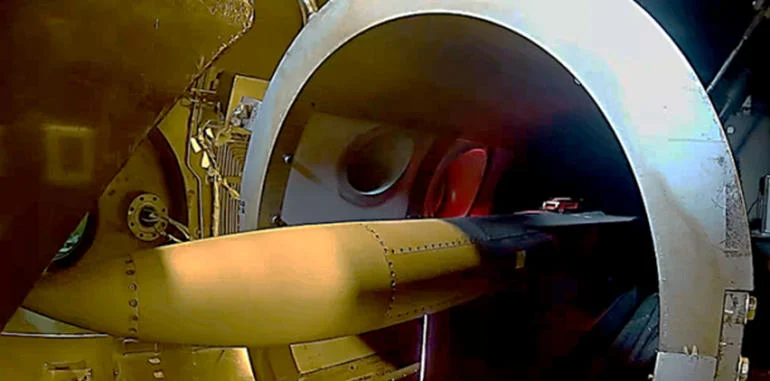
We’re talking about temperatures of 1,832°F.
What comes next?
Interesting Engineering speculated that the next phase could see the aircraft being mounted onto a sounding rocket for a real-world Mach 5 flight demonstration.
Related

Beating out the Concorde successor is no small feat
Ever since the Concorde was retired back in 2003, people across the aviation space have been vying to create its successor.
It’s certainly something that’s been in NASA’s sights for a long while, with its tireless work on the ‘boomless’ X-59.
It’s an exciting time for the aviation industry.
But let’s not pretend that the fastest civilian jets currently in flight are slow-pokes by any stretch either.
The return of the Concorde may look a lot different, but here’s hoping it brings back that special feeling.
Key milestones in Concorde’s supersonic story
1956: UK and France begin discussions for a supersonic passenger aircraft
1962: Official Anglo-French treaty signed to develop Concorde
1969: First Concorde prototype takes flight in Toulouse
1973: Concorde hits Mach 2 for the first time during testing
1976: First commercial flights launch with British Airways and Air France
1985: Concorde used for transatlantic VIP trips and iconic charters
1996: Fastest transatlantic crossing set—New York to London in 2h 52m
2003: Final commercial Concorde flight marks the end of supersonic travel
Ben joined Supercar Blondie in February 2025 after being published by international organizations including LADbible, The Sun, the New York Post, and the Daily Mail. He covers supercars, rare and collectible vehicles, aviation, luxury assets, and the fascinating people behind them. His reporting has explored everything from seven-figure supercars and historic Ferrari collections to unusual aircraft adventures and extraordinary automotive discoveries from around the world. Ben has also gained first-hand insight into vehicle craftsmanship and customization, including visiting specialist workshops to see bespoke vehicles up close.