Jeremy Clarkson once drove a Ford GT across France to see if it could be used as an everyday car
Published on Sep 26, 2025 at 6:53 AM (UTC-4)
by Alessandro Renesis
Last updated on Sep 26, 2025 at 10:08 AM (UTC-4)
Edited by
Ben Thompson
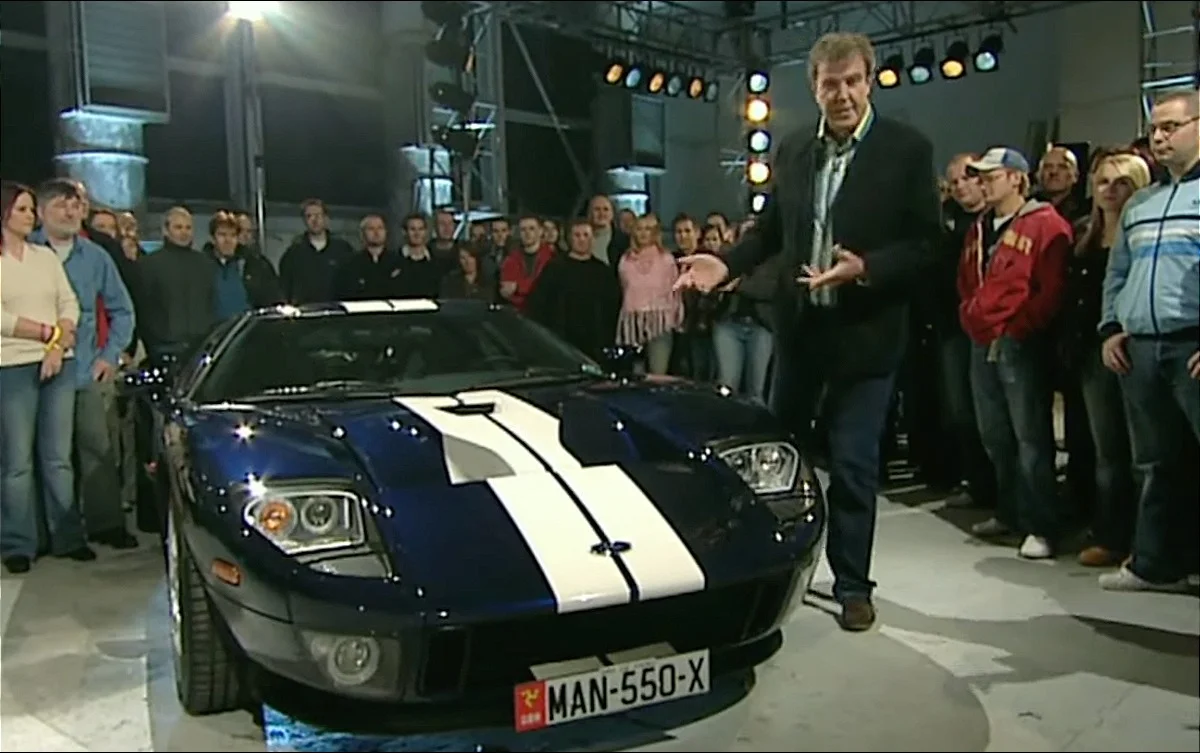

Jeremy Clarkson once drove a Ford GT across the UK and France – all the way from London to Paris – to see if a supercar like that could work as an everyday car, especially in a crowded city.
It didn’t go too well.
The Top Gear episode starring Jeremy Clarkson’s Ford GT also featured a Ferrari F430 and a Pagani Zonda.
The GT fared well but, for three reasons, using it as an everyday car in France was still a nightmare.
DISCOVER SBX CARS: The global premium car auction platform powered by Supercar Blondie
Why the Ford GT isn’t exactly ideal as an everyday car
In 2005, Jeremy Clarkson, James May and Richard Hammond drove three expensive supercars from London to Paris.
They left London, drove across to the UK to the Channel Tunnel, then drove across France all the way to Paris.
The goal was to prove that even extreme supercars could be used as everyday vehicles.
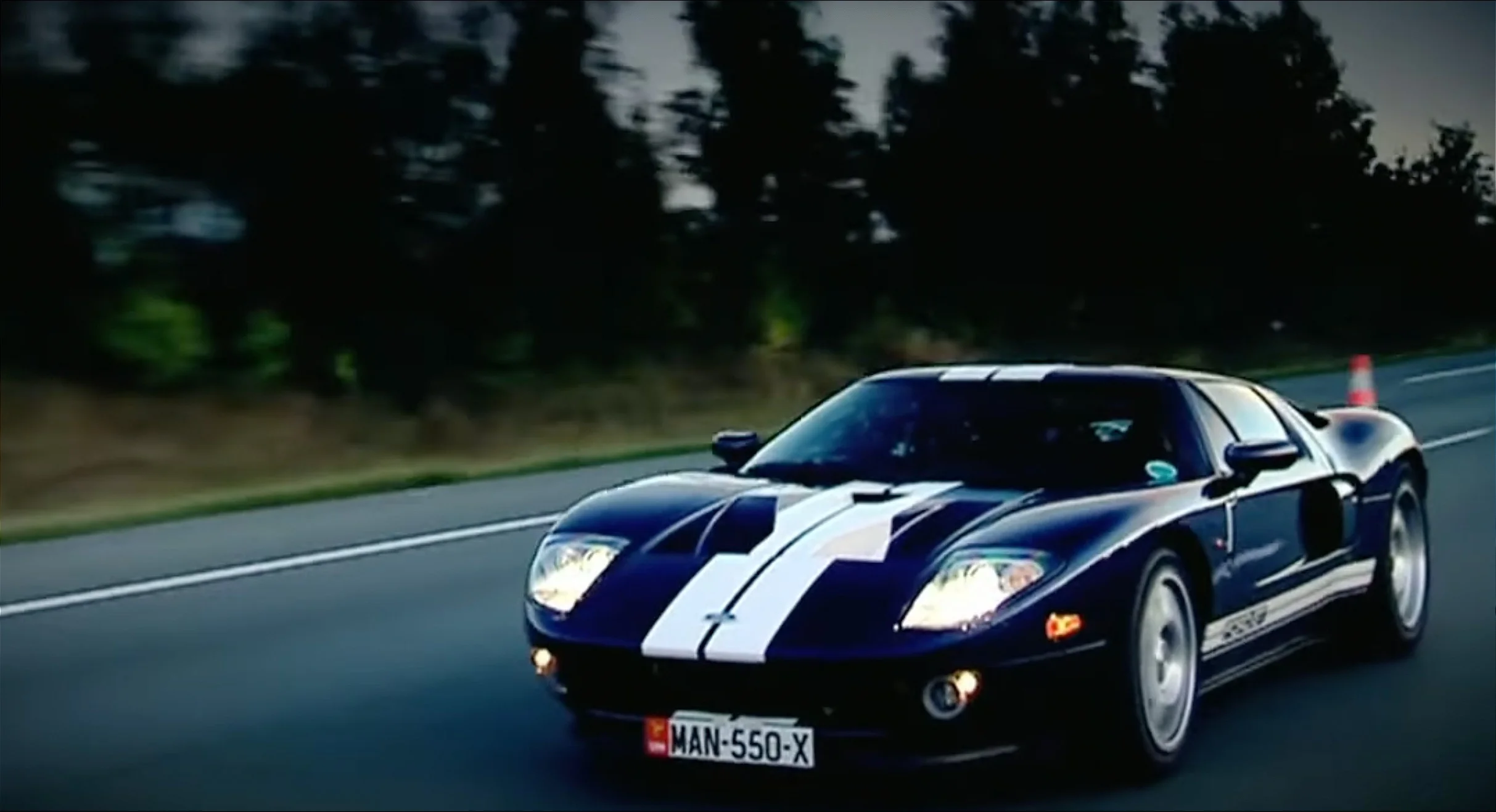
It went better than expected for May in his Ferrari, but it was a bit of a nightmare for Hammond in the Zonda S and for Clarkson in the Ford GT.
The first problem was visibility as both cars are quite difficult to see out of due to how low they are, and how narrow the windshield is.
Second, both cars aren’t ideal for a road trip like that because they don’t have enough space for luggage.
The Ford GT’s V8 engine is located in the middle, right behind the seats, which means you don’t have a trunk at the back, just a minute front trunk, which is barely big enough to fit a duffel bag.
Third, arguably the most important point, they’re both very low to the ground, which means you’re constantly bottoming out which, in a supercar of this caliber, is an expensive mistake to make.
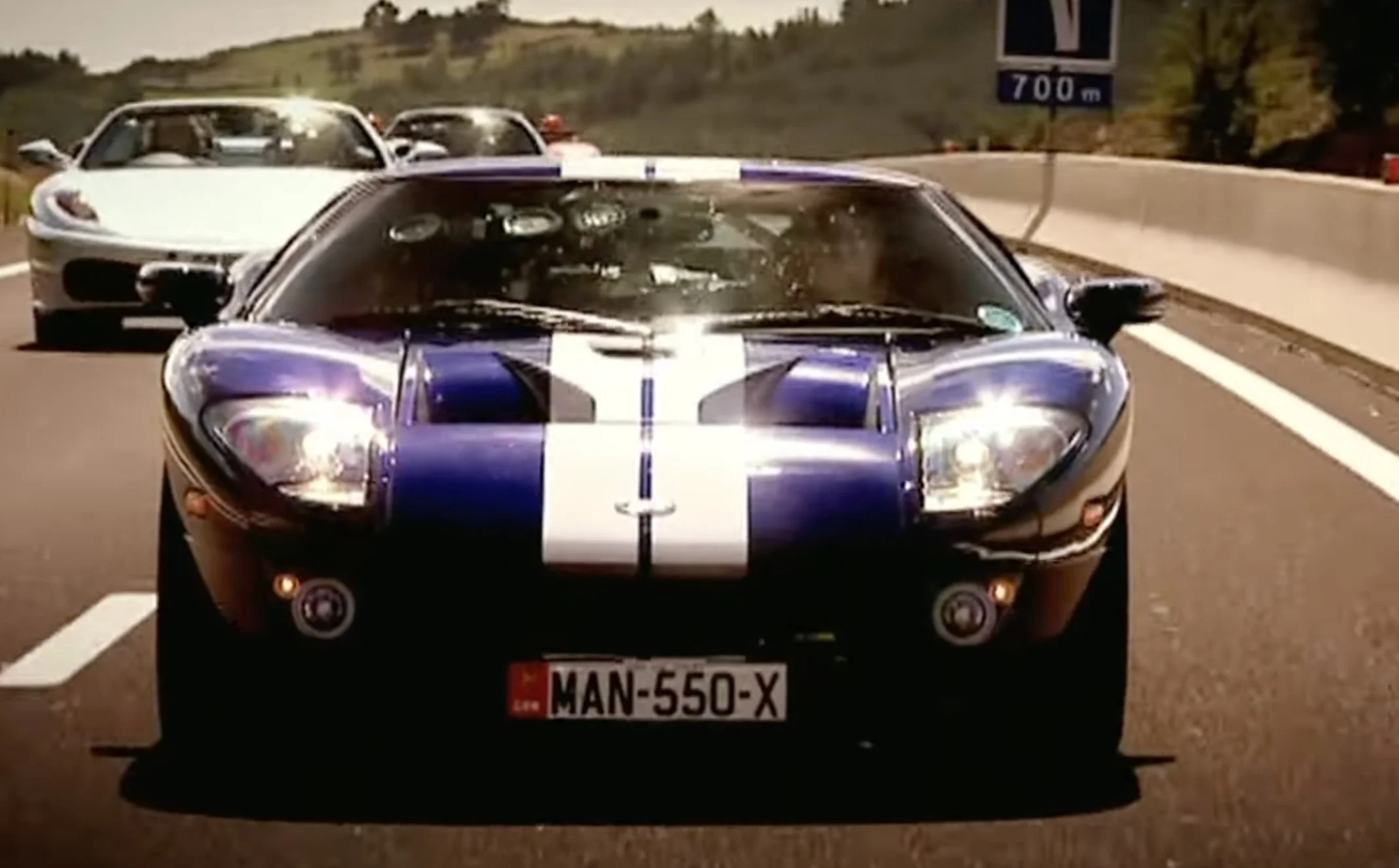
There’s actually a fourth reason, if we wanted to nitpick, and that is that the Ford GT was also extremely thirsty.
Clarkson had to stop for fuel about a thousand times throughout the whole trip as the GT was a lot less fuel efficient than the Zonda and the Ferrari.
Although, to be fair, if you can afford a Ford GT, fuel economy is a bit of a non-issue.
Related


This was actually Jeremy Clarkson’s car
Most cars featured on Top Gear were either on loan from manufacturers, or bought by the production team for specific episodes.
The Lexus LFA that Clarkson tested on the track and then in Las Vegas, for example, was on loan from Lexus.
Meanwhile, the Alfa 75 he drove for a Top Gear challenge or the Porsche 928 that he ended up abandoning in Argentina were purchased by the BBC for the show.
But the Ford GT he drove in France was actually Clarkson’s own car.
Registered in the Isle of Man, where Clarkson used to own a house, the Ford GT was a 2005 model that Clarkson held on to for a few years before selling it on.
Alessandro is an automotive journalist with 10 years of experience covering supercars, automotive history, emerging vehicle technology, and luxury transportation. He wrote the first article published on SupercarBlondie.com when the website launched in 2022 and has since built a reputation for insightful reporting across the automotive and transportation industries. His expertise is grounded in hands-on experience. Alessandro has driven every Tesla model ever produced, from the original Roadster to the Cybertruck, and regularly covers the latest developments in electric vehicles and automotive innovation. His passion for transportation extends beyond cars, he has even flown a Boeing 787 Dreamliner simulator in Addis Ababa, Ethiopia. His reporting spans everything from classic American muscle cars and rare automotive discoveries to luxury yachts, private aircraft, high-end watches, and cutting-edge vehicle technology. Known for his deep knowledge of automotive history and ability to uncover the stories behind iconic vehicles, Alessandro brings readers a blend of historical context, technical expertise, and first-hand experience.