$300,000,000 jet from 1966 is still the fastest ever built and it was retired because it cost too much to fly
Published on Feb 20, 2026 at 4:06 PM (UTC+4)
by Henry Kelsall
Last updated on Feb 20, 2026 at 9:09 PM (UTC+4)
Edited by
Ben Thompson
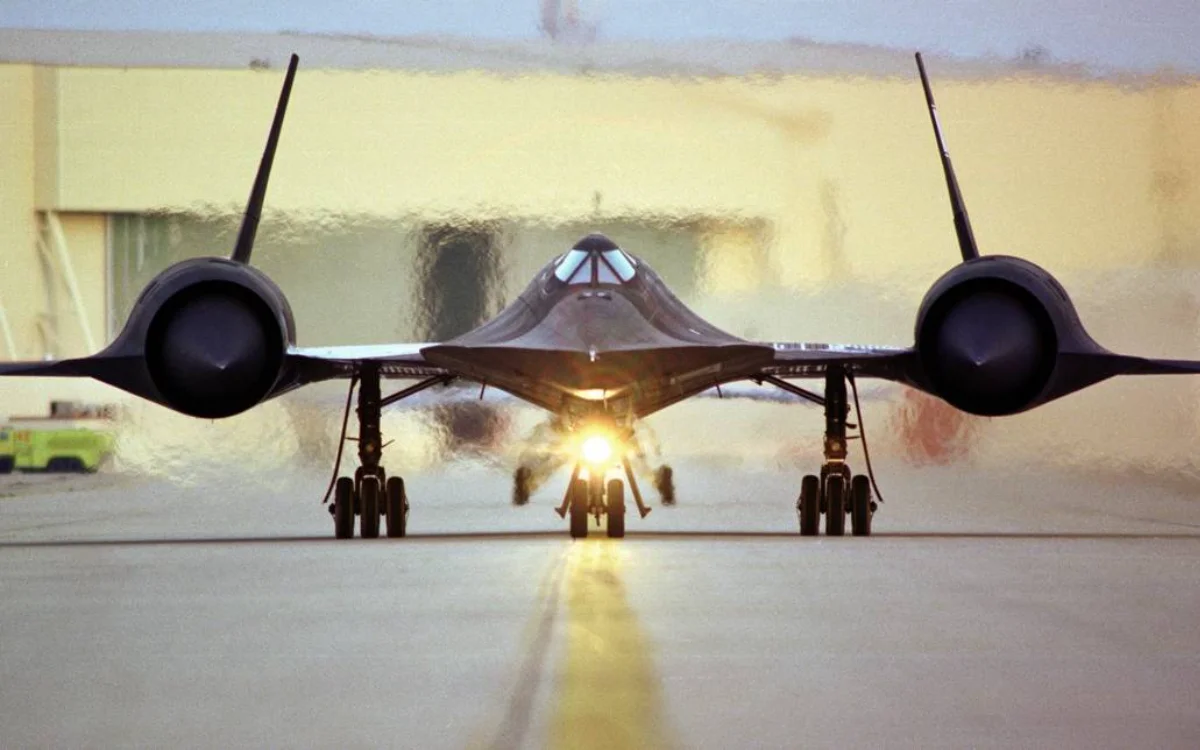

The $300 million SR-71 Blackbird is still the fastest jet ever built, even though it first flew in 1964, but it cost too much to keep in the skies.
The Blackbird came at the height of the Cold War, when the United States needed a fast, high-altitude spy airplane to keep tabs on the Soviet Union.
Even though it last flew around 30 years ago, the SR-71 is still the fastest jet in the world, and not much has come close.
Only the rocket-powered X-15 has been able to fly faster than the Blackbird.
DISCOVER OUR SUPERCAR AUCTION SITE – View live auctions on SBX Cars
The SR-71 Blackbird first flew in 1966
Developed by Lockheed and the Skunkworks division, the Blackbird was designed by Clarence ‘Kelly’ Johnson.
Before this, Lockheed had developed the U-2, an effective spyplane but one that was slow.
There was a need for a fast, undetectable spy plane.
This was heightened after Francis Gary Powers was shot down in his U-2 in 1960.
Initially, Lockheed introduced the A-12, with 13 built in total.
But there was a need for something stealthier, and thus the SR-71 was born.
After further development, the new aircraft first took to the skies in 1964.
It was introduced into service in 1966.
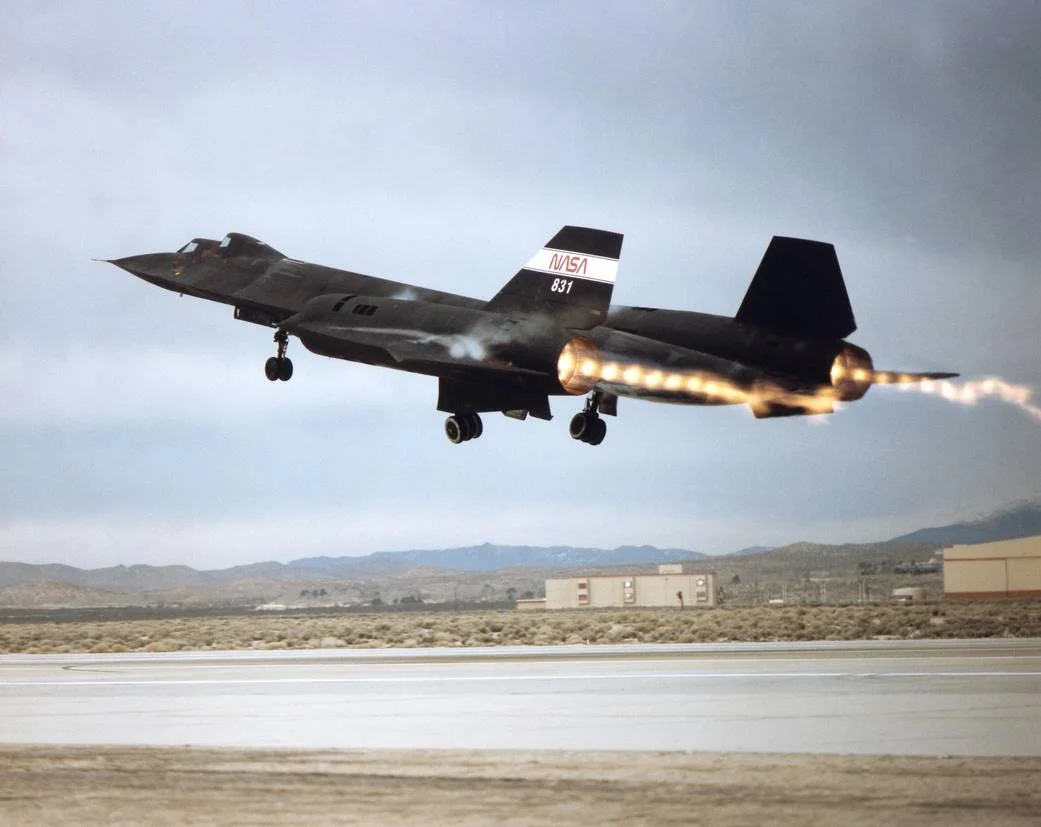
The Blackbird has since become an aviation icon, thanks to its incredible speed and stealthy design.
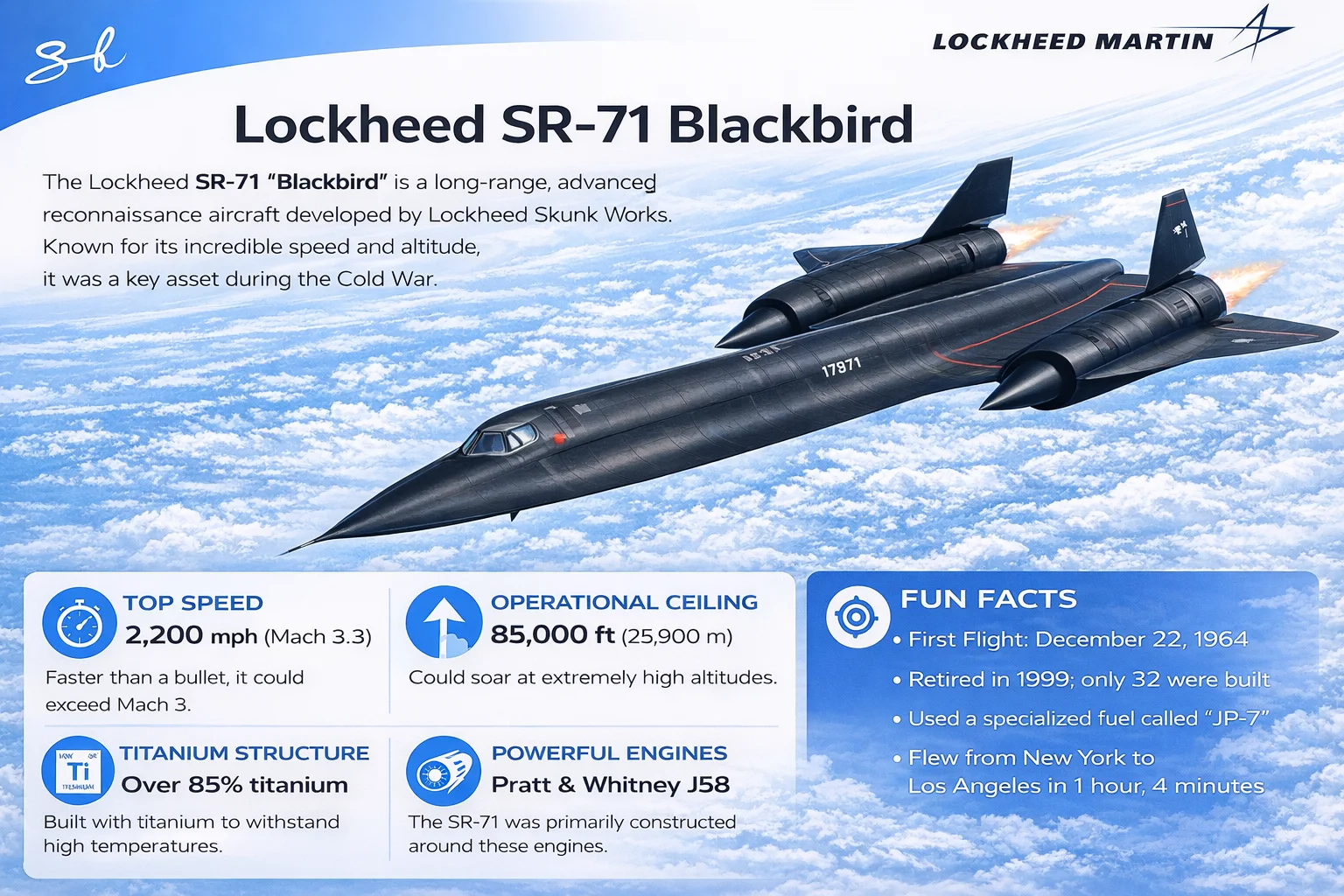
It could fly at speeds over Mach 3 and at a height of 85,000ft.
Click the star icon next to supercarblondie.com in Google Search to stay ahead of the curve on the latest and greatest supercars, hypercars, and ground-breaking technology
No jet aircraft has ever flown faster
Power for the aircraft came from two Pratt & Whitney J58 afterburning turbojets.
They provided enough power for a top speed of 2,200mph, or Mach 3.3.
A notable feature of the aircraft was how it expanded due to the heat in-flight by as much as 12 inches.
The fuselage had panel gaps that sealed in flight but caused it to leak fuel on the ground.
When in flight, the temperature of the skin of the jet could reach a staggering 1,000°F.
Unsurprisingly, the aircraft wasn’t cheap to operate.
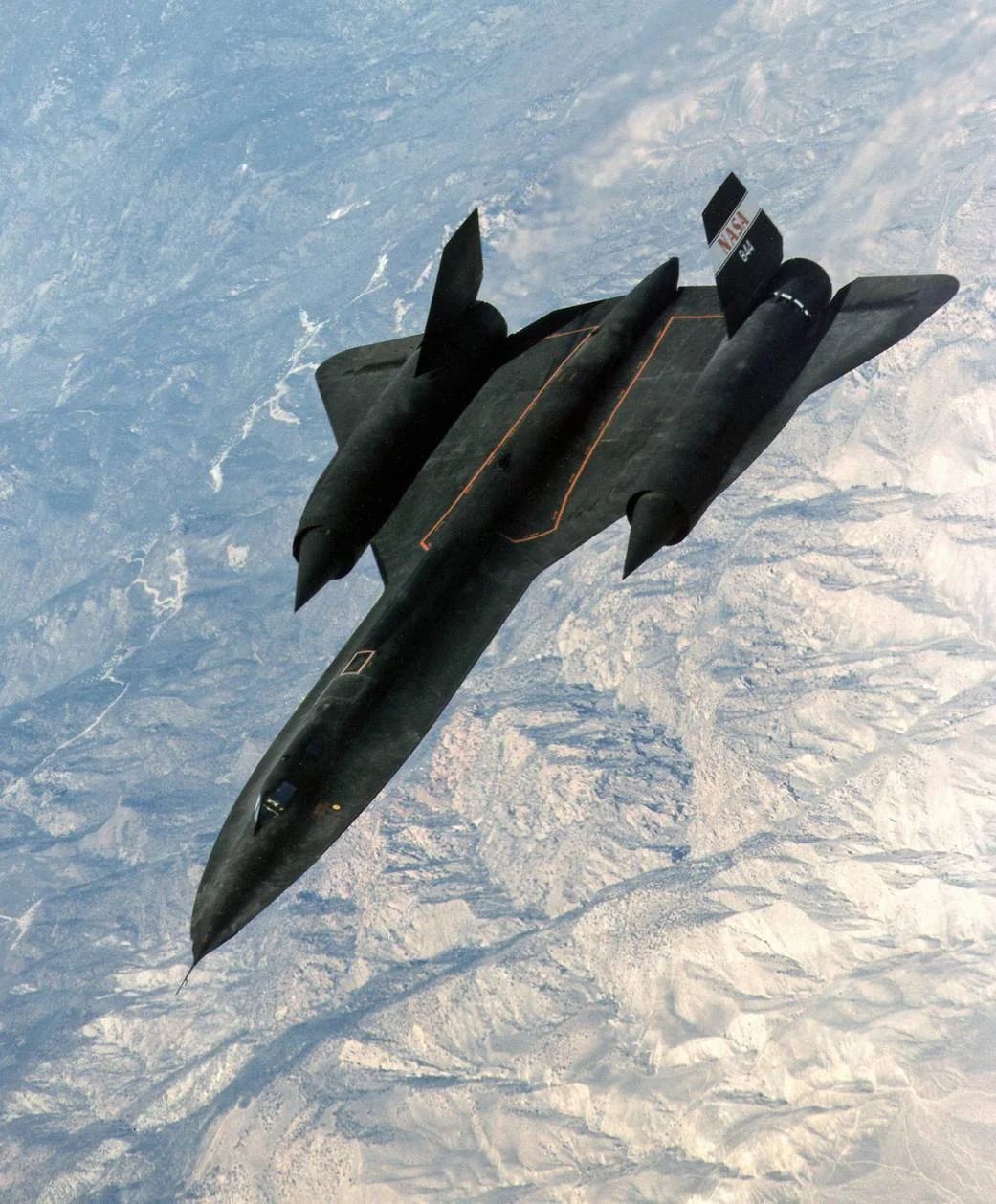
Estimates suggested it cost $85,000 an hour to fly the Blackbird, and around $300 million a year to support it.
Each airframe costs roughly $34 million to build, around $300 million in today’s money.
After a brief retirement in 1989, a few were reactivated, with NASA flying the last SR-71 Blackbird in 1999.
History of the Lockheed SR-71 Blackbird
1958–1960: Lockheed’s Skunk Works begins developing a reconnaissance aircraft under Project Oxcart, led by Clarence ‘Kelly’ Johnson
1962: The first A-12 (precursor to the SR-71) makes its maiden flight, demonstrating breakthrough stealth and speed capabilities
1964: The U.S. Air Force unveils the SR-71 Blackbird, designed as a strategic reconnaissance aircraft with advanced sensors and Mach 3+ performance
1966: The SR-71 officially enters operational service, providing high-altitude intelligence during the Cold War
1968: First operational missions begin over Vietnam, gathering crucial intelligence while evading enemy defenses
1976: The SR-71 sets multiple world records, including absolute speed and altitude records for a crewed air-breathing aircraft
1989: The Air Force ends official SR-71 operations due to cost concerns, though the aircraft’s capabilities remain unmatched
1999: The SR-71 is retired for the final time, marking the end of its operational career
DISCOVER SBX CARS: The global premium car auction platform powered by Supercar Blondie
Henry joined the Supercar Blondie team in February 2025, and since then has covered a wide array of topics ranging from EVs, American barn finds, and the odd Cold War jet. He’s combined his passion for cars with his keen interest in motorsport and his side hustle as a volunteer steam locomotive fireman at a heritage steam railway.