Man who spent year transporting John Travolta's iconic Qantas Boeing 707 explains why it couldn't fly to Australia due to extraordinary cost
Published on May 22, 2026 at 11:45 AM (UTC-4)
by Alessandro Renesis
Last updated on May 27, 2026 at 6:13 AM (UTC-4)
Edited by
Alessandro Renesis
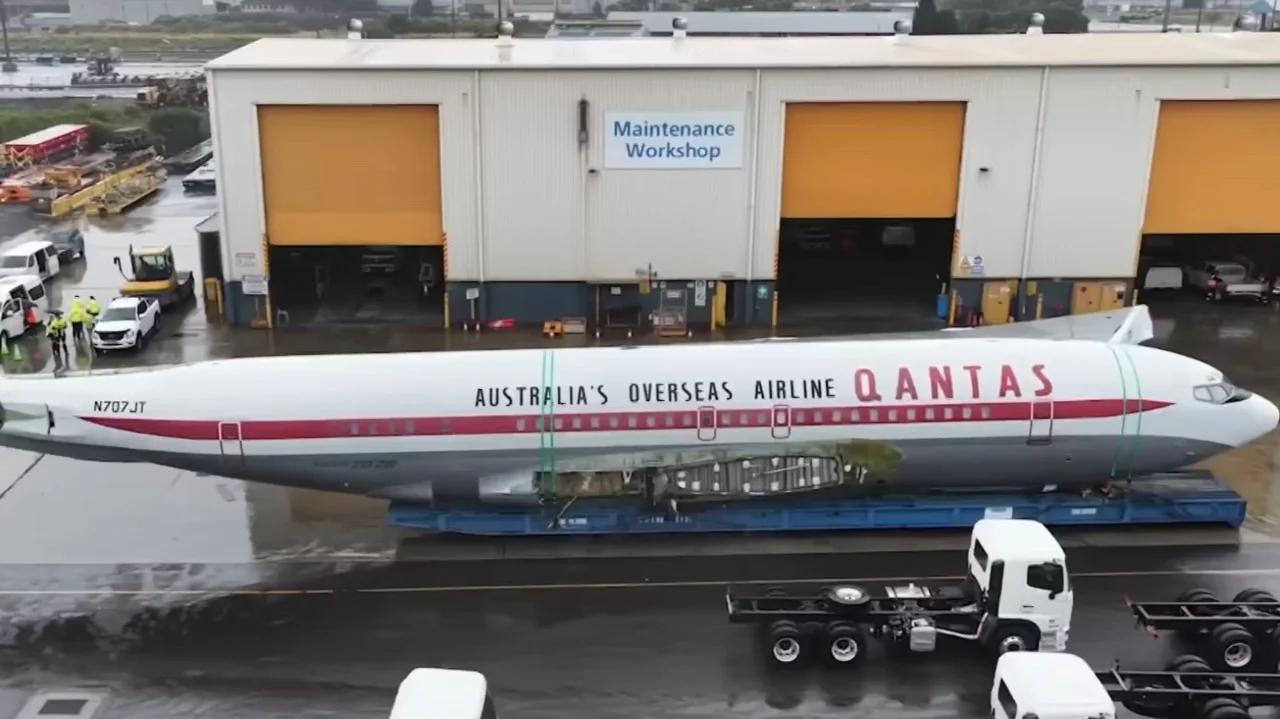

The Qantas Boeing 707 once owned by John Travolta has finally made it to Australia, where it’ll become a permanent guest of the Historical Aircraft Restoration Society Museum in New South Wales.
It took years and millions of dollars to get to this point.
But what’s truly incredible is that all parties involved saved a fortune by having the plane shipped to Australia by boat.
And that’s because, for a very good reason, the plane couldn’t fly.
What happened to John Travolta’s Boeing
Travolta is an aviation guru with a remarkable portfolio of licenses, and an even more impressive fleet of planes.
The Boeing 707 you see here was actually almost gift.
Nearly two decades ago, John Travolta became the owner of the plane.
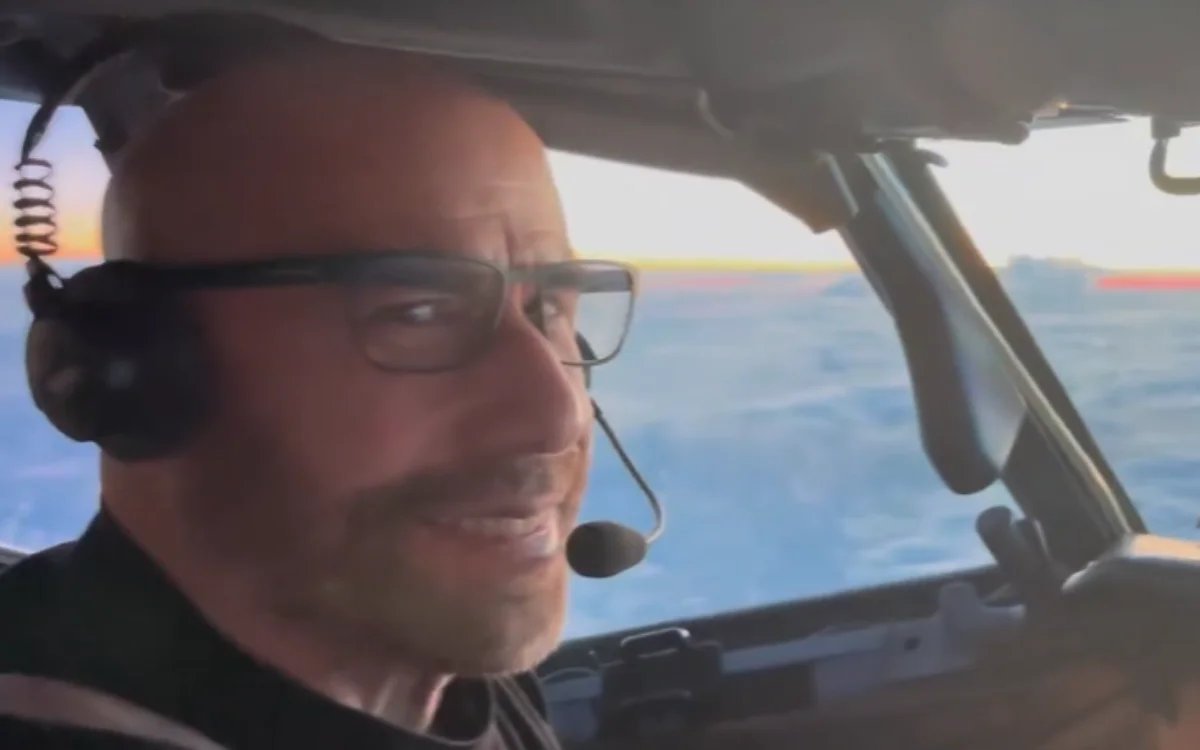
Years later, he got in touch with Qantas and asked if he could apply the Qantas livery on his 707.
Qantas came back with an offer, they wanted to give him a 747 – believe it or not – but Travolta refused, and so instead Qantas agree to maintain the Boeing 707 on his behalf.
Things went wrong in 2017.
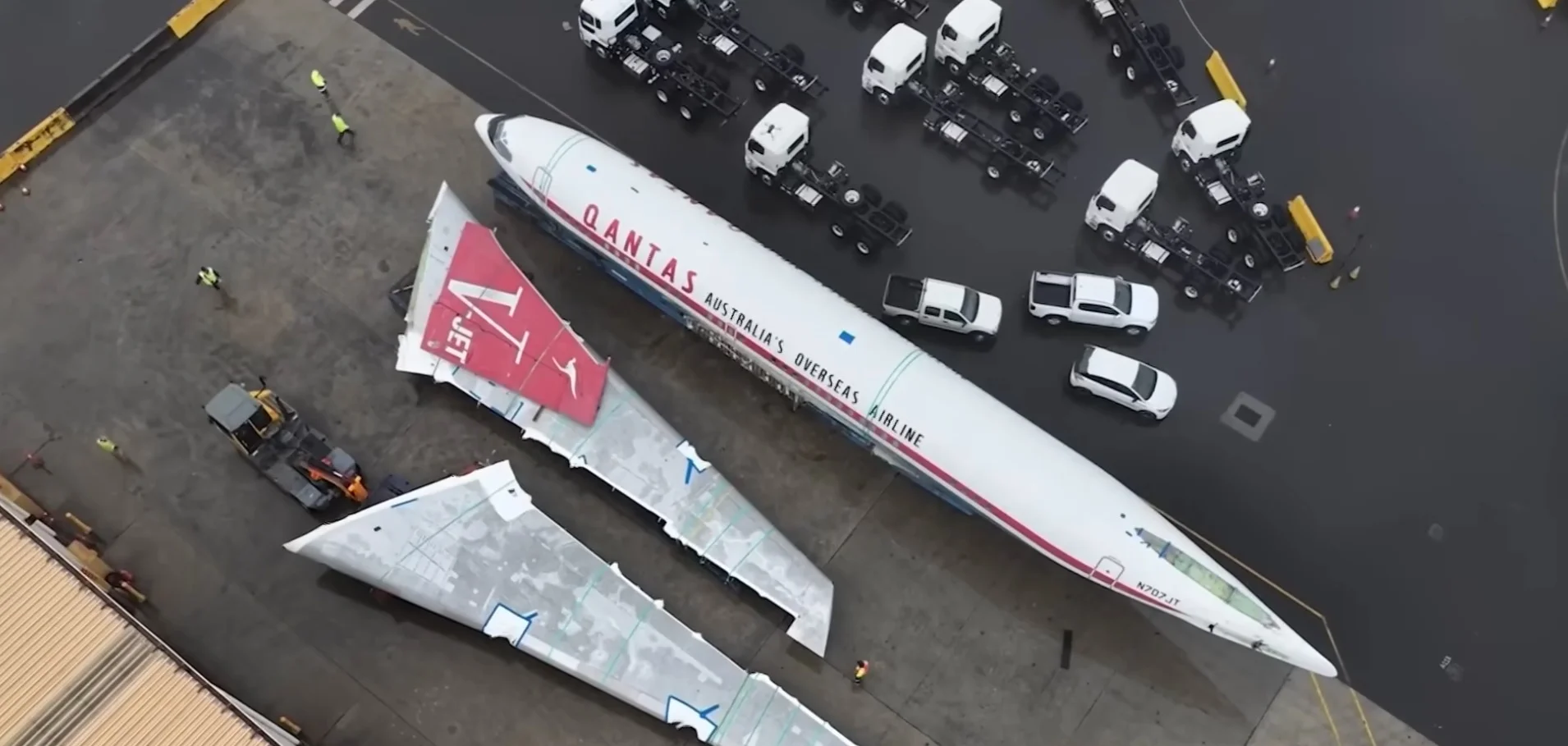
A routine maintenance stop eventually turned into a years-long grounding as the aging aircraft was officially declared no longer airworthy..
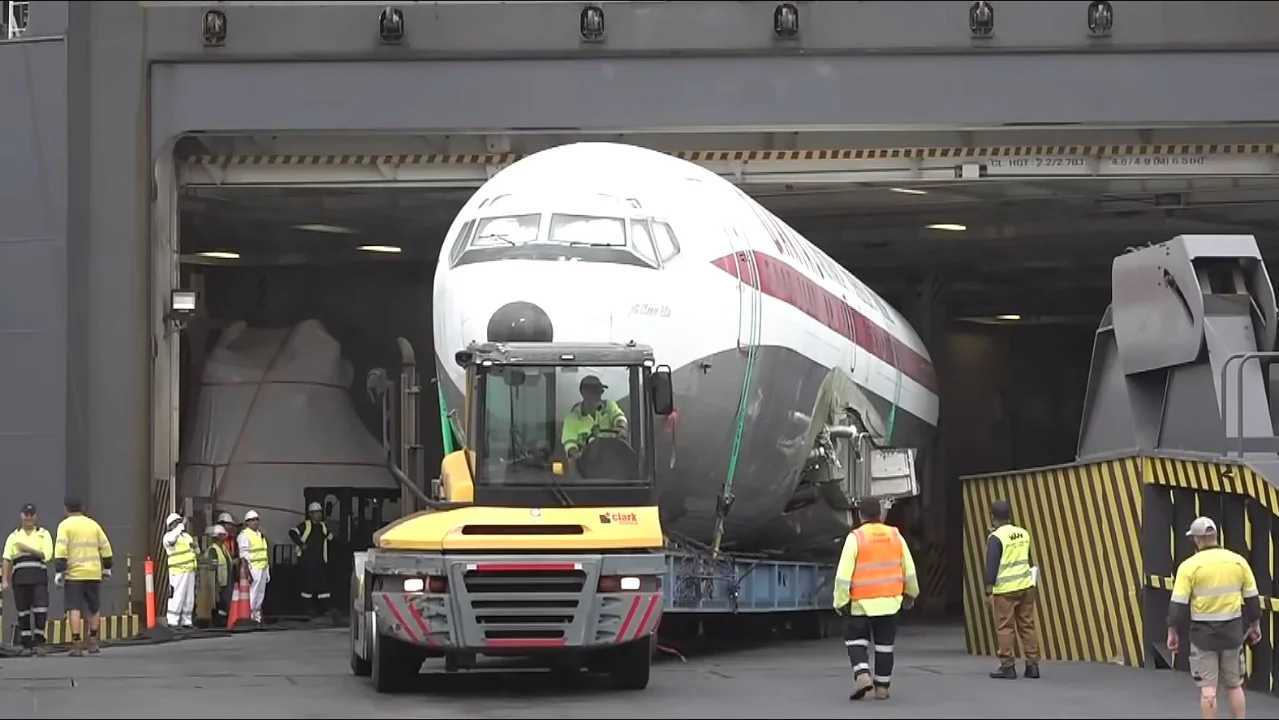
Earlier this year, after years of waiting and hesitating, the plane was finally disassembled and shipped to New South Wales, Australia.
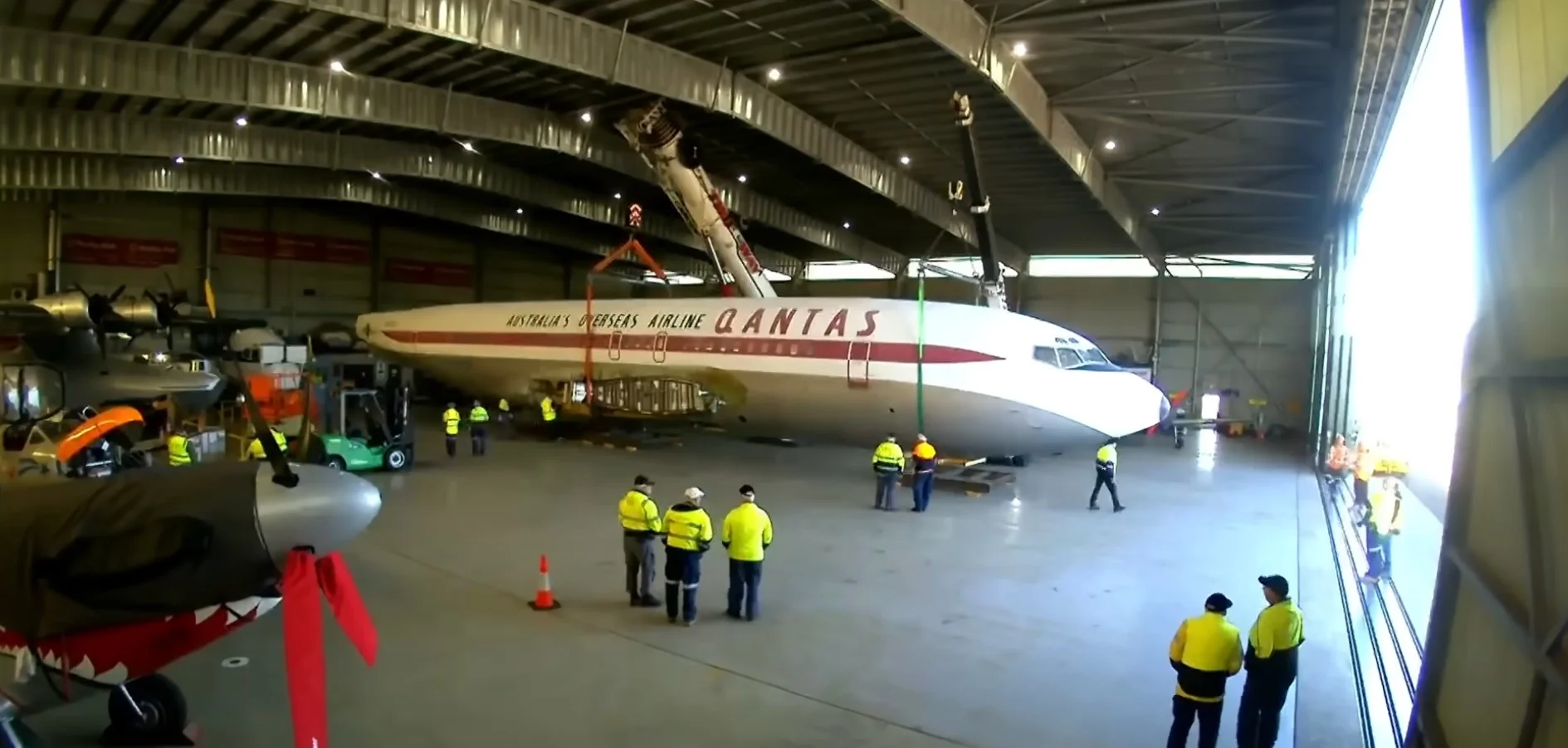
The plane will now be polished and restored, and it’ll then become a permanent guest of the Historical Aircraft Restoration Society (HARS) Museum in New South Wales, Australia.
It wasn’t cheap, but wait until you learn the potential cost of making it fly again.
Related
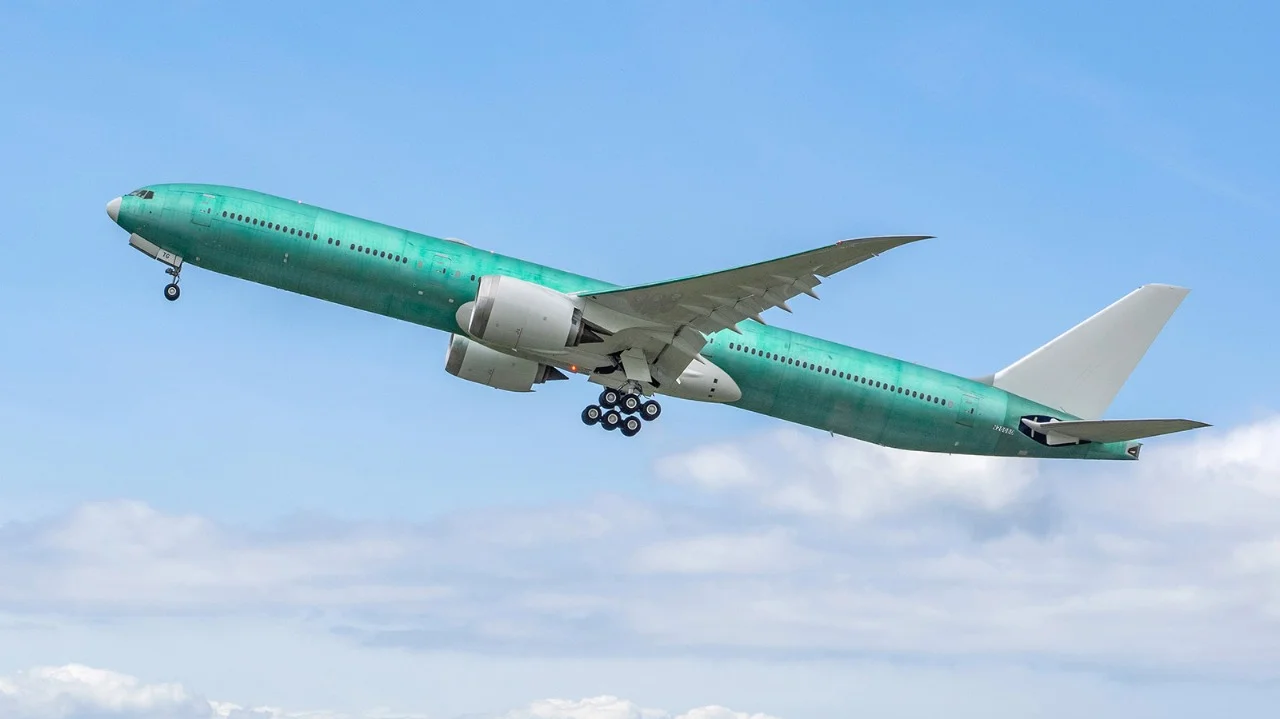
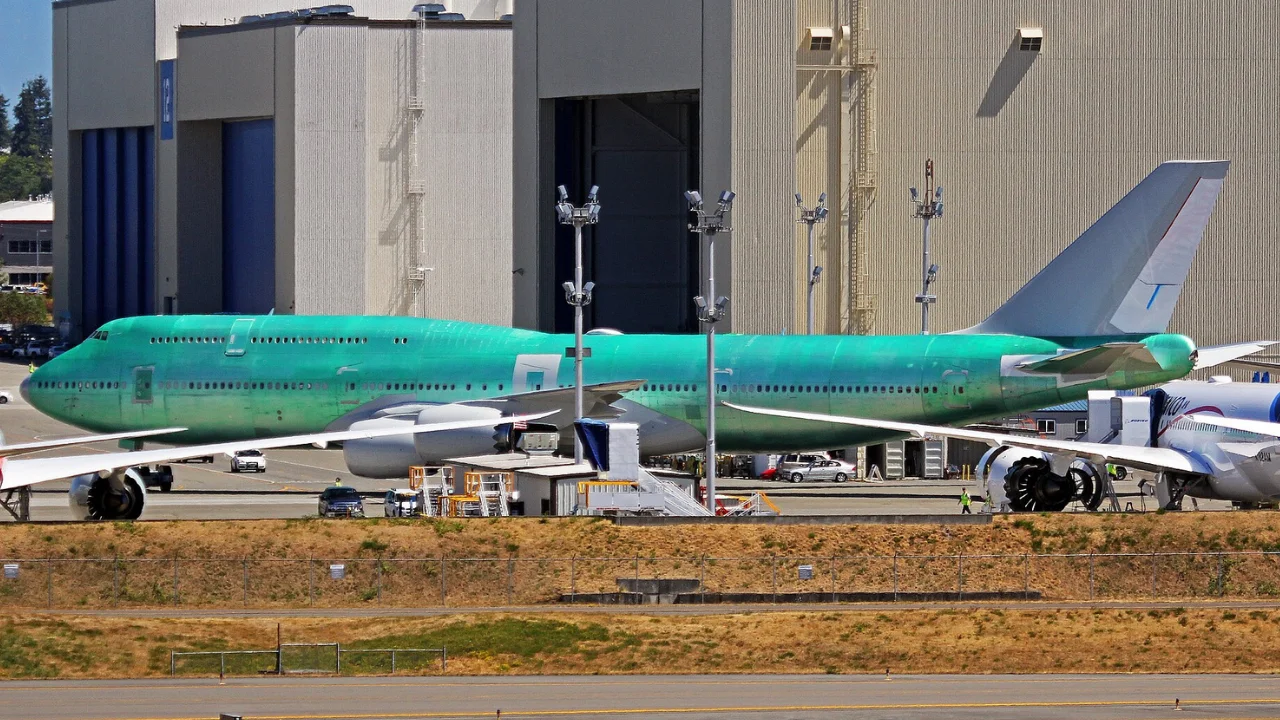
The reason why the plane couldn’t fly
When we factor in the cost of (partial) maintenance, shipping, and some inevitable bureaucratic tax burdens, we’re looking at seven figures of this operation.
But that was spread across nine years or so.
Making it fly would’ve been significantly more expensive, and ultimately that’s the reason why it couldn’t fly.
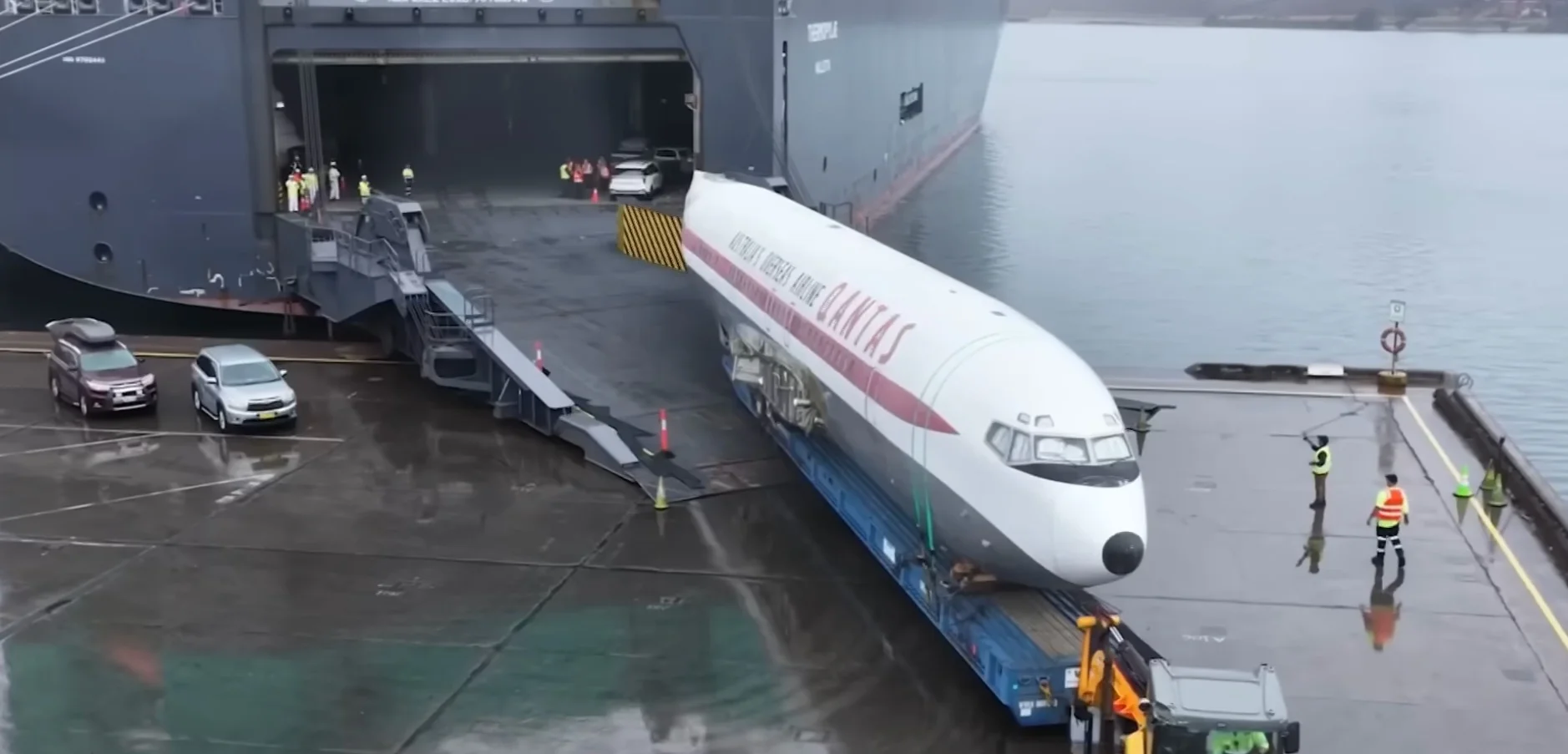
Speaking to 10 News, logistics expert Stephen Hardy said it would have cost a lot more to retrofit the vintage aircraft for international flight and make it flight-ready and airworthy again.
“It’s been going on for about a year. We originally started it with the dismantling of the engines and then the flaps and then bits and pieces,” Hardy explained.
“But it didn’t really ramp up until March when the wings came off and then it was uh, you know, full steam ahead at that point.”
How much it would have cost to fly
Then he specifically talked about the potential cost.
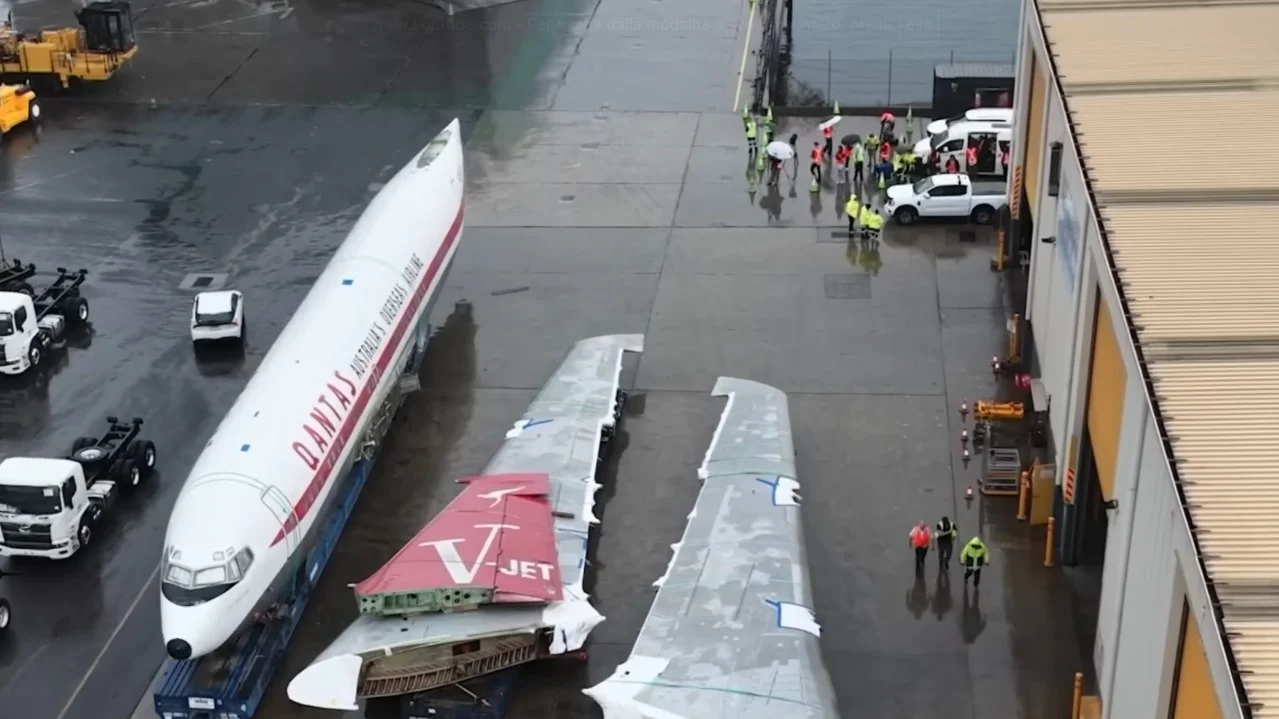
“From what I understand, it would have cost $14 million to retrofit it for international flight. And that’s substantially more than it would cost to do it sea freight the way we did it. They did save themselves quite a bit of money moving it with us,” he said.
Dismantling the plane and shipping the fuselage and the wings wasn’t cheap, but it was still by far the most sensible option.

Alessandro is an automotive journalist with 10 years of experience covering supercars, automotive history, emerging vehicle technology, and luxury transportation. He wrote the first article published on SupercarBlondie.com when the website launched in 2022 and has since built a reputation for insightful reporting across the automotive and transportation industries. His expertise is grounded in hands-on experience. Alessandro has driven every Tesla model ever produced, from the original Roadster to the Cybertruck, and regularly covers the latest developments in electric vehicles and automotive innovation. His passion for transportation extends beyond cars, he has even flown a Boeing 787 Dreamliner simulator in Addis Ababa, Ethiopia. His reporting spans everything from classic American muscle cars and rare automotive discoveries to luxury yachts, private aircraft, high-end watches, and cutting-edge vehicle technology. Known for his deep knowledge of automotive history and ability to uncover the stories behind iconic vehicles, Alessandro brings readers a blend of historical context, technical expertise, and first-hand experience.