Kentucky man charged 2 identical Tesla Model 3 batteries for 2 years to see if daily charge limit has any effect on battery degradation
Published on Mar 16, 2026 at 12:48 PM (UTC+4)
by Jason Fan
Last updated on Mar 27, 2026 at 5:04 PM (UTC+4)
Edited by
Amelia Jean Hershman-Jones
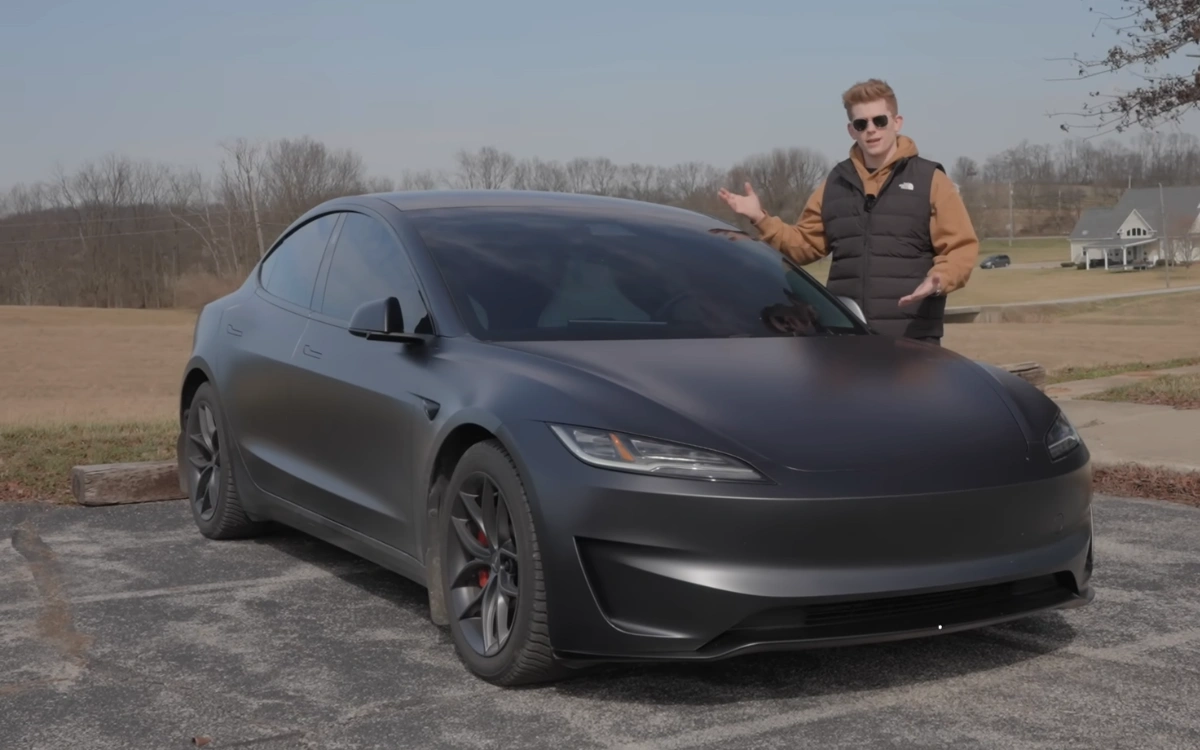

To find out how much a daily charge limit really affects EV battery degradation, a man put two identical Tesla Model 3 batteries through two years of driving.
The experiment, conducted by YouTuber Jeremiah Jones, compared two nearly identical cars that were driven in similar conditions but charged very differently.
One followed Tesla’s standard recommendation of charging to 80 percent for daily use.
The other was capped at just 50 percent, based on Jones’ own calculations about battery stress.
Click the star icon next to supercarblondie.com in Google Search to stay ahead of the curve on the latest and greatest supercars, hypercars, and ground-breaking technology
Most EVs face the most degradation earlier on
Both vehicles were versions of the Tesla Model 3 Performance, and they even used the same battery chemistry.
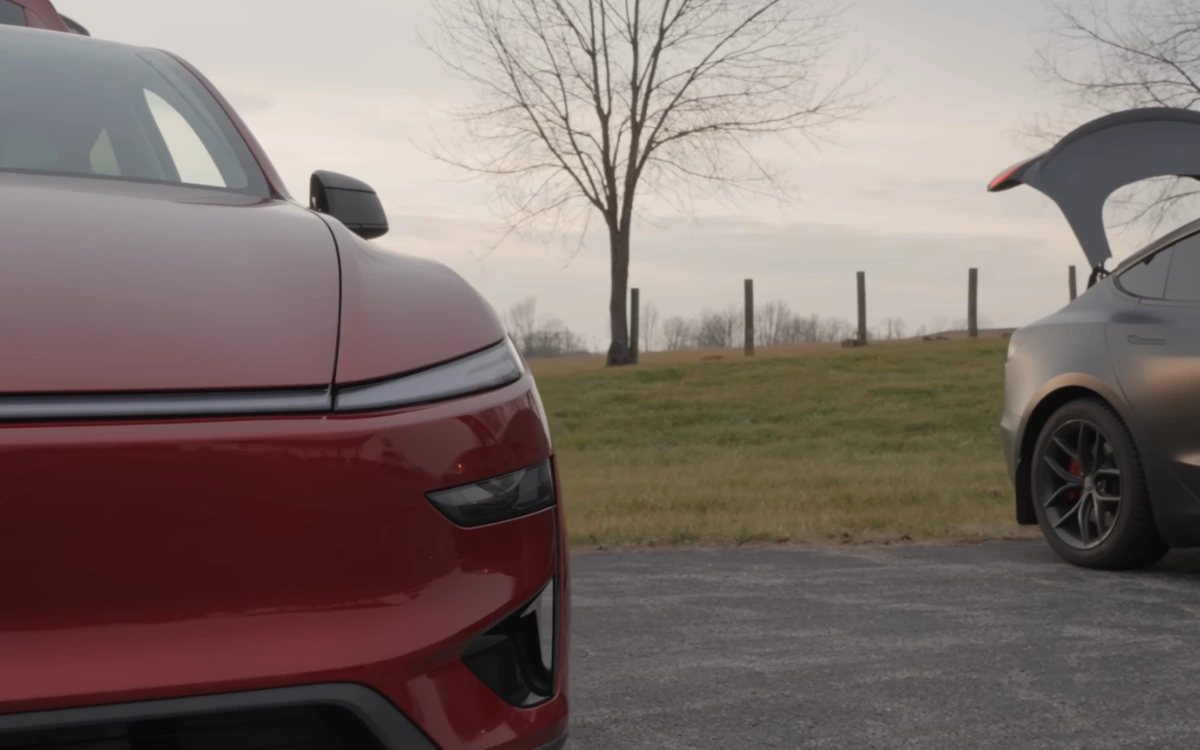
Jones logged around 20,000 miles in total, driving in the same climate and with a similar driving style.
The key difference was how the Model 3 batteries were treated during everyday charging.
In his earlier 2022 Model 3, the daily limit was set to 50 percent.
Over roughly 20,000 miles of driving, that car showed about 6 percent battery degradation.
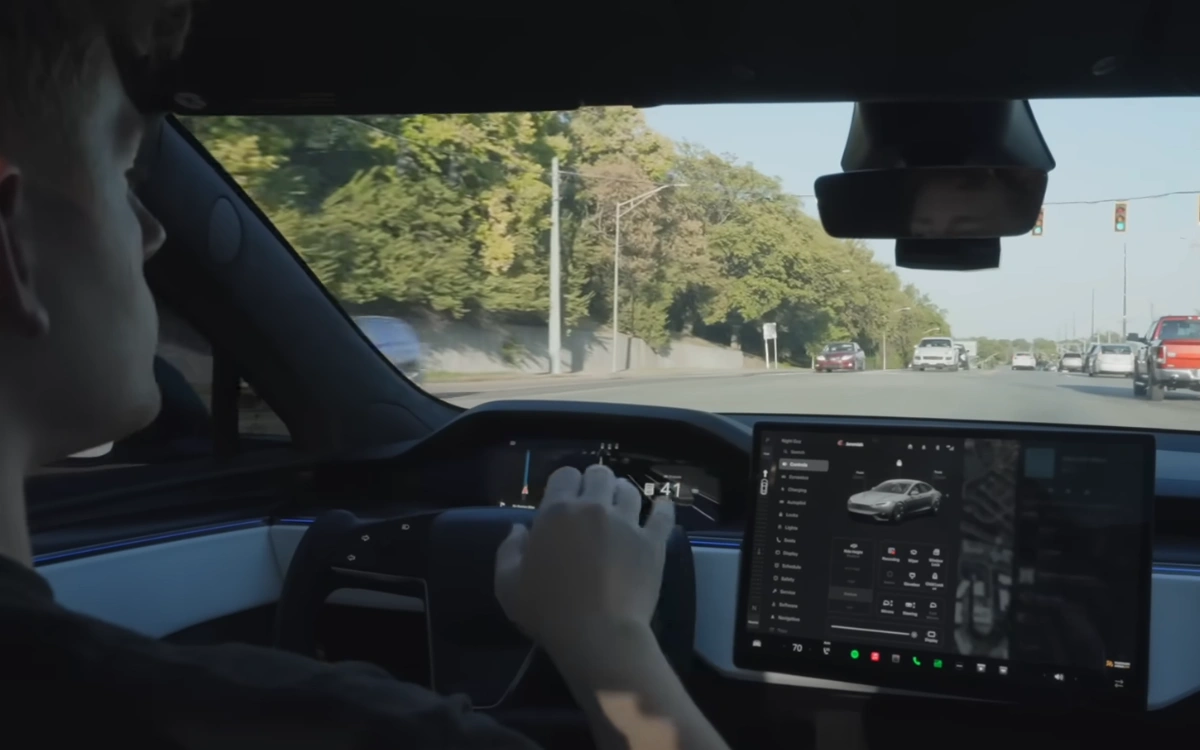
His newer 2024 Model 3 Performance, however, followed Tesla’s recommended 80 percent daily charge limit.
After about 10,000 miles, that battery showed roughly 7 percent degradation.
At first glance, that might sound like the lower charge limit clearly helped preserve the battery.
But Jones pointed out that battery degradation is rarely perfectly linear.
In fact, most electric vehicles typically lose between 5 and 10 percent of their usable battery capacity in the first year or roughly the first 10,000 miles.
After that, degradation would usually slow down significantly.
Still, the results on the Model 3 batteries were intriguing.
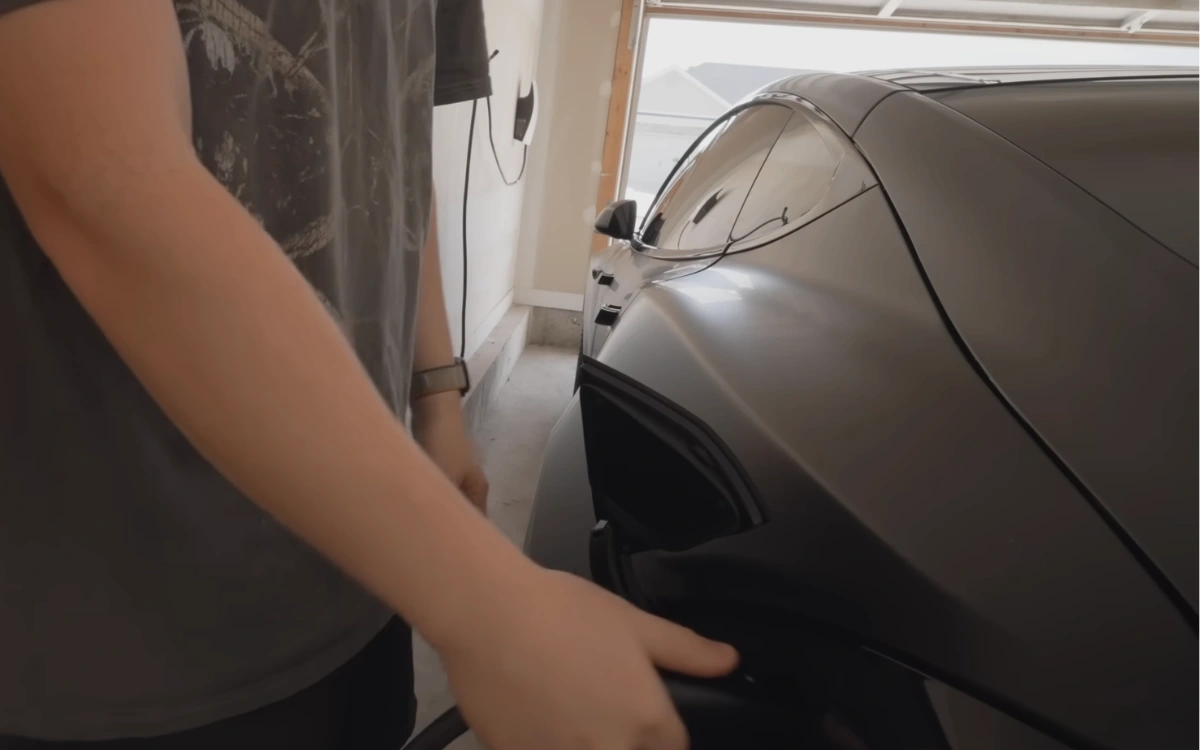
The older car, which was charged more conservatively, ended up with slightly less degradation despite having twice the mileage and experiencing more road trips and fast charging sessions.
The newer car also saw less supercharging overall, making the comparison even more interesting.
His newer Tesla Model 3 Performance reported more degradation
The YouTuber also used the video to explain some of the basics behind EV battery chemistry.
Many Teslas use nickel-based battery packs, often grouped under the umbrella of NMC-style chemistries.
Meanwhile, some newer and more affordable models rely on lithium iron phosphate, commonly known as LFP.
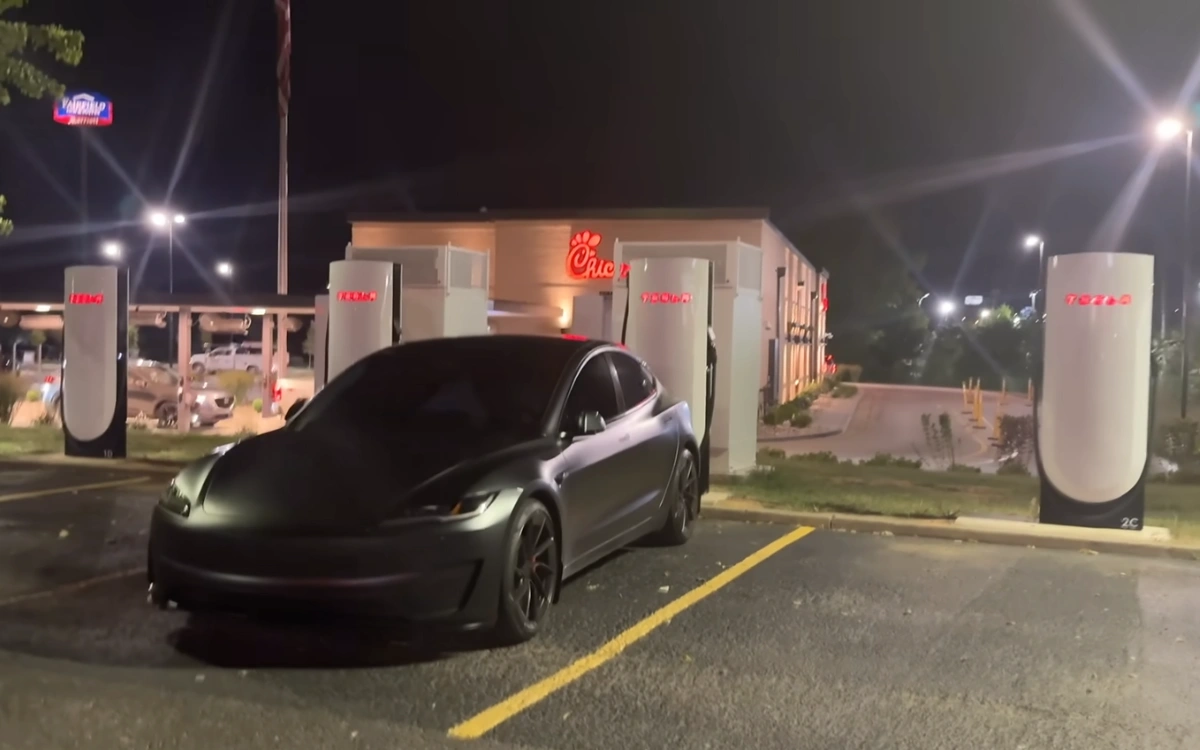
Each type has its own advantages.
Nickel-based batteries tend to offer better range and performance, while LFP packs are cheaper and can tolerate higher charge levels more easily.
Jones emphasized that owners should not obsess over every tiny factor that might affect battery health.
According to him, a few simple habits make the biggest difference.
For example, you should avoid leaving the battery at extremely high or extremely low charge levels for long periods of time, and keep the car plugged in whenever possible.
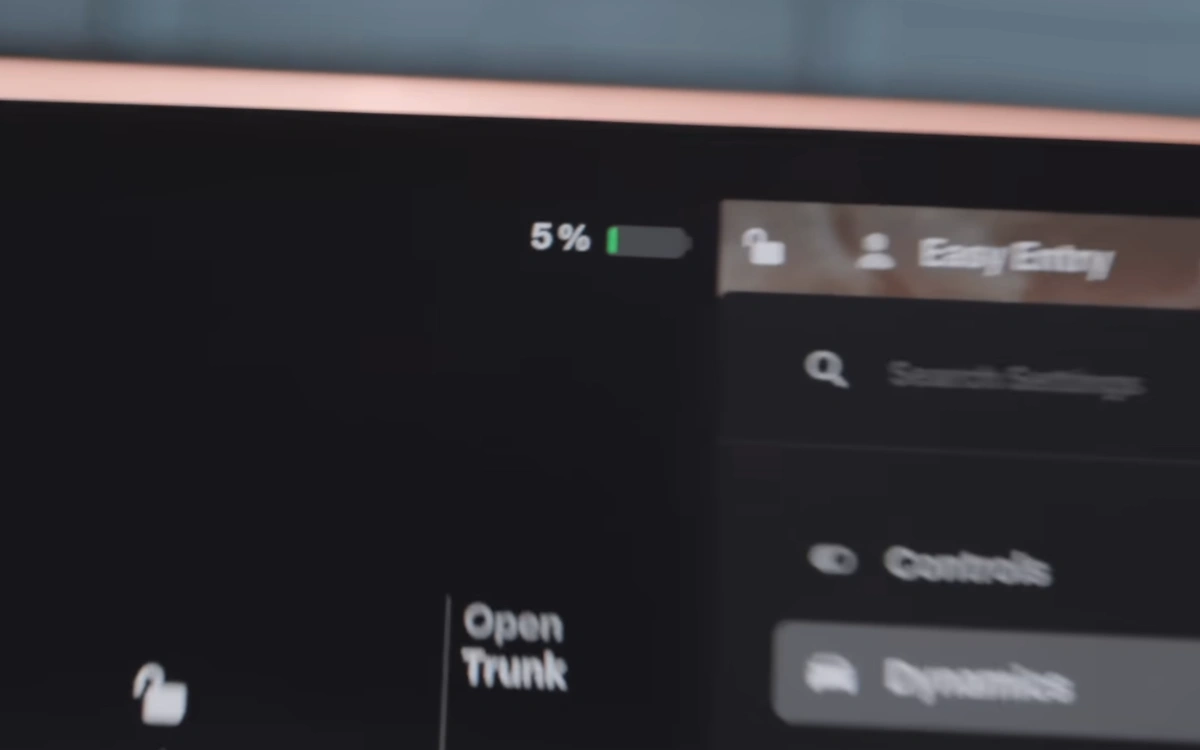
EV owners should also choose a reasonable daily charge limit based on the amount of range they would actually use.
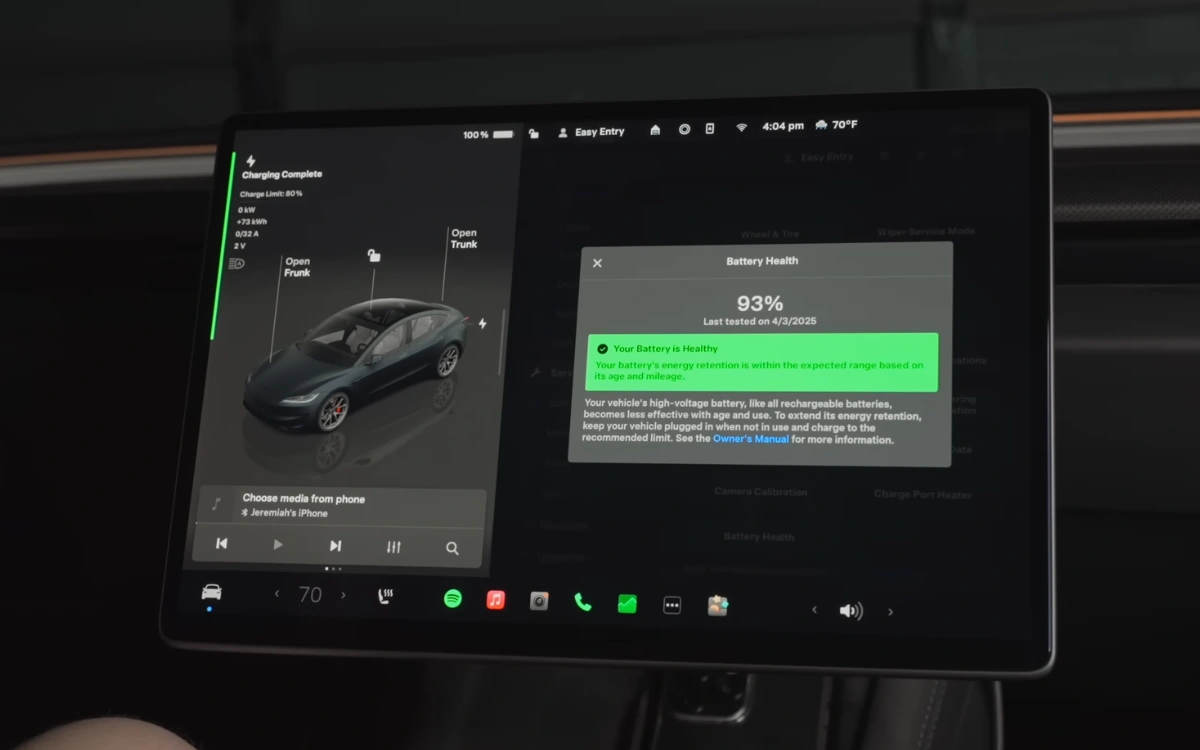
After running Tesla’s built-in battery health test, his newer car ultimately reported about 11 percent EV battery degradation at 20,000 miles.
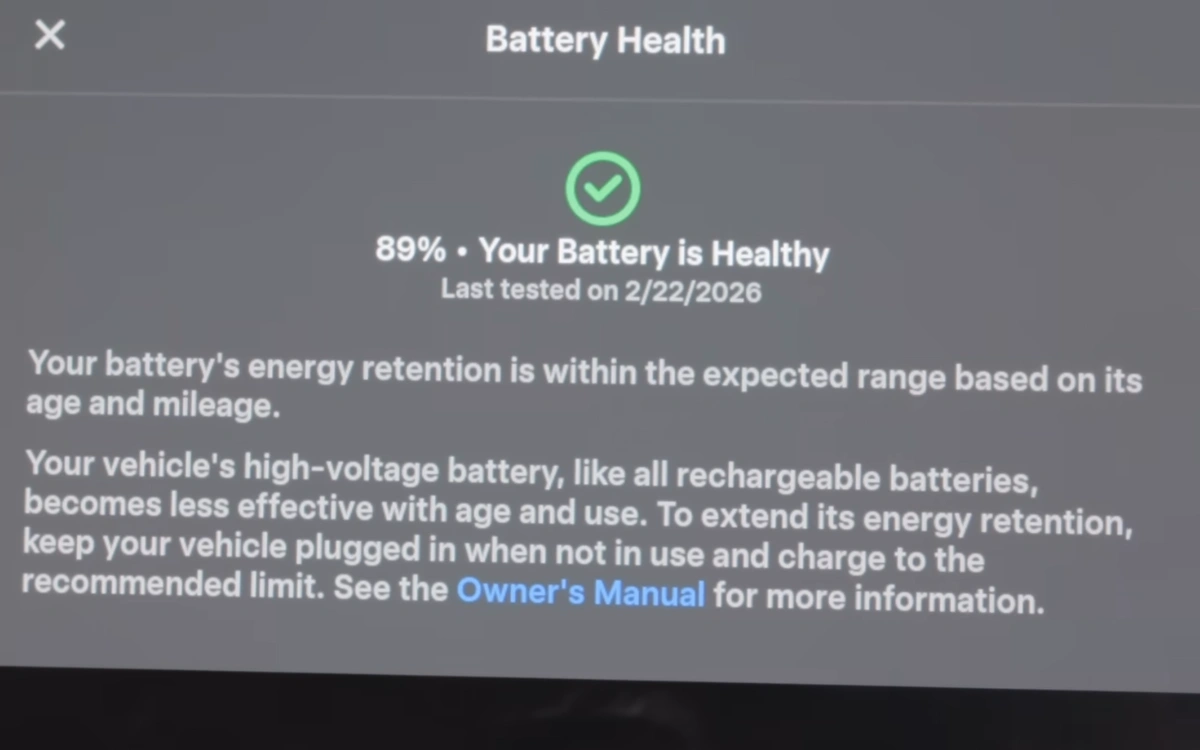
While that number was slightly on the higher end of expectations, Jones said it still fell within the normal range and was nothing to worry about.
In the end, his conclusion was simple.
Lower charge limits may help a bit with long-term battery health, but convenience and real-world driving needs still matter more.
Check out his full analysis on EV battery degradation in the video below:

DISCOVER SBX CARS: The global premium car auction platform powered by Supercar Blondie