Man takes his old Kia EV to a Tesla Supercharger to see what would happen and ends up learning a great deal
Published on Aug 30, 2026 at 3:56 AM (UTC-4)
by Alessandro Renesis
Last updated on Aug 30, 2026 at 3:56 AM (UTC-4)
Edited by
Mason Jones
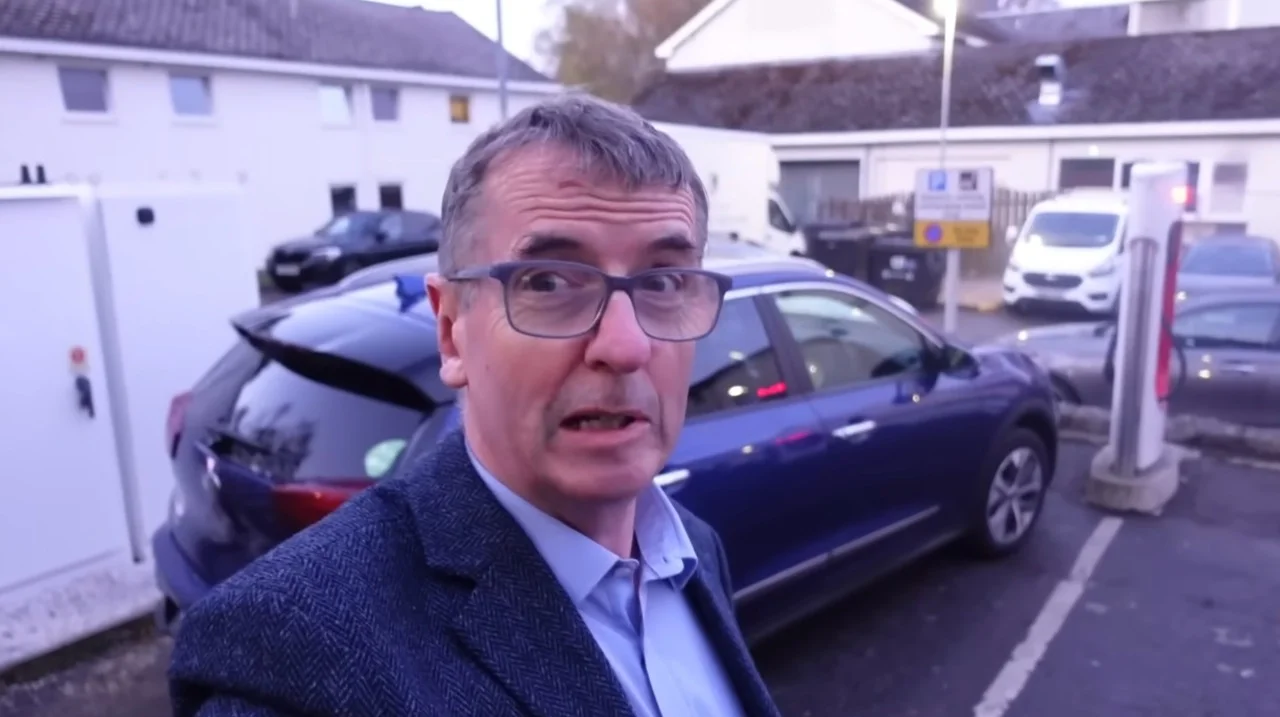

This guy tried to prove two points by charging his Kia e-Niro EV using a Tesla Supercharger.
First, that using a Tesla Supercharger is easy.
Second, that it can be cheap.
Now, that was a bit more complicated.
Using Superchargers with other EVs comes with pros and cons
Tesla Superchargers are open to almost all brands, and the reason is simple. Actually, the reasons – plural.
Without getting too technical, pretty much every other EV brand eventually decided to adopt Tesla’s charging standards because it was just better and easier.
And this eventually led to Tesla opening up Superchargers to other automakers simply because it could, while everyone else couldn’t.
You can’t ‘sell’ what you do not have and even now, in 2026, the American automaker is still the only EV brand with a global, proprietary charging network.
Every other manufacturer relies on either public networks alone, or on semi-proprietary (usually because they’re in partnership with energy companies) networks that aren’t truly global.
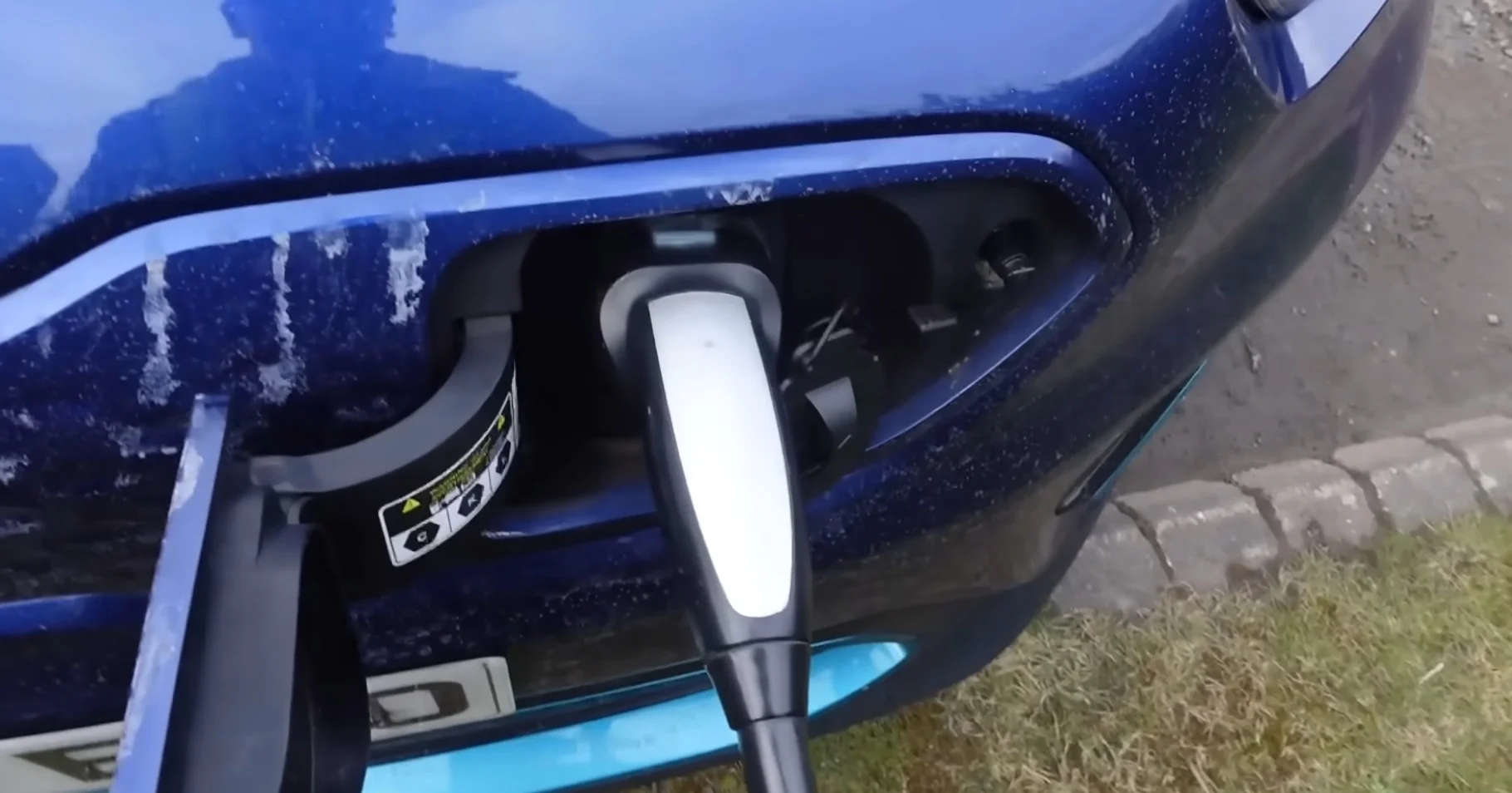
You can find a Supercharger in Norway and Italy just like you can in California and Croatia.
So what are the cons?
There’s basically only one main one: pricing.
Superchargers are comparatively expensive, and charging a non-Tesla at a Supercharger is probably the most expensive way to do it.
Just last week, I tried charging a Rivian R2 at a Supercharger in Los Angeles and the price was $0.85 per kWh, which makes it more expensive than a gas car.
Not ideal.
Related
There are industries where this is absolutely normal
It’s an open secret that rival companies regularly collaborate.
In the car world, we’re still in the ‘stigma’ phase. These things are sort of frowned upon.
In other industries – like tech – we’re way past that.
At this point, everyone knows that Apple still uses Samsung screens for certain devices.
And most people now know that Google pays Apple billions of dollars every year just to keep Google the default search engine on iOS.
In the automotive sphere, this is still not fully accepted.
Tesla Superchargers can be expensive, but there’s a ‘but’
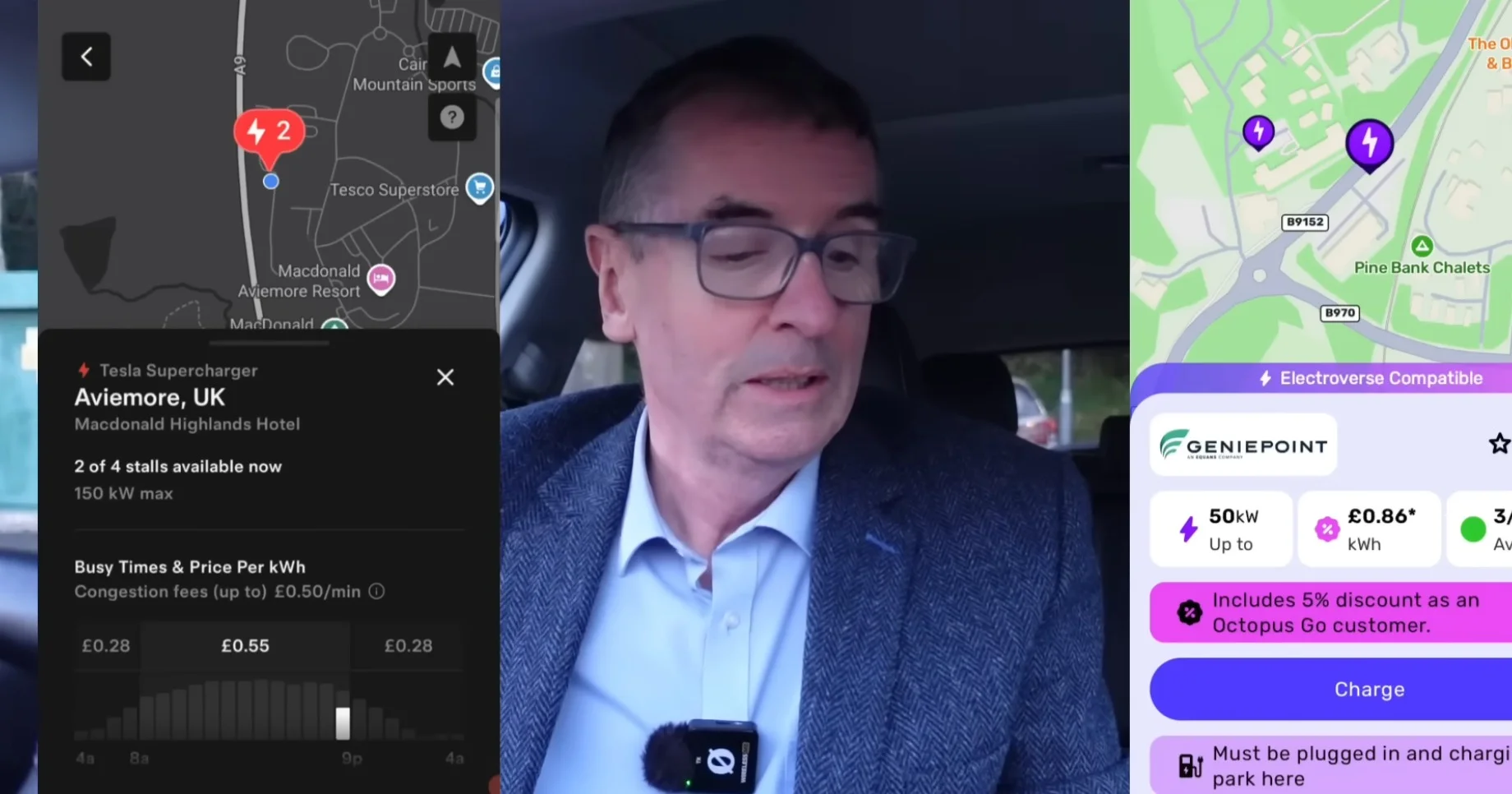
YouTuber Jonathan Porterfield tried charging his Kia e-Niro using a Supercharger to prove that it can be a cost-effective option.
While it is true that these chargers can be very expensive, they can also be the exact opposite if you’re clever about it.
For starters, Jonathan used a Destination Charger, which are generally free.
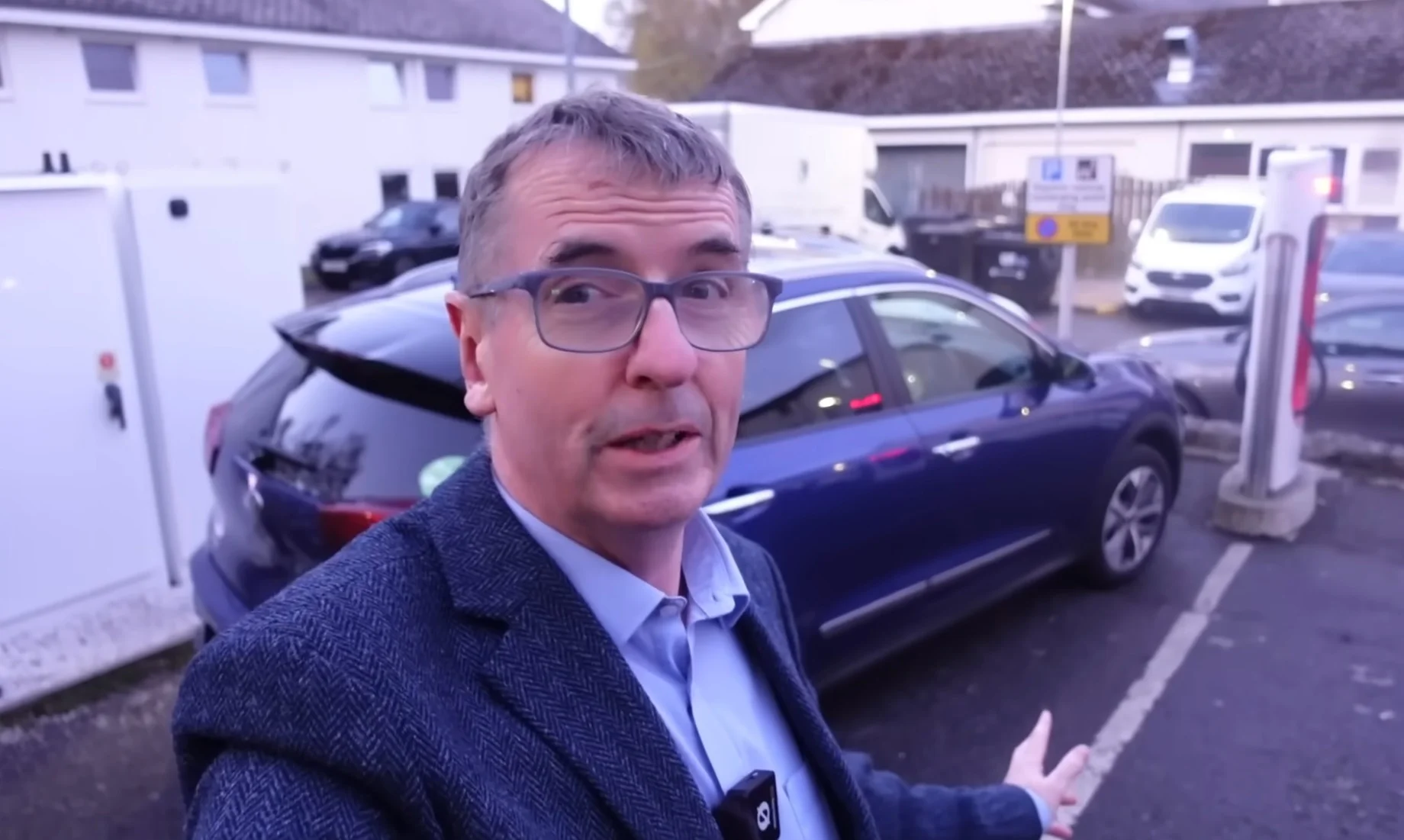
Chargers with white signs are generally compatible with non-Tesla EVs and provide a slow but free top-up.
But hey, free charging is free charging.
And ‘regular’ Superchargers can be cheap, too.
As long as you accept you’re going to have charge off-peak.
“It’s the cheapest rapid charge in the UK if you come at a certain time,” he noted in the video.
He also talked about two minor issues.
First, even if you own a Kia, you’re still required to set up and navigate the Tesla app.
Second, and to be fair this is more geo-specific, cold weather can significantly slow down charging speeds.
This is probably today’s lesson.
Tesla Superchargers are easy to use, but they can be either very expensive or very inexpensive depending on how much ‘strategic’ thought you’re willing to put into it.

Alessandro is an automotive journalist with 10 years of experience covering supercars, automotive history, emerging vehicle technology, and luxury transportation. He wrote the first article published on SupercarBlondie.com when the website launched in 2022 and has since built a reputation for insightful reporting across the automotive and transportation industries. His expertise is grounded in hands-on experience. Alessandro has driven every Tesla model ever produced, from the original Roadster to the Cybertruck, and regularly covers the latest developments in electric vehicles and automotive innovation. His passion for transportation extends beyond cars, he has even flown a Boeing 787 Dreamliner simulator in Addis Ababa, Ethiopia. His reporting spans everything from classic American muscle cars and rare automotive discoveries to luxury yachts, private aircraft, high-end watches, and cutting-edge vehicle technology. Known for his deep knowledge of automotive history and ability to uncover the stories behind iconic vehicles, Alessandro brings readers a blend of historical context, technical expertise, and first-hand experience.