Here's what a Rivian R2 would cost you for a month in California compared to a gas SUV
Published on Aug 23, 2026 at 4:06 PM (UTC-4)
by Alessandro Renesis
Last updated on Aug 26, 2026 at 6:42 AM (UTC-4)
Edited by
Kate Bain
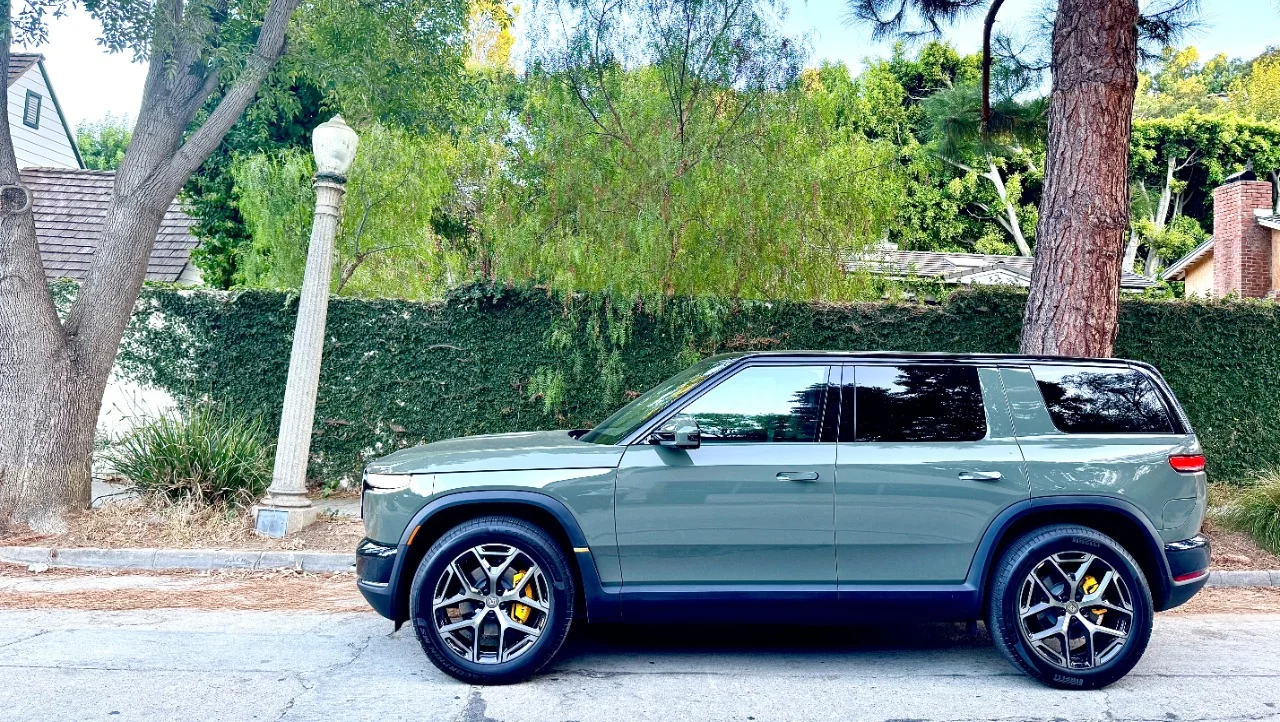

The fully-electric Rivian R2 is here, and more importantly it is also coming to Europe.
As Rivian’s first truly global vehicle, the R2 will have to ‘pass’ the European test, which isn’t necessarily more or less difficult – just different.
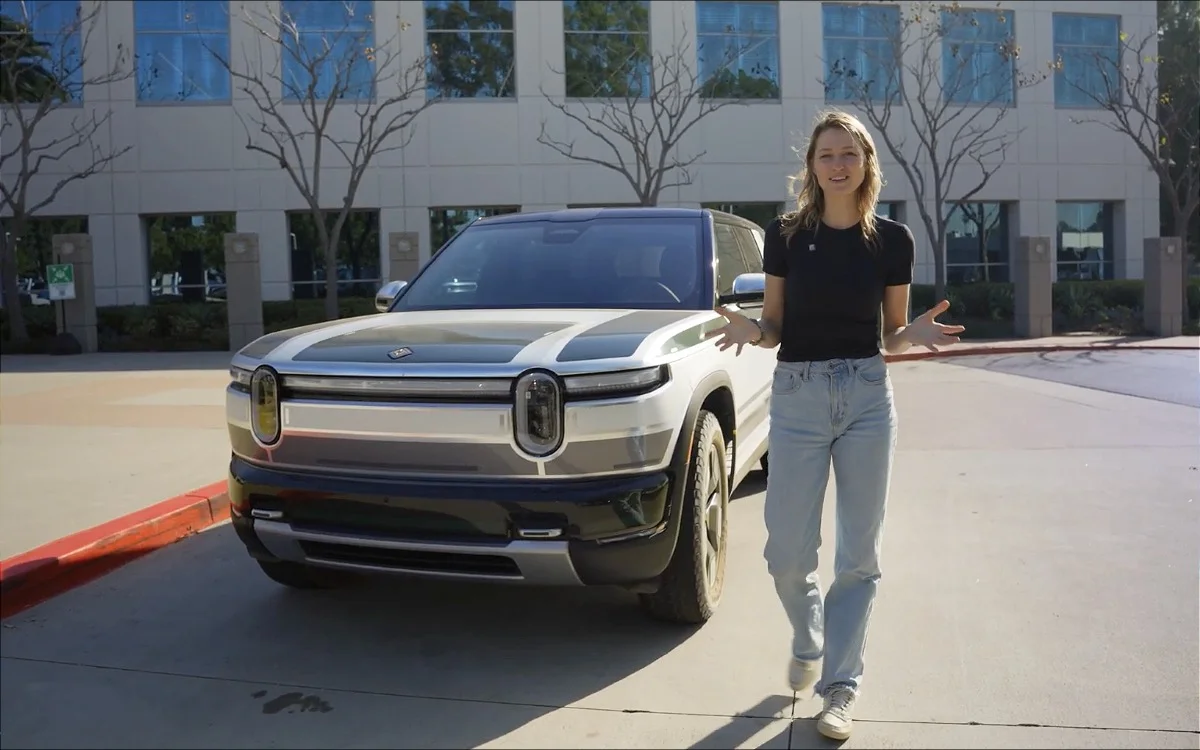
In the meantime, we drove one in California for a week to find out what’s what.
And the result is pretty juicy.
The Rivian R2 feels more premium than your average SUV
In general, most EVs share two things: they feel more ‘techy’ than the average gas vehicle, and they’re faster.
The Rivian R2 is no exception.
The model we drove is the Rivian R2 Performance, an AWD vehicle with two motors for a grand total of 656 horsepower and a 0-60 time of 3.5 seconds.
That’s what you get for $57,990 (MSRP) – so around $60,000, realistically, with a few optional extras.
With most gas cars, you need a lot more cash to get to 600+ horsepower and supercar-level acceleration.
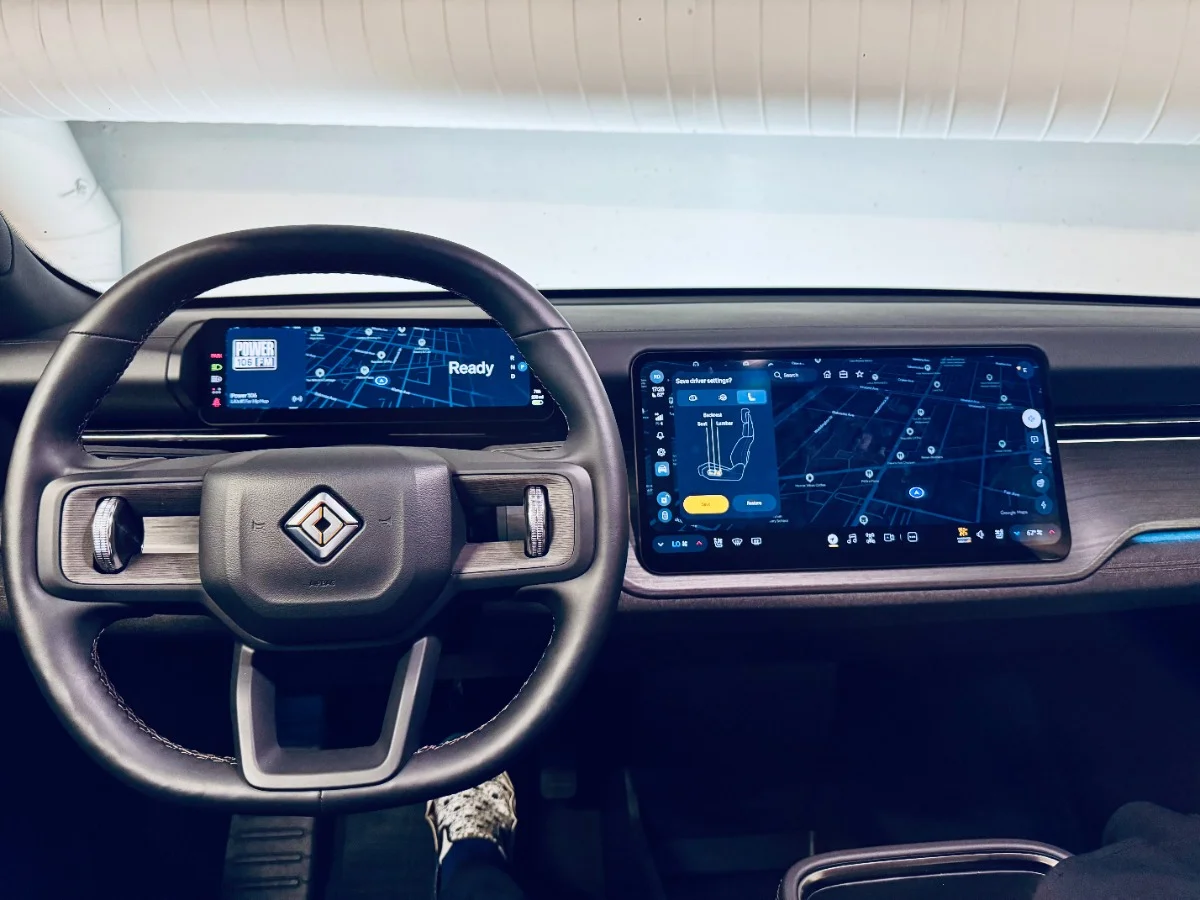
It also feels more premium, partly because of the materials, but also because of its tech.
Related

Why size matters
The Rivian R2, the R1S’s little brother, is a hair under 186 inches long – or 4.72 meters in ‘European’ terms.
This makes it a mid-size SUV in both the European market and the American one, but, as most people know, European roads are generally (much) narrower so the SUV still feels pretty large.
Inside, you get plenty of space for four people (or five, if the person in the middle is small) and plenty of trunk space as well.
This is an SUV, after all.
It’s designed to haul stuff and people in comfort.
The Rivian R2 is cheaper than a gas car if you can charge at home
We tested the vehicle for around 250 miles over seven days, which works out to around 1,000 miles a month.
That number isn’t random.
That is – give or take – the exact average mileage in California.
Let’s start with the good news: it’s cheaper than a gas car.
Even at California’s relatively high residential electricity rates, charging at home makes the R2 significantly cheaper than a standard gas SUV.
You are effectively paying the equivalent of $3.50 per gallon of gas, which also means you get performance car-level acceleration for roughly 35 percent less than the cost of fueling a standard family hauler.

At this rate, a Rivian R2 will cost you around $110-$120 per month in electricity, whereas a regular gas SUV would cost anywhere between $170 and $200, assuming we’re talking about vehicles in the exact same category: mid-size SUVs.
Also, lest we forget, the Rivian R2 doesn’t need oil changes, transmission fluid flushes, spark plugs – none of that stuff.
As long as your tires and brakes are in order, you’re good to go.
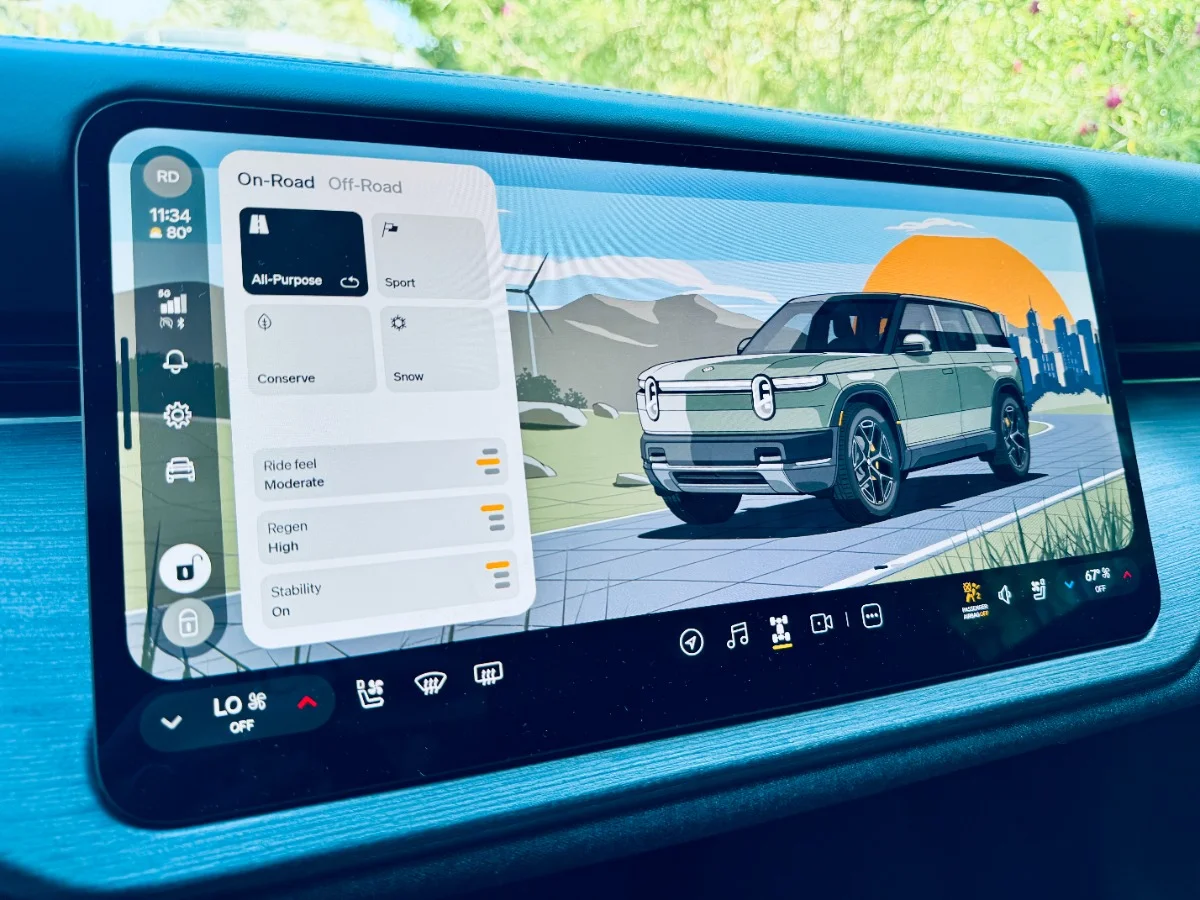
And speaking of brakes, like all EVs, the R2 comes with regenerative braking, which means you can theoretically drive almost without ever touching the brake pedals.
You lift your foot from the throttle and the car will slow down (more or less dramatically, depending on how you set it up) and recoup energy.
The caveats
There’s a universal truth with electric cars: your driving habits make a difference.
With a gas car, the way you drive doesn’t make a huge difference.
Not really.
You’ll never get good MPG out of an AMG G-Wagen, no matter how careful you are.
It’s simply too powerful and wasteful for that.
By contrast, you’ll never get bad MPG out of a Prius, no matter how Dom Toretto-esque you’re feeling – because it’s too efficient for that.
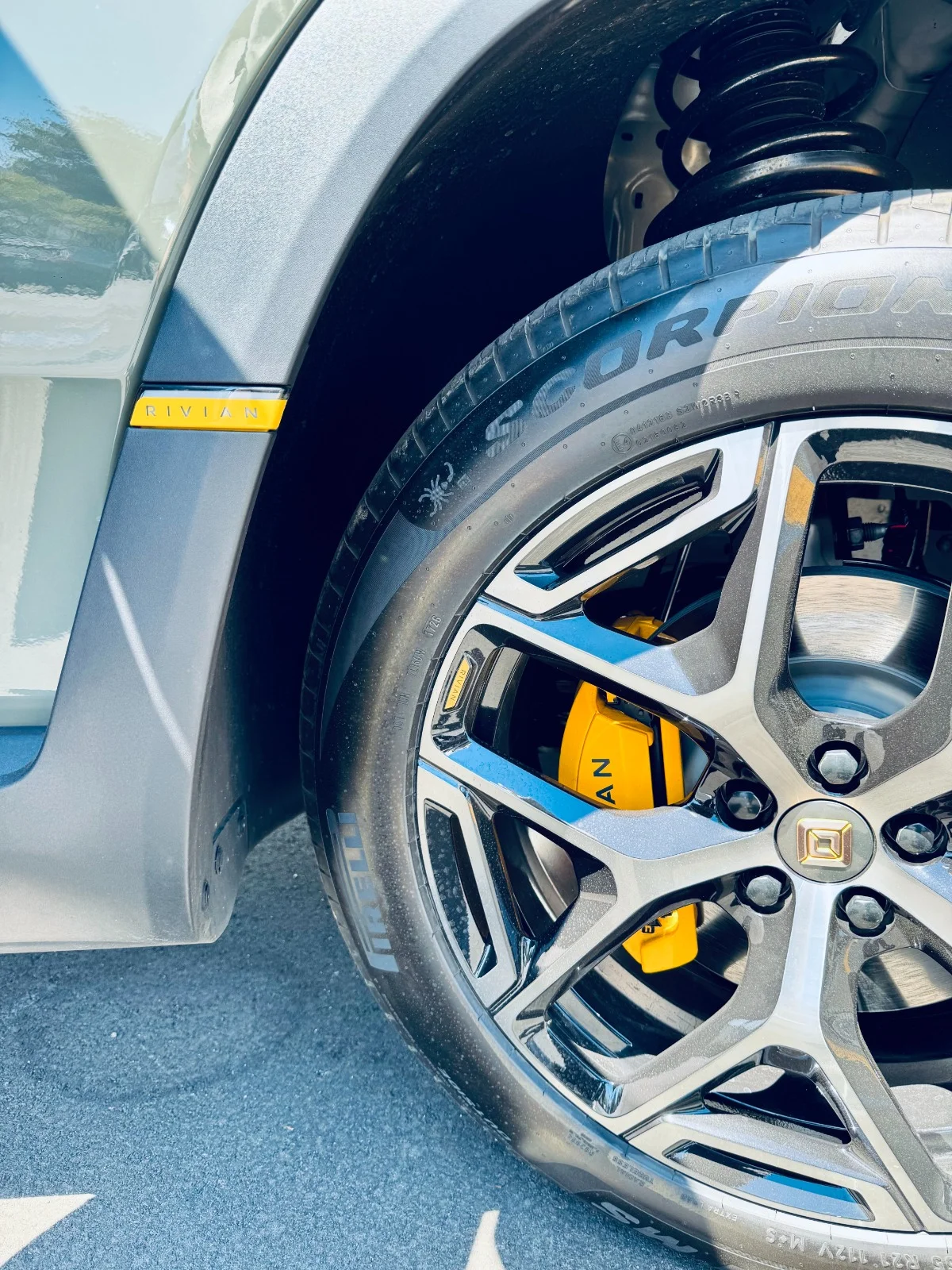
With EVs, it doesn’t really work that way.
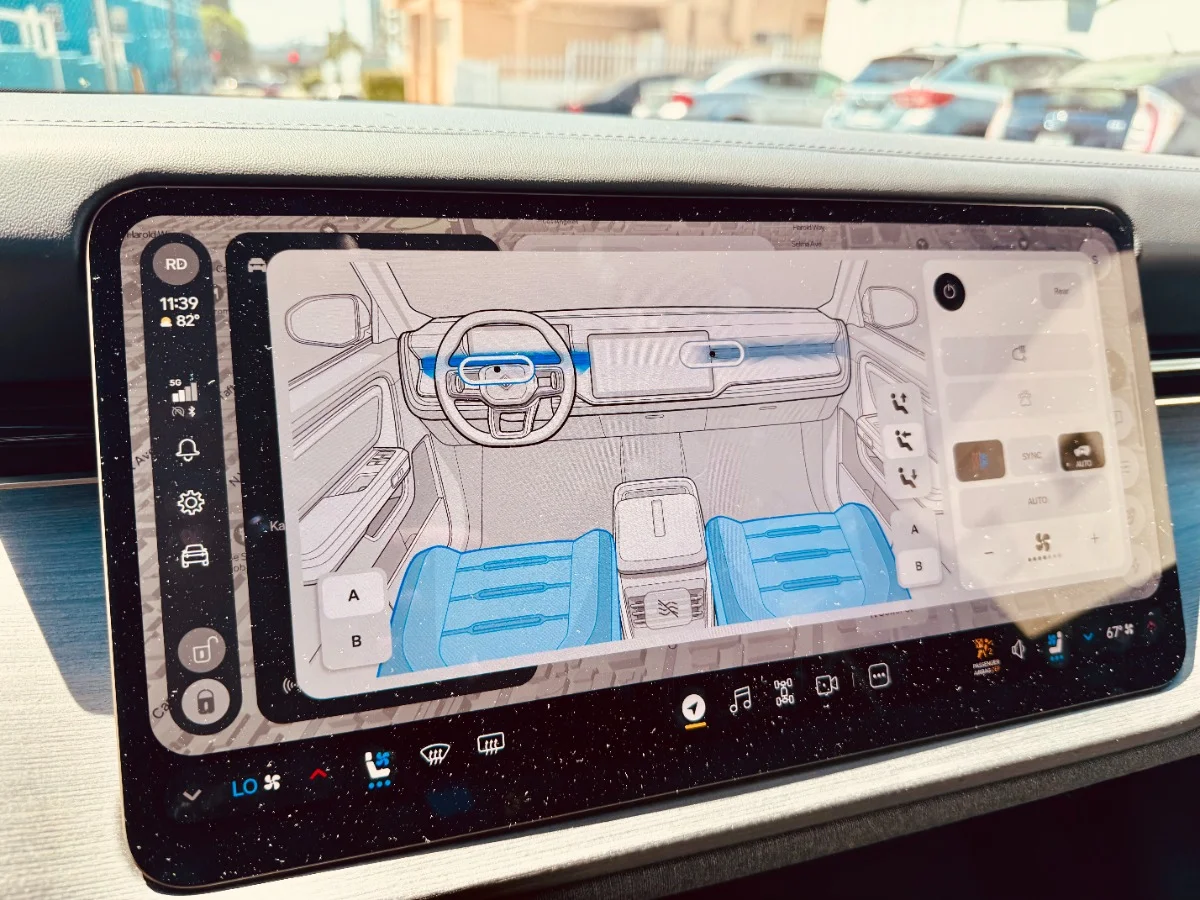
The Rivian R2 comes with different drive modes – both on and off-road – and has heated and ventilated seats.
It also comes with a lot of torque.
But if you decide to have a little bit of fun with the instant torque – with your ventilated seats on in hot, summery California – the projected 330-mile range decreases quite rapidly.
The other caveat is that we used Tesla Superchargers, and those are expensive.
At Tesla Diner, for example, charging a non-Tesla vehicle will cost you $0.85 per kWh, which isn’t cheap at all.
Then again, charging at Superchargers is supposed to be the exception, so, realistically, an R2 owner would only use those in case of emergencies.
Verdict on the Rivian R2
This may be a bit anecdotal, but the reason why people are switching to EVs is that, pound for pound, you feel like you’re getting more for your money.
Some mainstream gas SUVs feel a little bland and a slow, whereas electric SUVs can be fun – because they’re fast and full of tech.
And it’s not just the tech.
Automakers know there’s still a fair bit of skepticism around when it comes to EVs – so they feel like they need/want to go the extra mile by giving their vehicles some quirks and Easter Eggs.
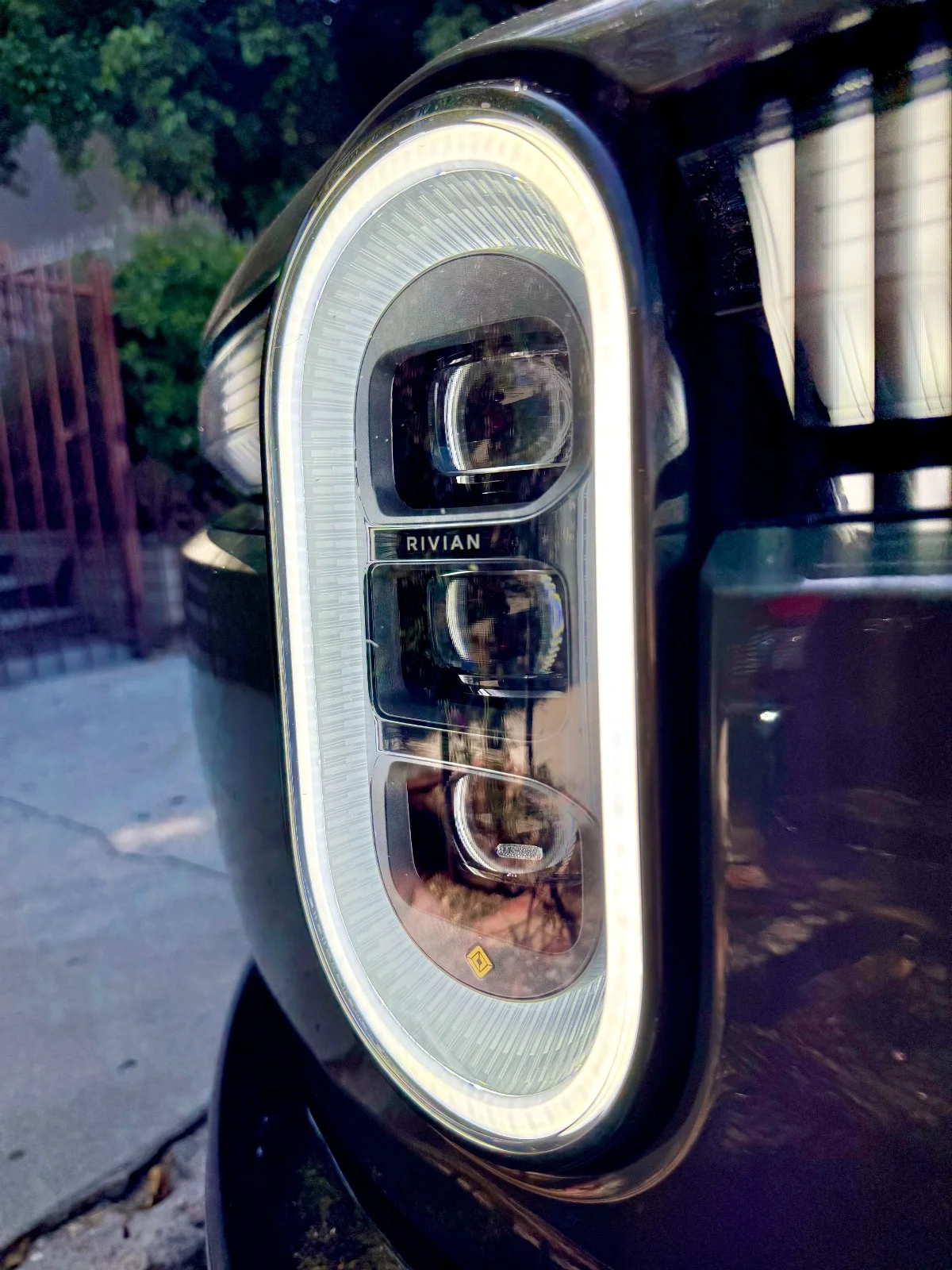
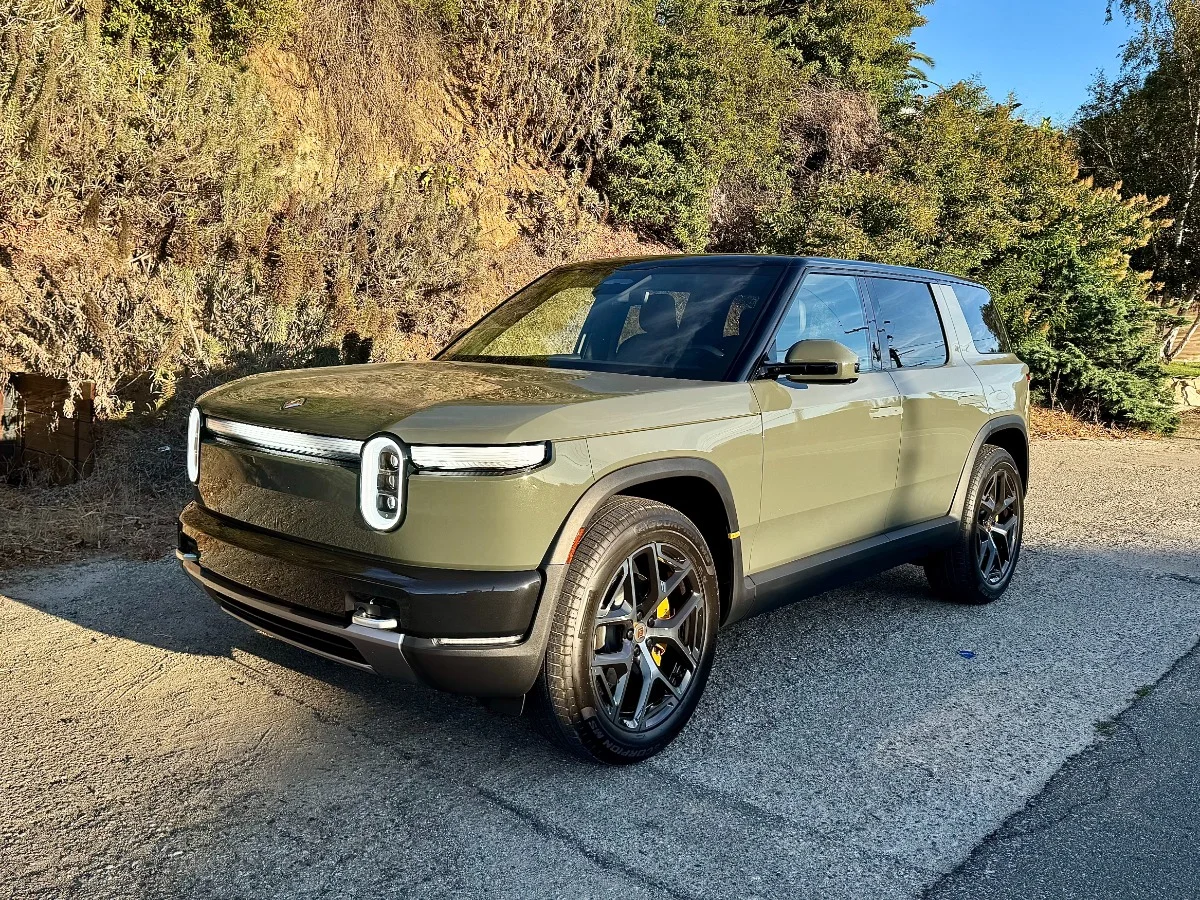
Rivian’s headlights, for example, are pretty cool.
They’re immediately recognizable and give the car a bit of extra character.
The car world is changing quite rapidly.
And ‘newcomers’ like Rivian are pushing legacy brands to do more, and better.
Vehicle as tested
Rivian R2 Performance AWD Dual Motor
Powertrain: 656 horsepower and 609 lb-ft of torque
Battery pack and range: 88kWh battery pack, 330-mile range (EPA)
MSRP: $57,990
Alessandro is an automotive journalist with 10 years of experience covering supercars, automotive history, emerging vehicle technology, and luxury transportation. He wrote the first article published on SupercarBlondie.com when the website launched in 2022 and has since built a reputation for insightful reporting across the automotive and transportation industries. His expertise is grounded in hands-on experience. Alessandro has driven every Tesla model ever produced, from the original Roadster to the Cybertruck, and regularly covers the latest developments in electric vehicles and automotive innovation. His passion for transportation extends beyond cars, he has even flown a Boeing 787 Dreamliner simulator in Addis Ababa, Ethiopia. His reporting spans everything from classic American muscle cars and rare automotive discoveries to luxury yachts, private aircraft, high-end watches, and cutting-edge vehicle technology. Known for his deep knowledge of automotive history and ability to uncover the stories behind iconic vehicles, Alessandro brings readers a blend of historical context, technical expertise, and first-hand experience.