800,000 used EVs are set to hit the market and it'll create a problem for carmakers
Published on Apr 26, 2026 at 2:11 PM (UTC-4)
by Jason Fan
Last updated on May 08, 2026 at 10:17 AM (UTC-4)
Edited by
Emma Matthews


A flood of used EVs from short-term leases is about to hit the market, and it could leave carmakers with a very expensive headache.
Years ago, leasing seemed like a clever way to accelerate EV adoption.
Now, as thousands of lease agreements expire, the gap between expected and actual resale values is becoming impossible to ignore.
In fact, the numbers involved are so big that the entire industry might be affected.
A three-year-old EV can feel very outdated
Leasing played a huge role in getting drivers behind the wheel of electric vehicles in the first place.

Generous incentives, especially in the United States, made monthly payments far more attractive than outright purchases.
For many buyers, short-term leases offered a low-risk way to try EV ownership without long-term commitment.
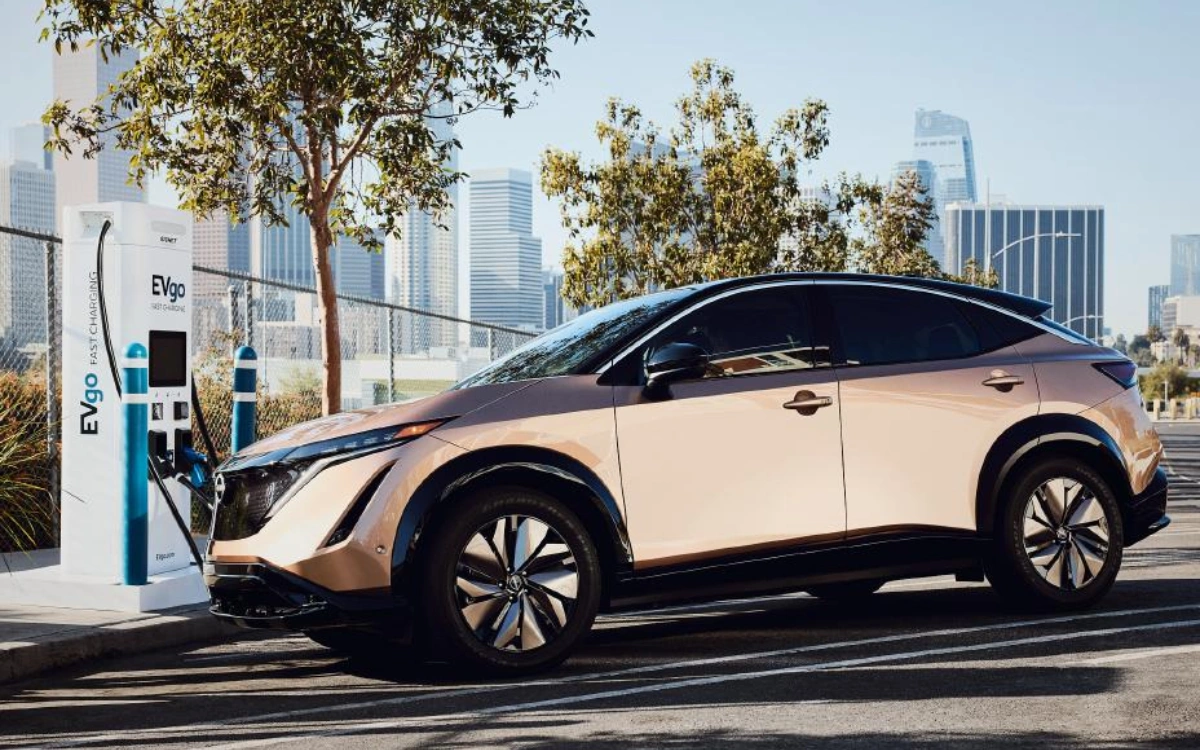
But now those two and three-year leases are ending, and the vehicles are flowing back into the used market all at once.
That is where the problem begins.
At the end of 2025, a typical three-year-old EV retained less than 50 percent of its original value.
In contrast, in 2022, many EVs retained roughly 90 percent of their value after the same period of time.
Analysts estimate that automakers could lose around $10,000 per vehicle on average, adding up to a staggering $8 billion in losses by 2028.
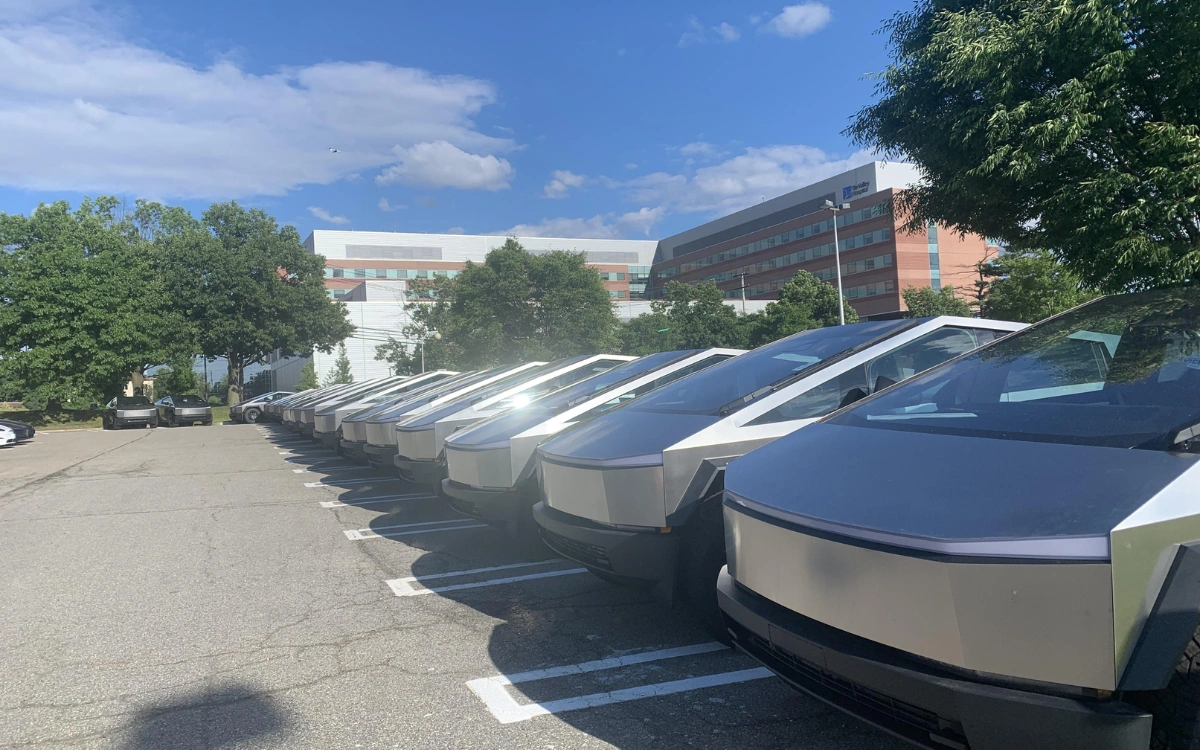
Brands with heavy leasing exposure, particularly Tesla, are expected to feel the biggest impact, followed by major players like General Motors, Hyundai-Kia, and Ford.
But why are EVs suddenly depreciating so quickly?
Part of the issue comes down to how quickly EV technology is evolving.
A three-year-old electric car can feel outdated compared to newer models with longer range, faster charging, and improved software.
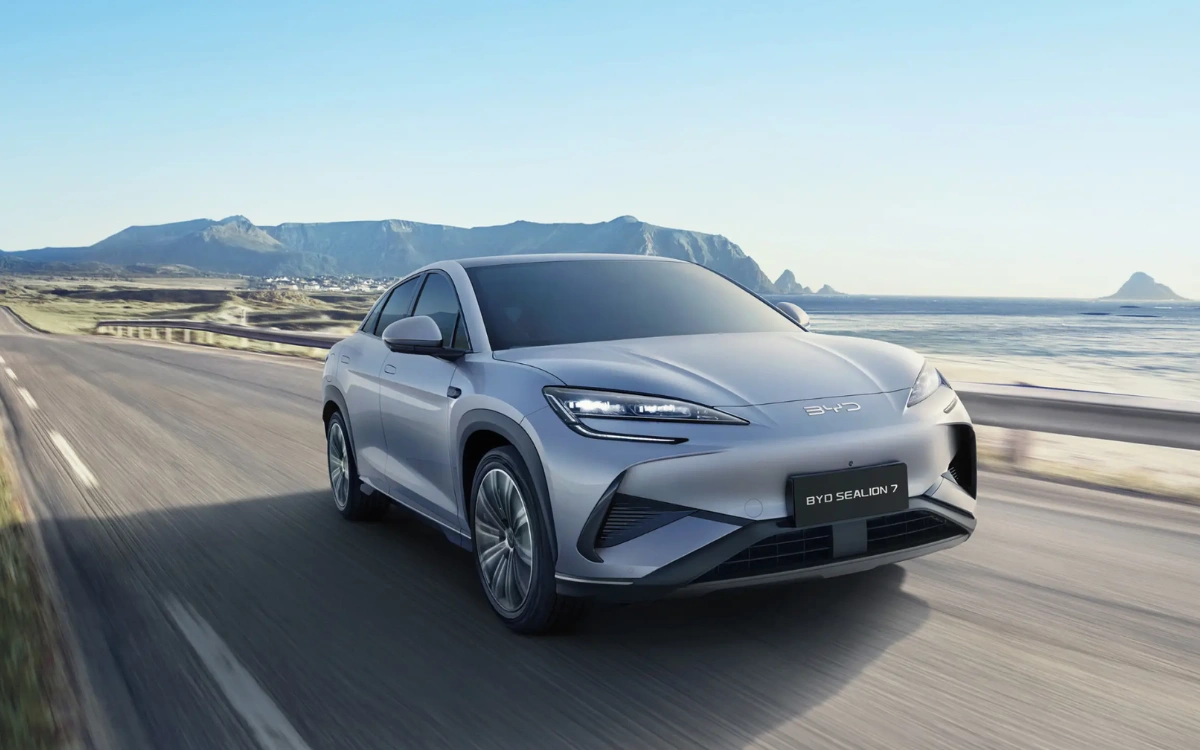
That rapid pace of change makes depreciation steeper than buyers are used to with traditional internal combustion engine cars, which tend to age more gradually.
There is also the question of battery health, which remains a major concern for used EV buyers.
Unlike a gasoline engine, where wear and tear is relatively predictable, battery degradation can vary depending on usage, climate, and charging habits.
While many recent studies show that EV batteries do not degrade nearly as fast as most people think, uncertainty still lingers and often pushes buyers toward lower prices.
Cheaper new EVs make used EVs less attractive
Charging infrastructure is another factor.
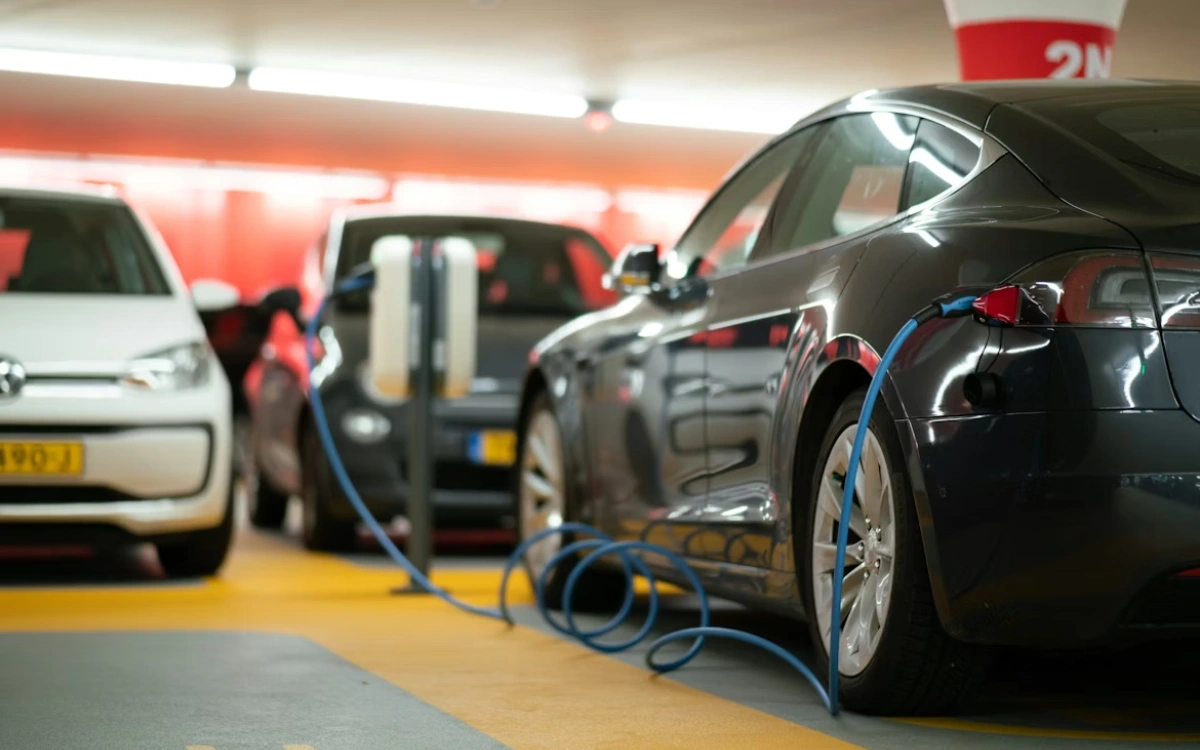
For drivers without easy access to home charging, owning a used EV can feel less convenient than owning a used gasoline car.
After all, barring some very new technology being tested by some Chinese carmakers, charging an EV takes significantly longer than filling up with gas.
Add in fluctuating government incentives and occasional price cuts on new EVs, and suddenly the value proposition of a used model becomes harder to justify.
While this is certainly problematic, automakers are not standing still.
Many are working with dealers and auction platforms to move inventory faster, while some are exploring certified pre-owned EV programs or even new leasing options for used EVs.
Lower prices are also helping attract budget-conscious buyers who want to go electric without paying new-car premiums.
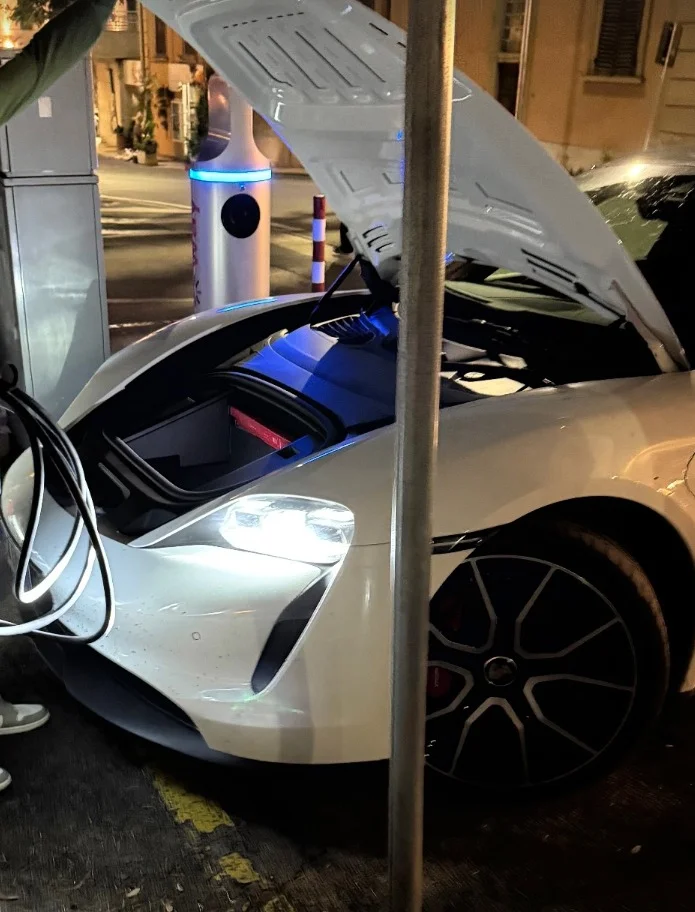
The Porsche Taycan is an example that’s often used, and for good reason.
We recently spoke with two Taycan owners, and there’s one thing about their respective experiences that stood out.

One bought a Taycan GTS around three years ago and has been using it as a workhorse since.
Meanwhile, the second owner only bought their – a 4S model, not the GTS – a year ago, and he has been using it as a luxury vehicle, which is what this is, technically.
However, they have one thing in common: both cars depreciated like crazy.
The owner of the GTS in particular told us a bit more about the situation, and it’s not rosy.
“The lease expired, and so I had to exercise the buyout option: it was €65,000 [around $75,000], but the car is now worth €40,000, maybe €45,000. Tops. It’s mad,” the owner told Supercar Blondie.
“In terms of market value, it’s probably closer to €40,000 considering age and mileage. But I’d let it go for €35,000,” he said.
Still, the real test is yet to come.
With as many as 800,000 off-lease EVs expected to hit the market by 2028, the industry will need to find a balance between supply and demand.
Whether that results in a thriving used EV market or deeper financial losses remains to be seen.