Land Cruiser pickup converted into an 800HP EV with 621-mile range and man puts it to the test to see if it's the real deal
Published on Nov 03, 2026 at 3:07 AM (UTC-5)
by Ben Thompson
Last updated on Nov 03, 2026 at 3:07 AM (UTC-5)
Edited by
Mason Jones
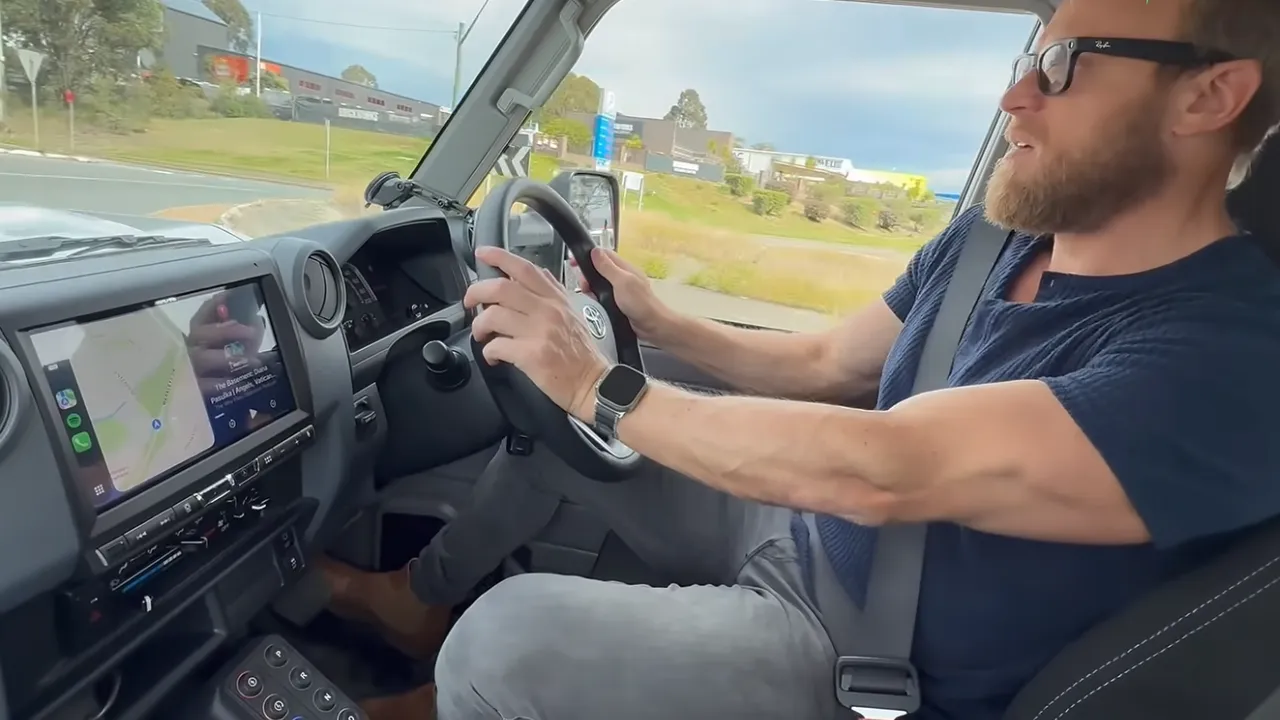

This Land Cruiser pickup had been converted into an EV and a YouTuber got to take it out for a spin to see if it was as good as the original.
On paper, this EV convert has all the goods to justify its electrification.
We’re talking 800hp and a 621-mile range, to be clear.
But when this YouTuber got behind the wheel, would it deliver?
We’ve seen some epic EV conversions
As cool as EVs are on their own, there’s something extra special about a formerly gas car that’s been electrified.

We’ve seen some pretty epic ones over the years.
One businessman spent four years transforming his Rolls-Royce Ghost with a Tesla motor, while another gave his 1980s Toyota truck the EV treatment.
They usually take a lot of work to get right, but the final product is well worth the effort.
YouTuber The Electric Viking got to try out an EV conversion for himself.
An Australia company has transformed the Land Cruiser
Australian Electric Vehicle Specialists was the company behind this electric Land Cruiser.
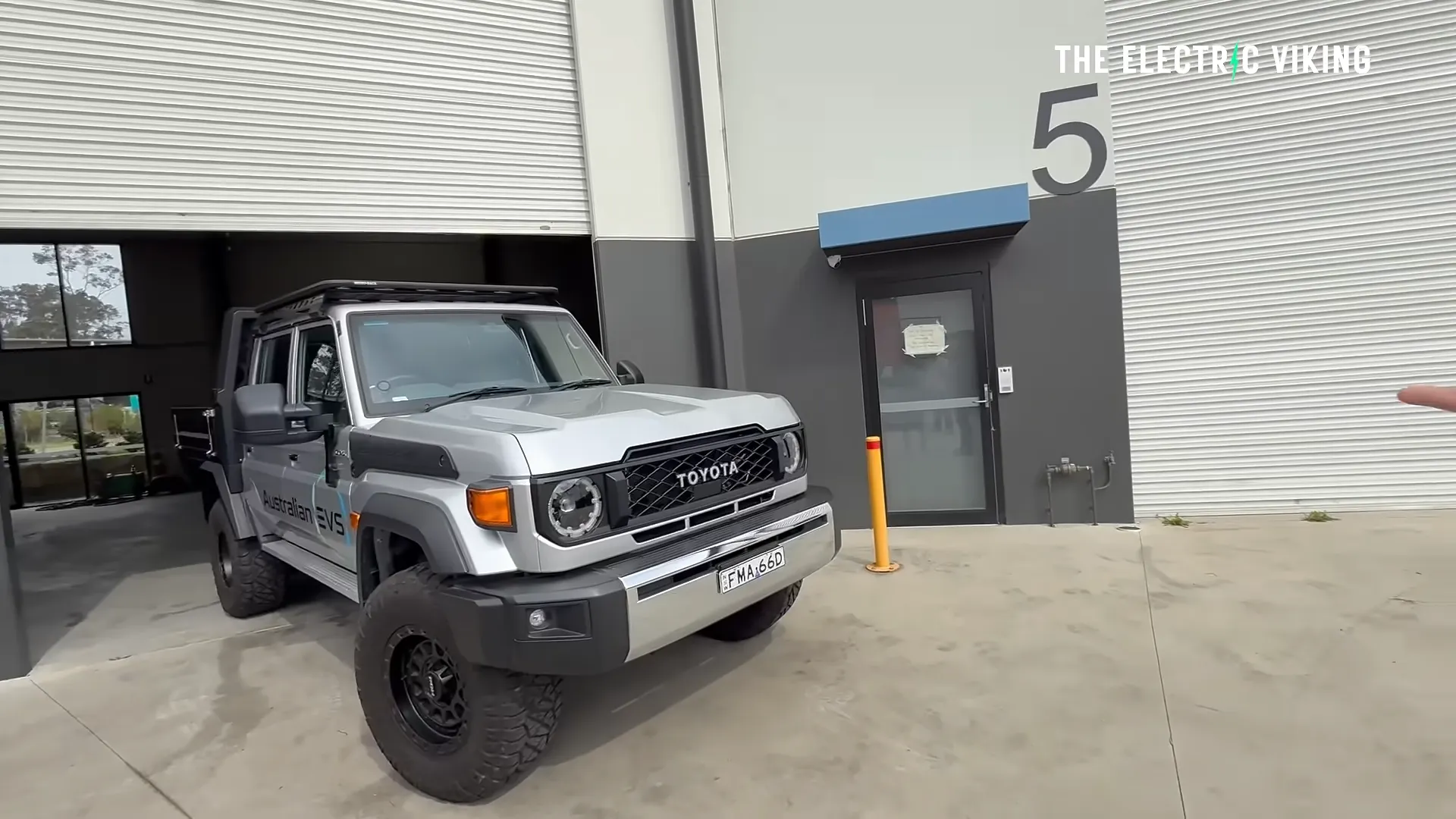
Its 0 to 62mph time is between 6 and 7 seconds, which is quicker than the 12 it takes a stock model.
While charging times haven’t officially been published, the presenter estimated that getting to 80 percent from 10 percent would take roughly an hour when using a 150kW DC charger.
But leaving all the figures aside, how did this truck handle out on the road?
The Electric Viking was going to find out for himself.
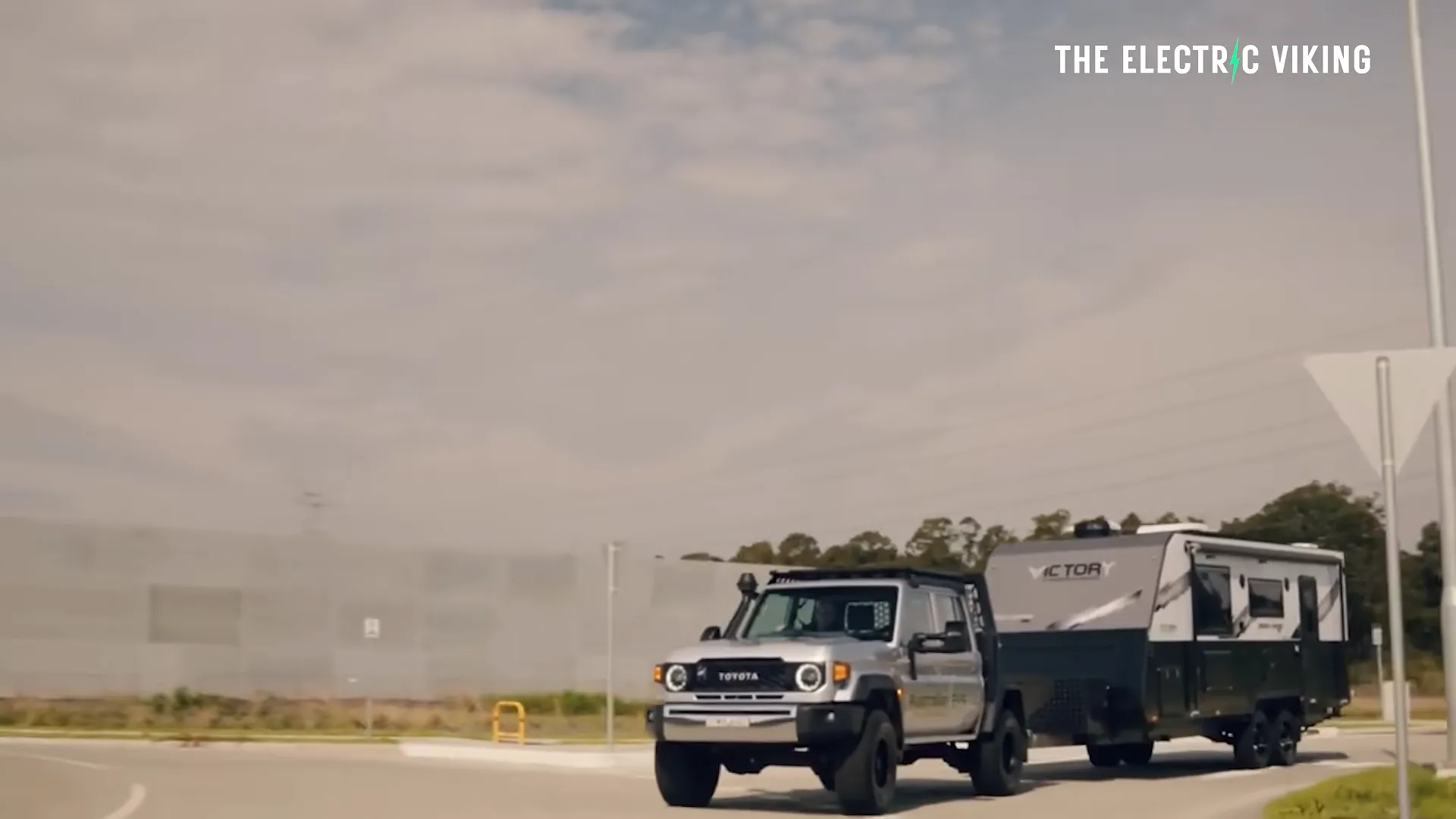
Would this electric Land Cruiser deliver out on the road?
The YouTuber spoke positively of the EV’s performance, noting that its instant response was a ‘big improvement’.
“It just felt way better to drive,” he admitted.
And it’s still got the same towing capabilities as before, rated at 3.5 tonnes.
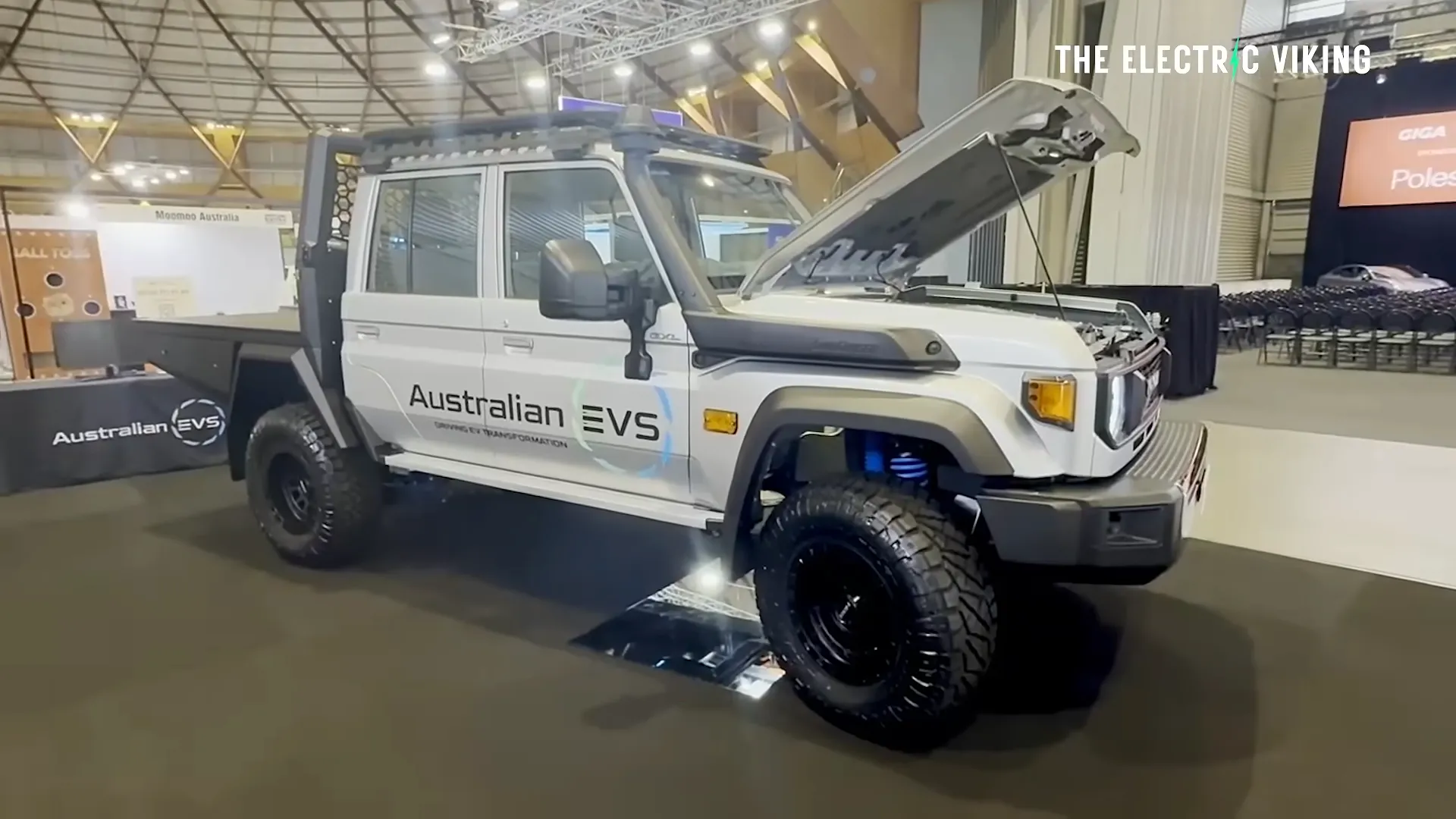
The Land Cruiser is the default vehicle on most Australian mine sites, and mines with on-site solar, wind and batteries can offer up charge readily.
Given that diesel fumes in an underground environment can lead to health complications, it makes sense for more of these trucks to go electric.

When contacted for comment, The Electric Viking expanded further on what he thought of the vehicle.
“It’s one of the most interesting EVs I’ve driven, not because it’s fast, although it is, but because of how normal it feels,” he told Supercar Blondie.
“It still has the solid, planted feel a Land Cruiser is supposed to have, it’s just quiet and it pulls hard from any speed.
“The torque is instant, which is exactly what you want in something built for site work and towing. The thing that stood out most was that nothing about it felt like a compromise. Most conversions feel like a science project. This felt like a product.”
Timeline of Electric Vehicles in Australia
1899: Henry Sutton built Australia’s first electric car – a three-wheeler that could go around 40km per charge.
1906 – 1910: Electric taxis come to Melbourne and Sydney, but cheaper gas cars have practically pushed them off the road by the 1930s.
1983: The Australian Electric Vehicle Association was formed to advocate for EVs.
2008: The home-grown Blade Electron, a Hyundai Getz conversion, was the first commercially EV on the roads. About 50 were built.
2010: Mitsubishi becomes the first carmaker to release a mass-production EV in Australia – the i-MiEV.
2012: The Nissan Leaf launched.
2023: With around 65,000 EVs sold, they made up 8 percent of new car sales.
2025: EVs surge to 13.1 percent of all new car sales in the country, hitting 16.7 percent in December.
2026: In the first half of the year, EVs were 25 percent of new car sales, increasing to 36 percent in August.
Ben joined Supercar Blondie in February 2025 after being published by international organizations including LADbible, The Sun, the New York Post, and the Daily Mail. He covers supercars, rare and collectible vehicles, aviation, luxury assets, and the fascinating people behind them. His reporting has explored everything from seven-figure supercars and historic Ferrari collections to unusual aircraft adventures and extraordinary automotive discoveries from around the world. Ben has also gained first-hand insight into vehicle craftsmanship and customization, including visiting specialist workshops to see bespoke vehicles up close.




