London cab driver investigates the 'brutal' economics of New York taxis and is left stunned at what he finds
Published on Jul 02, 2026 at 6:05 AM (UTC-4)
by Ben Thompson
Last updated on Jul 03, 2026 at 1:19 AM (UTC-4)
Edited by
Kate Bain


When this cab driver looked into the economic realities of New York taxis, he was left shocked by what he learned.
The yellow taxi cab is an iconic staple of the Big Apple.
But for Tom the Taxi Driver, he wanted to investigate the economics behind this profession.
He came to learn that being a yellow taxi cab driver was a demanding and expensive way of life; but was the pay-off worth it?
New York taxis are part and parcel of life in the big city
Whether you’ve seen them in movies or on travel websites, you’ll be well acquainted with the iconic New York taxis.
Their distinctive yellow color helps them stand out from a mile off, and has made them recognizable around the world.
But have you ever considered how much it costs drivers to operate one of these cabs?
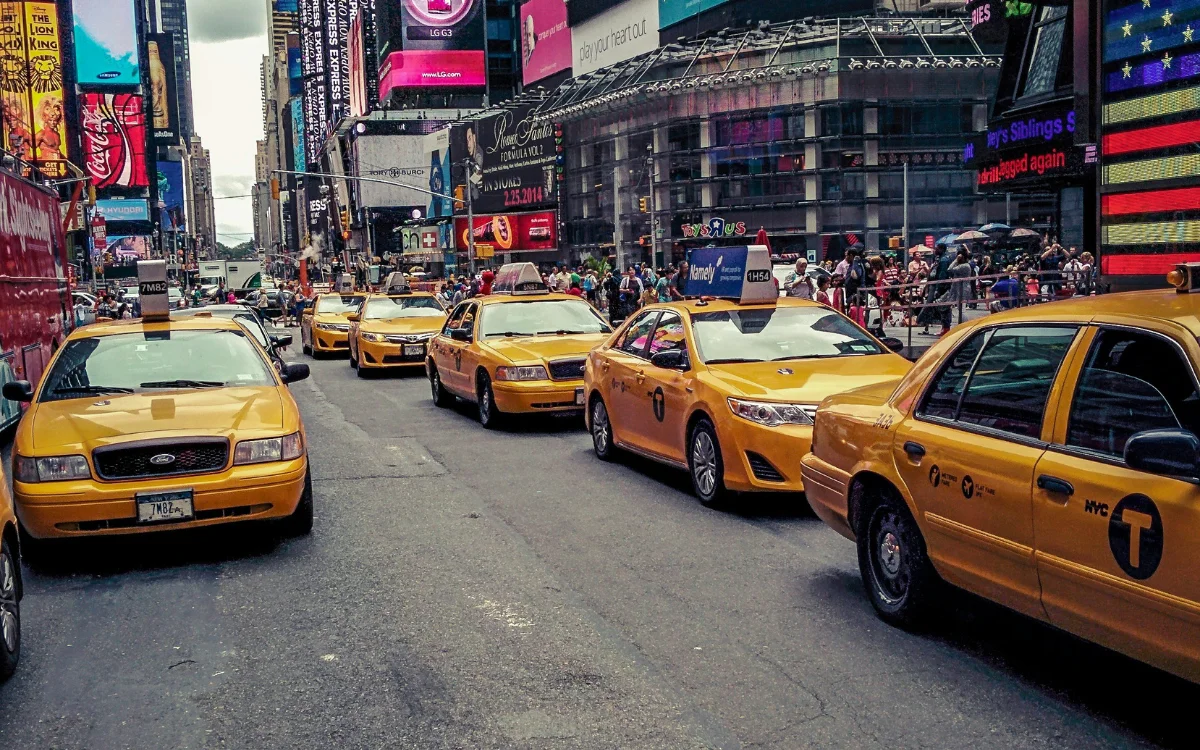
London cab driver and YouTuber Tom the Taxi Driver decided to do some investigating on his YouTube channel.
The first thing that struck him was how little knowledge was required to be a taxi driver in the Big Apple.
While a cab driver in London would be expected to learn routes stretching from the capital’s center into the suburbs, he said this didn’t appear to be the case in New York.
“Many of the customers I’ve had in my cab over the years have said that New York taxi drivers don’t really know where they’re going,” Tom said.
“It’s a grid system. I don’t get how you could screw it up.”

He admitted this was partly what surprised him most during his trip to New York City.
“My biggest surprise was the huge variety of drivers and their varying knowledge, both of the city and about the taxis,” he told Supercar Blondie.
“It was actually difficult to get a lot of information out of them because they didn’t know the answers.”
But geographical knowledge aside, what was the economic side of driving a New York taxi?



The numbers left this cab driver shocked – and it’s no wonder
In order to drive a yellow cab, you’re going to need a whole lot of green.
If you were renting the cab, you’d be looking at daily costs of around $600.
Alternatively, you could rent one out on a weekly charge of $1,000.

In London, that would be the equivalent of 2.25 electric taxis or 3.5 diesel taxis.
Not that you could get half of a taxi, but you get the point.
Tom spoke to one cabbie who had purchased a medallion for $220,000 back in 2019.
What is a medallion? It’s essentially a plaque that goes on the front of a taxi cab, essentially to certify it as a legitimate taxi service.
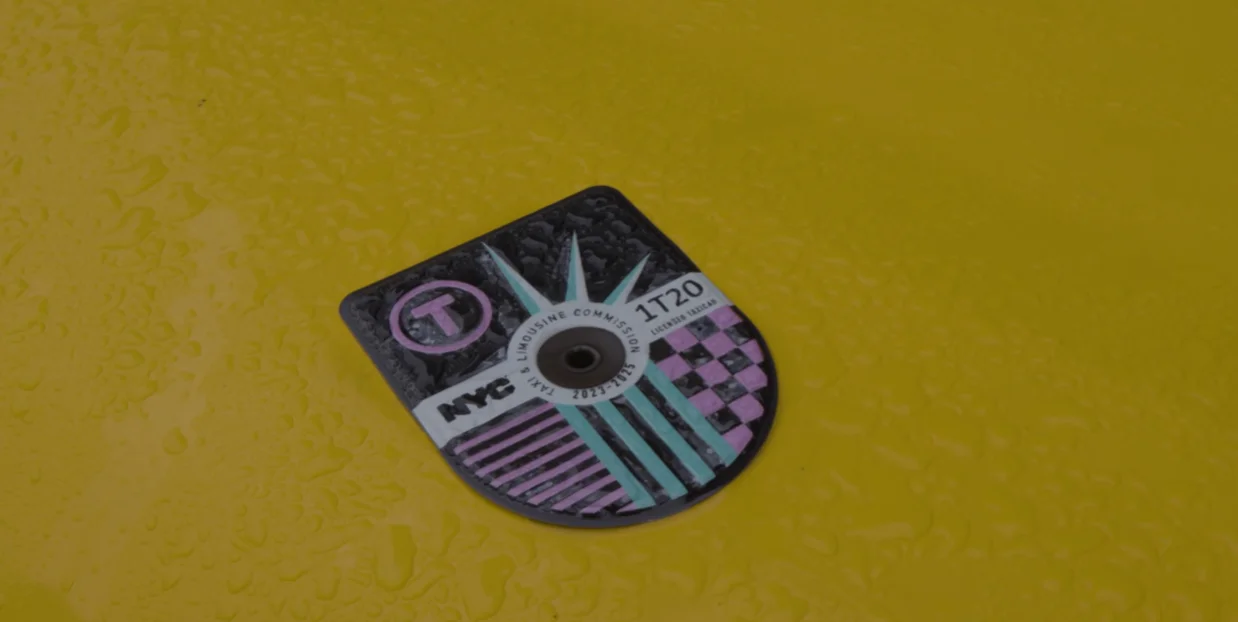
This driver splits use of the taxi with his father and often puts in a grueling 15 to 18 hour shift.
Thanks to this, they’re making around $4,000 a week, which equates to $16,000 a month.
After expenses, that’s around $12,000 to $13,000 in profit.
That’s a solid pay-day, but it doesn’t come easily.
“No work targets, no day off, just keep going, going, and going,” Tom summarized.

It’s no wonder then that some cabs rack up ridiculously high mileage.
Timeline of New York taxis
1897: The Electric Vehicle Company runs 1,000 electric cabs on the streets.
1907: When the company goes insolvent, horse-drawn carriages briefly dominate, before 65 gasoline cars are imported in. The New York Taxi Cab Company is founded.
1908: The New York Taxi Cab Company rapidly expands to run 800 cabs.
1937: The Medallion System is born, intended to limit and control the market. It’s now illegal to pick up street hails without a physical medallion on the cab.
1996: After years of restricted supply, the city auctions off 2,000 new medallions, allowing individuals to buy them using financial packages.
2012: Uber arrives in New York City.
2014: The value of a taxi medallion hits an all-time high of $1,000,000.
2021: The city steps in with a restructuring relief program to help drivers after they were hit hard by the COVID-19 Pandemic.
2023: Thanks to the ‘Curb Flow’ system, taxi drivers can now field requests from third-party apps.
Ben joined Supercar Blondie in February 2025 after being published by international organizations including LADbible, The Sun, the New York Post, and the Daily Mail. He covers supercars, rare and collectible vehicles, aviation, luxury assets, and the fascinating people behind them. His reporting has explored everything from seven-figure supercars and historic Ferrari collections to unusual aircraft adventures and extraordinary automotive discoveries from around the world. Ben has also gained first-hand insight into vehicle craftsmanship and customization, including visiting specialist workshops to see bespoke vehicles up close.