A staggering 70% of EV batteries are now under the control of China as the gap widens
Published on Mar 20, 2026 at 10:06 PM (UTC+4)
by Molly Davidson
Last updated on Mar 20, 2026 at 12:49 PM (UTC+4)
Edited by
Mason Jones
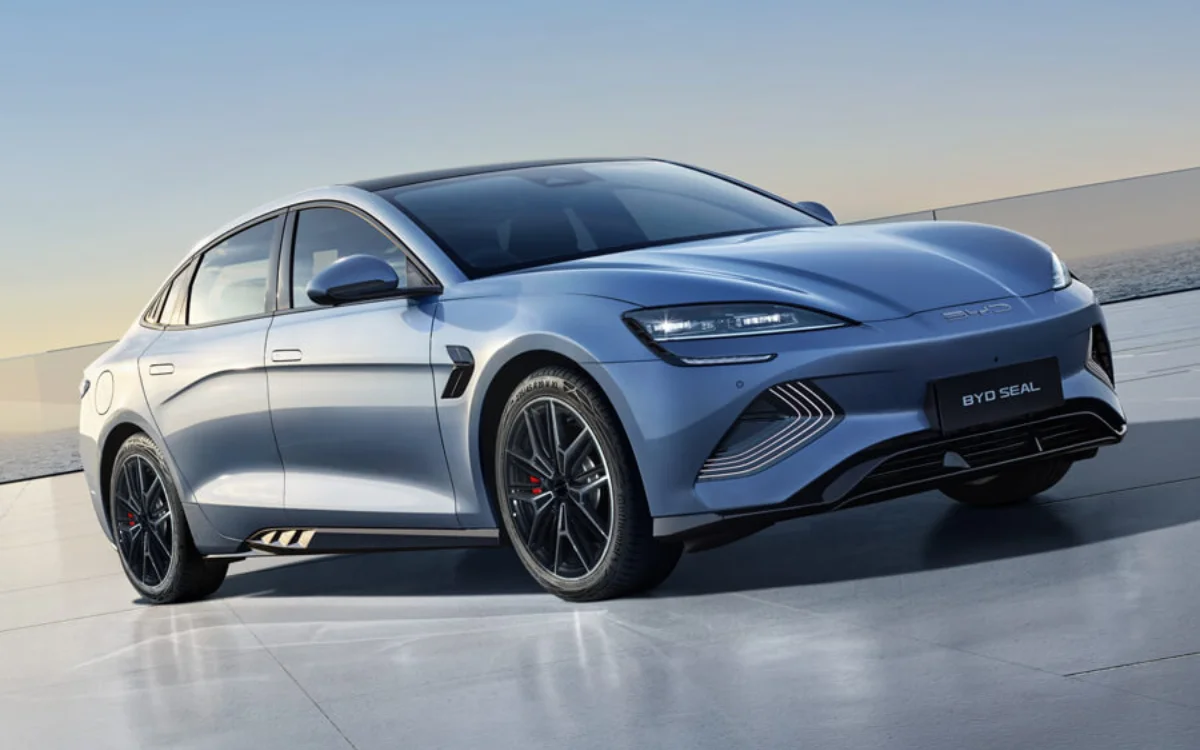

China’s grip on EV batteries isn’t just growing, it’s pulling away from the rest.
The gap between Chinese makers and everyone else has widened fast in just a few years.
Now it’s big enough to start shaping how the entire market works.
From supply to pricing, the effects are already kicking in.
Click the star icon next to supercarblondie.com in Google Search to stay ahead of the curve on the latest and greatest supercars, hypercars, and ground-breaking technology
China now produces nearly 70% of the market’s EV batteries
Chinese battery makers accounted for around 70 percent of global EV battery production in 2025, up from less than half the market in 2021.
That kind of jump doesn’t happen by accident.
It comes down to scale, control, and getting there early.
At the centre of it is CATL, still the industry leader by a clear margin.
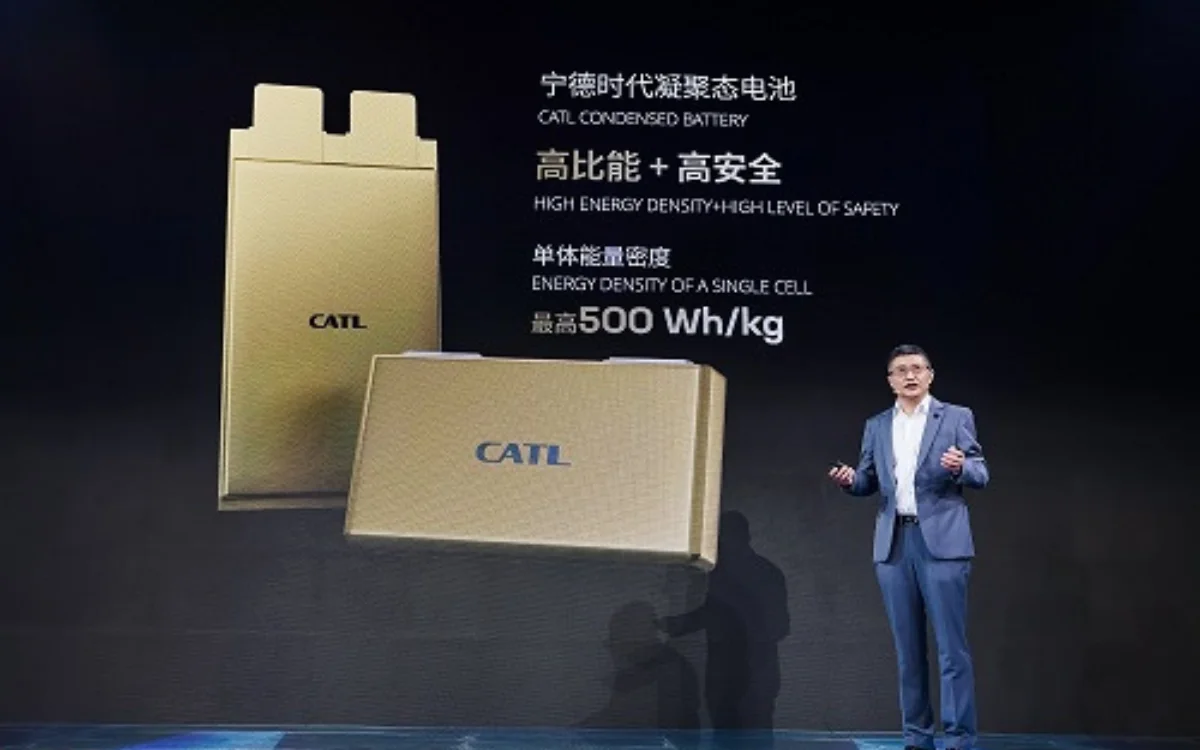
The company pulled in a record 72.2 billion yuan in profit in 2025, up 42 percent year-on-year, which shows just how far ahead it is.
Right behind it is BYD, which has taken a slightly different route by building batteries for its own cars while also supplying other brands like Stellantis and Xiaomi.
That combination has given Chinese firms a huge advantage.
While rivals rely on outside suppliers and tighter margins, companies like CATL and BYD control most of the process themselves.
That means they can move quicker, build at scale, and stay profitable even when the market shifts.
They’ve also avoided some of the slowdown hitting other regions.
Chinese battery makers were never deeply tied to the US market, so when demand softened and subsidies changed, they didn’t take the same hit.
Instead, they’ve kept expanding elsewhere, especially in Europe, where BYD is building new manufacturing sites in Hungary and Turkey.
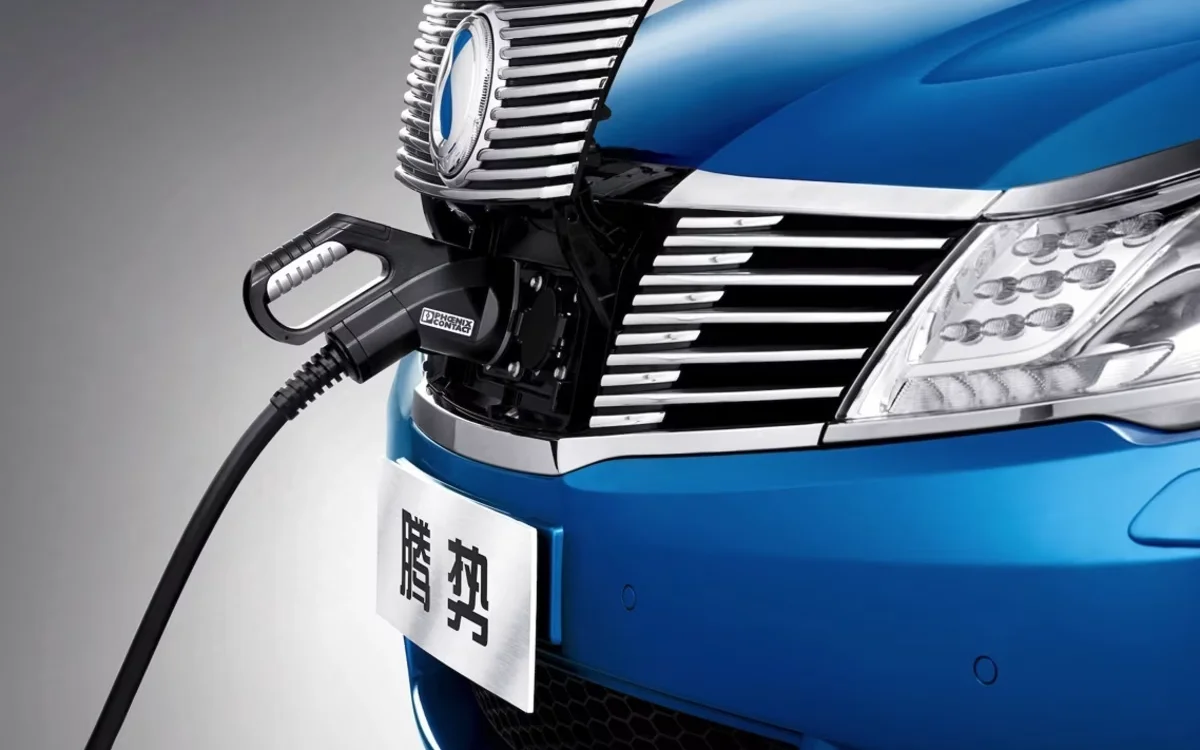
What happens next as rivals try to catch up
That growing lead is starting to squeeze competitors.
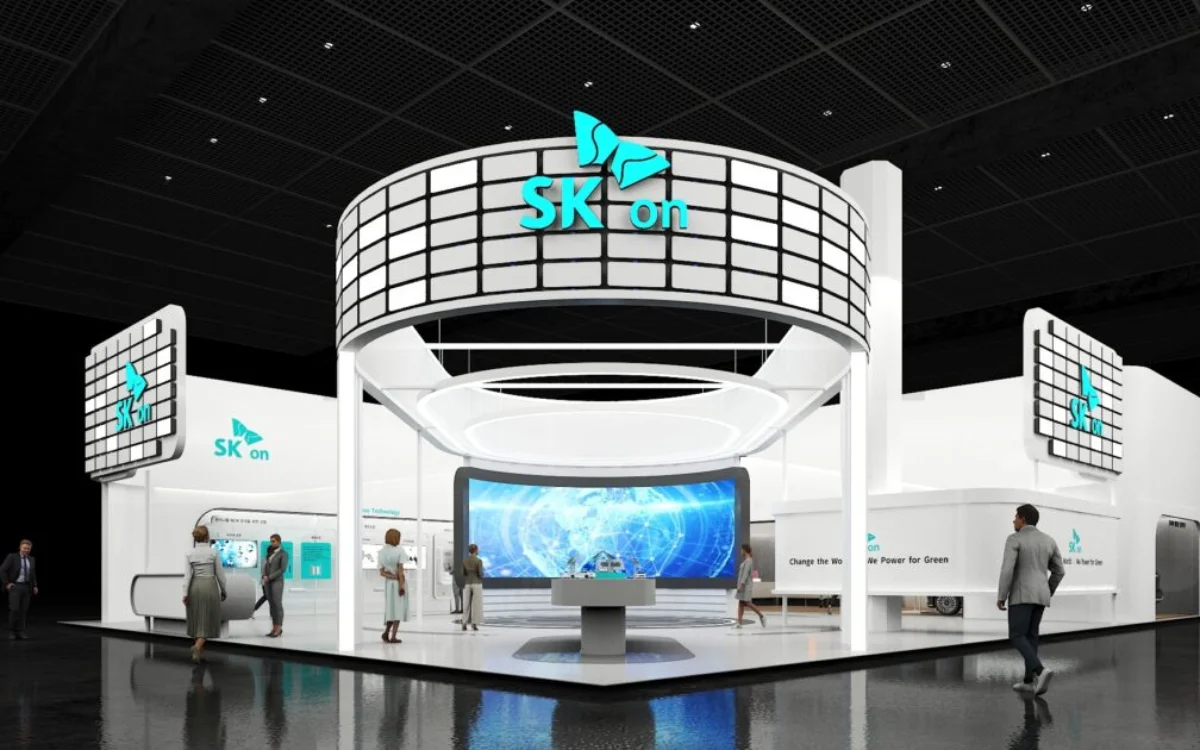
South Korean battery makers like LG Energy Solution and SK On have already felt it, with slowing EV demand and policy changes forcing them to adjust.
SK On has cut hundreds of jobs at its Georgia plant, while LG has reworked parts of its US operations alongside Honda.
Even so, the picture isn’t completely one-sided.
Early 2026 data shows electrified vehicle sales in China dropped 28 percent year-on-year across January and February after subsidy changes, which could push weaker players out of the market.
If that happens, the industry may shrink, but the strongest companies could come out even further ahead.
And that’s the bigger shift taking shape.
If Chinese firms keep pulling away, they won’t just lead the market, they could start setting the price for EV batteries globally.
For carmakers trying to build affordable electric vehicles, that’s the part that really starts to bite.
DISCOVER SBX CARS: The global premium car auction platform powered by Supercar Blondie
With roles at TEXT Journal, Bowen Street Press, Onya Magazine, and Swine Magazine on her CV, Molly joined Supercar Blondie in June 2025 as a Junior Content Writer. Having experience across copyediting, proofreading, reference checking, and production, she brings accuracy, clarity, and audience focus to her stories spanning automotive, tech, and lifestyle news.