Man drives 4 electric cars including Tesla and Hyundai in sub-zero temperatures to see how they compare for range and efficiency
Published on Jan 19, 2026 at 11:01 AM (UTC+4)
by Jason Fan
Last updated on Jan 19, 2026 at 9:59 PM (UTC+4)
Edited by
Mason Jones

Electric cars behave very differently in cold weather, and this winter range test of the Tesla Model Y and Hyundai Ioniq 5 N proves just how much winter can change the numbers.
With UK temperatures hovering around freezing, four electric cars were driven together, at the same time, on the same roads.
By keeping conditions identical, the test aimed to be as fair as possible.
The results revealed how automotive design priorities shape winter performance.
SBX CARS – View live supercar auctions powered by Supercar Blondie
Electric cars generally lose a lot of range in winter
The experiment comes from YouTube channel RSymons “RSEV”, where host Richard Symons found himself in the perfect situation for a winter range test.
A convoy drive meant motorway speeds, wet and salty winter roads, and fully loaded cars.
These are all factors that tend to punish EV efficiency, although there are ways you can get some range back.
The lineup included three Tesla Model Y variants: a Long Range with aero covers, a Long Range without them, and a Performance model.
Rounding things out was the Hyundai Ioniq 5 N, a hardcore performance EV that is more known for performance than range.
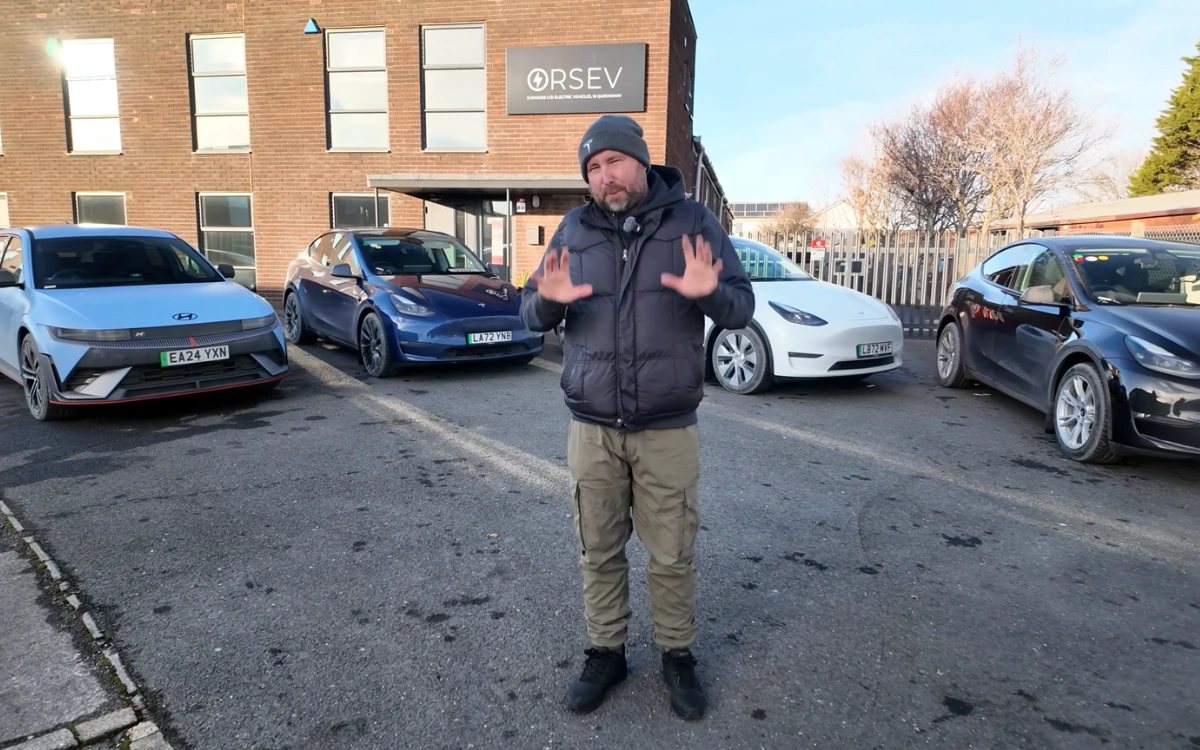
Over the 63-mile return journey used for comparison, the Hyundai Ioniq 5 N delivered an efficiency figure of 2.5 miles per kWh.
That equates to a real-world winter range of roughly 185 miles, even with four occupants and motorway driving.
While the range may seem disappointing, Symons was quick to point out the contest: wide tyres, aggressive tuning, and track-ready hardware all make for poor efficiency.
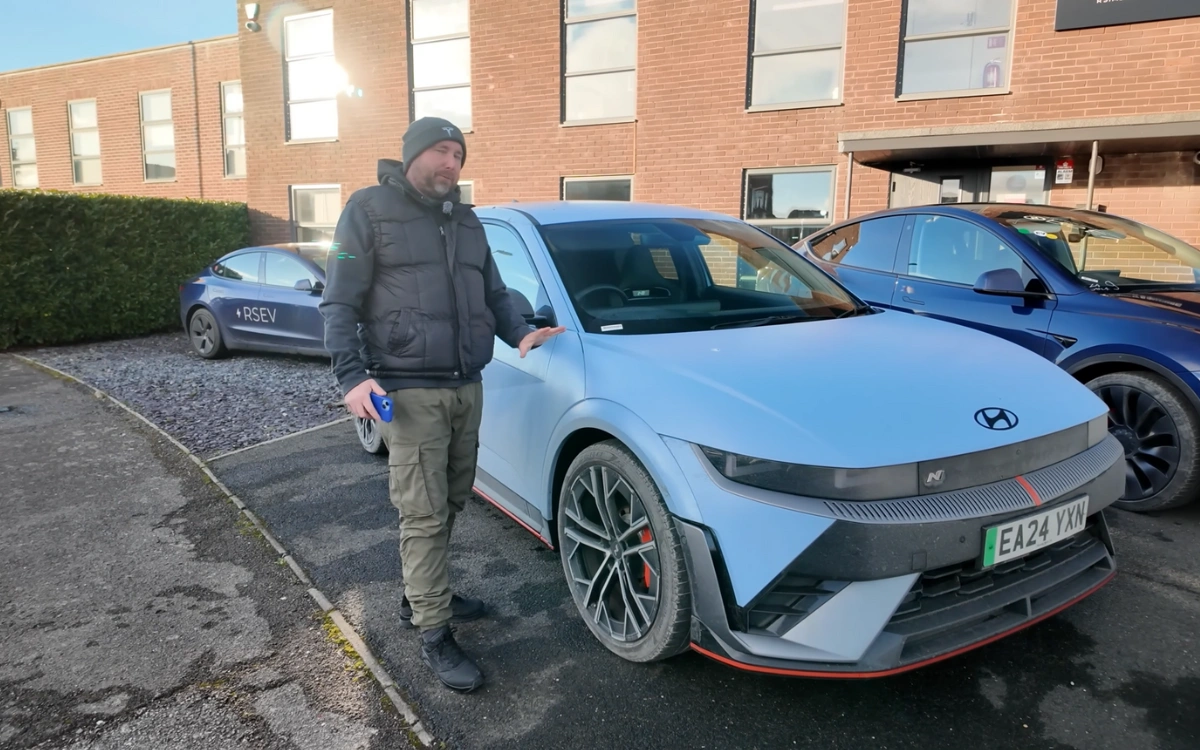
Even so, he noted it’s about as efficient as the car ever gets in cold weather.
The Tesla Model Y variants
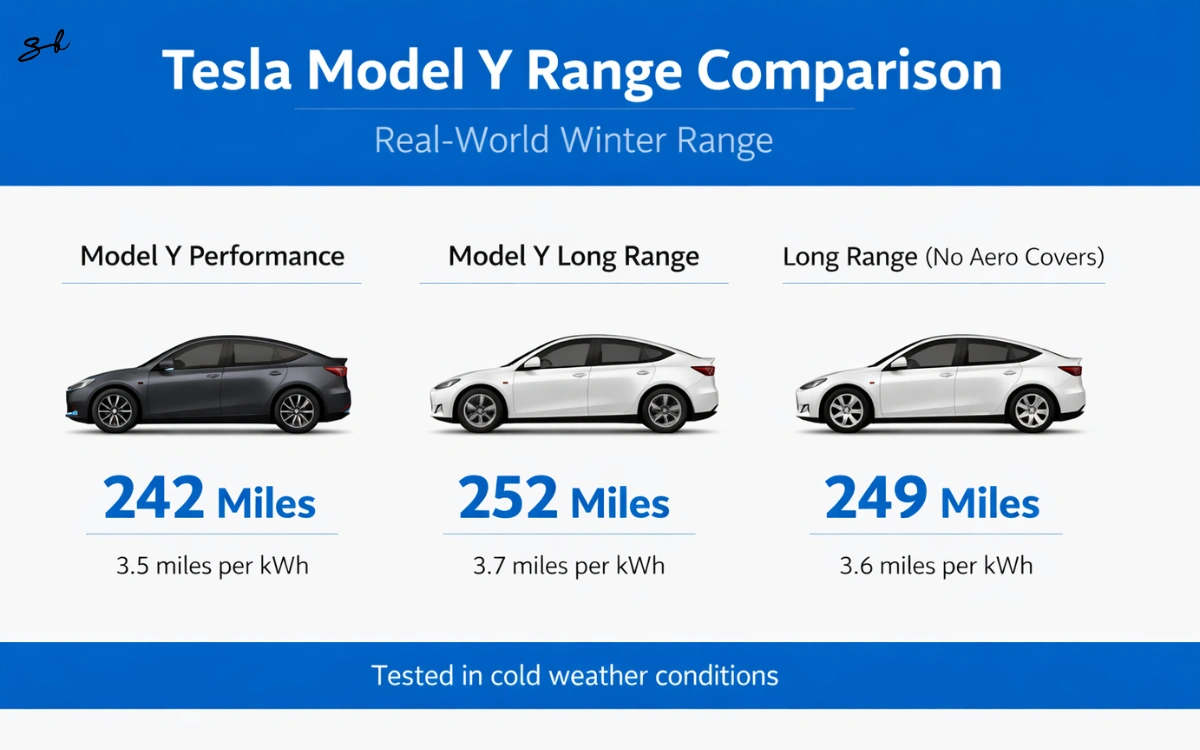
The Tesla Model Y Performance proved far more efficient than many might expect in the winter range test.
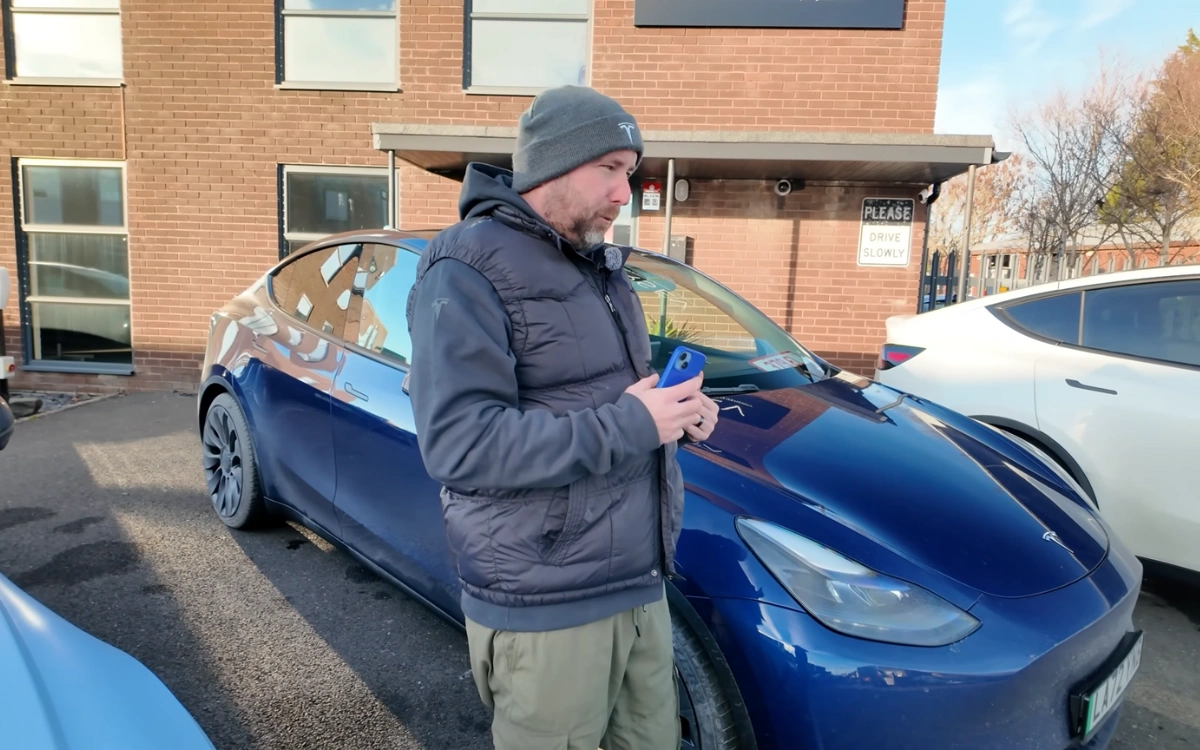
It used 26 percent of its battery over the same route, averaging 3.5 miles per kWh for an estimated 242 miles of range.
The Long Range models edged ahead, with the aero-equipped version topping the group at around 3.7 miles per kWh, and a projected 252 miles.
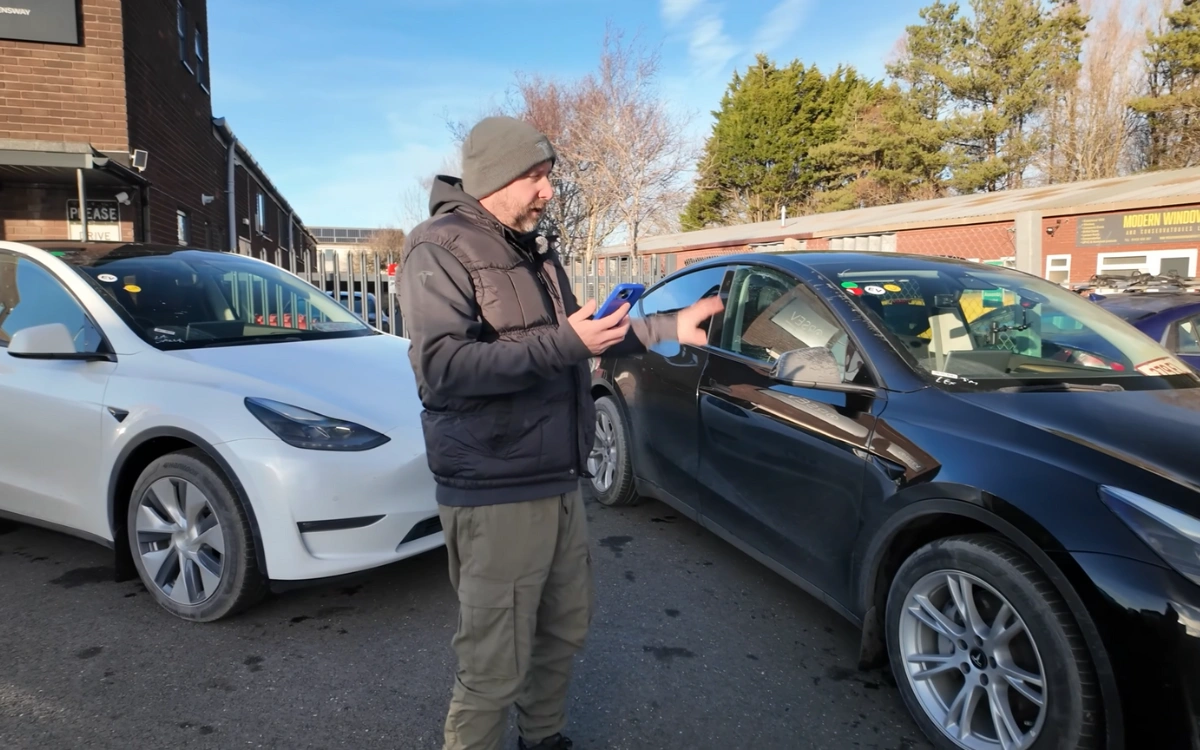
Removing the aero covers only knocked about three miles off that figure, showing their benefit is real, but relatively modest.
While these Tesla Model Ys beat out the Hyundai Ioniq 5 N handily this time, not all Tesla vehicles are known for their winter prowess.
Winter conditions recently exposed a major design flaw in Tesla Cybertrucks, while snow tends to confuse Tesla’s Full Self Driving mode, which uses cameras only.
Still, the Tesla Model Y seem to deliver solid performance in sub-zero temperatures.
Just ask this Canada man, who charged his Tesla Model Y in -32.8°F temperature, and somehow got it to work well.
Check out the full breakdown of the test here:

DISCOVER SBX CARS: The global premium car auction platform powered by Supercar Blondie