Man takes his EV on a 160-mile journey to compare long-distance costs with diesel and shares the results
Published on Apr 05, 2026 at 1:37 AM (UTC+4)
by Molly Davidson
Last updated on Apr 02, 2026 at 6:37 PM (UTC+4)
Edited by
Emma Matthews
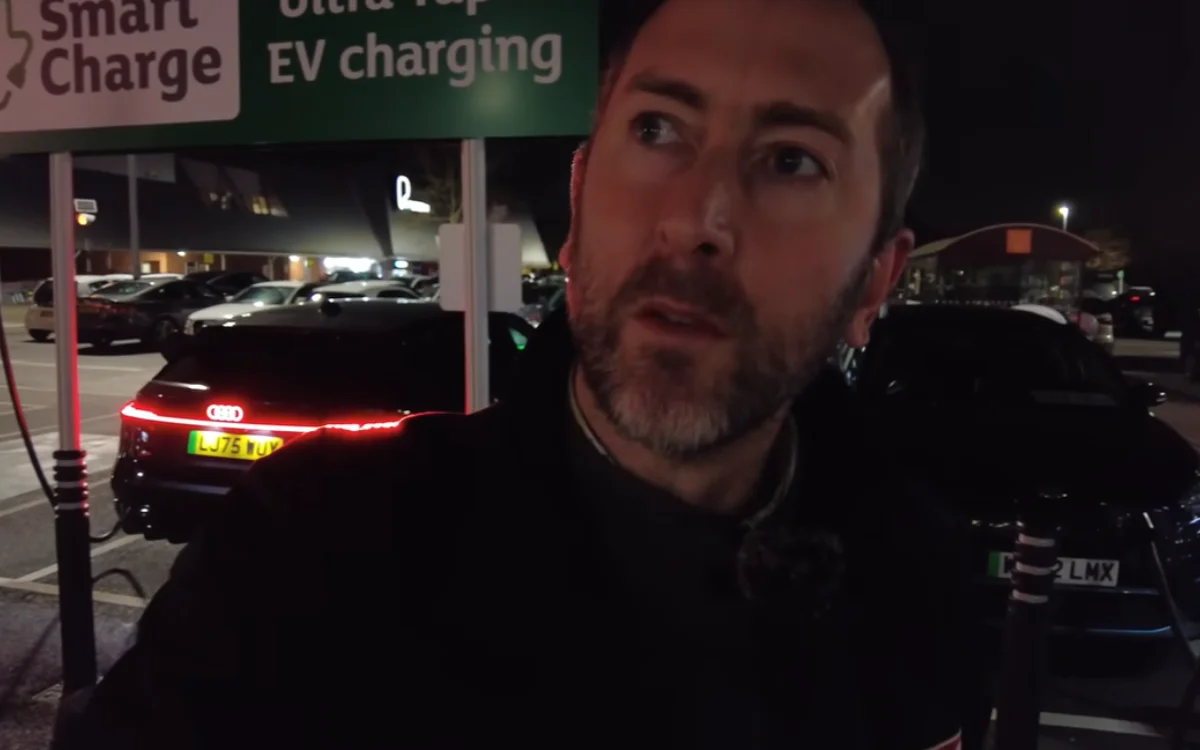

This UK YouTuber set out to answer a simple question about EV ownership.
He wanted to know if an electric car could actually be cheaper than diesel over a longer drive.
So he planned a 160-mile trip and decided to rely on public charging along the way.
But while the result gave him an answer, it didn’t necessarily tell the full story.
Enter our competition to win a stunning 2006 Ford GT or $400,000 cash!
The 160-mile EV vs diesel public charging test
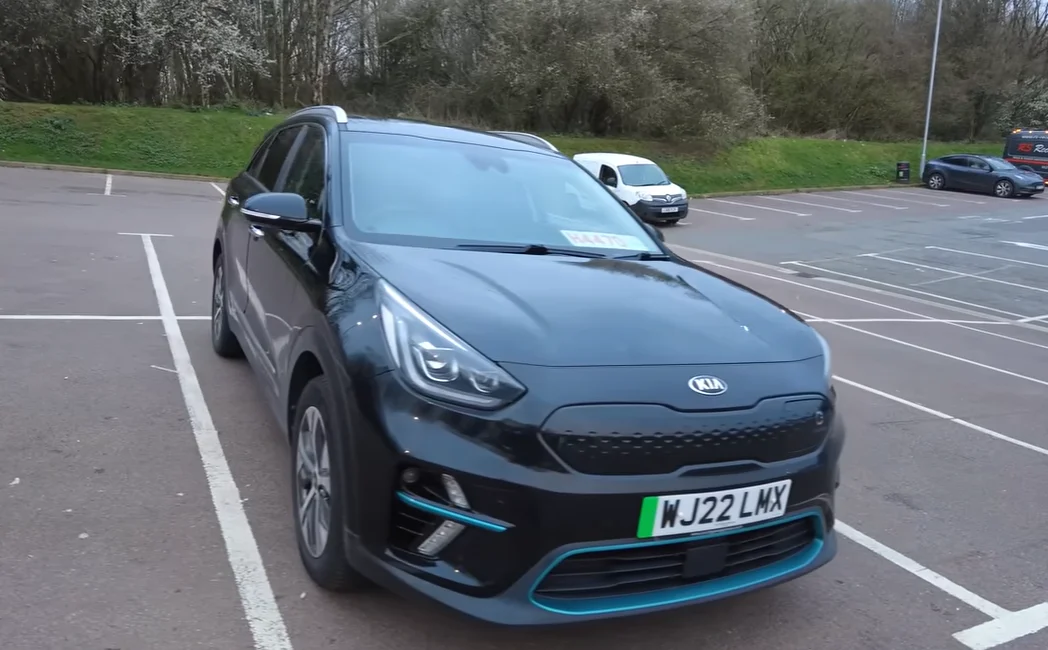
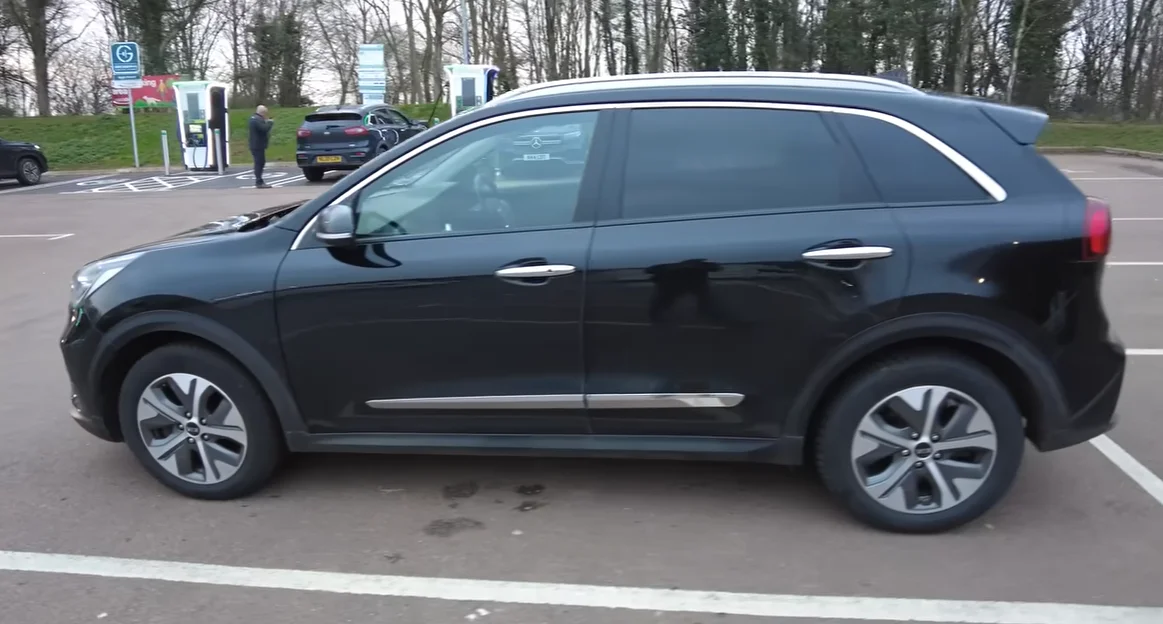
Trade Plate Travels picked up a Kia Niro EV in South Wales and set off on a roughly 160-mile journey home.
He’d previously attempted a similar trip that ended up costing roughly $42 (£32) using public chargers, which many pointed out wasn’t exactly a win compared to fuel.
So this time, his plan was clearer.
He used the Zap-Map app to try to find cheaper charging options along the route.
As a result, the trip became less about range anxiety and more about decision-making.
Where to stop, how long to charge, and which stations offered better value.
Along the way, he stopped to top up using public infrastructure, tracking exactly how much each session cost and how it affected the overall total.
The final cost breakdown
By the end of the journey, the total electricity cost came to just under $45 (£34) using public charging.
He then compared that to running a petrol or diesel car over the same distance, which he estimated would cost somewhere in the mid-£20 range, depending on fuel type and efficiency.
So even with smarter planning, the EV didn’t come out cheaper.
It was actually around £10 more expensive than fuel for the same trip.
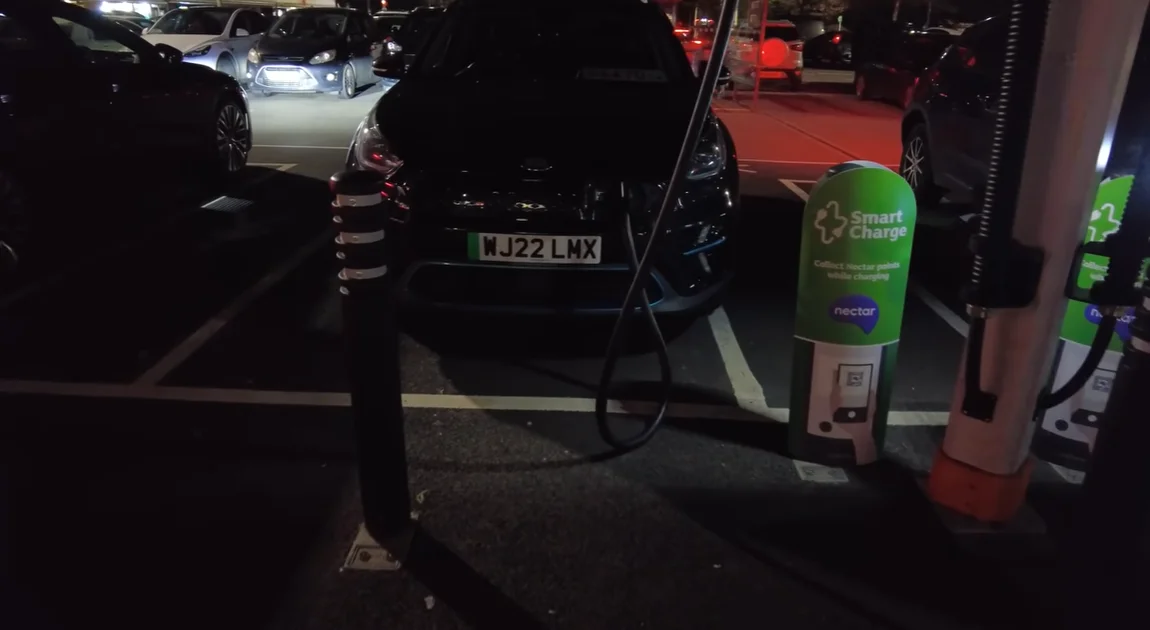
And despite using apps to hunt for better value chargers, the final cost ended up slightly higher than his previous £32 attempt, not lower.
He acknowledged that charging at home would likely flip the result, but that wasn’t the point of the test.
Instead, he set out to see what happens when you rely entirely on public infrastructure.
And in that scenario, the numbers didn’t quite stack up.
So in the end, do diesel cars really come out on top of EVs when it comes to long-distance driving costs, or is this where the wider context really matters?

An EV expert tells us the comparison isn’t quite that simple
We put the question to John Higham, Vice President of the Board of Directors at the Electric Vehicle Association, who says the key issue with a test like this comes down to how the car is being charged.
Higham told Supercar Blondie that public charging is ‘always going to be more expensive than charging at home,’ because third-party providers are buying electricity, adding infrastructure, and building in profit.
As a result, it typically costs between two and four times as much, with around three times being the norm.
Because of that, using public chargers as the baseline can skew the comparison entirely, making EVs look more expensive than they typically are in everyday use.

He also pointed out that a 160-mile journey wouldn’t usually require charging at all.
“Any modern EV is going to let you complete a 160-mile trip without needing to stop and recharge,” he said.
Most models now offer 250-350 miles of range, meaning a drive like this would normally start with a full charge and finish without needing to plug in.
So while the Trade Plate Travels test shows what happens when you rely on public infrastructure, it doesn’t reflect how most owners actually run an EV.
Instead, Higham explained, the real cost advantage tends to show up when charging happens at home.
Where electricity is cheaper, and the car starts every journey at full charge.
DISCOVER SBX CARS: The global premium car auction platform powered by Supercar Blondie
With roles at TEXT Journal, Bowen Street Press, Onya Magazine, and Swine Magazine on her CV, Molly joined Supercar Blondie in June 2025 as a Junior Content Writer. Having experience across copyediting, proofreading, reference checking, and production, she brings accuracy, clarity, and audience focus to her stories spanning automotive, tech, and lifestyle news.