Man tests Porsche Taycan EV range in sub-zero temperatures and the risk leads to an interesting discovery
Published on Jan 09, 2026 at 7:11 AM (UTC-5)
by Daisy Edwards
Last updated on Jan 09, 2026 at 7:11 AM (UTC-5)
Edited by
Emma Matthews
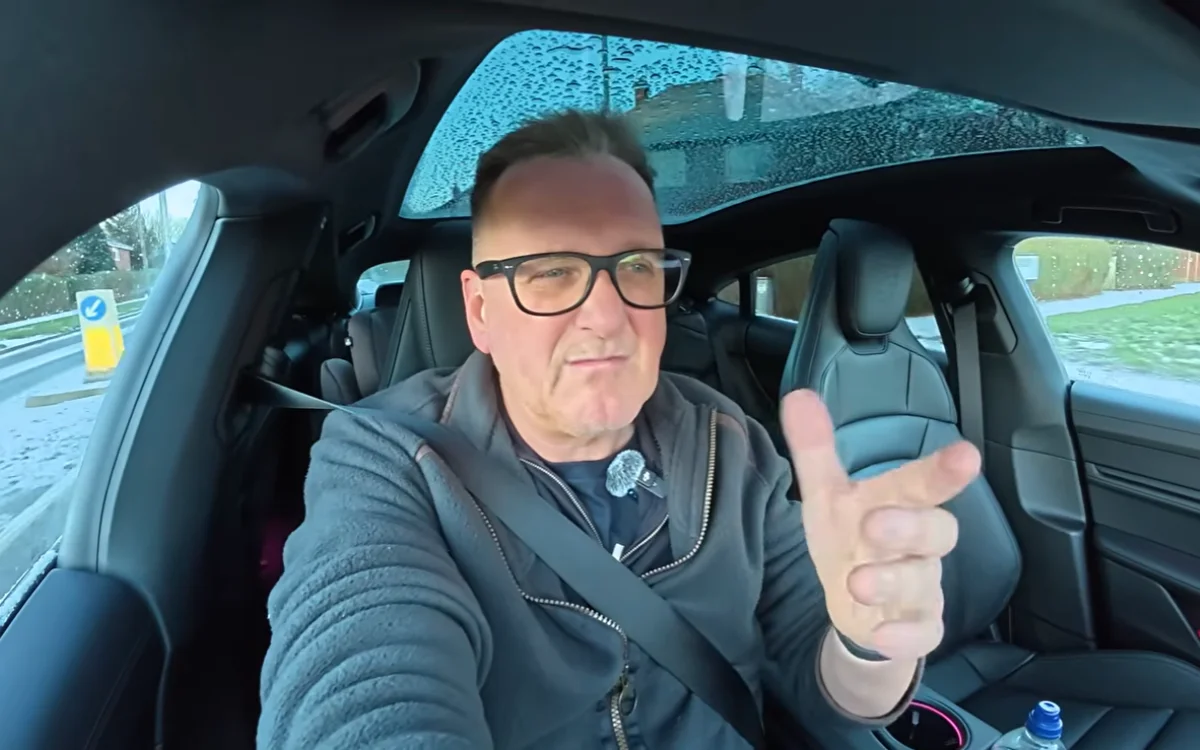

A British man tested his Porsche Taycan EV range in sub-zero temperatures, and the risk led to an interesting discovery after pushing his Gen 2 close to zero charge in freezing weather.
With temperatures dropping as low as -4°C (25°F), he set out to see how badly cold conditions would affect range.
He kept the car in full comfort mode the entire time, with the cabin warm and every heated feature switched on.
By the end of the day, the Taycan was flashing warnings and running on nothing, turning the journey into a proper winter stress test.
EXPLORE SBX CARS – Supercar auctions starting soon powered by Supercar Blondie
Porsche Taycan EV range in winter driving conditions
The test started in Leeds in the UK on an icy January morning with this YouTuber’s famously ‘worthless’ Porsche Taycan EV showing 62 percent battery and about 173 miles of range.
The plan was a long loop that would show the Taycan doing real motorway miles, steep stretches, and stop-start driving.
Crucially, he did not try to give the car any help.
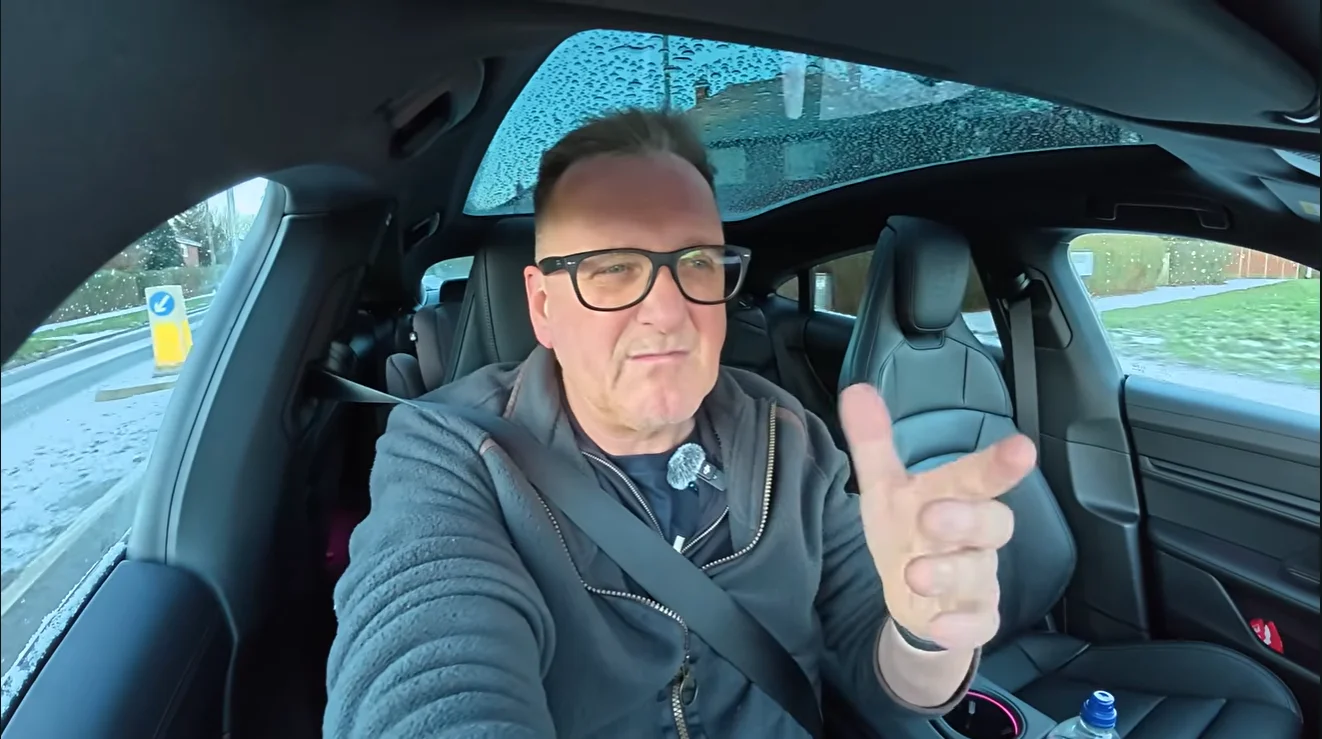
The heated seats stayed on, the heated steering wheel stayed on, and the cabin temperature sat around a balmy 24°C to 26°C (74-78°F).
He even joked that the car felt too warm, which was the opposite of the usual internet stereotype of EV drivers sitting in their freezing cars to save battery.
As the miles he drove climbed, the numbers dropped steadily.
After reaching Mansfield, about 60 miles, he sat at around 44 percent battery with approximately 125 miles of range left, then decided to top up briefly while visiting his family.
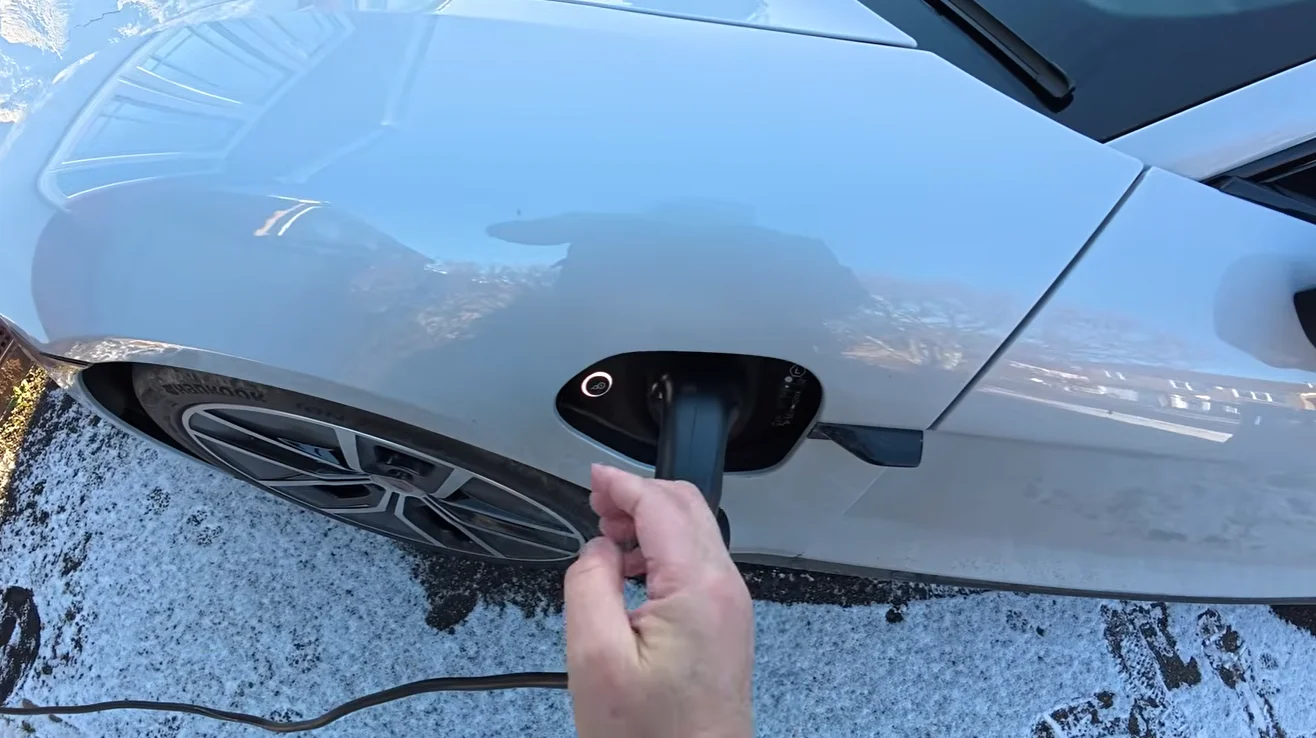
Several hours later, the charge had climbed from 43 percent to 61 percent, giving him 179 miles of range to head North again.
Back on the freeway, he tested one of the biggest myths head-on.
Turning the heating off made the displayed range rise noticeably, and switching it back on dropped it again, which showed that the heater made a difference, but it did not destroy the trip.
Related
Sub-zero temperatures pushed the Taycan to the edge
The most dramatic part of his experiment came late in the day as daylight faded and the battery dropped into single digits.
Warning messages appeared, the range estimate got way smaller, and he passed the final fast charging point without stopping.
With the cabin still being warm, he drove the final miles in careful mode, used regenerative braking, and avoided unnecessary acceleration.

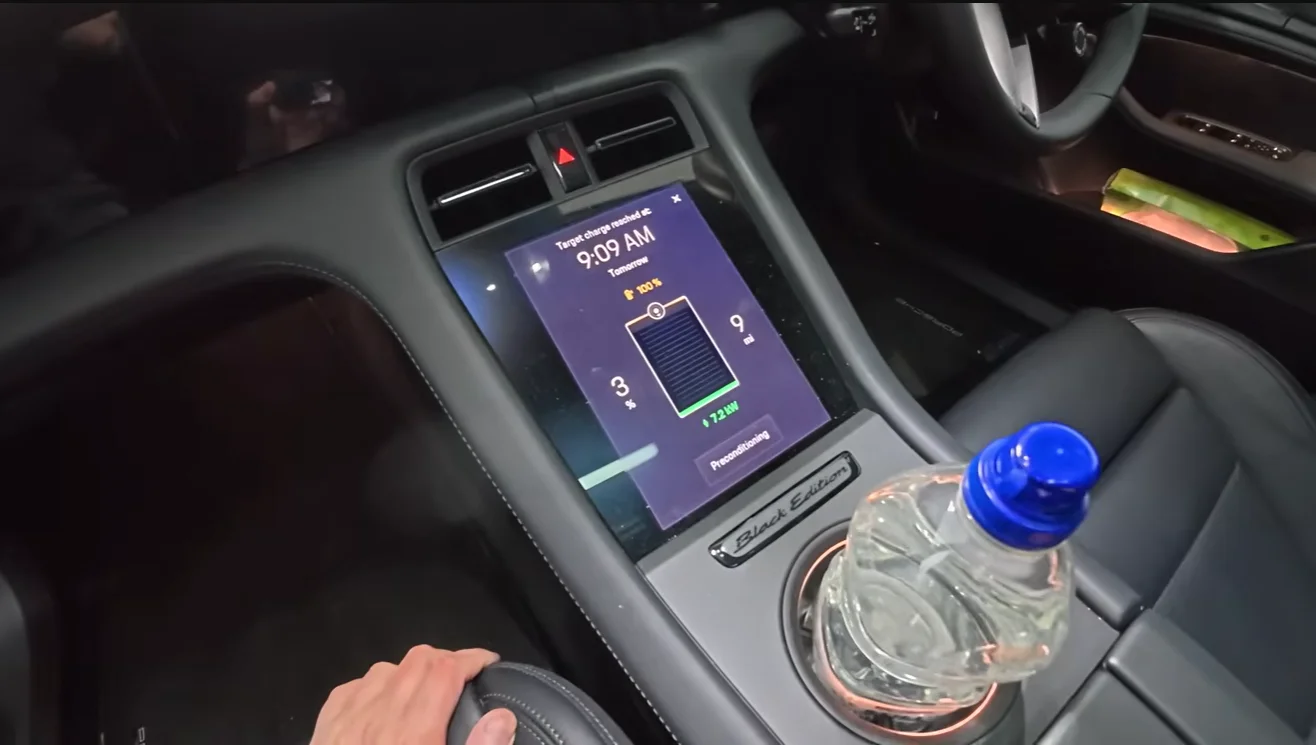
He arrived with roughly three percent battery remaining and only a few miles of range left.
The Taycan did lose range in the cold, but it remained totally usable and comfortable throughout, especially if you can charge at home.
The biggest limitation was not the EV’s winter performance, but the high cost of public charging compared to plugging in overnight on cheaper electricity, and the Taycan surprised everyone with its impressive performance.
Daisy is a technology and automotive journalist covering artificial intelligence, consumer tech, Apple news, cryptocurrency, emerging technologies, and transportation innovation. Since joining the team in 2025, she has reported on everything from AI-powered startups and major iOS updates to viral car stories and the latest developments shaping transportation and the digital economy. Drawing on her background in automotive journalism and a degree in History and Journalism from Goldsmiths, University of London, Daisy specializes in breaking down complex topics into clear, engaging reporting for a global audience. Her work spans cutting-edge technology, innovative vehicles, and the people driving change across both industries. Daisy has gained first-hand access to some of the world's most talked-about technologies and innovators, including meeting Tesla's Optimus humanoid robot during its first European appearance in London. She has also discussed the future of space exploration with an astronaut, bringing unique insights and real-world perspectives to her coverage of emerging technology.